In this story
- The Two Tables Begin from Different Places
- The Five Pungent Vegetables Are an Important Standard in Temple Food
- Read the Scope of ‘No Animal-derived Ingredients’ Carefully
- Modern Plant-based Dining Has a Wider Range of Expression
- Experience the Two Contexts Separately in Seoul
- Mahina Vegan Table's Standard Is 100% Plant-based
- Distinguishing the Two Food Cultures
The short answer
Korean temple food limits animal-derived foods and the five pungent vegetables within a Buddhist tradition of practice and respect for life. Modern plant-based dining can use plant ingredients to interpret cuisines and techniques from around the world; excluding the five pungent vegetables is not automatically part of that standard.
What this story explores
- Temple food is a culinary tradition connected with Buddhist practice.
- Korean temple food prohibits animal-derived foods other than dairy, as well as the five pungent vegetables.
- Plant-based dining and excluding the five pungent vegetables are different requirements and must be checked separately.
Into the story
The Two Tables Begin from Different Places
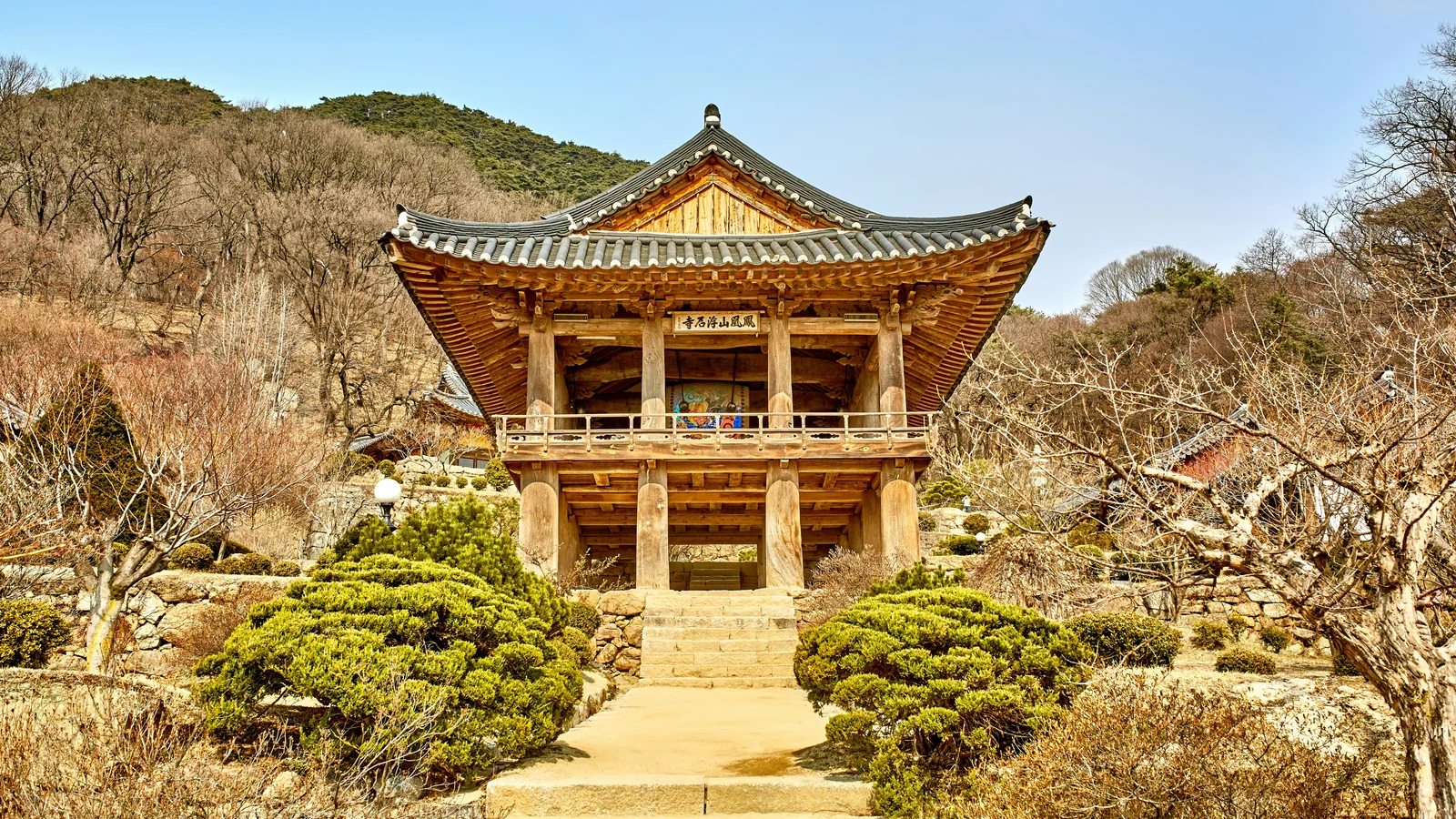
Korean temple food is not simply a vegetarian menu; it forms part of Buddhist practice. A culture of respecting life and considering the relationship between food and nature extends to the way meals are prepared and eaten. Modern plant-based dining, by contrast, is a broad category that builds a contemporary dining experience around plant ingredients.
If the two are grouped into one genre simply because no animal ingredients are visible on the menu, their cultural backgrounds are lost. With temple food, consider the context of practice and restraint. With modern plant-based dining, consider the restaurant's stated ingredient standard and the dining experience it has created. The difference is not a ranking of taste, but the purpose from which each tradition begins.
The Five Pungent Vegetables Are an Important Standard in Temple Food
Korean temple food prohibits animal-derived foods other than dairy, along with the five pungent vegetables, a group of strongly aromatic vegetables regarded as disruptive to Buddhist practice. The absence of animal ingredients alone therefore does not make a dish temple food. Equally, the absence of the five pungent vegetables does not by itself establish that a food meets every vegan standard.
If you avoid the five pungent vegetables, saying only ‘vegan’ is not enough. List the specific ingredients you avoid and ask whether they appear in seasonings or sauces prepared in advance. Religious restrictions and allergies may require different measures, so communicate each one clearly.
Read the Scope of ‘No Animal-derived Ingredients’ Carefully
Dairy is treated as an exception in Korean temple food. A vegan diet, by contrast, excludes dairy, eggs, honey and other foods derived from animals. Which standard a particular dish follows must be checked with the venue and on the menu. Do not assume that a cultural label automatically meets your personal dietary requirements.
If a traveller treats temple food and vegan as the same term, the scope may differ at the point of ordering. Check the actual ingredients, broth and seasonings rather than the name of the cuisine, and read the venue's stated standard as written. If you have an allergy, communicate the precise allergen and cross-contact requirements separately from the cultural category.
Modern Plant-based Dining Has a Wider Range of Expression
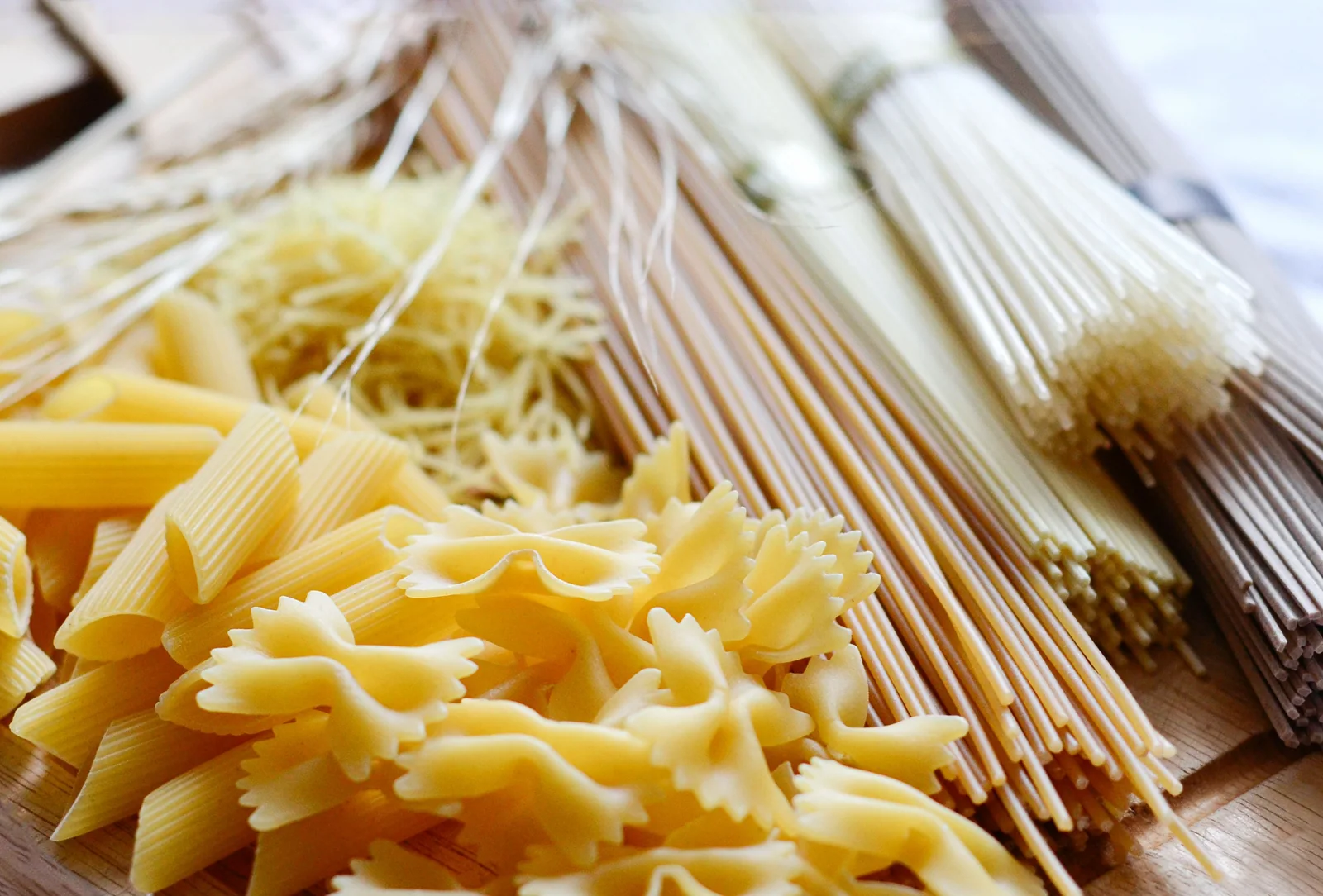
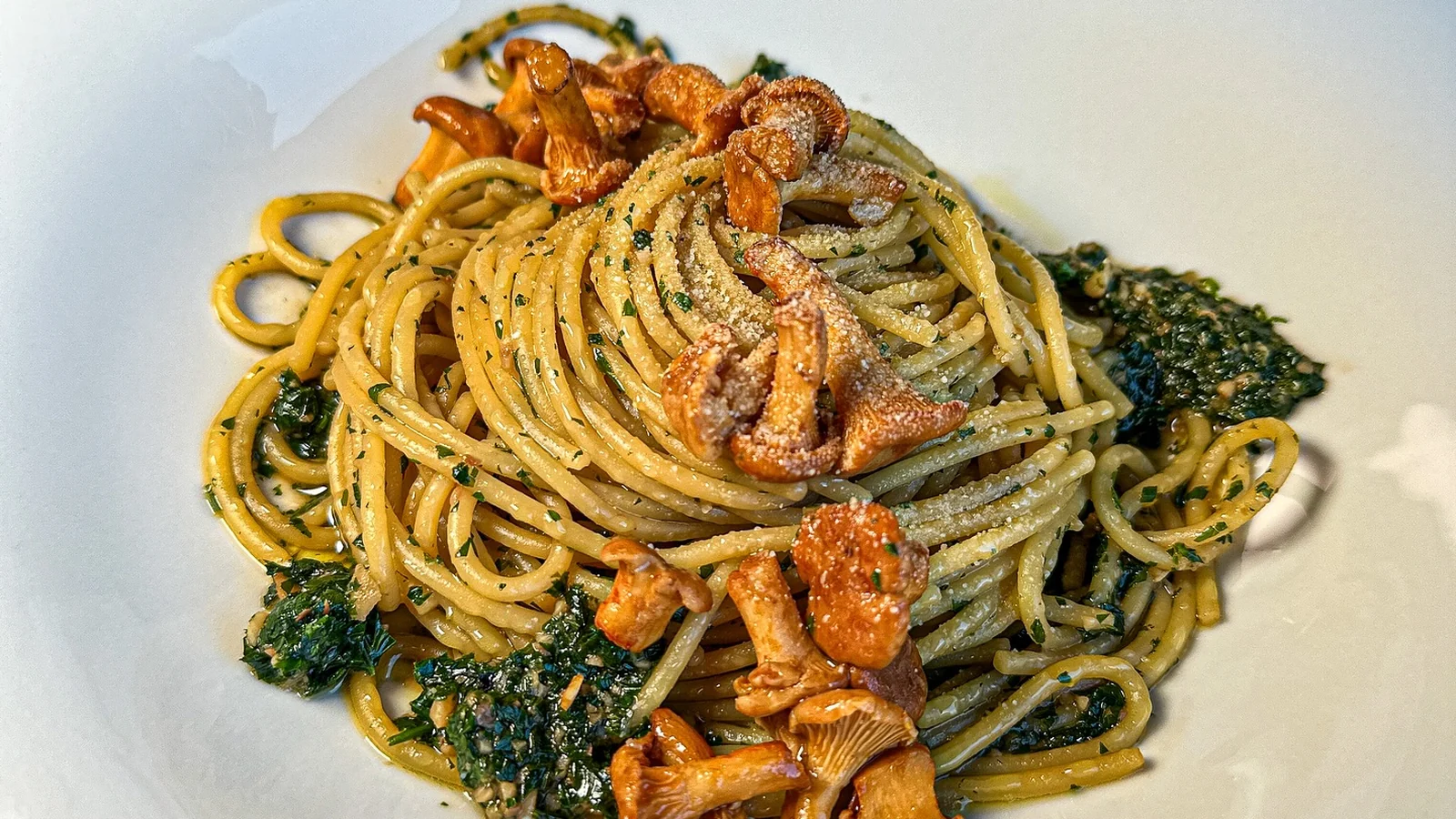
Plant ingredients can be used in forms drawn from many regions, including burgers, pasta and risotto. These dishes may use garlic, spring onion or onion, so guests who avoid the five pungent vegetables need to check separately. Rather than asking which cuisine is more advanced, it is more accurate to understand them as tables with different purposes and cultures.
Even in modern dining, the scope of ‘plant-based’ can vary by restaurant. Distinguish between one plant-based ingredient, an entirely plant-based dish and an entirely plant-based restaurant. Mahina Vegan Table states its standard at restaurant level: every menu item is prepared with 100% plant-based ingredients.
Experience the Two Contexts Separately in Seoul
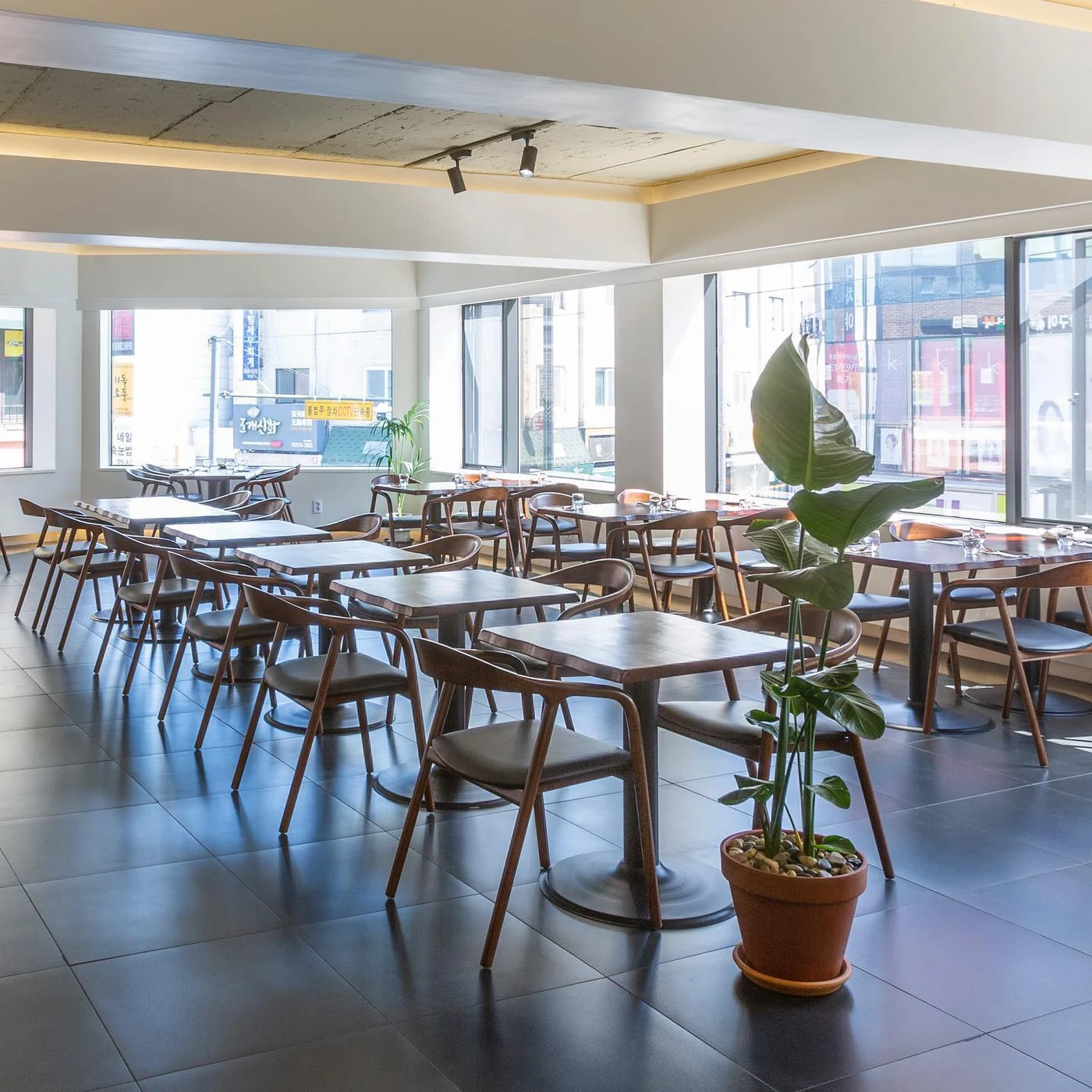
The meaning of temple food is clearest in a cultural space or temple programme that also presents its history and context of practice. In modern plant-based dining, ingredient standards, menu composition and atmosphere can be encountered as a contemporary restaurant experience. Even when both tables appear in one city, it is better not to describe one as a substitute for the other.
If you include both experiences in one day, first decide what you hope to notice in each. Temple food can reveal the meaning of tradition and restraint; modern plant-based dining can show how a current menu and space are composed. Following the standards each place uses to describe itself, rather than assessing both with the same question, makes the distinction clearer.
Mahina Vegan Table's Standard Is 100% Plant-based
Mahina Vegan Table prepares every menu item with 100% plant-based ingredients and separately offers a ‘Buddhist-Friendly No Five Pungent Vegetables’ menu category. This distinguishes the restaurant-wide plant-based standard from choices that also omit the five pungent vegetables. If you have religious or medical requirements, do not rely on a category name alone; tell us the exact restriction before visiting.
When choosing from the menu, first confirm the overall plant-based standard, then check the personal requirements you need, such as avoiding the five pungent vegetables or an allergen. When several requirements overlap, give staff the exact names of the ingredients to avoid so they can explain what can currently be confirmed. It is best not to assume that an unpublished substitution or alteration is available.
Distinguishing the Two Food Cultures
- Is all Korean temple food vegan?
- The name ‘temple food’ alone does not establish that a dish is vegan. Dairy is treated as an exception in Korean temple food, so check the ingredients of each dish.
- Are all plant-based dishes free from the five pungent vegetables?
- No. Garlic, spring onion, onion and related ingredients may be used, so this restriction must be checked separately.
- Which is more modern: temple food or plant-based dining?
- Rather than ranking them, it is more accurate to understand their different starting points: Buddhist practice and contemporary dining.
- Does Mahina Vegan Table offer choices without the five pungent vegetables?
- Mahina Vegan Table has a menu category that excludes the five pungent vegetables, but personal requirements and allergies should be confirmed precisely before visiting.
Distinguish the 100% plant-based standard from the menu category without the five pungent vegetables.
View Dietary Menu Categories at Mahina Vegan Table