
In this story
- The First Two Phrases to Show
- Two Phrases for Checking Broth and Seasonings
- Three Phrases for Asking About Available Dishes and Pre-made Components
- Three Phrases for Stating Allergies and Cross-contact Needs Separately
- The Final Two Phrases to Use Before Ordering
- At Mahina Vegan Table, Every Dish Is Plant-based—but Please Tell Us About Allergies Separately
- Using the 12 Phrases in Practice
The short answer
Start by showing ‘I am vegan’ together with the ingredients you do not eat. Then check the broth, seasonings and any sauces prepared in advance. If you have an allergy, do not treat it as part of the vegan request: state the allergen and your cross-contact requirements separately.
What this story explores
- Each phrase includes the Korean sentence, romanised pronunciation, English meaning and suggested use, so you can show only what you need.
- Asking to remove a garnish is different from checking the broth, seasonings and sauces prepared in advance.
- Communicate allergies and cross-contact requirements as safety information separate from your vegan choice.
Into the story
The First Two Phrases to Show
1. Korean: 안녕하세요. 저는 비건입니다. Romanisation: Annyeonghaseyo. Jeoneun bigan-imnida. English: Hello. I am vegan. When to use it: Show this after greeting the staff to explain your dietary requirements at the outset.
2. Korean: 고기, 생선, 해산물, 유제품, 달걀, 꿀을 먹지 않습니다. Romanisation: Gogi, saengseon, haesanmul, yujepum, dalgyal, kkureul meokji anseumnida. English: I do not eat meat, fish, seafood, dairy products, eggs, or honey. When to use it: Show this immediately afterwards when the word ‘vegan’ alone may not communicate the full scope of what you avoid.
Two Phrases for Checking Broth and Seasonings
3. Korean: 이 음식의 육수에 고기, 생선, 멸치 또는 해산물이 들어가나요? Romanisation: I eumsigui yuksue gogi, saengseon, myeolchi ttoneun haesanmuri deureoganayo? English: Does the broth in this dish contain meat, fish, anchovies, or seafood? When to use it: Show this when ordering dishes that may contain broth, such as soups, stews, noodles or hot pots.
4. Korean: 양념에 액젓, 새우젓 또는 동물성 재료가 들어가나요? Romanisation: Yangnyeome aekjeot, saeujeot ttoneun dongmulseong jaeryoga deureoganayo? English: Does the seasoning contain fish sauce, salted shrimp, or any animal-derived ingredients? When to use it: Show this for kimchi, seasoned vegetable dishes and sauces, where ingredients may not be visible in the finished dish.
Three Phrases for Asking About Available Dishes and Pre-made Components
5. Korean: 동물성 재료 없이 준비된 메뉴가 있나요? Romanisation: Dongmulseong jaeryo eopsi junbidoen menyuga innayo? English: Do you have a menu item prepared without animal-derived ingredients? When to use it: Show this to ask about available choices before requesting major changes to a particular dish.
6. Korean: 이 메뉴는 원래부터 비건으로 준비되나요? Romanisation: I menyuneun wollae-buteo biganeuro junbidoenayo? English: Is this menu item prepared as vegan without modifications? When to use it: Use this to check whether the entire dish is vegan by design, rather than merely having one garnish removed.
7. Korean: 이미 만든 육수나 소스에도 동물성 재료가 없나요? Romanisation: Imi mandeun yuksuna soseuedo dongmulseong jaeryoga eomnayo? English: Are the pre-made broth and sauce also free from animal-derived ingredients? When to use it: Show this to check broths or sauces that may be difficult to change at the point of ordering.
Three Phrases for Stating Allergies and Cross-contact Needs Separately
8. Korean: 저는 ○○ 알레르기가 있습니다. Romanisation: Jeoneun ○○ allereugiga itseumnida. English: I have an allergy to ○○. When to use it: Replace the blank with the exact ingredient you must avoid, such as peanuts, tree nuts or soy.
9. Korean: 같은 조리도구나 조리대에서 다른 재료가 닿지 않게 해야 합니다. Romanisation: Gateun joridoguna joridaeeseo dareun jaeryoga datji anke haeya hamnida. English: I need to avoid cross-contact with other ingredients on shared utensils or work surfaces. When to use it: Show this only when your allergy requires you to avoid even trace cross-contact.
10. Korean: 이 조건을 지킬 수 있는지 주방에 확인해 주세요. Romanisation: I jogeoneul jikil su inneunji jubange hwaginhae juseyo. English: Please check with the kitchen whether these conditions can be met. When to use it: Use this to ask politely for the kitchen to confirm when a member of staff cannot answer immediately.
The Final Two Phrases to Use Before Ordering
11. Korean: 제가 말씀드린 조건대로 준비할 수 있는지 다시 확인해 주세요. Romanisation: Jega malsseumdeurin jogeondaero junbihal su inneunji dasi hwaginhae juseyo. English: Please confirm again whether this can be prepared according to the conditions I mentioned. When to use it: Use this before finalising the order to confirm the dish and all of the conditions you have explained.
12. Korean: 정확한 확인이 어렵다면 어렵다고 말씀해 주세요. Romanisation: Jeonghwakan hwagini eoryeopdamyeon eoryeopdago malsseumhae juseyo. English: If it is difficult to confirm accurately, please tell me so. When to use it: Show this when you want a clear account of what can be verified without asking staff to make a guarantee they cannot support.
At Mahina Vegan Table, Every Dish Is Plant-based—but Please Tell Us About Allergies Separately
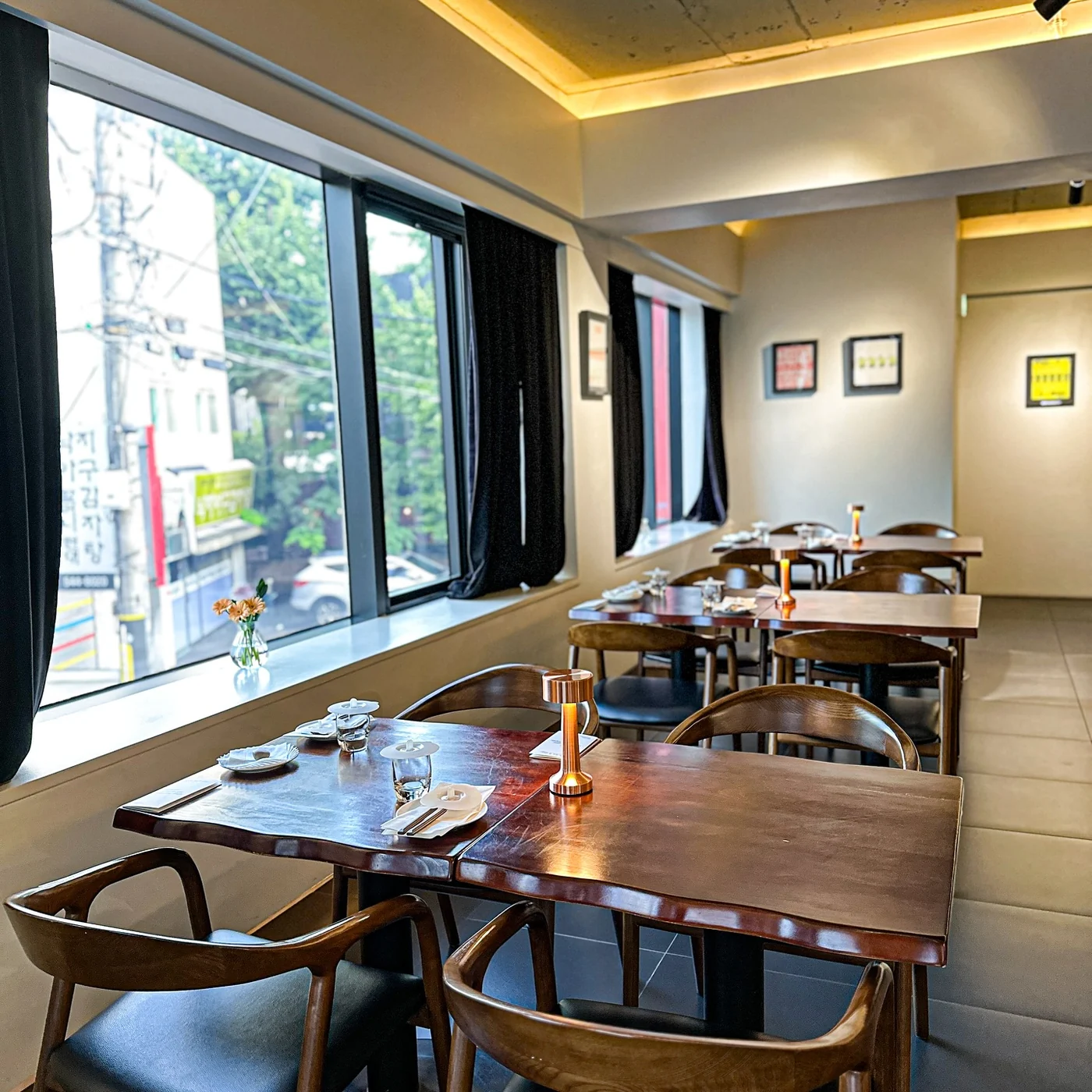
Mahina Vegan Table prepares every menu item with 100% plant-based ingredients. Instead of checking every dish for animal-derived ingredients, you can begin by choosing what you would like to eat. Allergies and cross-contact requirements are separate from whether a dish is plant-based, however, so please tell us the exact allergen and the precautions you need before ordering.
If you have an allergy, note the ingredient you must avoid alongside the name on the reservation, then tell us again before ordering once you are seated. If a travelling companion is explaining on your behalf, having the person with the allergy check the sentence directly can reduce the risk of the ingredient or level of restriction being communicated incorrectly.
Using the 12 Phrases in Practice
- Do I need to show all 12 phrases at once?
- No. Begin with phrases 1 and 2, then choose the questions about broth, seasoning or sauce that fit the dish you want to order. Use the allergy phrases only when they apply.
- Can I simply read the romanisation aloud?
- Pronunciation may not always be understood, so showing the Korean sentence on your screen as well is more precise.
- Can I explain vegan requirements and allergies in the same way?
- No. A vegan choice and allergy safety are different requirements. State the exact allergen and the degree of cross-contact prevention you need separately.
- What should I do if I cannot get a clear answer?
- Do not assume that an unverified dish is suitable. Choose another dish that staff can confirm, or postpone the order.
After reviewing the plant-based standards for the full menu, please communicate individual allergies and dietary restrictions separately.
View the Mahina Vegan Table Menu