In this story
- Gluten and Bread Dough
- Grains That Contain Gluten
- The Difference Between Ingredients and Finished Products
- Different Reasons for Restricting Gluten
- Steps to Take When You Have Symptoms
- Gluten-Free Labels and What 20 ppm Means
- What to Check When Choosing Oats
- Ingredients Easily Missed in Sauces and Seasonings
- Guidelines for a Shared Home Kitchen
- Ordering a Meal at a Restaurant
- Nutritional Balance in Gluten-Free Meals
- Understanding Vegan and Gluten-Free Together
You may come across the term gluten-free on rice bread, buckwheat noodles, and oat drinks. It is easy to take it to mean that no wheat flour was used, but choosing a meal calls for a look at both the ingredients and how it was prepared. The same food can have different implications for someone with celiac disease, someone with a wheat allergy, and someone who reduces gluten as a matter of preference. Let's look at the role of gluten, then work through what to check on packaging and at restaurants.
Gluten and Bread Dough
Gluten refers to proteins found in grains such as wheat, barley, and rye. In wheat flour used for bread, proteins called gliadin and glutenin play important roles. When water is added and the flour is mixed or kneaded, these proteins connect to form a network. This structure helps dough stretch without breaking easily and spring back after it is pressed and released.
As bread dough ferments, trapping the gas produced by yeast creates spaces inside. The gluten network also helps bread hold its shape during baking and retain holes of different sizes in a sliced loaf. That is why making the same bread is difficult if you only replace wheat flour with rice flour. The types of protein are different, as is the way the dough gets its structure.
Gluten-free bread gets its structure from different ingredients and methods. Bakers combine flours and starches, and some products use ingredients such as xanthan gum to help the dough hold its shape. A texture different from wheat bread does not mean the bread was made poorly. The blend of ingredients and amount of water need to suit the kind of bread you want to make.
When baking at home, it helps to start with a recipe designed for gluten-free ingredients rather than simply changing the flour in a wheat-based recipe. Even flours sold under the same name may come in blends that already contain starches or binders. Checking whether the product already includes an ingredient that the recipe calls for separately can help you avoid adding it twice.
Bread and cookies need different kinds of structure. Bread that rises substantially during fermentation needs to trap gas as its dough expands. That means gluten-free flour blends for bread are not necessarily interchangeable with blends for cakes or cookies. Changing the proportions of starches and binders changes how the dough behaves. This is why you still need to choose a flour blend suited to the recipe, even when the products share the gluten-free label.
Understanding gluten-free eating means considering both the properties of foods and the reasons someone needs to limit gluten. Gluten's role in baking should be understood separately from a person's health needs. Explaining what gluten does in bread is not enough to recommend it to everyone, and the fact that it must be restricted for certain conditions does not mean it is harmful to everyone.
Grains That Contain Gluten
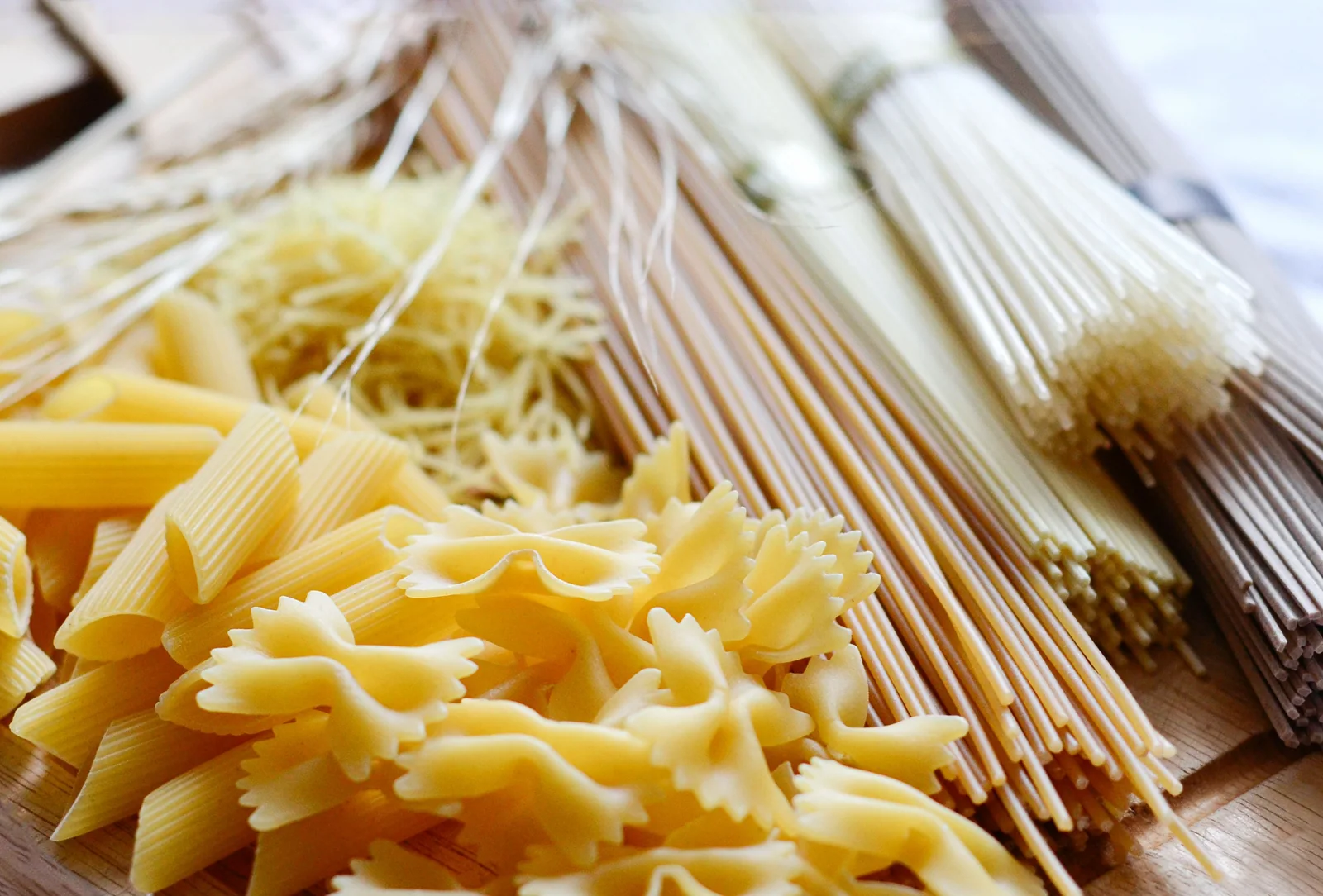
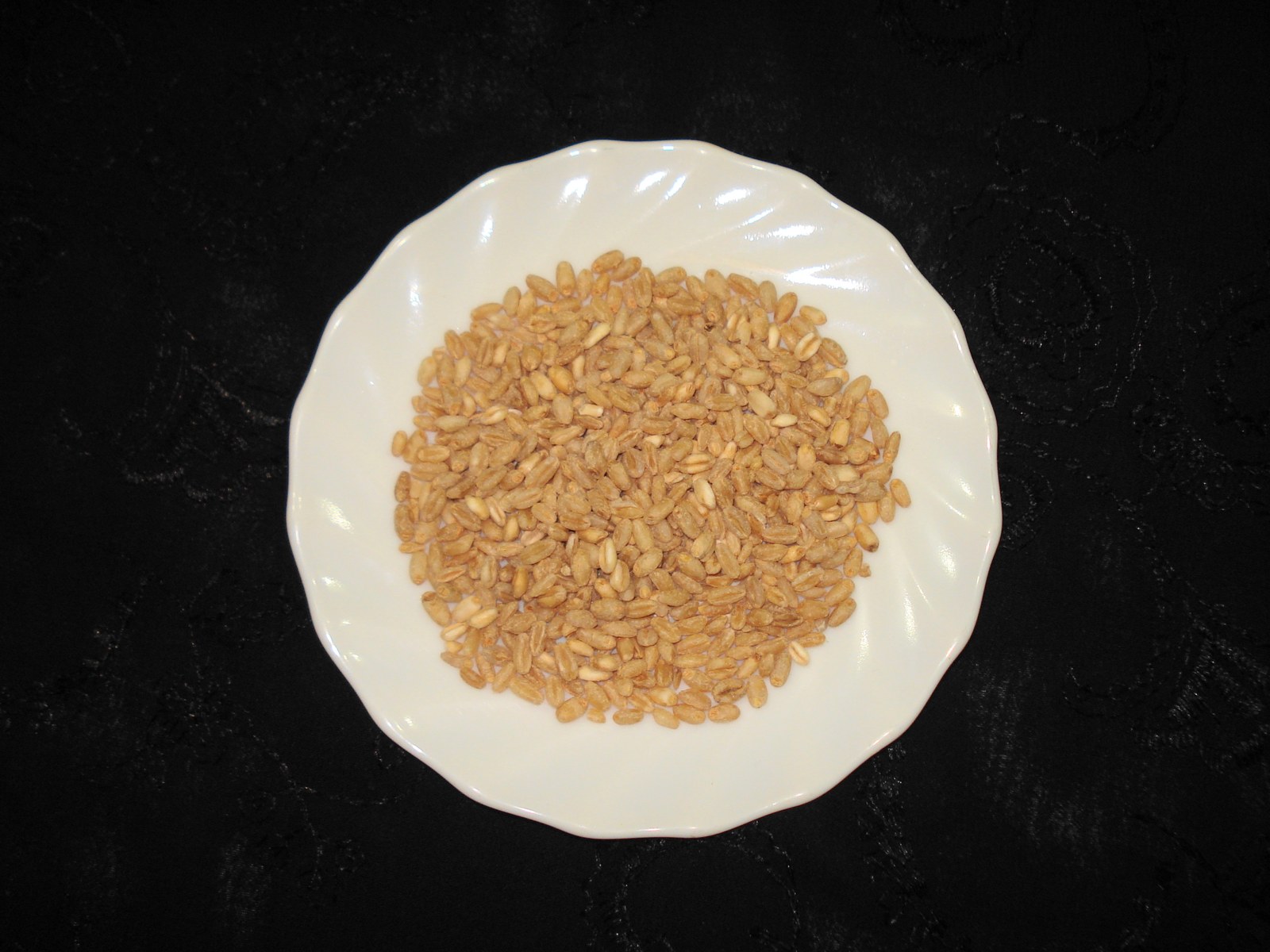
On a gluten-free diet, check for wheat, barley, rye, and ingredients derived from them. Some foods, such as sandwich bread and wheat noodles, are easy to recognize, but grains may also appear under other names or as processed ingredients. Pasta made from durum wheat and semolina are wheat products, and spelt needs checking for the same reason. Using whole wheat or growing it organically does not mean that gluten has been removed.
Barley is easy to overlook, too. Rice cooked with barley still contains barley, even when rice is the main ingredient. Also check products that use malt or malt extract made from barley. Make a habit of checking the ingredient list to see which grains were used, rather than judging bread or snacks by their appearance.
As its name suggests, rye bread contains rye. Triticale, a cross between wheat and rye, is also among the ingredients restricted on a gluten-free diet. When buying imported food, if you see an unfamiliar grain name, check the product description and manufacturer's guidance rather than guessing from a name you recognize.
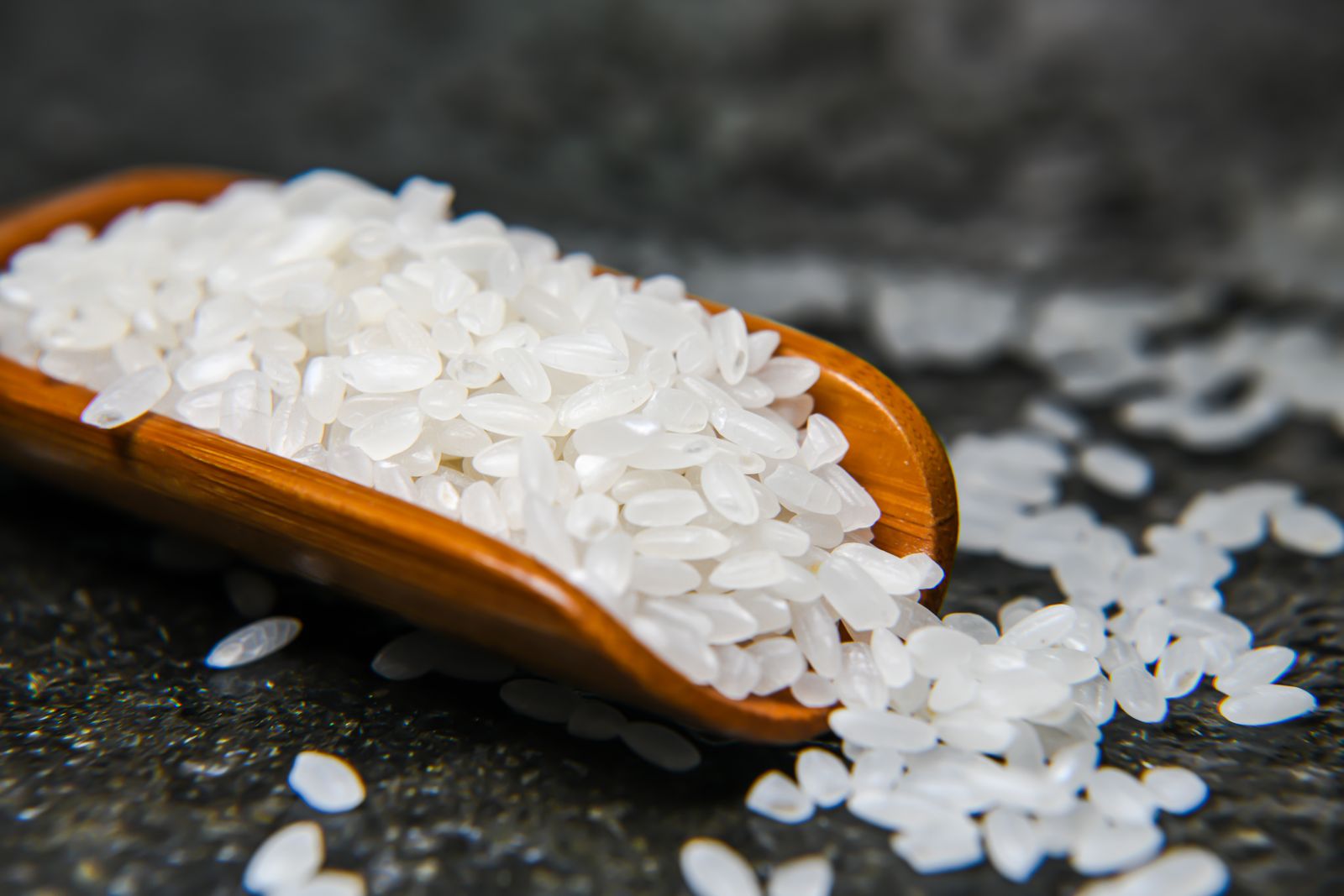
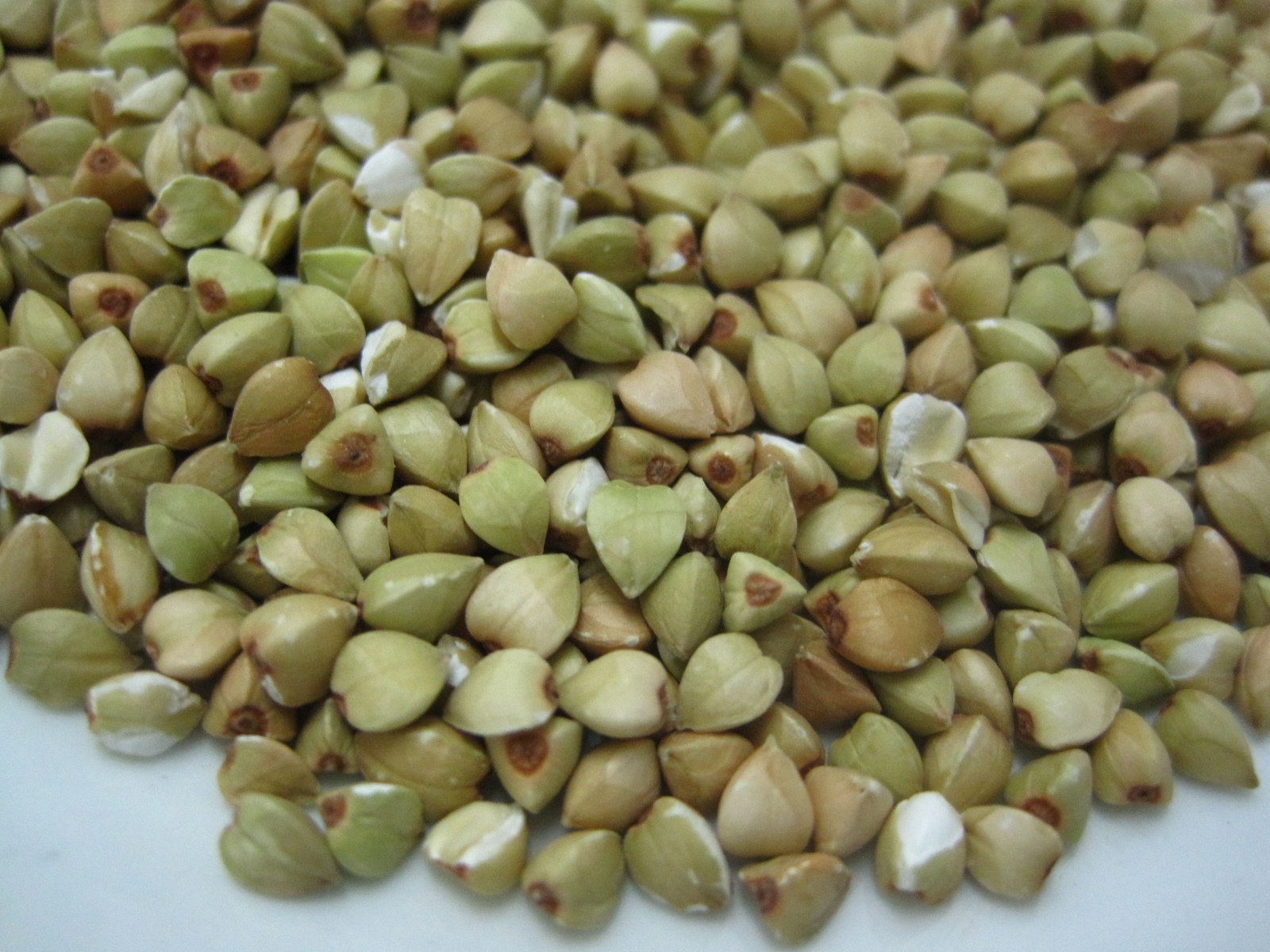
Rice, buckwheat, corn, sorghum, quinoa, and potatoes, by contrast, are naturally gluten-free ingredients. They can be a starting point for changing your meals, but foods named after them do not all meet the same requirements. Buckwheat noodles may also contain wheat flour, and corn snacks may include ingredients from other grains or added seasonings. Knowing an ingredient's properties is the first clue when checking a finished product.
When making a grocery list, it can help to list grains to avoid separately from ingredients you can use. After choosing rice and potatoes as possible staples, check labels and ingredient lists separately for processed products such as noodles and bread. This approach helps you avoid ruling out more ingredients than necessary while reducing the chance of choosing a processed food based on an ingredient name alone. Looking at the ingredients available to you also shows that your meals need not revolve around specialty bread or noodle alternatives. Rice can serve as a staple, or you can plan a meal around potatoes or quinoa. Buckwheat is naturally gluten-free, but if you choose buckwheat noodles, check the finished product's ingredient blend separately. Identifying which ingredients you can keep in your usual meals and which products you need to replace makes the changes more concrete.
The Difference Between Ingredients and Finished Products
It is important to check all the ingredients used in a product. Knowing that rice itself is gluten-free is different from confirming that rice bread is gluten-free. A baker may add wheat flour or other wheat-derived ingredients to rice bread. A large photo of rice on the front of a package cannot tell you whether the product is gluten-free. Apply the same approach to buckwheat. The properties of buckwheat flour are separate from the blend used in commercially sold buckwheat noodles. If the buckwheat percentage is listed, check what the remaining ingredients are, and read the ingredients in any included sauce or broth as well. Changing the noodles while keeping the same sauce can leave you overlooking whether the whole meal meets your needs.
Even naturally gluten-free ingredients can come into contact with foods that contain gluten during harvesting, processing, storage, or preparation. This is called cross-contact. For example, producing buckwheat flour on the same milling equipment as wheat flour, or putting gluten-free flour into a container with wheat flour residue, can allow other ingredients to mix in. An ingredient list tells you what was added, but it does not describe every part of these processes.
If you need to avoid gluten because of celiac disease, look at both gluten-free labeling and the manufacturer's information about its production controls. If a product only says that no wheat was added and gives little information about cross-contact, you can ask the manufacturer about that product's production process and labeling standards. Give the exact product name and packaging details rather than asking about every product the company makes; this helps keep the answer specific.
Even within a single brand, formulations may differ from product to product or change over time. Read the label on each new package rather than relying only on the memory of having eaten it before. For products offered in several flavors, make sure the flavor you checked matches the one you are buying. These small differences matter when choosing a specific product that meets your needs.
When shopping online, compare the listing photos with the product you actually receive. If the ingredient list is too small to read or you cannot tell whether the packaging shown is current, ask the seller or manufacturer for the current label. Once the product arrives, check and keep the information on its packaging. If a manufacturer's answer applies only to a specific product and its production conditions, do not extend that answer to the suitability of other products.
Different Reasons for Restricting Gluten
Celiac disease is a condition in which eating gluten triggers an immune response that damages the small intestine. This can interfere with the absorption of nutrients from food, so a gluten-free diet is an important part of treatment for people with the diagnosis. It is not simply a matter of feeling uncomfortable after eating, and the absence of symptoms on a given day is not a reason to assume gluten is okay to eat.
If you have been diagnosed with celiac disease, you need to avoid gluten consistently with support from your healthcare team and a dietitian. Along with removing obvious wheat-flour foods from your meals, you also need to manage ingredients in processed foods and cross-contact. Planning how to get the nutrients you need, as well as learning what to exclude, makes the diet easier to maintain in daily life.
Wheat allergy is a food allergy in which the immune system reacts to proteins in wheat. The proteins involved may include more than gluten. Reactions can include hives, swollen lips, and breathing problems, and may become severe. Using the same name for celiac disease and wheat allergy can lead to misunderstandings about which ingredients to avoid and how to respond in an emergency.
People with wheat allergy should not rely on a gluten-free label alone to decide whether a product meets their need to avoid wheat. Some products use wheat-derived ingredients, such as wheat starch processed to remove gluten. Check wheat allergen labeling and the full ingredient list, and make choices based on your diagnosis and the dietary guidance from your healthcare team. Whether and to what extent other grains need to be restricted should be assessed in light of your individual allergy.
Sudden swelling of the mouth or throat, or difficulty breathing after eating, calls for emergency medical care. Do not test the cause at home by increasing the amount you eat. If you already have an allergy diagnosis, follow the instructions for your prescribed emergency medication and action plan. General information about a food cannot establish how strongly you might react or how much you can eat.
It helps to tell the family members you live with, or anyone preparing your food, the exact name of your diagnosis. For celiac disease, share which grains to avoid and how to manage cross-contact. For wheat allergy, share the requirements for avoiding wheat and the emergency action plan. People at the same table may need different precautions, so a single statement such as "I can't eat wheat flour" cannot communicate every requirement.
Steps to Take When You Have Symptoms
Feeling unwell after eating bread or noodles does not establish gluten as the cause. Similar symptoms, including abdominal pain and bloating, can occur with other digestive conditions. Celiac disease is not diagnosed from symptoms alone: a healthcare professional reviews your medical and family history and considers tests such as blood tests or a small-intestinal biopsy. Keeping a record of what you ate and your symptoms can help you explain the situation at an appointment.
If you are considering testing for celiac disease, it is important not to eliminate gluten completely on your own before speaking with your healthcare team. Starting a gluten-free diet first can affect test results. If you have already been restricting foods, explain what you excluded and for how long. Your healthcare team should also decide, based on your condition, whether you need to eat gluten again for testing and how to do so.
Advice about eating gluten before testing should not be applied indiscriminately to someone with a suspected wheat allergy or a history of severe reactions. Instead of reintroducing wheat on your own, first explain the possibility of an allergy and any previous reactions to your healthcare professional. Guidance intended to ensure accurate celiac testing needs to be considered alongside the safety of people with allergies.
After other possible causes, including celiac disease and wheat allergy, have been assessed, you can discuss non-celiac gluten sensitivity with your healthcare team if symptoms keep returning when you eat wheat. There is no specific test that can confirm this condition on its own, and researchers are also investigating whether components of wheat other than gluten contribute to the symptoms. Feeling better after excluding wheat is useful information for your healthcare team, but it does not establish which component was responsible for the symptoms.
A food record can include sauces and side dishes as well as the name of the food, the time you ate, and when symptoms appeared. If you ate noodles, for example, note the type of noodle and the broth or sauce. There is no need to deliberately eat a suspected food just to make a record. Use the record to support diagnosis and meal planning with your healthcare team.
Before your appointment, gather information about the foods you currently exclude, when and why you began restricting them, and any previous test results. Describe specifically what improved after changing your diet and which symptoms remain. These records cannot replace a diagnosis, but they can help your healthcare team decide what to investigate next. It is best not to assign yourself a diagnosis based only on trying a diet you found online.
Gluten-Free Labels and What 20 ppm Means
The term gluten-free is used in everyday descriptions of ingredients, but labels on packaged foods are governed by each country's regulations. Under US food labeling standards, foods labeled gluten-free must contain less than 20 ppm of gluten. Conditions on the use of certain ingredients also apply, so the gluten concentration alone does not explain every labeling requirement.
ppm is a unit of concentration meaning parts per million. Measured by food weight, 20 ppm is the same concentration as 1 kg of food containing 20 mg of gluten. If 100 g of food has a concentration of exactly 20 ppm, it contains 2 mg of gluten. Even at the same concentration, the amount of gluten you consume changes with the amount of food you eat.
This calculation is an example to explain the difference between concentration and amount. It does not establish 2 mg as an amount an individual can tolerate or as a standard for a safe meal. Under US standards, 20 ppm is the upper cutoff, and the labeling requirements call for a concentration below it. The word gluten-free does not mean that the amount detected is always exactly 0; interpreting it that way can lead you to misread the label.
US standards cannot be treated as the legal standards for every product sold in Korea. When choosing Korean-made or imported products, check the labeling that applies to that product and the manufacturer's explanation. If there is an overseas certification mark, check which organization certified which product. A graphic that looks like a certification logo and a manufacturer's own wording should not be treated as the same kind of evidence.
If a package only says that no wheat was used, or also states that the product was made in a facility that handles wheat, clarify what each statement means. A claim that no wheat was added does not automatically address barley, rye, or cross-contact during processing. If you restrict foods because of celiac disease or wheat allergy, reviewing the types of labeling relevant to your needs with your healthcare professional or dietitian in advance can make choosing products easier.
If label statements seem to contradict one another, do not base your decision on whichever statement is most convenient. You can ask the manufacturer what the gluten-free label covers and what the wheat-related notice means. Keeping the date of the explanation along with the exact product details makes later comparisons easier. If a label claim has not been verified, leave it unverified; the lack of an answer is not a reason to conclude that the product is suitable.
What to Check When Choosing Oats
Oats often cause confusion in discussions of gluten. Rather than simply grouping them with wheat, barley, and rye, consider oats themselves separately from the possibility of other grains mixing in. Conventional oats may be grown and processed alongside wheat, barley, or rye, so an oat ingredient name alone is not enough when choosing foods for a gluten-free diet. If you have celiac disease and want to eat oats, check that the product is labeled gluten-free and consult your healthcare team. Check each product, including oatmeal, oat drinks, oat flour, and oat-based snacks. Even an ingredient list consisting entirely of oats does not tell you how cross-contact with other grains is managed.
Oats contain a protein called avenin. Most people with celiac disease can eat gluten-free oats, but a small number may react to this protein. Managing cross-contact with other grains and assessing an individual's reaction to oats themselves are separate issues. Meeting labeling requirements does not guarantee how a particular person will respond.
If you are starting to eat oats, or discomfort keeps returning after you eat them, record the product details and the amount you eat and share them with your healthcare team. It is difficult to determine on your own whether symptoms are related to oat protein, another ingredient, or a separate issue. Removing and adding several foods at once can make it harder to explain what changed, so you can also discuss the order in which to adjust your diet.
When ordering an oat drink, distinguish the word oat from the requirements for gluten-free food. Ask staff whether they can check the packaging and gluten-free labeling of the oat beverage they use. If your needs also require checking ingredients used in the cafe's other drinks or shared preparation tools, explain that scope as well. The aim is to understand what happens between the named ingredient and the drink you are actually served.
If you do not eat oats, you can still build meals with other ingredients, such as rice, buckwheat, and corn. Conversely, being told that you can eat oats does not mean every oat product meets the same requirements. Oat granola, for example, is a finished product with grains and seasonings added alongside the oats. Here, too, whether you can eat an ingredient and whether you can eat a product made with it are separate decisions.
Ingredients Easily Missed in Sauces and Seasonings
It is easy to assume that replacing a staple makes the entire meal gluten-free. Yet the sauce for rice noodles, seasonings on roasted vegetables, or dressing on a salad may also contain ingredients with gluten. After checking the rice or vegetables themselves, look at everything you eat with them. Do not leave an ingredient out of your checks just because only a small amount is used.
Some soy sauces are made with wheat. Knowing that a product is a fermented soybean food or made using a traditional method does not tell you whether it is gluten-free. The name tamari is no substitute for checking a product's formulation and label, either. Read the bottle's ingredient list and gluten-free labeling, and at a restaurant, ask about the actual product being used. Fermentation alone is not a reason to assume the gluten is gone. Assessing whether a soy sauce made with wheat meets gluten-free requirements means looking at both its ingredients and processing conditions. US labeling regulations also address fermented foods separately; fermenting a product made with ordinary wheat does not, by itself, qualify it for gluten-free labeling. At home, check the product's labeling and the requirements it meets before using it.
Check whether malt and malt extract are derived from barley. These ingredients can appear in cereals, drinks, and snacks, so do not overlook them just because the word wheat is absent. Check the source of starches as well. Cornstarch, potato starch, and wheat starch come from different ingredients; for wheat starch, check whether gluten has been removed and whether the finished product meets the applicable labeling requirements.
Checking seasonings does not mean you need to treat every sauce as dangerous. Consider whether you can obtain information about the actual product and whether it fits your reason for restricting gluten. When buying a new sauce for home use, read the ingredient list before the front of the package. At a restaurant, name the ingredients you want to check, with a question such as "Does this sauce contain ingredients derived from wheat or barley?"
If you transfer a sauce or seasoning into another container at home, keep the original product name and packaging details with it. After changing bottles, assuming it is the same sauce based on the contents alone makes it difficult to check the ingredients again. For seasonings made by mixing several products, you can record what each one contains. Checking one ingredient's label does not mean all the others meet the same requirements.
Guidelines for a Shared Home Kitchen
In a home where family members eat different diets, plan both ingredient choices and how those ingredients are handled in the kitchen. Even if you buy gluten-free bread, placing it on a cutting board with wheat-bread crumbs can bring it into contact with other food. Cleaning work surfaces and cooking tools with detergent and removing residue are basic steps. Agree on ways to store ingredients separately, too.
Shared foods such as jam can pick up crumbs when a knife that has touched bread goes back into the jar. Consider using a clean utensil to take out the amount you need or keeping a separate container. Explaining which actions allow foods to mix, rather than simply asking family members to be careful, makes the practical steps easier to understand.
With toasters, account for wheat-bread crumbs inside. Suggested approaches include a separate toaster for gluten-free bread or a suitable toaster bag. When deciding whether new equipment is needed, consider which parts of its design make it hard to clean and how it is actually used. Focus on the places where foods can come into contact rather than increasing the burden by throwing out all your dishes and utensils.
Foods can come into contact again near the end of cooking, so look at the entire process, from adding ingredients to serving them on a plate. When frying, check whether the same oil is used for foods coated in wheat-flour batter. For gluten-free noodles, use fresh water rather than reusing water that has cooked wheat noodles. Check strainers, tongs, and serving dishes as well.
You can write down your household's guidelines briefly so everyone cooking together knows them. For example, use separate storage containers, portion out jam with a clean spoon, and use fresh water and clean tools for cooking noodles. If you prepare meals for a family member with celiac disease, review these practices with their dietitian to develop an approach that fits your home.
Picture preparing a meal of rice, beans, and roasted vegetables. The ingredient names do not suggest any wheat-flour foods, but the meal also includes seasoning brushed onto the vegetables and sauce used to cook the beans. After cooking, the food may come into contact with a cutting board used for other bread or with shared tongs. For a meal like this, the ingredients in the seasonings and the way food is handled have more bearing on whether it meets your needs than finding an alternative bread.
Ordering a Meal at a Restaurant
Explaining exactly why you avoid gluten from the start helps a restaurant check what you need. "I'd like to cut back a little on wheat flour" asks for something different from "I have celiac disease and need to avoid cross-contact, too." If you have a wheat allergy, tell staff your diagnosis and which ingredients you need to avoid. Use language that distinguishes a preference, a medical condition, and an allergy.
A gluten-free label on a menu can be a starting point for a conversation. Do not assume a restaurant's meal is suitable for you before hearing about its actual ingredients and preparation. You can ask whether a sauce contains wheat, whether breadcrumbs or malt are included, and how cooking tools and work surfaces are managed. You need answers about both ingredients and preparation. If you order fried potatoes, ask not only about the potatoes but also whether they share frying oil with other foods. For noodle dishes, check the noodle blend, broth, cooking water, and tools together. Before ordering, find out whether a topping can simply be removed or whether seasonings already mixed into the dish make changes difficult. Frame your questions around details staff can check when preparing the dish.
If staff do not know the ingredients or whether shared equipment is used, ask whether they can check with the kitchen. If verification is not possible, or staff explain that meeting your requirements would be difficult, make your food choice based on that information. "It is probably fine" is different from an answer based on confirmed ingredients and preparation. Neither the customer nor the restaurant should take unverified information as a guarantee of safety.
At Mahina, too, ask before ordering whether a particular dish meets the requirements of your medical condition or allergies. Serving vegan food alone does not establish that wheat is excluded or that cross-contact is controlled. You can be specific: "I need to avoid gluten because I have celiac disease. Could you check the ingredients, sauces, and whether shared cooking equipment is used?"
Share your requirements when someone in your group makes a restaurant reservation, too. On the day, check again that the information discussed at booking has reached the staff taking your order and the kitchen. If the food arrives with a sauce or topping that differs from your request, ask about it before eating. Confirming your requirements and understanding the limits of the answers should take priority over choosing the same dish as everyone else.
Nutritional Balance in Gluten-Free Meals
A gluten-free label alone cannot tell you a food's nutritional value. Even breads and snacks carrying the same label can differ in their flours, fat, sugars, and fiber content. Checking whether a food suits someone who needs to limit gluten should go hand in hand with considering how it contributes to the nutrients needed throughout the day.
Removing whole-grain bread or cereal can also change your sources of fiber, vitamins, and minerals. Compare nutrition information to see whether a replacement bread provides nutrients similar to those in the original product. Some gluten-free products contain more sugars or fat than the foods they replace, so a gluten-free label is not a reason to assume a product is also low in sugar or fat.
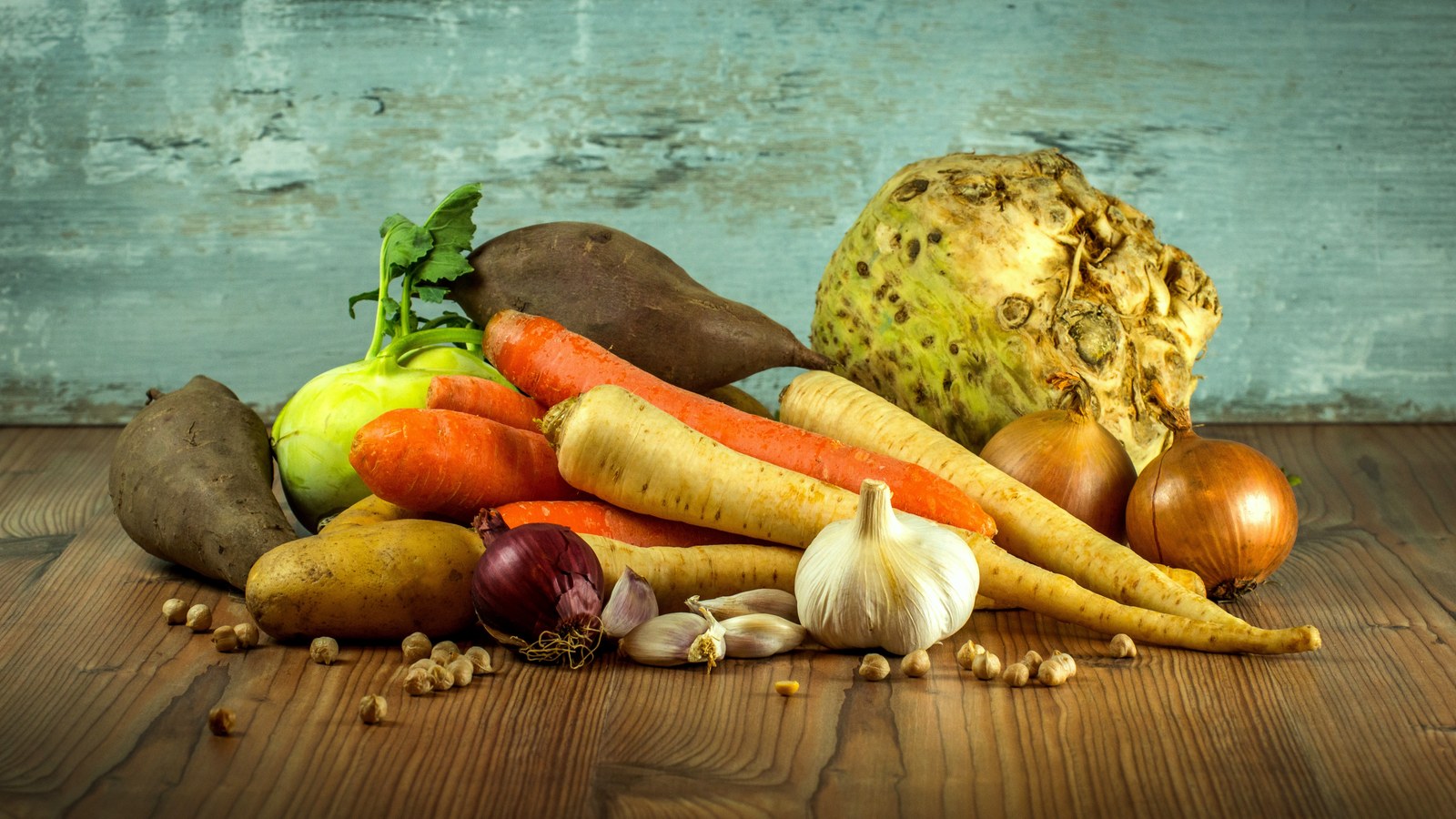
When planning meals, you can draw on a variety of grains you can eat, potatoes, legumes, vegetables, and fruit. Pair rice with protein foods and vegetables that suit your needs rather than making rice the entire meal. This broadens your options among foods whose ingredients and preparation conditions have been checked. If restrictions keep narrowing the range of foods you eat, show your food record to a dietitian and discuss alternatives.
For people diagnosed with celiac disease, the healthcare team can assess nutritional status in relation to damage to the small intestine. Any needed tests and supplements are determined by those findings and the individual's condition. You do not need to take every type of supplement just because you follow a gluten-free diet, or assume that a particular nutrient deficiency explains your fatigue. It is important to continue both dietary adjustments and medical care.
For people without a gluten-related condition, a gluten-free diet cannot be guaranteed to cause weight loss or improve overall health. What and how much you eat throughout the day matters more to nutritional assessment than the fact that you replaced one bread with another. If you have a medical reason to avoid gluten, prioritize meeting that requirement. If it is a personal preference, consider the product's nutrition and how your meals are put together.
When comparing nutrition information, check the amount it refers to as well. If one product lists values per slice and another per 100 g, the printed numbers cannot be compared directly. Compare equal amounts or consider how much you will actually eat. The same principle applies when assessing the nutrition of a gluten-free meal. Knowing that gluten has been excluded is different from knowing the nutrients you get from the meal.
Understanding Vegan and Gluten-Free Together
Vegan and gluten-free describe different requirements. Vegan meals exclude animal foods, including meat, fish, eggs, and dairy. Gluten-free refers to avoiding gluten from grains such as wheat, barley, and rye. A food labeled vegan can therefore contain wheat flour, while gluten-free bread can contain eggs or milk.
If you want both, check the labeling and ingredient list for each requirement. A bread made with rice flour and milk differs in its dietary suitability from one made with wheat flour and no animal ingredients. Rather than ranking one as a better food, check whether it fits your own dietary criteria.
Plant-based substitutes made with beans or nuts are not suitable for every food allergy simply because their ingredients come from plants. If you avoid gluten and also have other food allergies, there are more ingredients to check. Treat descriptions such as vegan, gluten-free, and made without nuts as separate requirements to verify, rather than combining them into a single assurance of safety.
Before grocery shopping, you can put your requirements into clear terms, such as "I avoid animal ingredients" or "Because I have celiac disease, I need to avoid gluten and cross-contact." Letting the people you eat with know what you need can reduce confusion when choosing a restaurant or preparing ingredients. A small reduction based on preference should not be recommended in place of the restrictions a medical condition requires. Nor does someone making a personal choice need to explain it in the same terms as a person with a diagnosis.
When preparing gluten-free food, look beyond choosing ingredients and think about the meal you want to enjoy. Check your health needs and the preparation conditions you require, then find flavors and combinations you like among the ingredients you can eat.
Mahina's gluten-free category is based on the dishes as described on the menu. Cross-contact can occur in the shared kitchen. If you need to avoid gluten because of celiac disease or have a food allergy such as wheat allergy, please let staff know your requirements before ordering and confirm what preparation arrangements are available.
If you would like to explore vegan and gluten-free options together, you can also look at the meals at Mahina Vegan Table. See Mahina Vegan Table's Gluten-Free Menu for meals described on the menu, including rice-based risotto and vegetable dishes. Looking at the ingredients and how each dish is put together can make it easier to choose dishes with your dining companions.