In this story
- What Vegan Means for Food and Everyday Life
- The Word Vegan, Coined in 1944
- Types of Vegetarian Diets and What Plant-Based Means
- Meals with Health and Cholesterol in Mind
- Checking Broths and Sauces
- Flavor and Texture from Familiar Ingredients
- Combining Foods for a Meal
- Choosing Foods That Provide Protein
- Why Vitamin B12 Needs a Separate Plan
- Keeping Track of Iron, Calcium, and Iodine
- Reading Product Labels and Allergy Information
- Gluten-Free Meals and Meals Without the Five Pungent Vegetables
- Sharing Meals at Home and When Dining Out
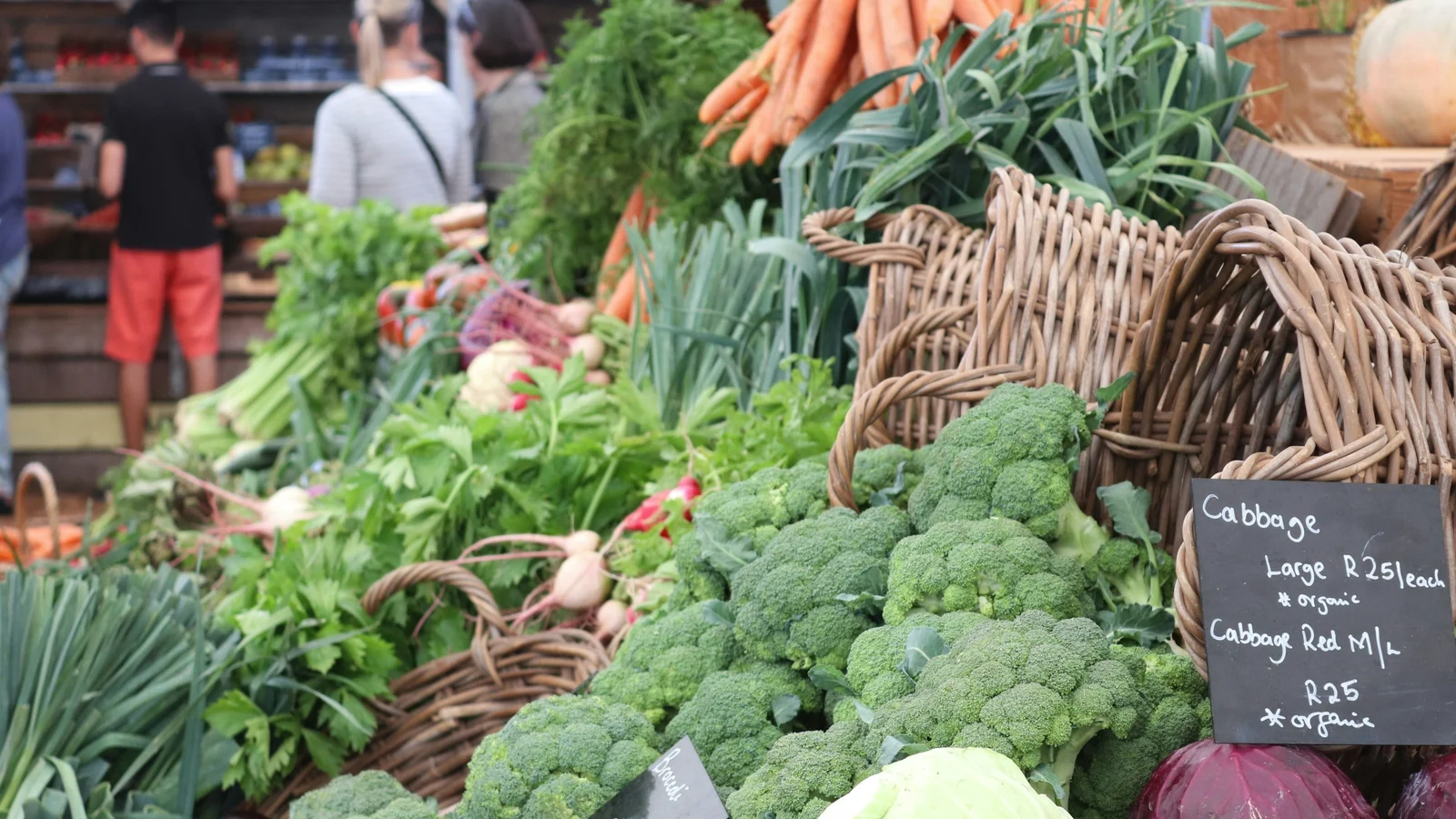
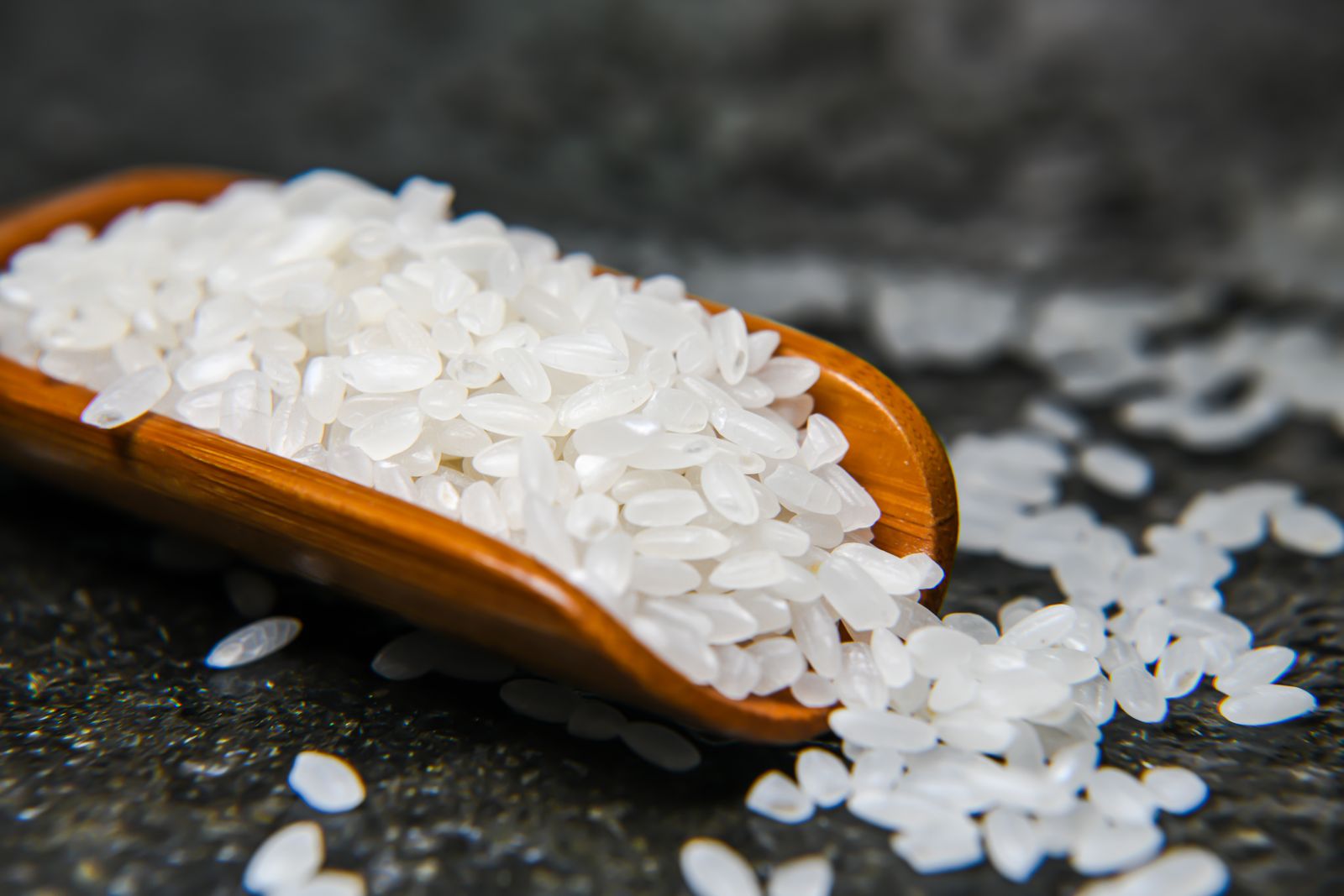
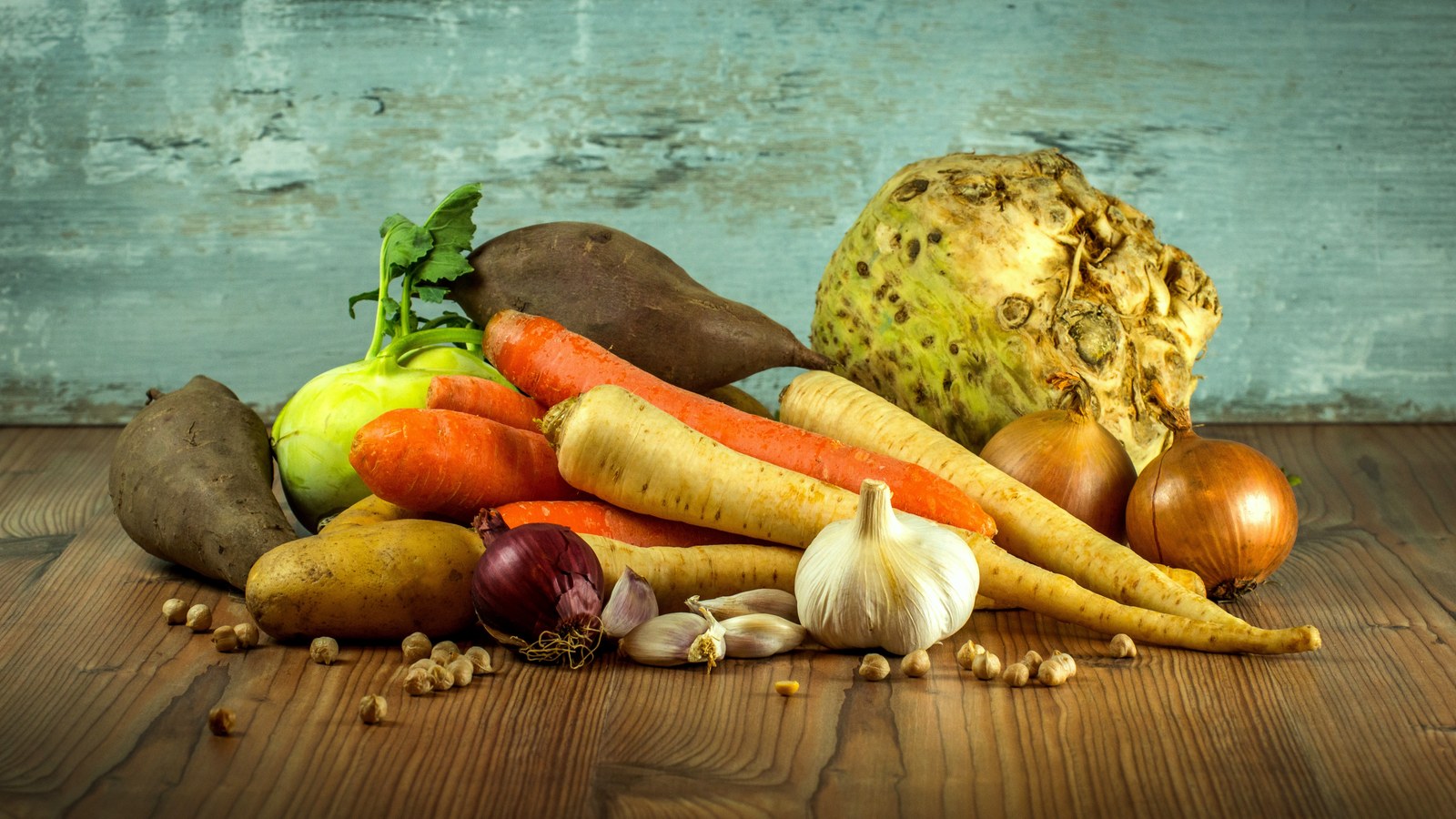
Rice, beans, tofu, vegetables, and fruit are familiar ingredients at a vegan table too. Vegan meals are built around these plant-based ingredients and exclude foods obtained from animals, including meat, fish, seafood, milk, eggs, and honey. When choosing ingredients, think about the flavors and textures of foods you enjoy. To get enough of the nutrients you need, consider both the variety of foods you eat and their amounts.
People become interested in vegan meals for different reasons. You may start thinking about how animals are treated, or want to change the way you eat to look after your health. You might also begin by trying a new dish with a friend. Whatever sparked your interest, understanding what vegan means and considering ingredients and nutrition can make it easier to prepare meals that fit your life.
What Vegan Means for Food and Everyday Life
As a way of life, veganism is based on avoiding the use of animals for food, clothing, and other purposes as far as practicable. It means considering how we treat animals and reflecting that concern in everyday choices. In food, this leads to the principle of excluding animal-derived foods. A meal with more vegetables and a vegan meal differ in the range of ingredients they include.
As you extend that interest to other parts of life, you may also look at animal-derived materials such as leather and fur, and whether products involve animal testing. When describing a meal, consider the ingredients used in the food; when discussing a lifestyle, consider everyday choices as well. You can begin by trying a vegan meal and then learn more about the aspects that interest you.
Vegan cooking offers a range of flavors and preparation methods. You can make familiar meals such as warm rice and soup, grilled tofu, or bean soup. Ingredients can be roasted, simmered, fermented, or blended into sauces. Choose what suits your taste: a salad when you feel like fresh vegetables, or a dish with beans and vegetables when you want something warm.
When choosing a meal, consider what the dietary label means along with what is in the food you will eat today. Trying a meal for the first time does not have to determine how you eat from then on. Taste dishes made with ingredients that suit you, and use combinations you like in your next meal.
The Word Vegan, Coined in 1944
The word vegan originated in Britain in 1944. Donald Watson and his colleagues were looking for a new name to describe the diet and lifestyle of vegetarians who did not consume dairy. In place of the longer phrase “non-dairy vegetarian” used at the time, they adopted vegan, joining the first three letters and the last two letters of vegetarian. In November of that same year, a group was formed to discuss this way of eating and living.
Over time, the definition developed to include reflection on the ways animals are used, alongside the exclusion of animal foods from meals. This is why veganism today is not limited to food. Practices and ideas about avoiding animal foods had already existed in various forms before the word was coined. The year 1944 marks the beginning of the modern name and organization, rather than the beginning of every vegetarian tradition.
Knowing the word's origins also helps explain why vegan and vegetarian are not interchangeable. Within the broad category of vegetarian diets, meals differed according to whether they included dairy and eggs, and vegan came to describe the exclusion of all animal foods. As a result, asking a restaurant, “Do you have vegetarian dishes?” calls for different checks than asking, “Do you have dishes that also exclude dairy, eggs, and honey?”
If the term is unfamiliar to someone you will be eating with, explain specifically which foods you can eat and which ingredients you need. Saying, “I'm looking for a dish made with plant-based ingredients, including the broth and sauce,” helps the person preparing the food know what to check. Once you have explained the dietary term, talking about the food itself makes it easier to find dishes you can choose together.
Types of Vegetarian Diets and What Plant-Based Means
Vegetarian diets fall into several categories depending on whether they include foods such as dairy and eggs. Lacto-ovo vegetarian diets exclude meat, fish, and seafood but include dairy and eggs. Lacto-vegetarian diets include dairy and exclude eggs, while ovo-vegetarian diets include eggs and exclude dairy. Vegan meals use no animal foods, including honey. When preparing a meal together, check specific ingredients, such as whether cheese or eggs can be included.
Other terms include pescatarian diets, which include fish and seafood, and flexitarian diets, in which people frequently choose plant-based foods while reducing how much and how often they eat meat. These names can help when discussing meals. People may use them differently, so when preparing food, confirm both the desired meal and the ingredients to avoid. For a shared dish, include sauces and garnishes in that conversation.
The term “plant-based” can mean different things depending on the context. It may refer to foods made entirely from ingredients derived from plants, or to a way of eating centered on plant foods that still includes some animal foods. Using a plant-based patty does not automatically mean the bun and sauce also exclude animal-derived ingredients. For a dish or product, check the full ingredient composition.
For a burger, for example, you can check the patty, bun, sauce, and toppings separately. Even if the patty is made from beans, the bun may contain milk or eggs, and the sauce may include regular mayonnaise or cheese. The absence of a vegan label on familiar foods such as cooked rice or boiled beans does not make them animal foods. Get into the habit of checking both the labeling and the actual ingredients.
You can apply the same principle when changing your meals at home. If you would like to eat plant-based foods more often, look at the ingredients in familiar side dishes. To prepare a vegan meal, exclude animal-derived ingredients from seasonings and broth as well. Distinguishing between these goals helps you see how much you need to change. Talking about the ingredients going into today's meal is more practical than assigning a label to someone's way of eating.
Meals with Health and Cholesterol in Mind
Plant-based meals are also an option if you want to change the way you eat for your health or reduce the cholesterol you consume in food. Dietary cholesterol is found in animal foods such as meat and dairy products. Vegan meals exclude these foods, removing sources of dietary cholesterol. You can try building meals around beans, tofu, grains, and vegetables.
The cholesterol in food and the cholesterol levels measured in a blood test need to be distinguished. Cholesterol is needed to make cells and hormones, and the body also produces the cholesterol it needs. Blood cholesterol levels are affected by genetics and health conditions as well as diet and lifestyle. Avoiding animal foods alone therefore does not let you predict how your test results will change.
When managing blood cholesterol, consider the types of fat you eat as well as dietary cholesterol. A high intake of saturated fat can raise LDL cholesterol. Plant-derived oils such as coconut oil and palm oil are also high in saturated fat, so read the nutrition information when choosing vegan products. Meals that provide soluble fiber from foods such as beans, oats, and fruit may also help with LDL management.
If you have started by changing a single food, think about how to combine grains, protein foods, and vegetables too. With vegan snacks and desserts, as with everyday meals, consider both their nutritional content and the amount you eat. If you are managing your cholesterol levels, discuss your test results and any needed dietary changes with your healthcare team. If you are receiving treatment, let them know about changes to your diet as well.
Checking Broths and Sauces
After checking the main ingredients in a dish, check the broth and seasonings as well. Vegetable soup may be made with animal-based stock, a stir-fry may contain fish sauce, and salad dressing may include dairy. For a vegan meal, ask whether the broth, sauces, cooking fats, and garnishes are all prepared with plant-based ingredients. For packaged products, read the ingredient list. Whey and casein are components derived from milk and may be used in protein bars, powders, and processed foods. Dairy products with the lactose removed are still made from milk, so “lactose-free” and “vegan” mean different things.
Gelatin is generally made from animal skin, bones, and connective tissue. It helps gummy candies and desserts set, and appearance alone does not reveal whether an animal-derived ingredient was used. When choosing vegan foods, you can check whether they use agar or another plant-derived ingredient. Honey is also excluded from vegan meals because it is produced by bees. For dishes that need sweetness, choose another ingredient suited to its purpose and your taste.
Even drinks such as wine and beer, whose main ingredients come from plants, have aspects of production to check. Some producers clarify the liquid with ingredients such as gelatin, fish-derived isinglass, egg whites, or casein. Not all wines and beers are made this way, so check the producer's information on whether they are suitable for vegans. Knowing that a drink is made from grapes or grains does not tell you everything about its production process. When shopping for food, start with products you eat often rather than trying to memorize every ingredient name. Choose items you can check once and use again in future meals, such as breakfast cereal, the drink you have with it, or a sauce you use regularly. If an ingredient is unfamiliar or you are unsure whether it is animal-derived, you can ask the manufacturer whether that ingredient and the product are suitable for vegans. Do not assume that similar products have the same formulation.
Flavor and Texture from Familiar Ingredients
When thinking about vegan cooking, consider the flavor and texture you want in each bite as well as what you might use in place of meat. You might build a meal around soft tofu, combine beans and vegetables for more bite, or pair roasted ingredients with a sauce that adds moisture. Each choice gives the meal a different feel. Even with the same plant-based ingredients, you can make a different dish by changing the size of the pieces, how you cook them, and what you serve alongside them. The combinations below are meal suggestions to try at home.
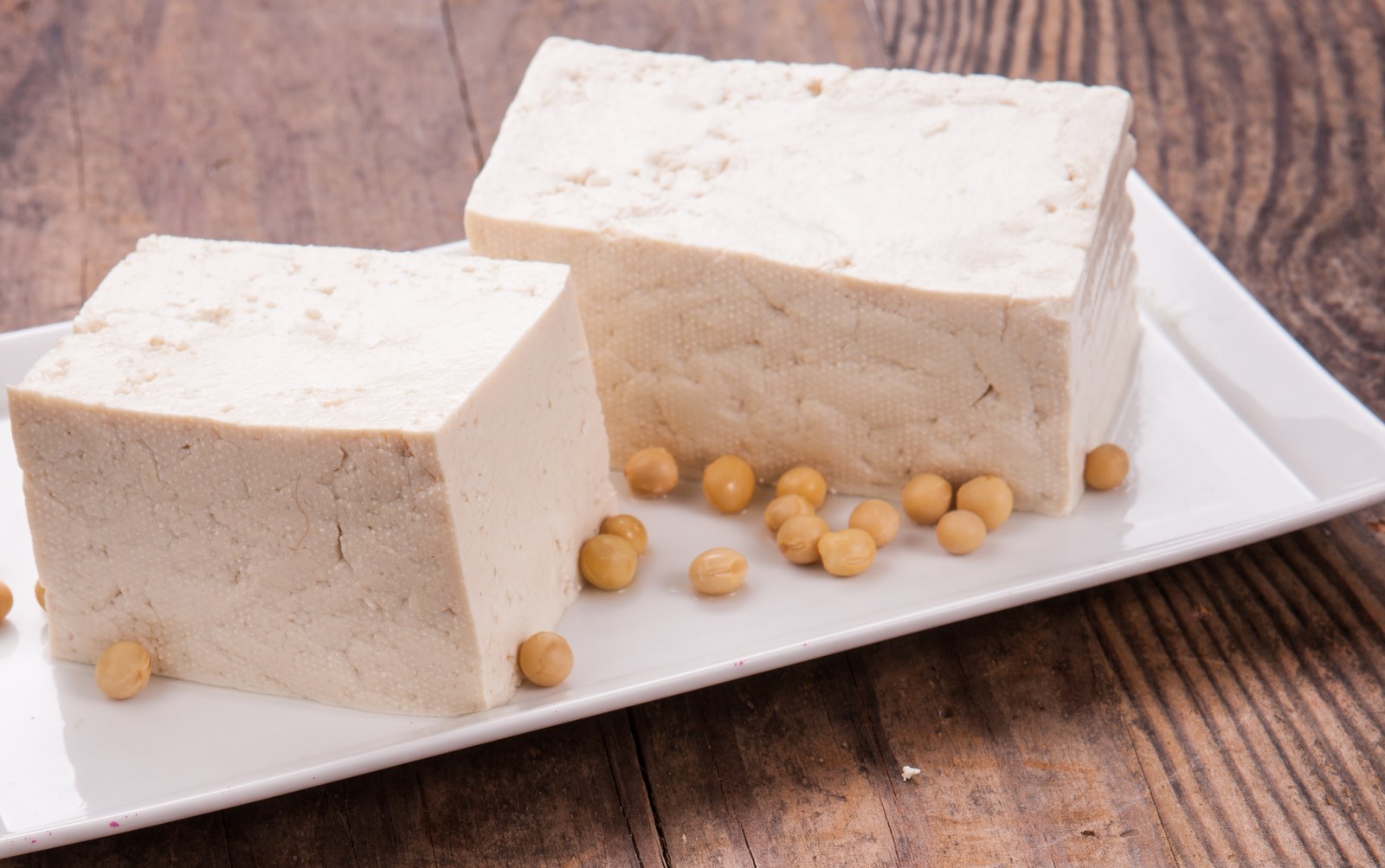
You can slice tofu and serve it with seasonings, or grill it and serve it with rice. Smooth, soft tofu works well for a meal with sauces and vegetables served separately. If you choose firm tofu, try cutting it into large pieces, grilling it, and serving it with finely chopped tomatoes or cucumbers. Once you have chosen tofu with the texture you want, add salty and tangy seasonings a little at a time to find what you like.
There are many ways to use beans and other legumes. Mix cooked chickpeas with vegetables and dressing, or simmer lentils with tomatoes and serve them with rice. If preparing beans from scratch feels like too much work, you can use canned products after checking their ingredients and seasonings. Thinking of beans as part of a meal alongside rice or noodles, rather than only as a special substitute food, makes them easier to incorporate into your usual meals.
Vegetables such as mushrooms, eggplant, and carrots can bring different shapes and textures to a dish. Try combining large pieces with finely chopped ingredients, or serving cooked vegetables with fresh leafy greens. Add herbs, lemon juice, and plant-based oils a little at a time to suit your taste. Rather than expecting a particular vegetable to taste exactly like meat, consider how you find it easiest to eat.
If you need a sauce, you can try combinations made with nuts, seeds, or beans. People without relevant allergies can finely grind sesame seeds or nuts, mix them with water and seasonings, and adjust the consistency as desired. If you need to avoid nuts, tofu or soybeans may be options, but if you also have a soy allergy, you will need a different combination. Each time you change an ingredient, check both whether the dish is vegan and whether it contains any foods the person eating it needs to avoid.
For a tofu rice bowl, try placing large pieces of tofu over the rice, with finely chopped cucumbers and tomatoes alongside. This gives you a combination of soft tofu and crisp vegetables. Serving the dressing separately lets you taste the tofu first, then try it with the vegetables and sauce. You can vary the bowl by adding beans or choosing different vegetables. It is a way to build a dish around textures you like without having to seek out special ingredients from the start.
Combining Foods for a Meal
Use a variety of foods when preparing vegan meals, including grains or potatoes, protein sources such as beans and tofu, and vegetables and fruit. Foods fortified with needed nutrients, such as calcium, and appropriate supplements can also be part of your meal planning. Consider what you eat and how much, rather than judging a meal's nutrition by the word “salad” or the colors of its vegetables. With plant foods too, the composition and quantities make a difference to the meal.
For breakfast, try pairing grains with a fortified plant-based drink. For example, add a drink that suits your dietary needs to oatmeal and serve it with fruit and nuts or seeds. Protein and added nutrient levels vary by product, so check the label as well as the name of the drink. If you eat bread, another option is to check its ingredients and serve it with a mashed-bean spread and vegetables.
For lunch, you can combine rice, tofu or beans, and vegetables in a bowl. Prepare the ingredients separately, then place grilled tofu and cooked vegetables over rice and add as much seasoning as you need. Adjust the amount you eat to your activity level and appetite. Rather than automatically cutting out rice or noodles, consider what you eat over the day and plan meals that do not rely on just one ingredient.
For dinner, you could serve rice with a dish of tomatoes and beans simmered together, or have grains alongside a soup made with vegetables and tofu. Check that the soup base and seasonings are plant-based too. When making noodles or pasta, check the ingredients in the noodles, then serve them with legumes and vegetables. Vegan noodles and sauce alone do not mean a meal provides enough of every nutrient.
For busy days, it can help to decide on a few combinations in advance. Write down grains you eat often, protein foods that are easy to prepare, and vegetables you like, then mix and match them. Even if you eat the same tofu side dish for two days, you can change the grains and vegetables served with it. Building a list around ingredients you can realistically buy, store, and eat, rather than creating an overly detailed meal plan, makes it easier to keep preparing meals.
Snacks and drinks are part of what you eat over the day too. Vegan snacks and desserts can contain sugars, fat, and salt, so a vegan label does not replace a nutritional assessment. Enjoying a favorite snack and planning varied meals can both be part of how you eat. Rather than making a dish you enjoyed at a restaurant your everyday diet, look at the foods you choose often, including meals and drinks at home.
Choosing Foods That Provide Protein
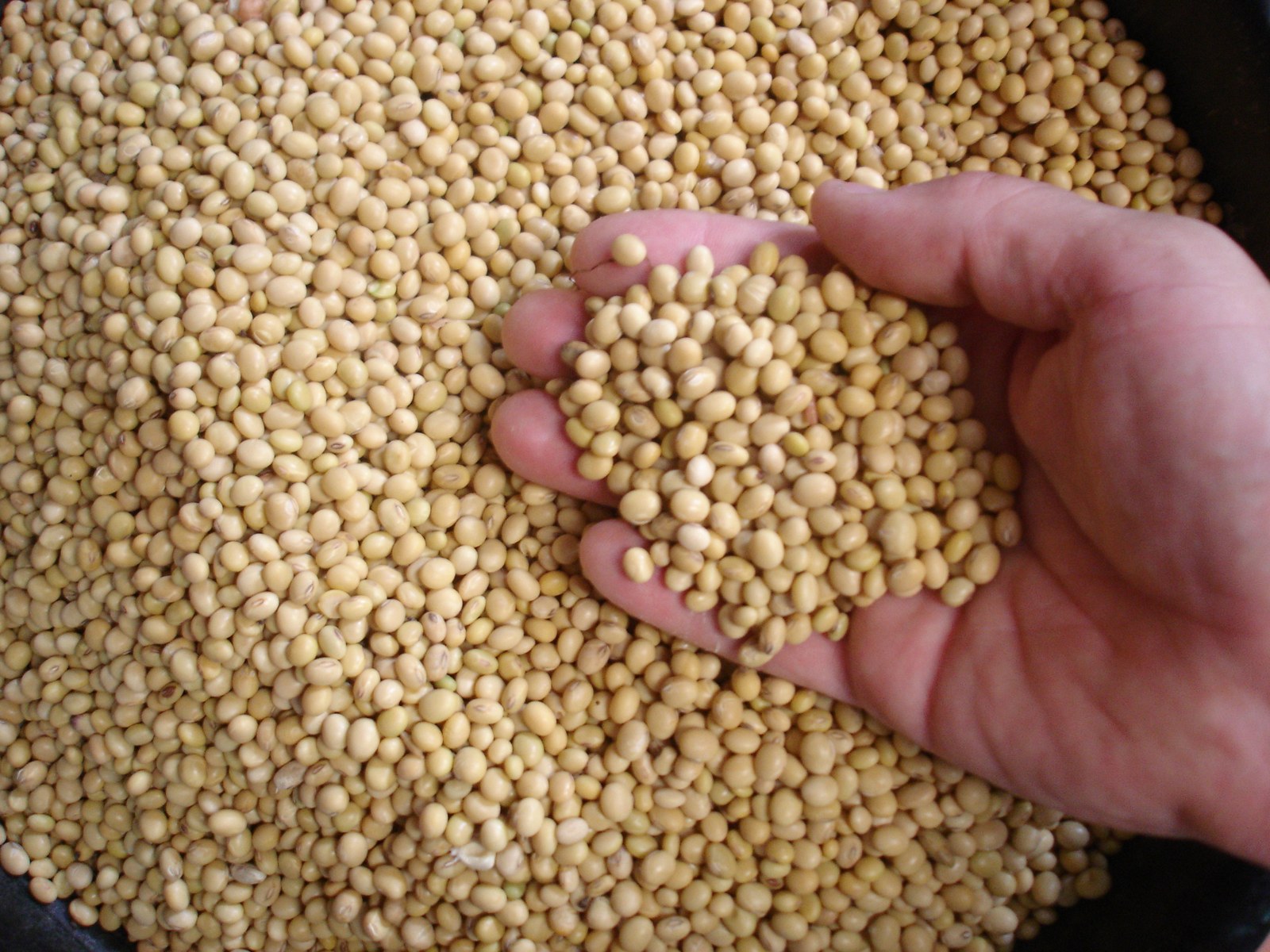
Beans, lentils, chickpeas, tofu, tempeh, nuts, and seeds are sources of plant protein. To get protein while eating plant-based meals, include these foods in what you actually eat. Thinking of this way of eating as vegetables alone can mean overlooking important ingredients. Start by identifying the protein sources in your meals, then consider the amounts you eat and what you eat over the whole day.
It is also important not to guess a food's protein content from its appearance or name. Plant-based patties and meat alternatives vary in nutritional composition according to their ingredients and formulation. You cannot assume that mushrooms roasted in large pieces provide the same nutrition as tofu, and plant-based drinks do not all contain the same amount of protein. Check the nutrition information on processed foods, and include other familiar foods such as beans and tofu as well.
When preparing food at home, choose your rice or noodles, then think about the protein foods to serve with them. You could pair rice mixed with beans with a tofu side dish, or use a lentil sauce for pasta and serve vegetables alongside it. You do not need to rely on one food for every part of the meal. Choose the main part of your meal, then add other ingredients to find combinations that work for you.
The amount of food you need varies with your activity level, health, and age. If you cannot eat enough or need to restrict many foods because of a health condition, you can review your diet with a professional. Check the ingredients in protein powders and supplements too; a product's vegan status does not determine how much you need. Reviewing these products together with the meals you usually eat gives you a more accurate picture.
Why Vitamin B12 Needs a Separate Plan
Vitamin B12 is needed for the health of your blood and nerve cells. Unfortified plant foods are not reliable sources of B12. To continue eating vegan, plan for a dependable intake of B12 from fortified foods or supplements. Eating a variety of beans and vegetables is important, but that alone does not mean you have covered your B12 needs.
Fortified foods are products with needed nutrients added. B12 may be added to some cereals, plant-based drinks, and nutritional yeast. Not every product in these categories contains it, so check the amount of B12 listed on the package. Do not assume a food provides enough B12 simply because it is called nutritional yeast or is fermented. Checking the specific product lets you use it in your meal plan.
A routine intake plan is different from treatment for a deficiency. When considering a supplement, check the amount it contains and the directions for use, alongside your health conditions and any medications you take. Needs can vary with age, life stage, and absorption, so one dose does not apply to everyone. If you have already been diagnosed with a deficiency or have symptoms, seek an evaluation from a healthcare professional rather than trying to resolve it through food choices alone.
Your plan should be easy to remember and keep track of in daily life. Save the labels of fortified foods you eat often, or keep the supplementation plan you developed with a professional alongside your meal records. When buying a new product, do not assume it contains the same amounts as the one you used before. To sustain a change in how you eat, it helps to plan both the foods you leave out and the nutrients you need to obtain consistently.
Keeping Track of Iron, Calcium, and Iodine
The iron in plant foods is mainly non-heme iron, and how much your body absorbs is affected by the food itself and what you eat with it. You can include legumes, iron-fortified foods, and some nuts in your meals. Eating vegetables and fruit that contain vitamin C alongside them helps your body absorb plant iron. Think about combinations using familiar ingredients, such as serving tomatoes or broccoli with a meal that includes beans.
If you are concerned about anemia or low iron, do not decide on the cause from feeling tired alone or increase iron supplements on your own. The amount you need and whether you have a deficiency depend on factors such as age, menstruation, pregnancy, and health. Too much iron can also be harmful, so an assessment by a healthcare professional, including testing, is advisable. Tell them about your usual meals and any supplements you already take to help them assess your actual intake.
When you do not consume milk or dairy products, plan for other calcium sources. Options include calcium-fortified plant-based drinks, tofu made with calcium-based coagulants, and some leafy vegetables. The names “plant-based drink” and “tofu” alone do not tell you how much calcium a product contains, so check its label. Calcium is needed for muscle and nerve function as well as bones, and vitamin D plays a role in calcium absorption. Look for sources among the foods you eat often.
Iodine is needed to make thyroid hormones. If you exclude animal foods, check where you usually obtain iodine. Seaweed contains iodine, but the amount can vary greatly by type and product. Rather than trying to meet your needs by eating large amounts of seaweed such as kelp, review your overall diet and the labels on products with added iodine. Excessive iodine intake can also cause thyroid problems.
Nutrients have different sources and require different approaches, so do not try to address every need with a single food. Work through the calcium and B12 information on drinks you have often, how frequently you eat legumes, and the composition of your supplements. Seek advice suited to the relevant life stage if you are pregnant or breastfeeding, preparing meals for growing children, or avoiding multiple foods because of a health condition. Meal examples for the average adult may not apply directly in these situations.
Reading Product Labels and Allergy Information
Vegan labels, nutrition information, and allergen labels each tell you something different. A vegan label helps you check whether animal-derived ingredients were used, while nutrition information shows amounts of calories, protein, sugars, fat, sodium, and other nutrients. In the allergy information, check for ingredients you avoid and notices about cross-contact. A single word on the front of the package should not replace all three checks. When comparing products, also read what quantity the listed values refer to. Check whether the nutrition information is for the whole package, a specified weight, or one serving. Comparing the numbers on small and large packages without accounting for this can obscure how much you will actually eat. For plant-based drinks, look at the protein and added nutrients in the amount you drink, and choose a product based on the quantity you use in meals and snacks.
For vegan certification, you can also look at each certifying organization's standards and scope of checks. Some standards cover manufacturing, ingredient development, animal testing, and procedures to reduce cross-contact, as well as animal-derived ingredients in the product. A certification mark should not be interpreted as a guarantee that a product contains no allergens. If you have an allergy, check the ingredients, warning statements, and any preparation conditions you need, separately from the certification.
Vegan foods can contain plant-derived allergens such as soy, wheat, nuts, and sesame. Even when animal-derived ingredients are not intentionally used, contact with milk, eggs, or other foods may occur during manufacturing or preparation. A vegan label and a label stating that a particular allergenic food is excluded provide different information. If you are avoiding a food because of an allergy, prioritize the safety checks your condition requires.
Even for products you eat often, check the ingredients and warning statements again when you buy them. If you switch products, review the details you normally check as well as the vegan label on the front. Ask the manufacturer or food provider specific questions about unfamiliar ingredients or preparation conditions. If the answer is unclear, do not judge safety by appearance or by having eaten the food before. Look for another option whose necessary conditions you can confirm.
If you want to cook with a plant-based drink you have just bought, try it in a simple breakfast before adding it to several dishes at once. Add an unsweetened version to grains and serve it with fruit, or add a little to a favorite beverage to see whether you like the taste. Even with the same type of plant-based drink, people may respond differently to its flavor when it is paired with other ingredients in a meal. Taste is a separate consideration from nutrition information. Finding a product you enjoy drinking can also make it easier to plan how to include a drink fortified with the nutrients you need in your meals.
Gluten-Free Meals and Meals Without the Five Pungent Vegetables
Vegan and gluten-free refer to different requirements. Vegan meals exclude animal-derived ingredients, while gluten-free foods follow standards related to gluten found in grains such as wheat, barley, and rye. Pasta made from wheat flour and water can contain only plant-based ingredients and still contain gluten. Conversely, a rice-based food may not be suitable for a vegan diet if it contains milk or eggs. If you need both conditions, check each one separately.
Check plant-based meat alternatives product by product as well. Some contain wheat gluten, so a plant-based description does not mean gluten-free. To meet both vegan and gluten-free requirements, check the main ingredients, seasonings, sauces, and possible cross-contact during manufacturing and preparation. If you need to avoid gluten for a medical reason, tell the food provider why and discuss the level of precautions you need with your healthcare team.
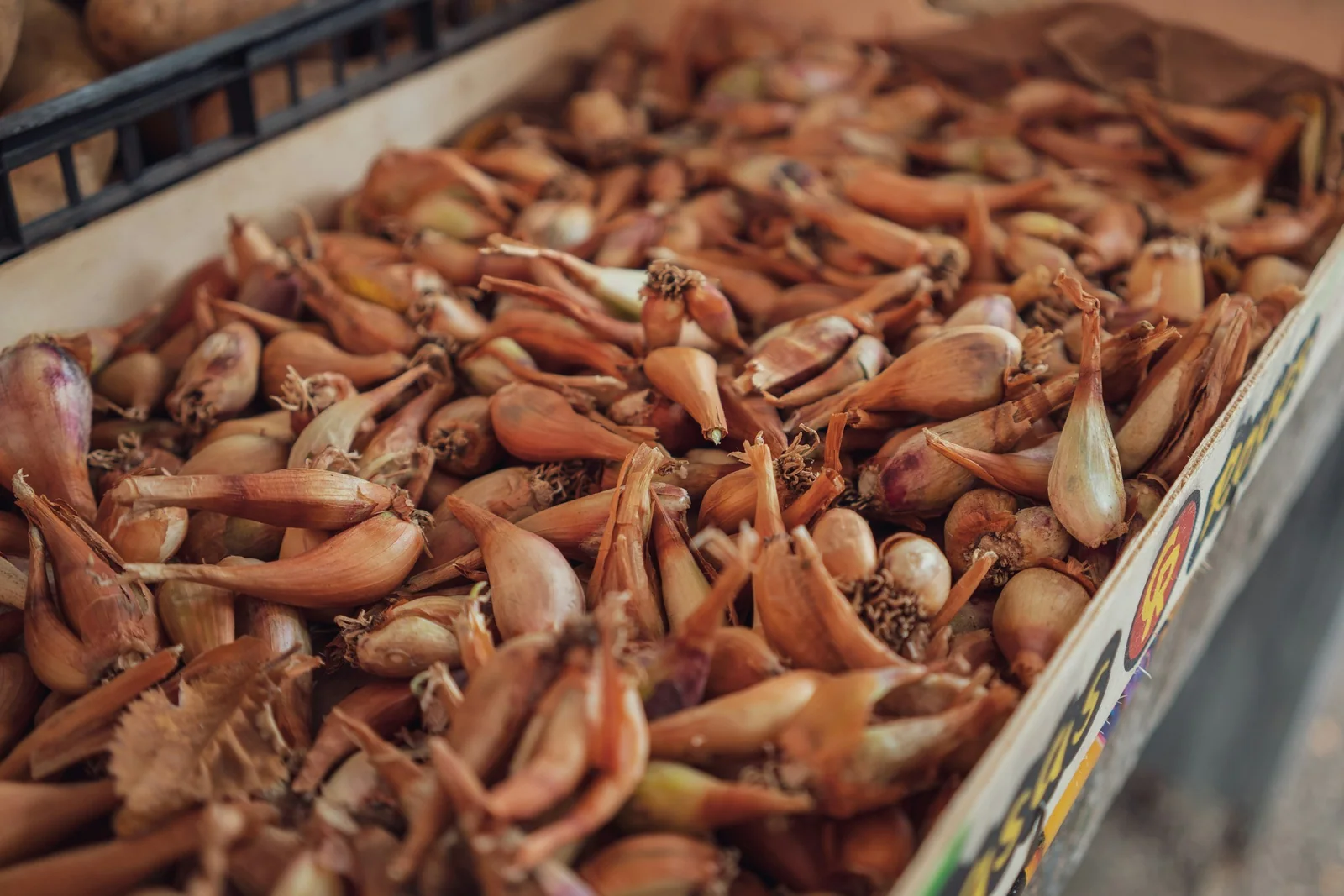
Avoiding the five pungent vegetables is a separate dietary requirement that excludes certain plant ingredients, including scallions and garlic. Vegan food can include garlic and onions, and a description of a meal as free from the five pungent vegetables does not tell you whether dairy and eggs have also been excluded. The ingredients avoided can vary with the region and dietary tradition, so give the specific names of the foods you avoid. If you want a meal that is both vegan and free from the five pungent vegetables, state both requirements.
Requirements such as nut-free also need to be checked separately. A vegan dish made without nuts can still contain other ingredients, such as soy or wheat. If you have several dietary requirements, explain which ingredients must be excluded and whether cross-contact precautions are needed, rather than simply saying there are many foods you cannot eat. The person preparing the food can use that information to confirm which dishes and preparation conditions are actually possible.
Sharing Meals at Home and When Dining Out
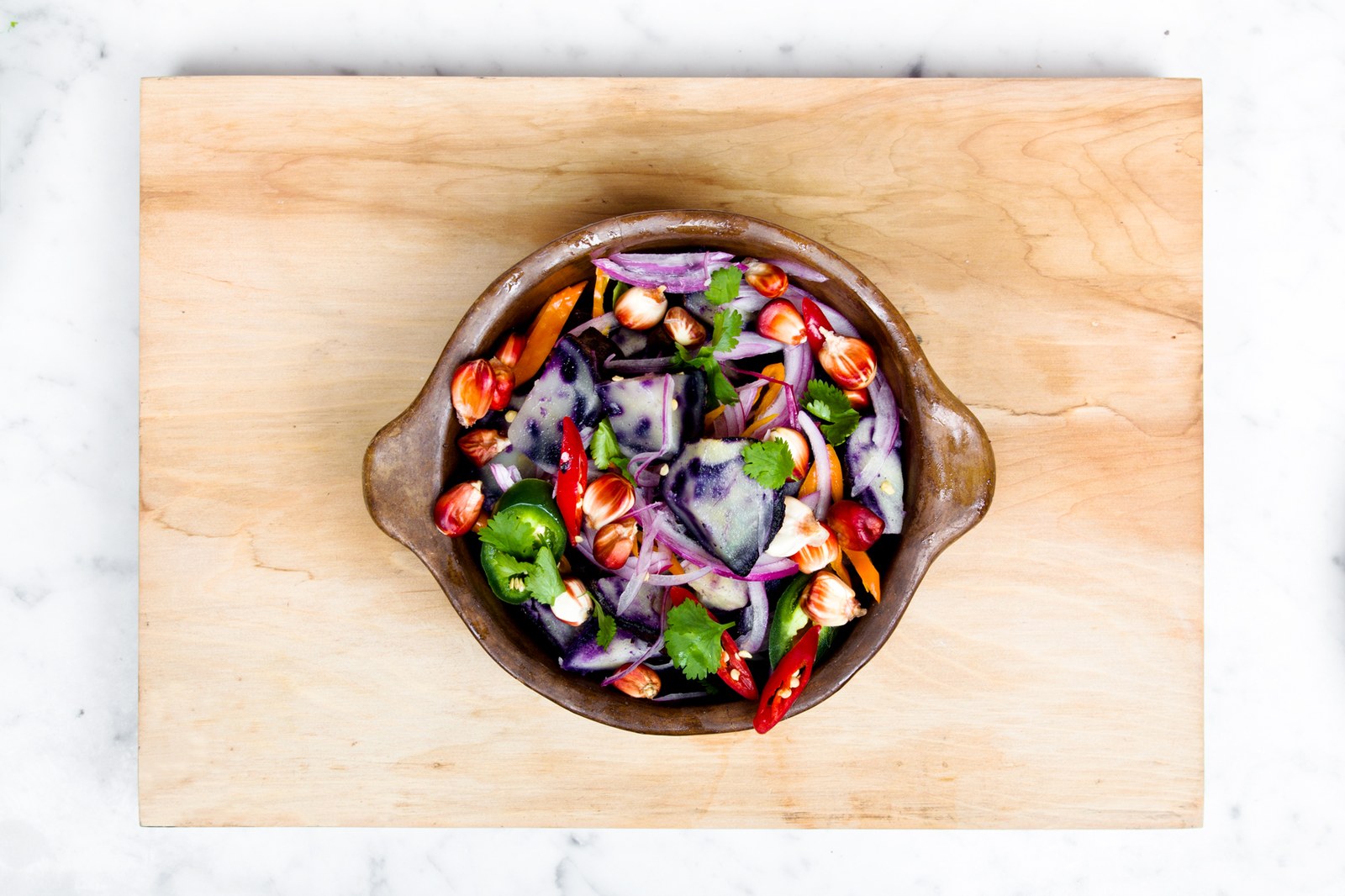
If you would like to start making vegan meals at home, choose a dish you prepare often and write down all its ingredients. When making rice and a tofu side dish, check the seasonings served with the tofu; when making soup, check the stock too. Keep ingredients that are already plant-based and change only what needs changing. Writing down the new products you need before shopping can help you avoid the confusion of buying several similar sauces or drinks.
You can organize your shopping list into grains, beans or tofu, vegetables and fruit, and any fortified foods you need. Connect the ingredients in your refrigerator with the meals you plan to eat this week, and decide on combinations for days when you have little time to cook. Being interested in vegan meals does not mean you need to buy every special product. Using familiar ingredients, you can gradually add meals that suit your taste and everyday life.
At a restaurant, briefly explain the ingredients you avoid before ordering. You might say, “I would like a dish without meat, fish, animal-based stock, dairy, eggs, or honey.” If the menu name does not make the ingredients clear, ask about sauces, garnishes, and cooking fats too. Asking ahead when making a reservation or planning a group meal gives you time to choose dishes that can actually be prepared.
If you have an allergy, explain it separately from your vegan request. The person providing the food needs to know whether “I don't consume milk” expresses a dietary principle or means you have a milk allergy and need to avoid cross-contact as well. Ask specific questions about shared pans, utensils, work surfaces, and any other conditions relevant to your needs, and confirm what can actually be done. Do not assume that a menu's dietary classification guarantees separate preparation or prevention of cross-contact.
When sharing food with friends, discuss the meal before you sit down to eat. Tell the person preparing it which ingredients you avoid, and suggest one or two rice, vegetable, or bean dishes that everyone in the group can eat. If needed, discuss whether sauces and garnishes can be served separately. Having the conversation during preparation, rather than picking ingredients out of food that is already on the table, can reduce what you need to check with one another.
For a friend trying a vegan meal for the first time, explain its ingredients and how to eat it. Be specific about whether it is a tomato dish with beans or rice served with tofu and vegetables. Trying a meal and deciding how to eat in the future can be separate experiences. Talking at the table about which dishes tasted good and which textures you enjoyed can also help you choose what to eat together next time.
When you find a meal you like, remember the ingredients and combinations so you can use them in your next meal. Check the ingredients and nutritional content of foods you eat often, and plan a consistent supply of essential nutrients such as B12. Start with familiar foods and find meals that suit your tastes and everyday life.
If you would like to try plant-based dishes while dining out, a meal at Mahina Vegan Table is also an option. Browse Mahina Vegan Table's Menu to see how familiar dishes such as pasta, burgers, and pizza are prepared with plant-based ingredients. You can choose dishes with your dining companions and see which flavors you enjoy.