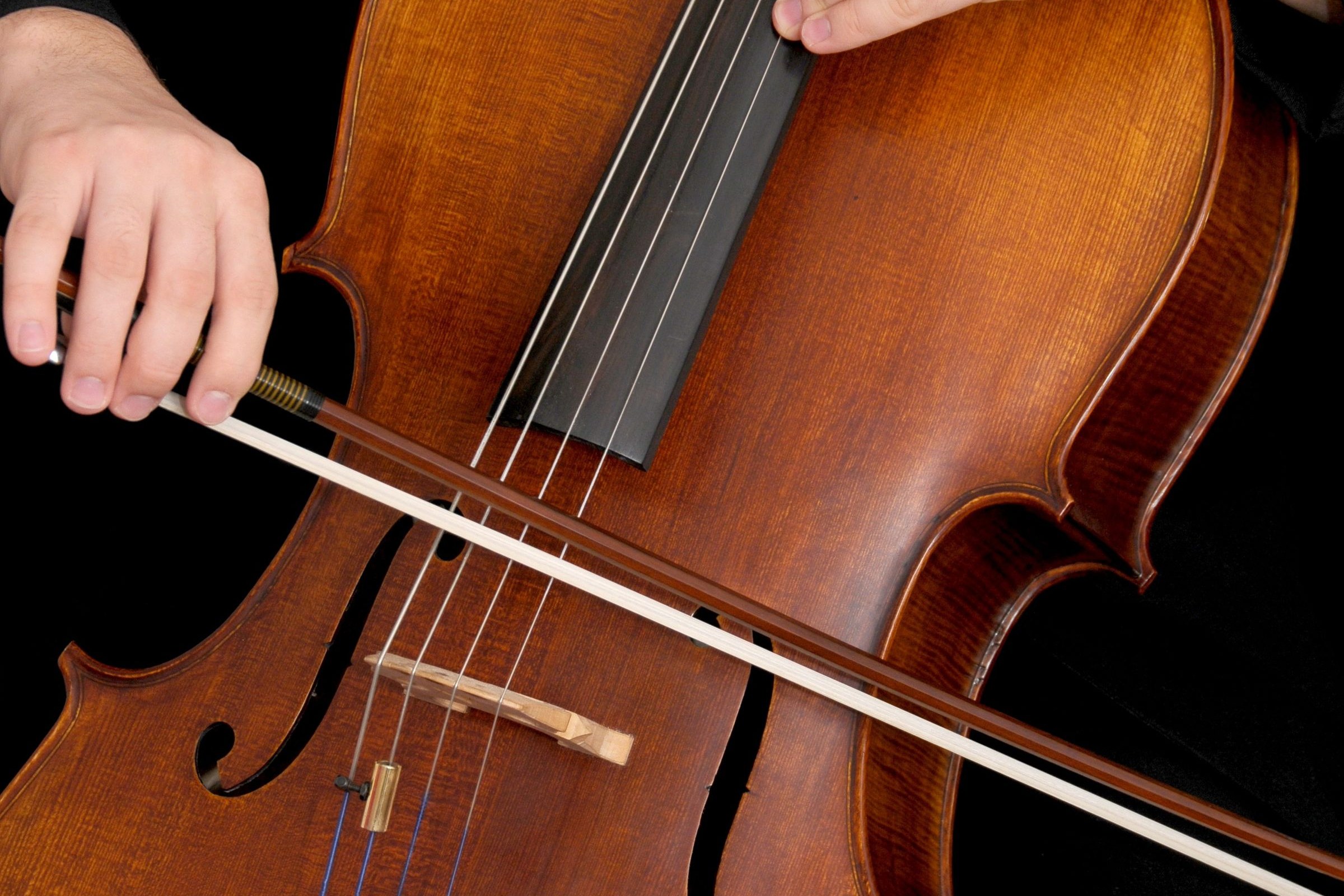
How did a recording by a twenty-year-old cellist make the work and performer so closely associated in listeners' minds? Follow it by ear, from the opening four chords to the final recollection.
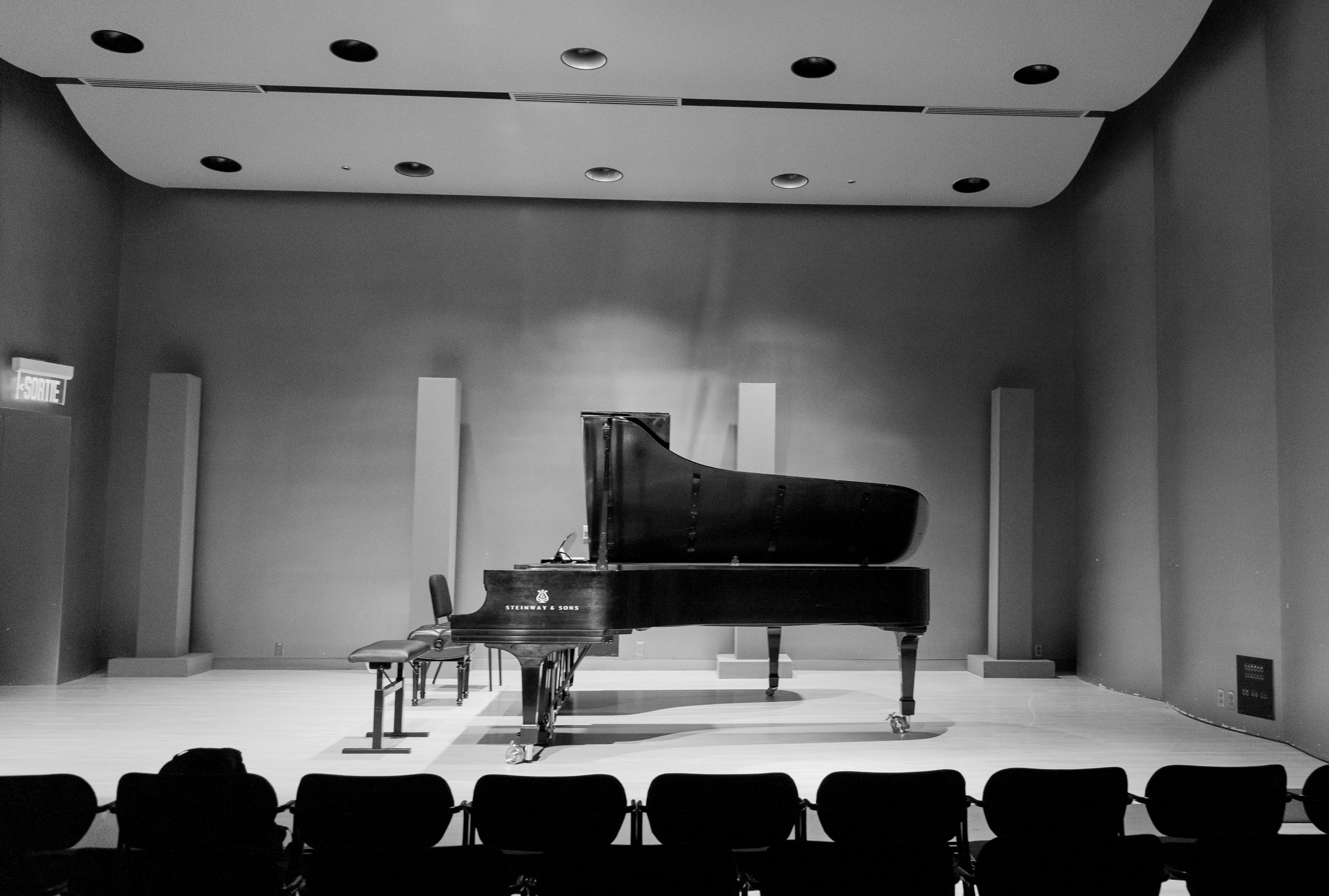
There is no water or light inside a piano, so why can this music suggest a trembling surface? Follow its small three-note motif and the figures that spread around it.
How do the beats of a slow sarabande and the spaces between its chords remain connected? Listen in turn to three voices and their resonance in Michelangeli's recording.
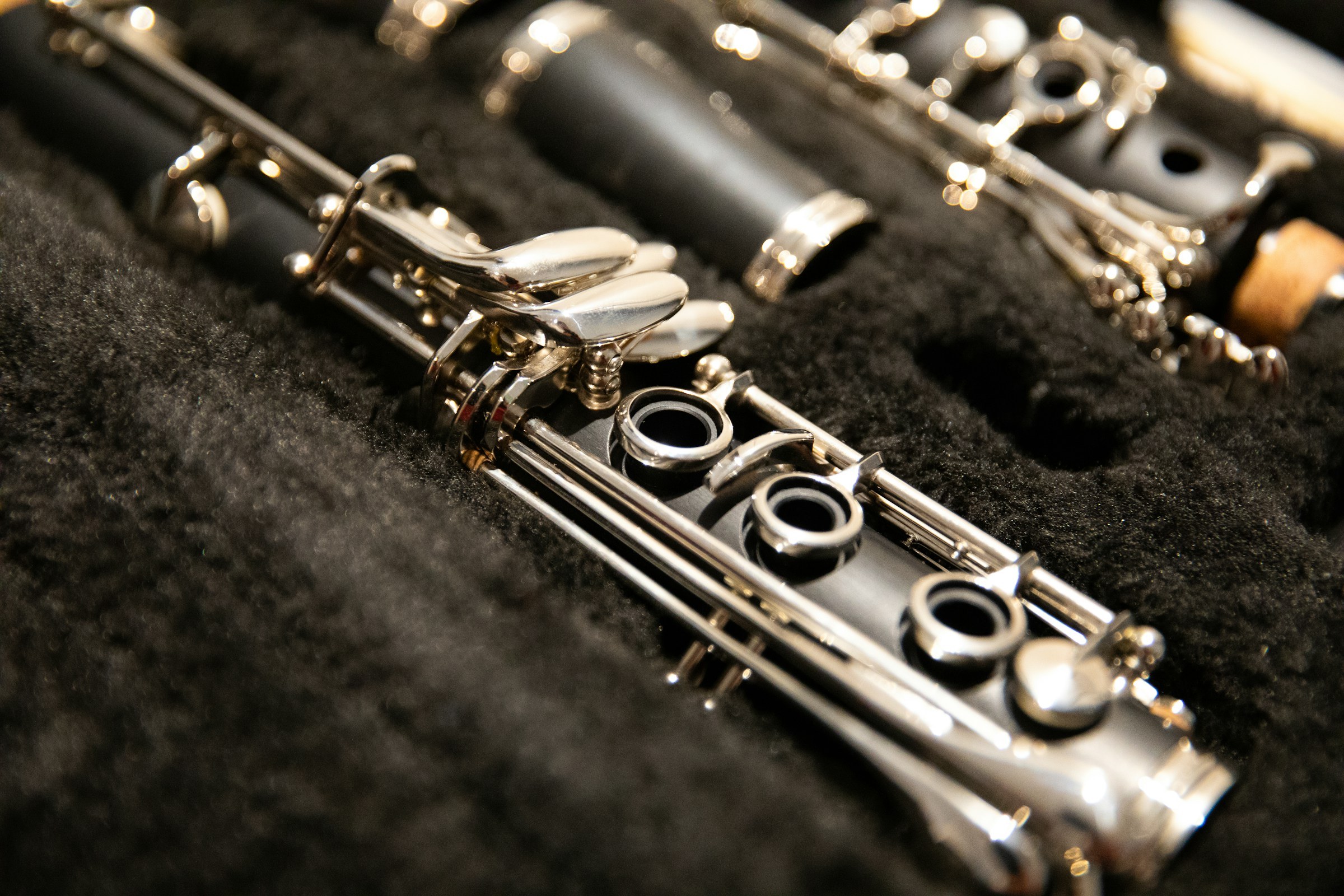
How does an instrument that descends below the familiar clarinet change Mozart's melodies? Hear the difference between the reconstructed basset-clarinet version and the traditional clarinet version.
How can a piano sing without words? Follow the breath of the right-hand melody and the flow sustained by the left hand and orchestra through the Larghetto.
Clair de lune is so familiar that it can be easy to let it pass by. Hear it again through three scenes: the quiet opening, the widening wave and the returning resonance.
The left hand repeats almost the same steps, yet the music does not seem to stand still. Follow the bass and harmony as they change within the repetition.
The famous melody may suggest a Nordic forest, yet its original stage setting is Africa. Listen together to the image created by the title, the scene in the drama and the instruments' exchange.
Neither the G string nor a solo violin appears in the original title. Listen to the ensemble's interwoven lines and the continuously moving bass, and this familiar music opens in a new way.
Even the clarinet melody that seems to continue without end must breathe. Follow the close of each phrase and the orchestra's response, and feel the phrasing through your own breath.
The same note sounds throughout, yet at one moment it is calm and at another unsettling. Listen to how its emotional character is changed less by the note itself than by the harmony and register around it.
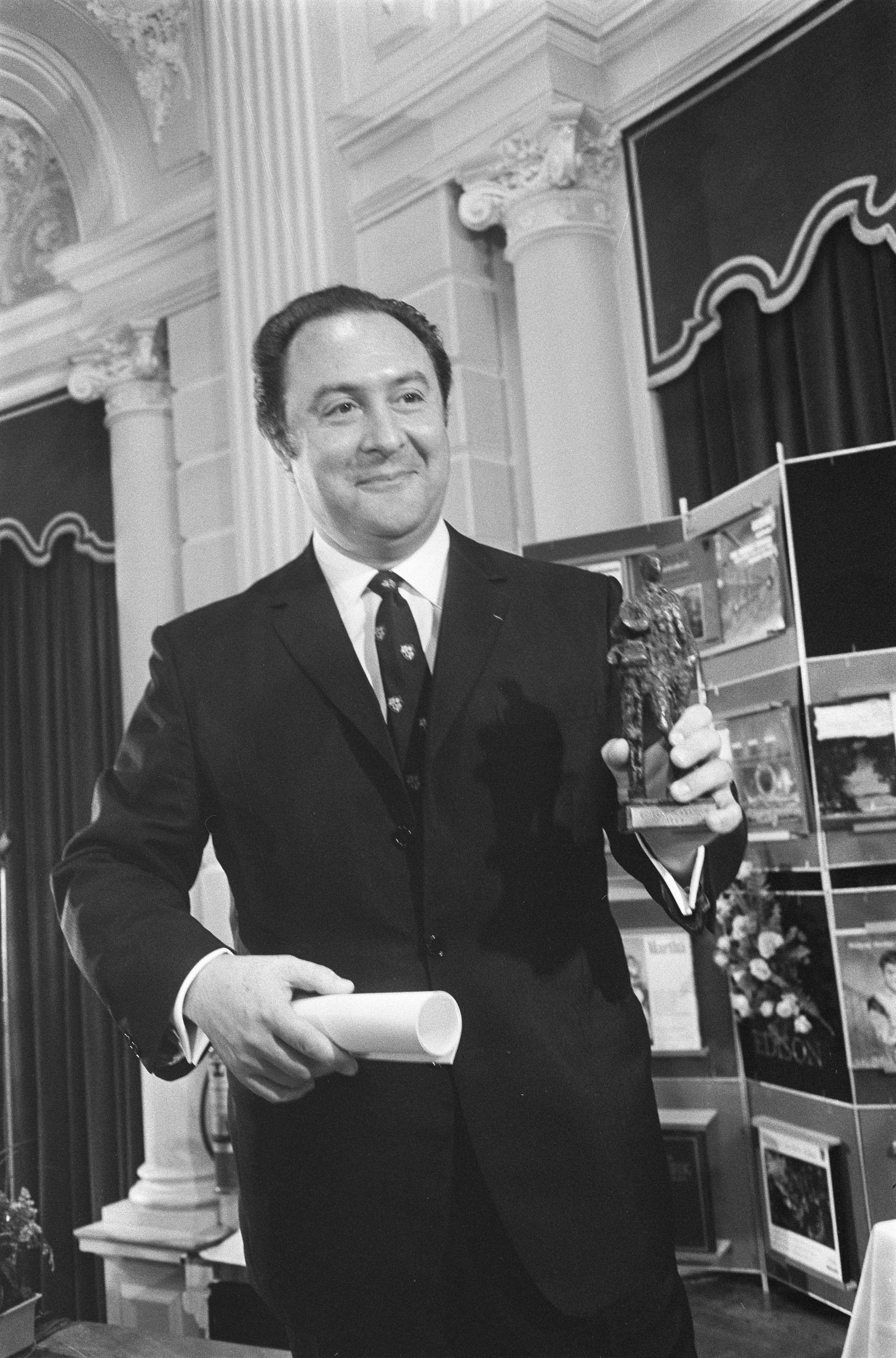
Learn Jean-Pierre Rampal’s dates, the evidence behind his twentieth-century stature, and his path from medical studies to an international career in music.