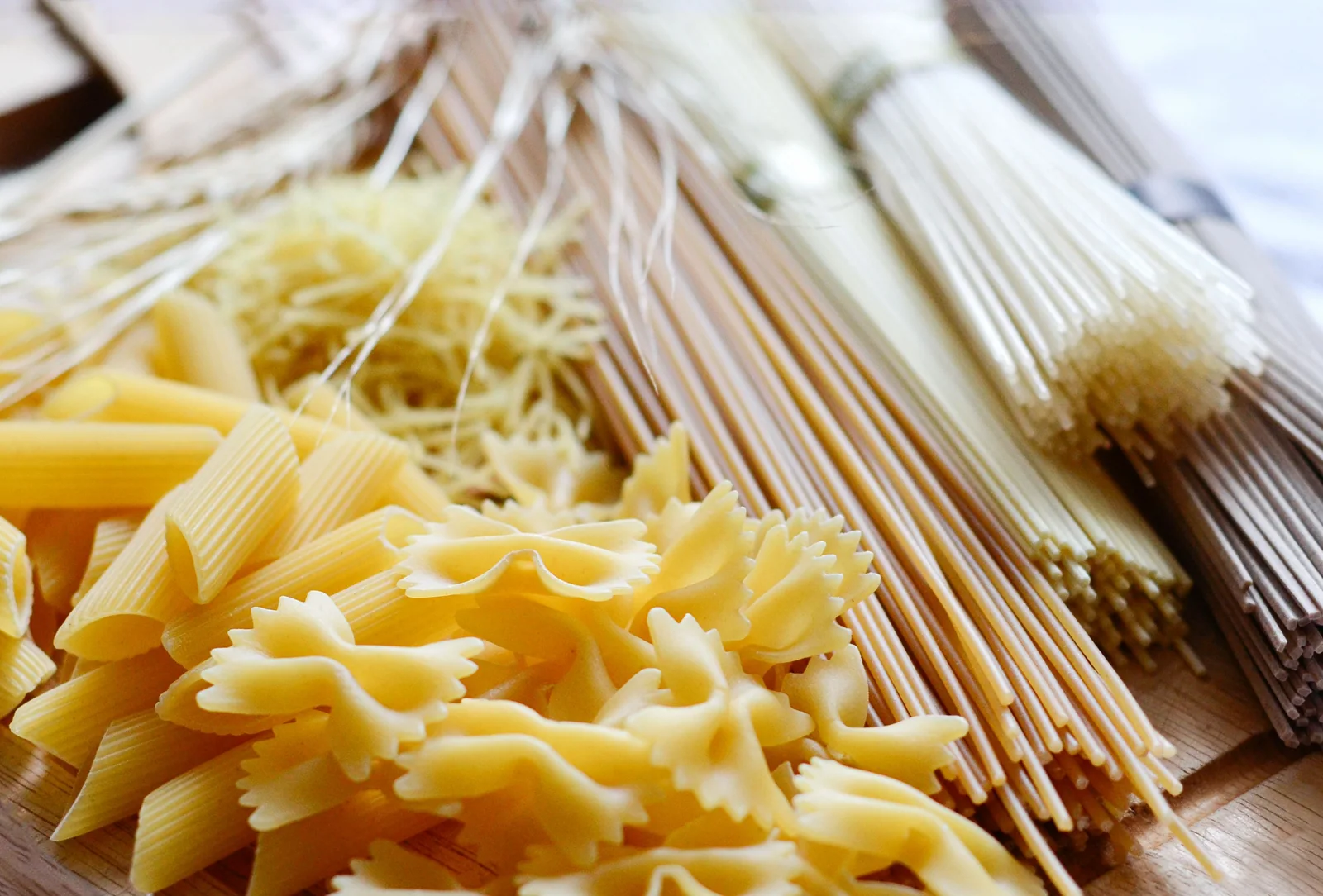
Pasta Shapes, Cooking Times and Sauce Pairings
Explore pasta shapes through real photographs, the differences between dried and fresh pasta, cooking times and complementary sauces.
Continue reading
Mahina Journal · Categories
Clear, approachable notes on the names, structures, aromas and handling of mushrooms, vegetables and herbs
Explore pasta shapes through real photographs, the differences between dried and fresh pasta, cooking times and complementary sauces.
Continue reading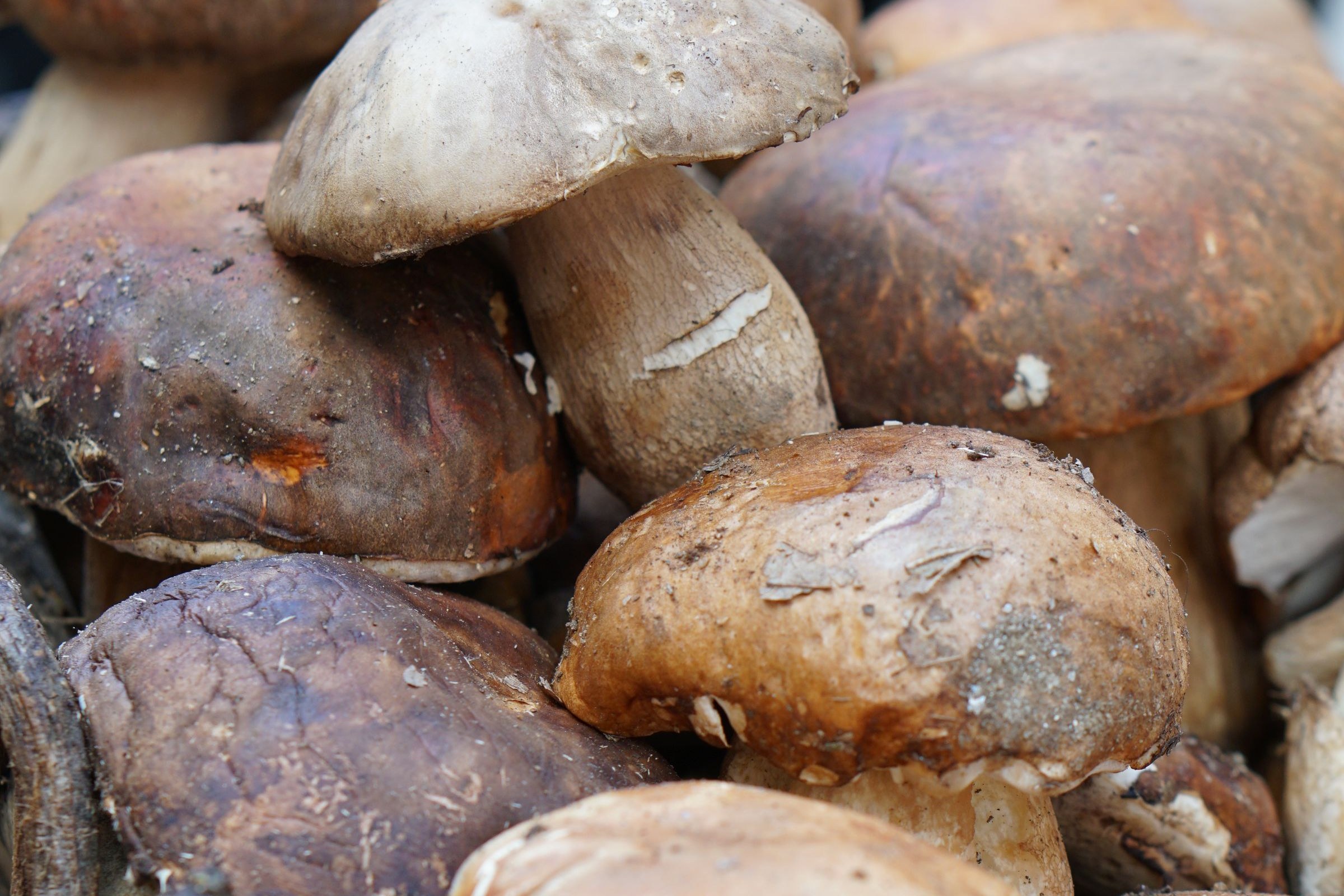
Porcini has a surface formed by countless tubes beneath its cap rather than thin gills. Understanding this structure, the way it lives in the forest and the volatile compounds behind its aroma brings the mushroom's form on the plate into sharper focus.
Continue reading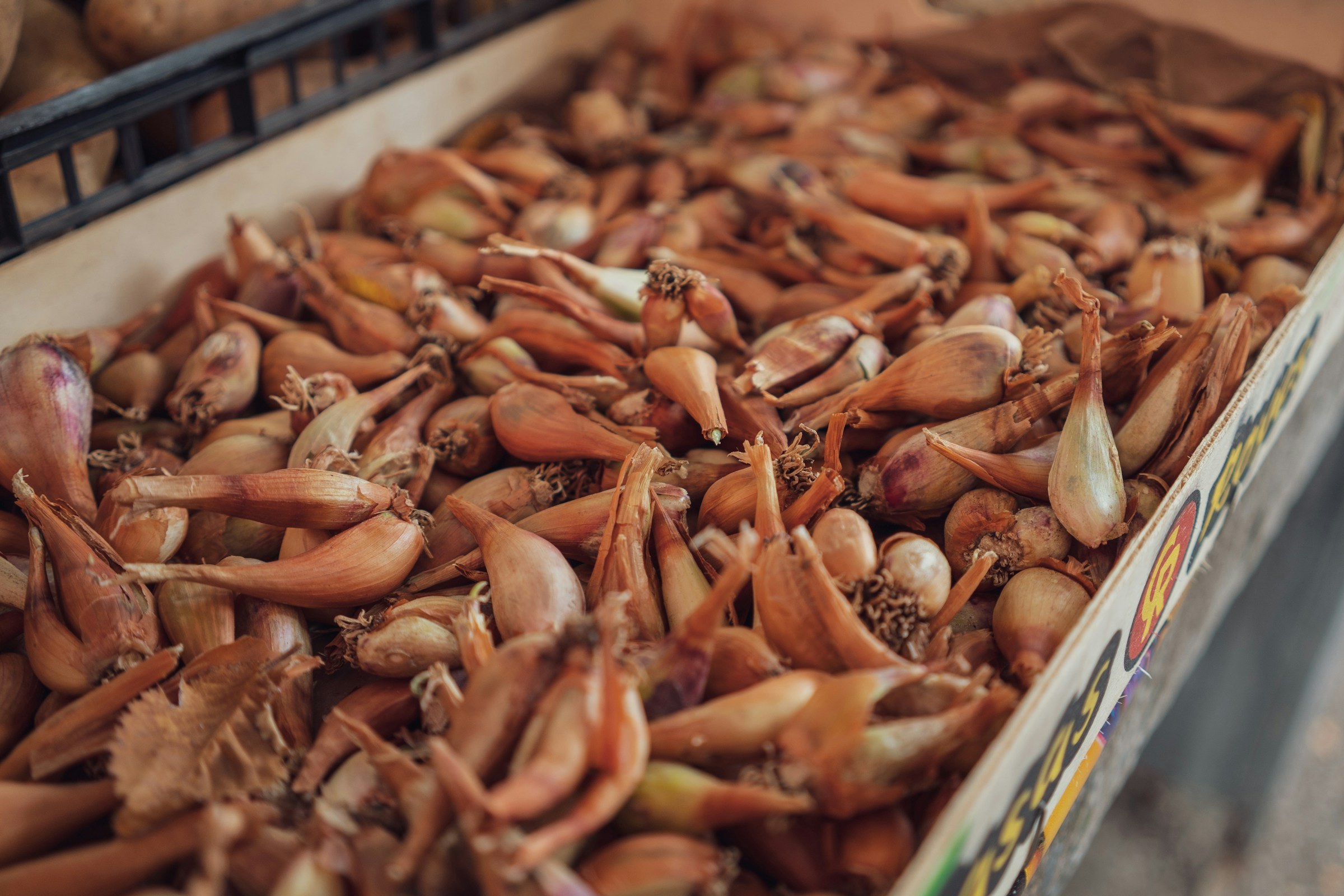
A shallot is not simply an immature onion. It is a close relative, but several bulbs characteristically grow together from one plant, while skin colour, shape and aromatic intensity vary by cultivar.
Continue reading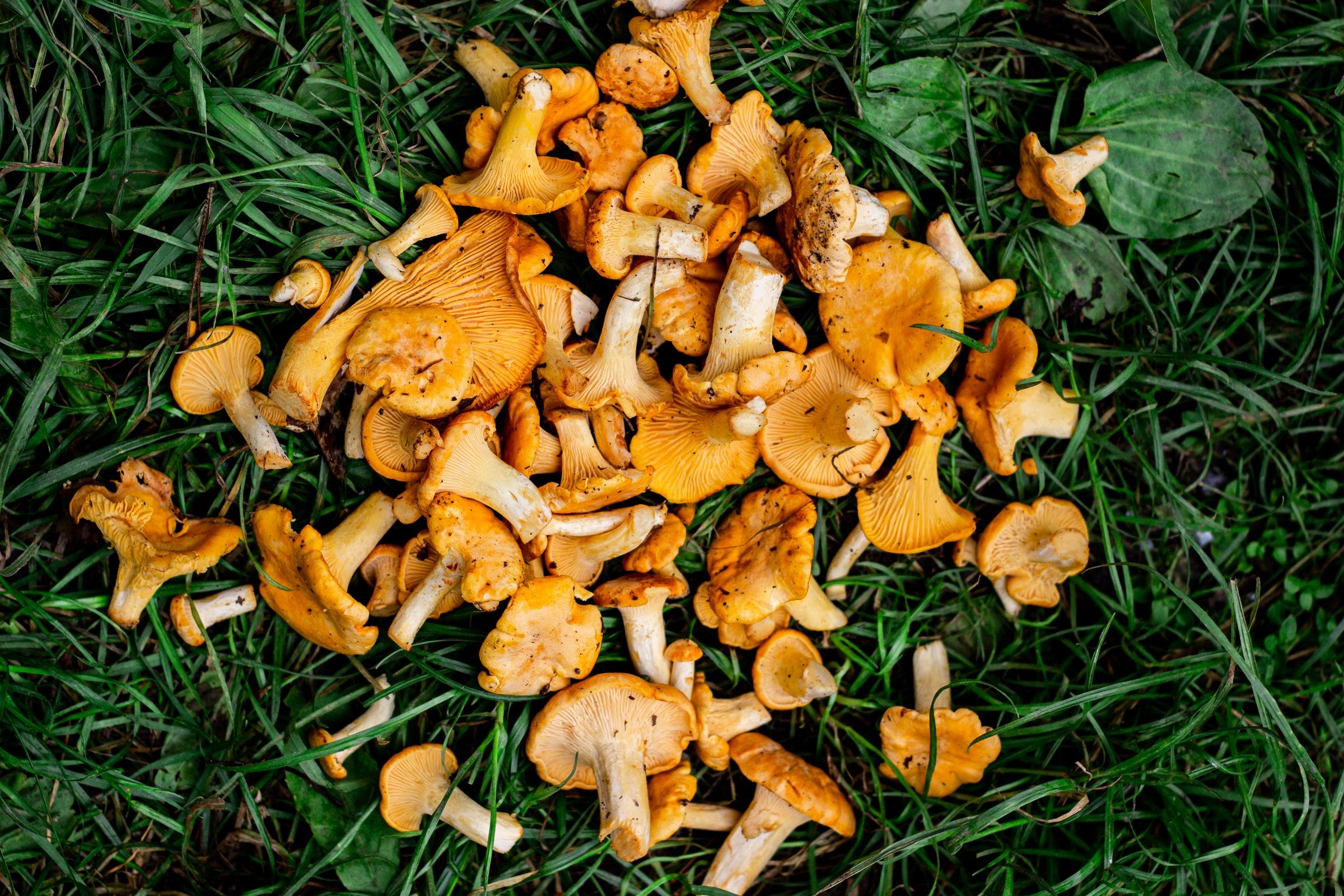
The lines beneath a chanterelle cap differ from the thin gills of a button mushroom. Blunt ridges continuous with the flesh descend along the stem and, together with the wavy cap, form an important part of the chanterelle's shape.
Continue reading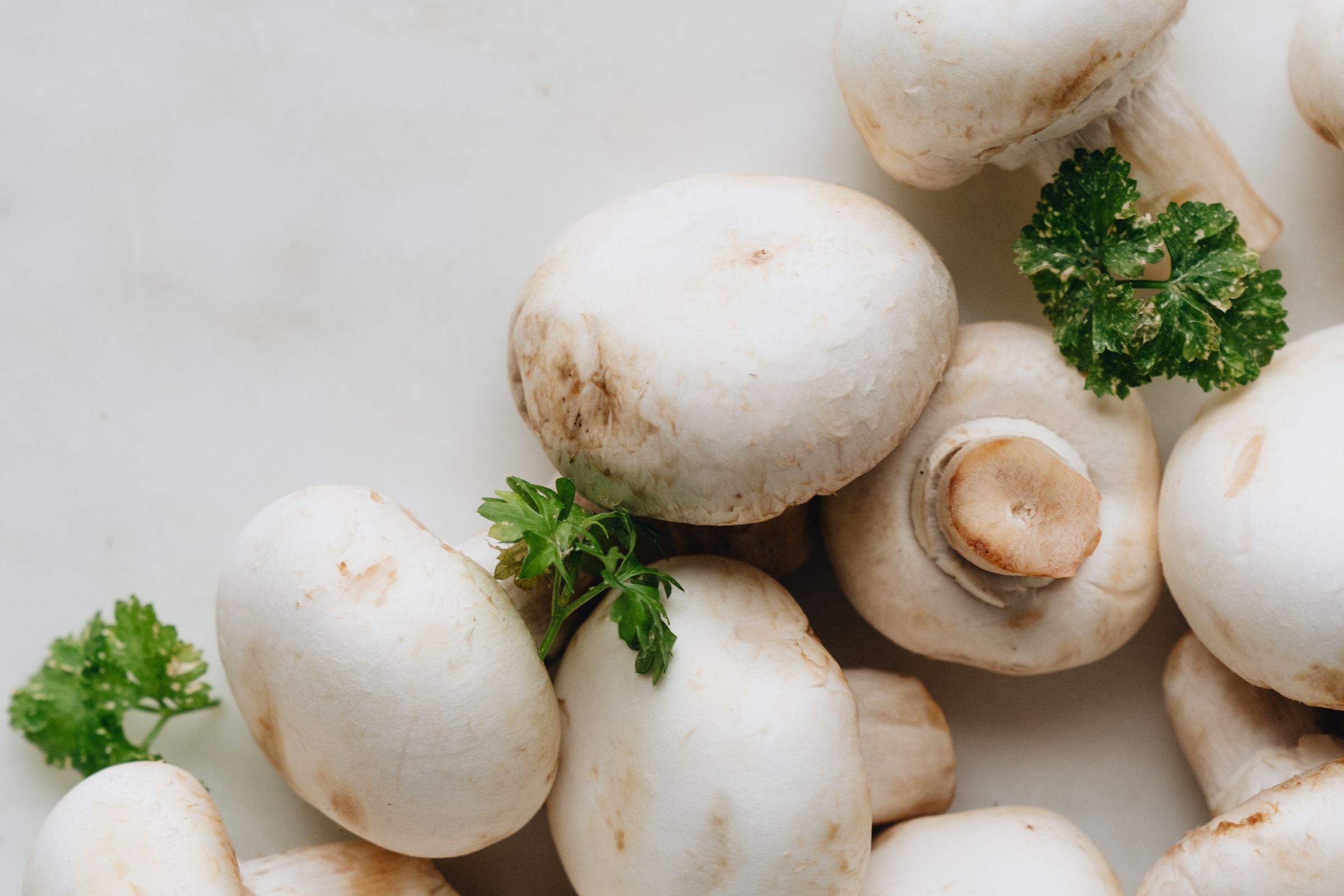
White and brown button mushrooms can look like entirely different mushrooms, yet both may be cultivated forms of Agaricus bisporus. Cap colour is only one clue to quality; maturity, the condition of the veil and moisture loss also matter.
Continue reading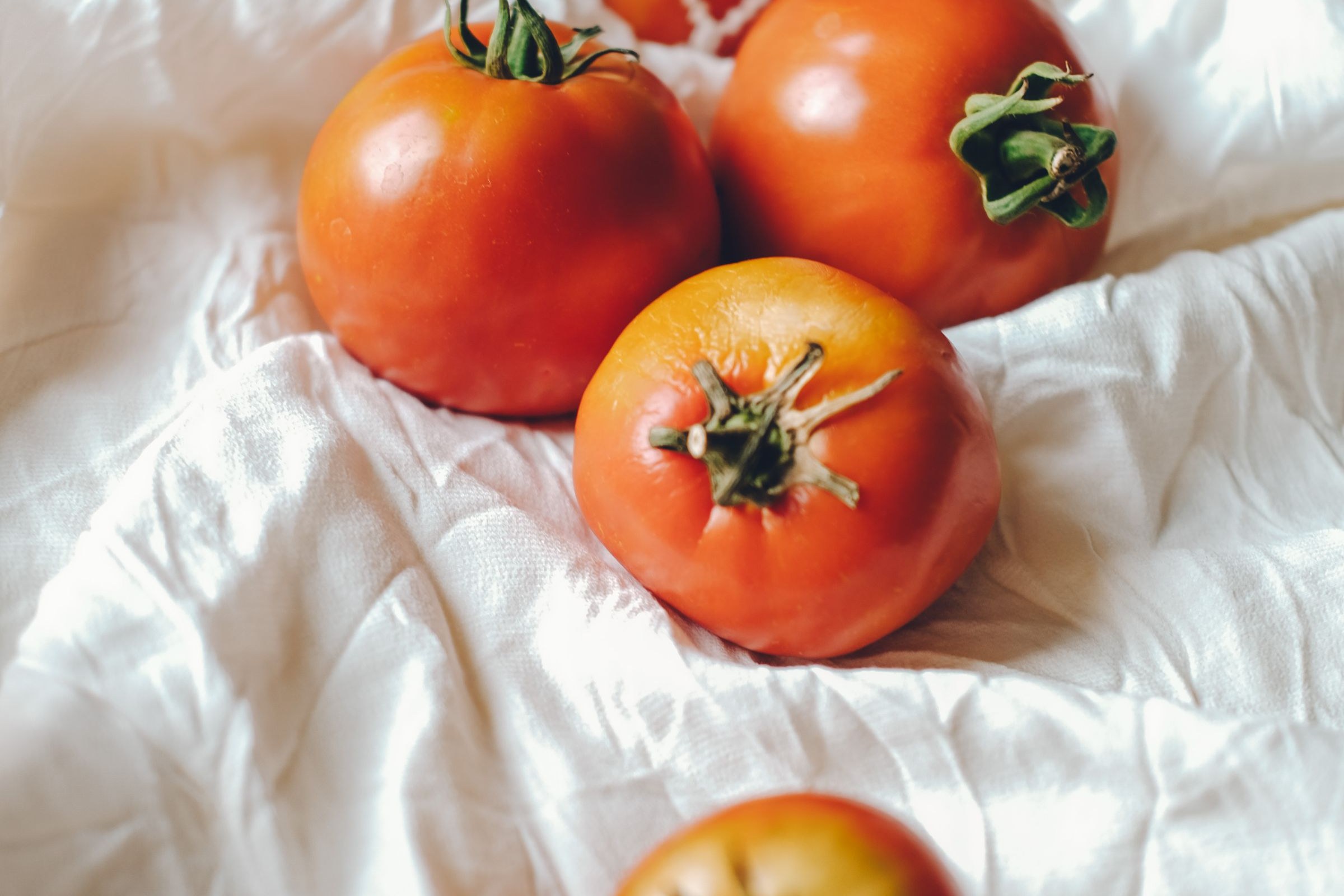
Large round tomatoes and cherry tomatoes are diverse cultivated forms within the same species, Solanum lycopersicum. Their differences extend beyond size: cultivars vary in flesh, moisture, sugars, acids and aroma compounds, and therefore in their possible uses.
Continue reading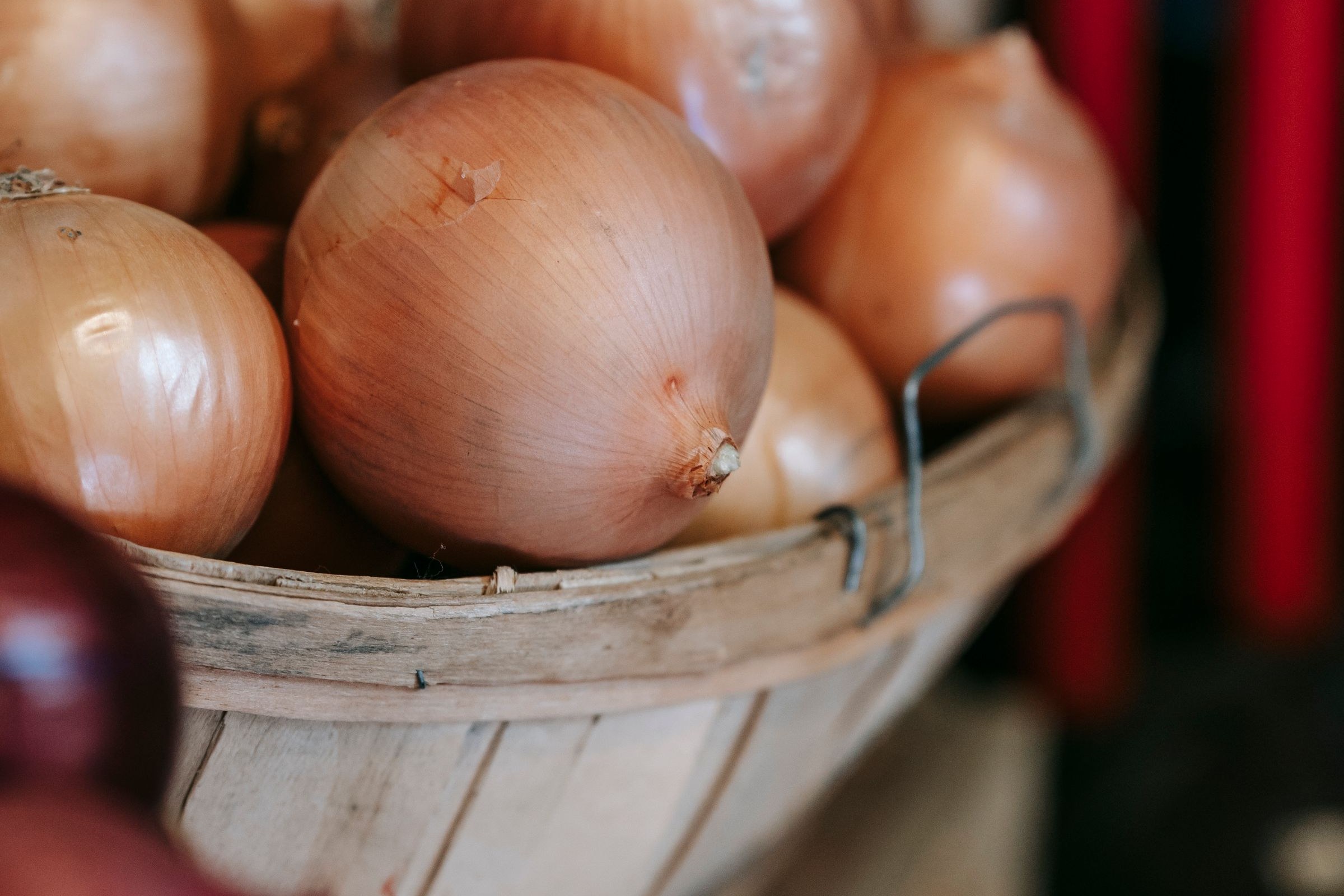
White, yellow and red onions differ in more than their outer colour. Their typical aromas and uses vary, but actual pungency and storage life depend more closely on cultivar, growing conditions and how well they were cured.
Continue reading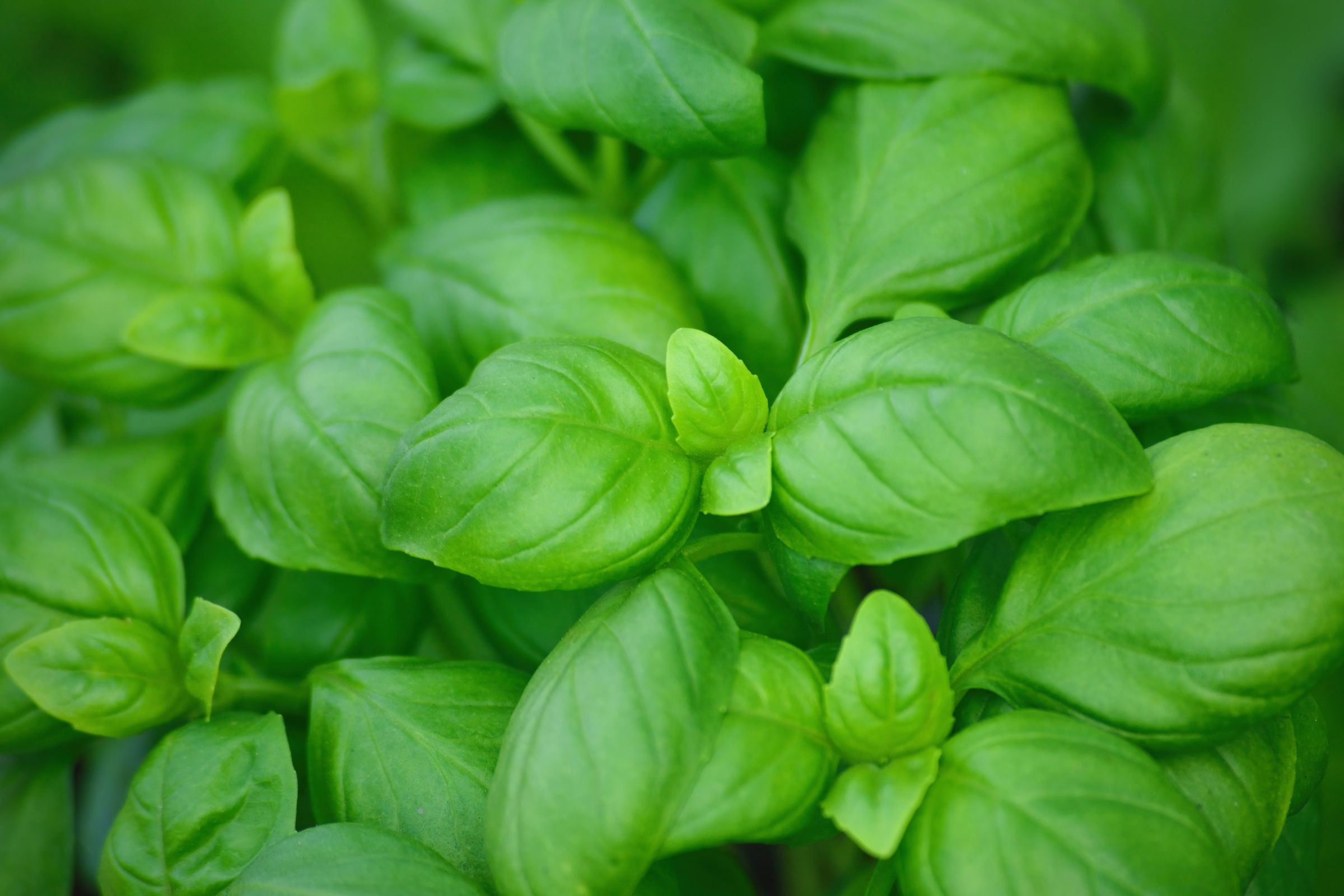
Basil is not an herb with one fixed aroma. The proportions of its aromatic compounds vary with cultivar and growing conditions, changing the impressions that recall flowers, cloves or liquorice.
Continue reading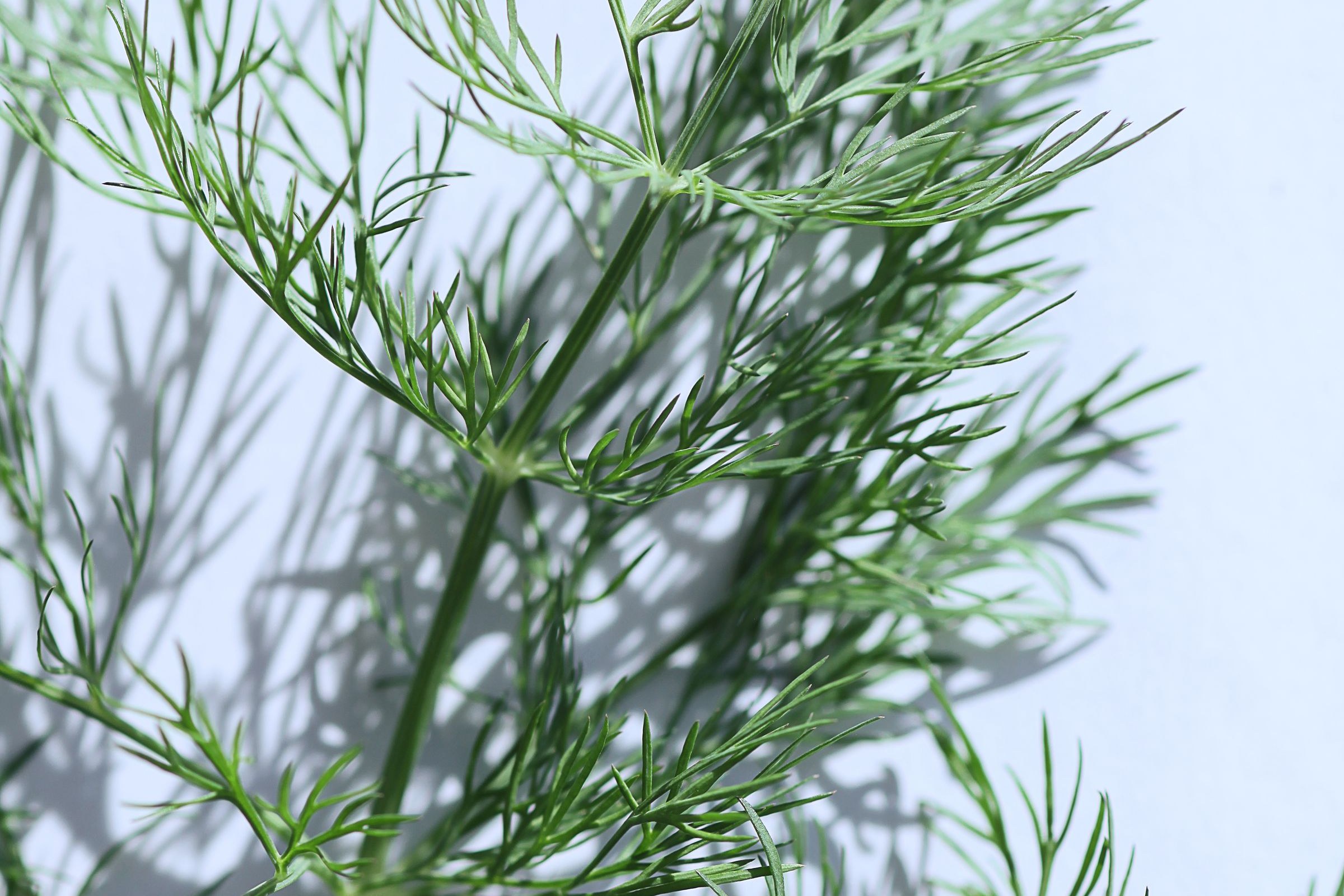
Dill's fine leaves and flat seeds come from the same plant, but the proportions of their principal aroma compounds differ. This is why leaf and seed cannot be described as though they were the same spice.
Continue reading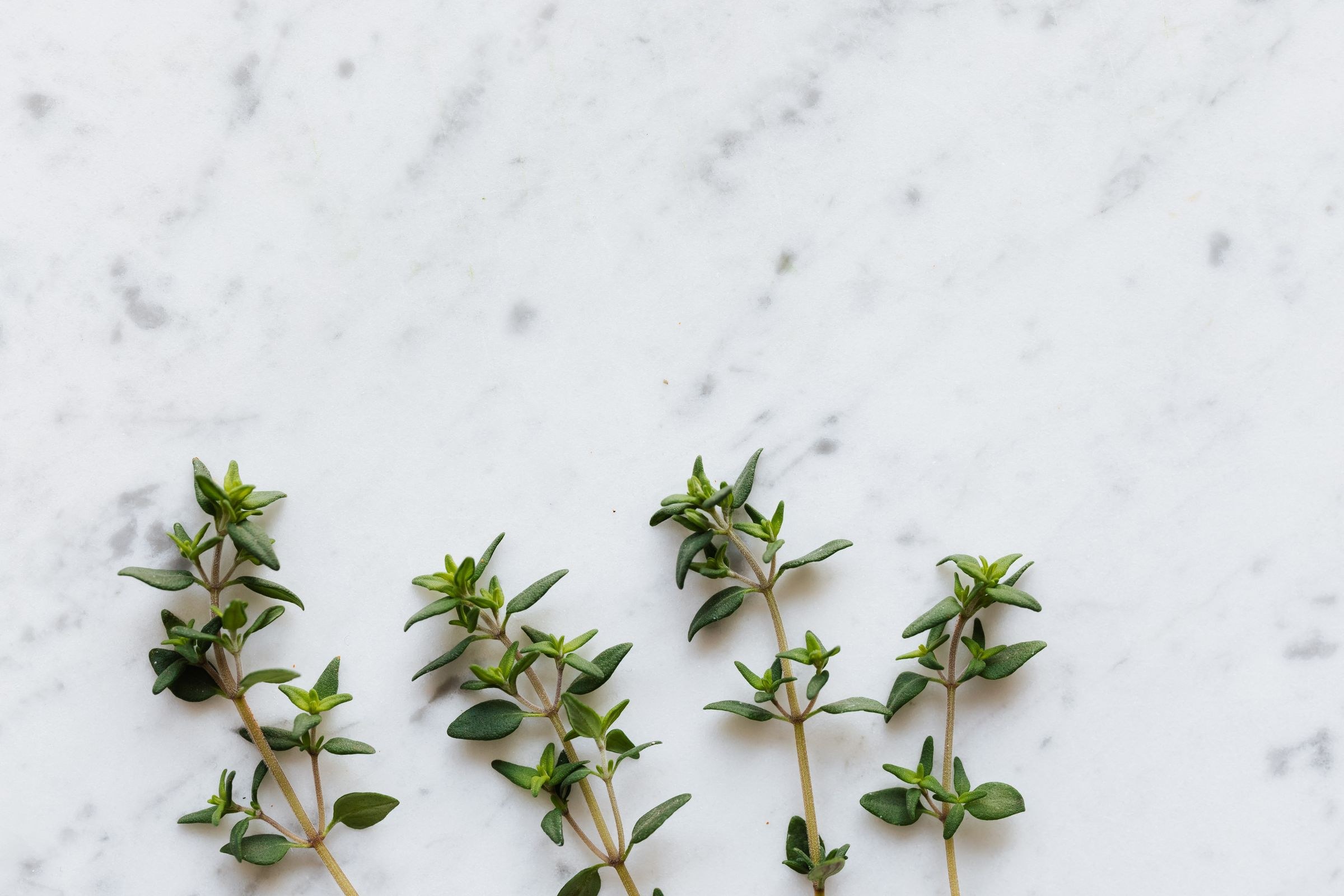
Thyme is an aromatic herb with small, firm leaves, yet not every thyme has the same scent. Even within one species, differences in the principal essential-oil compounds produce several chemotypes.
Continue reading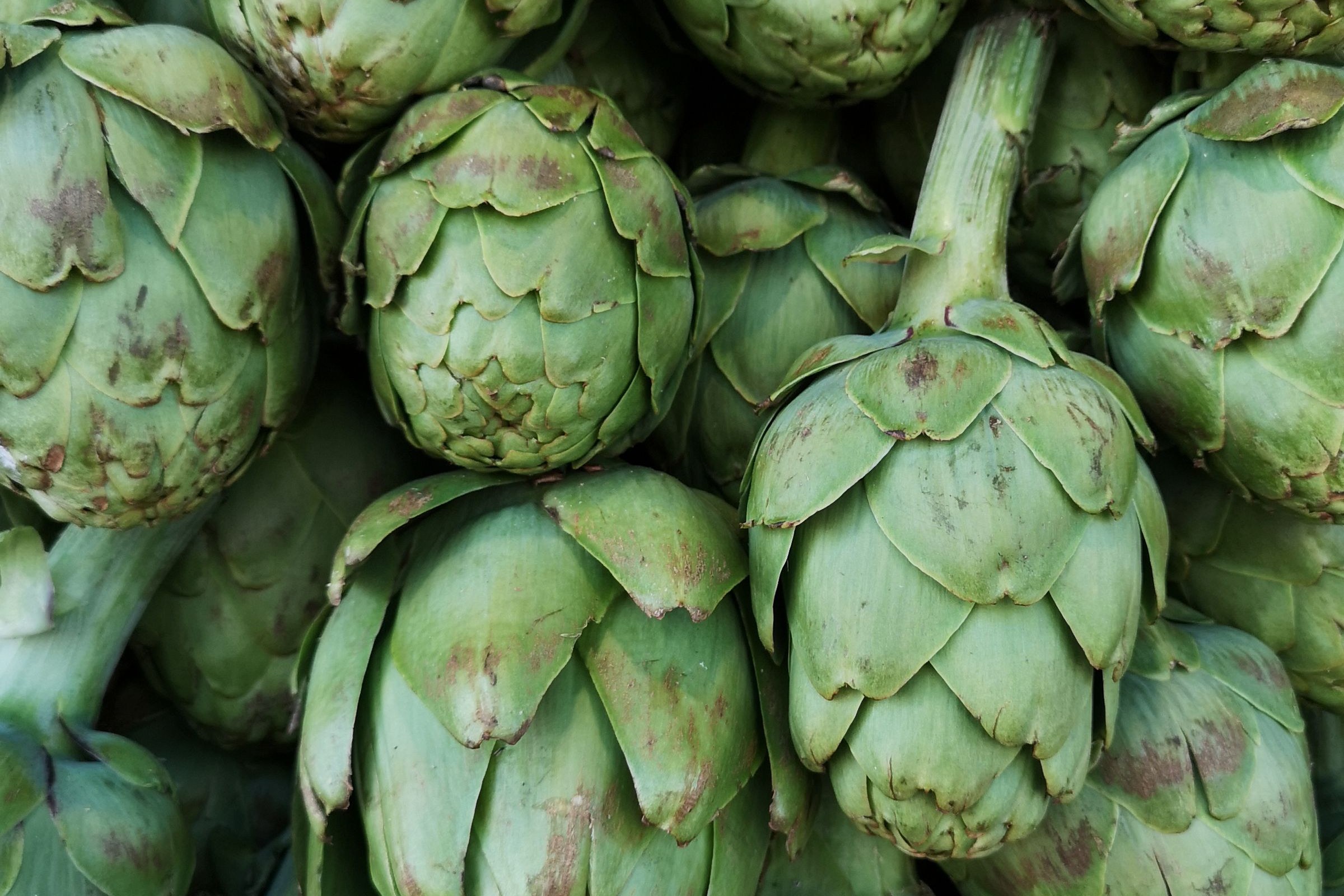
An artichoke is neither a root nor a fruit, but a young flower head eaten before it opens fully. The fleshy bases of the overlapping bracts and the receptacle at the centre form its edible parts.
Continue reading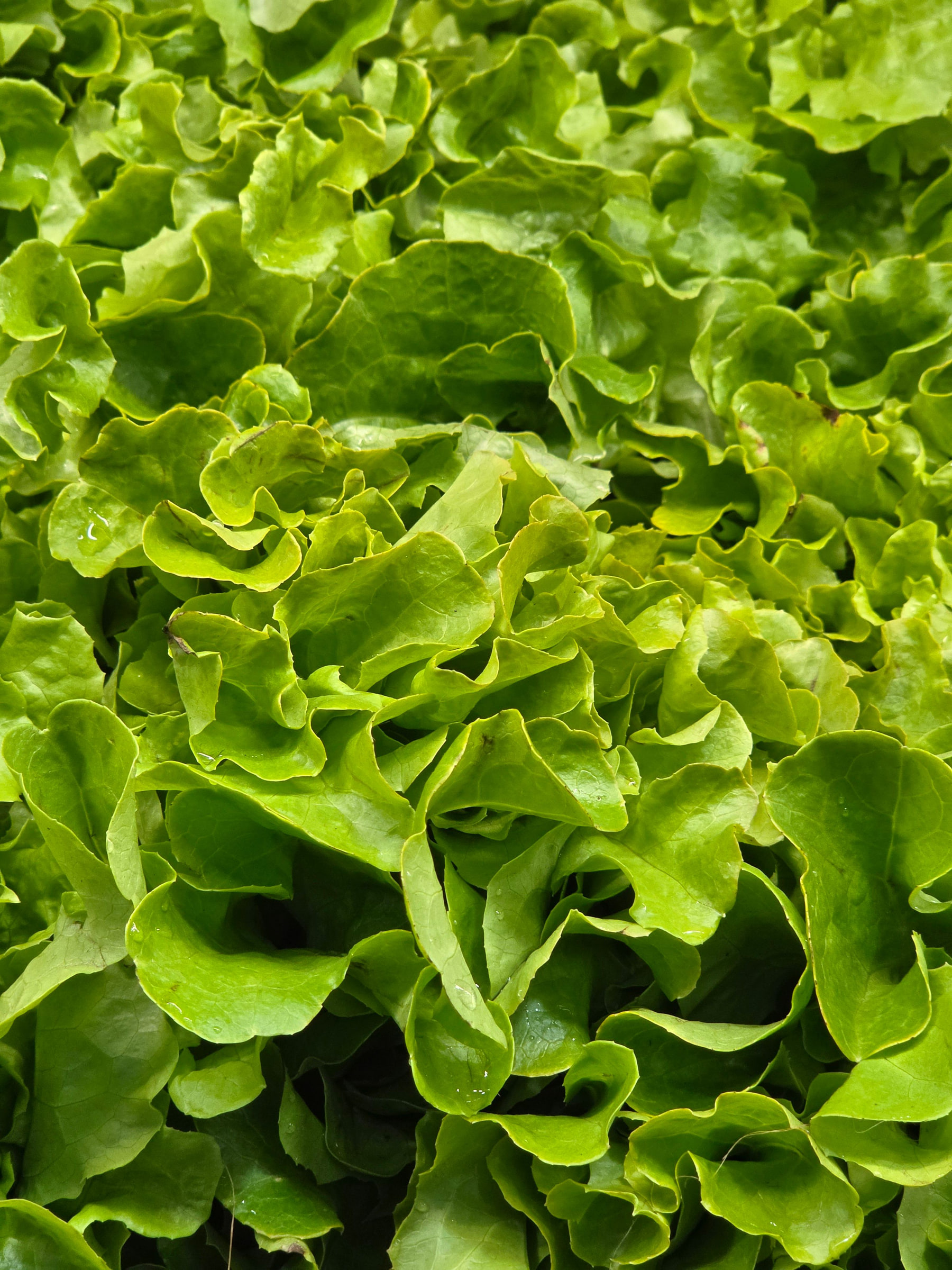
Ezabel is the lettuce variety used in Mahina Vegan Table’s burgers. This article looks at its leaf structure, fresh texture, and contrast with grilled ingredients.
Continue reading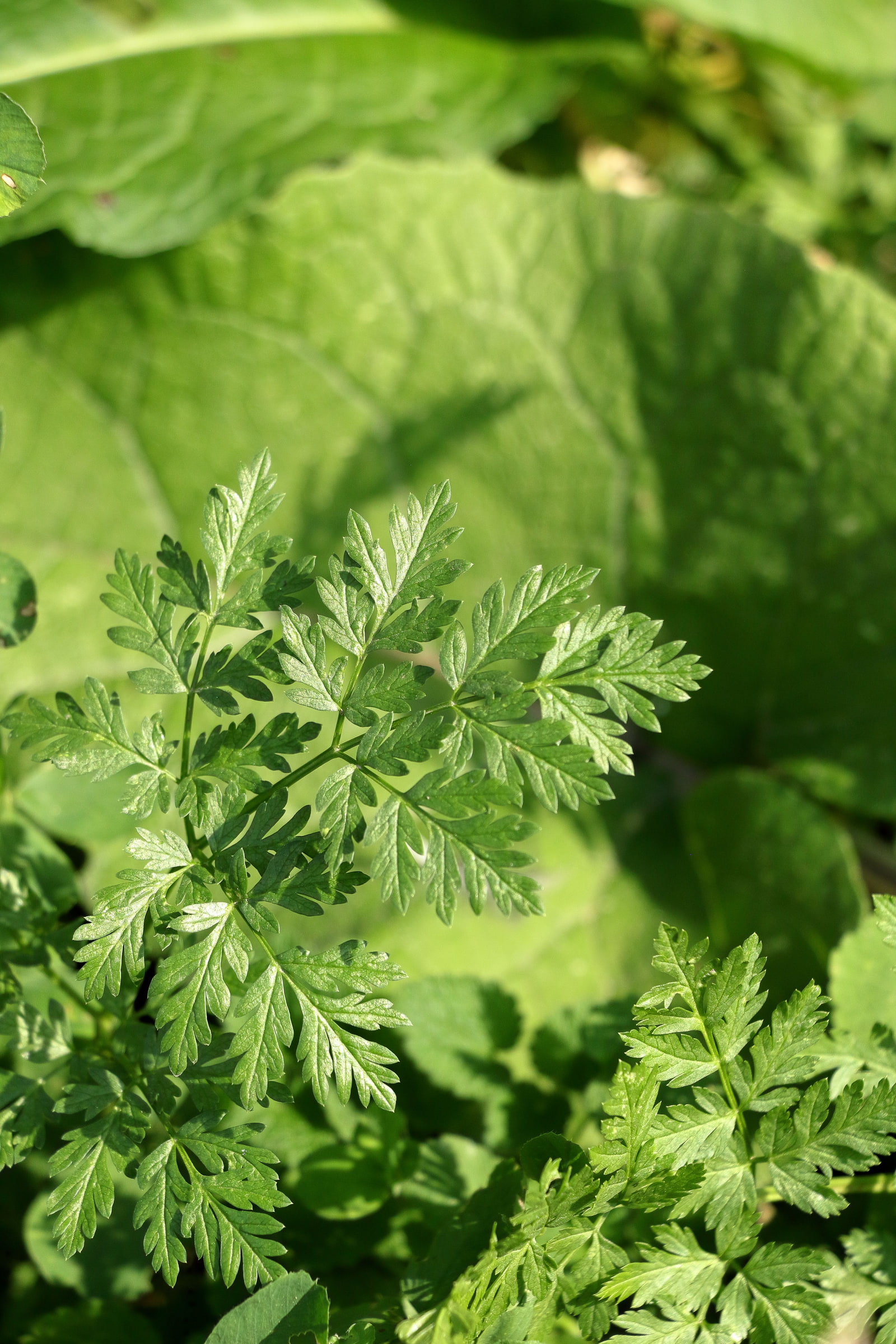
Flat-leaf parsley is more than a green decoration on the plate. It adds a fresh herbal aroma to chanterelles, lemon, and garlic.
Continue reading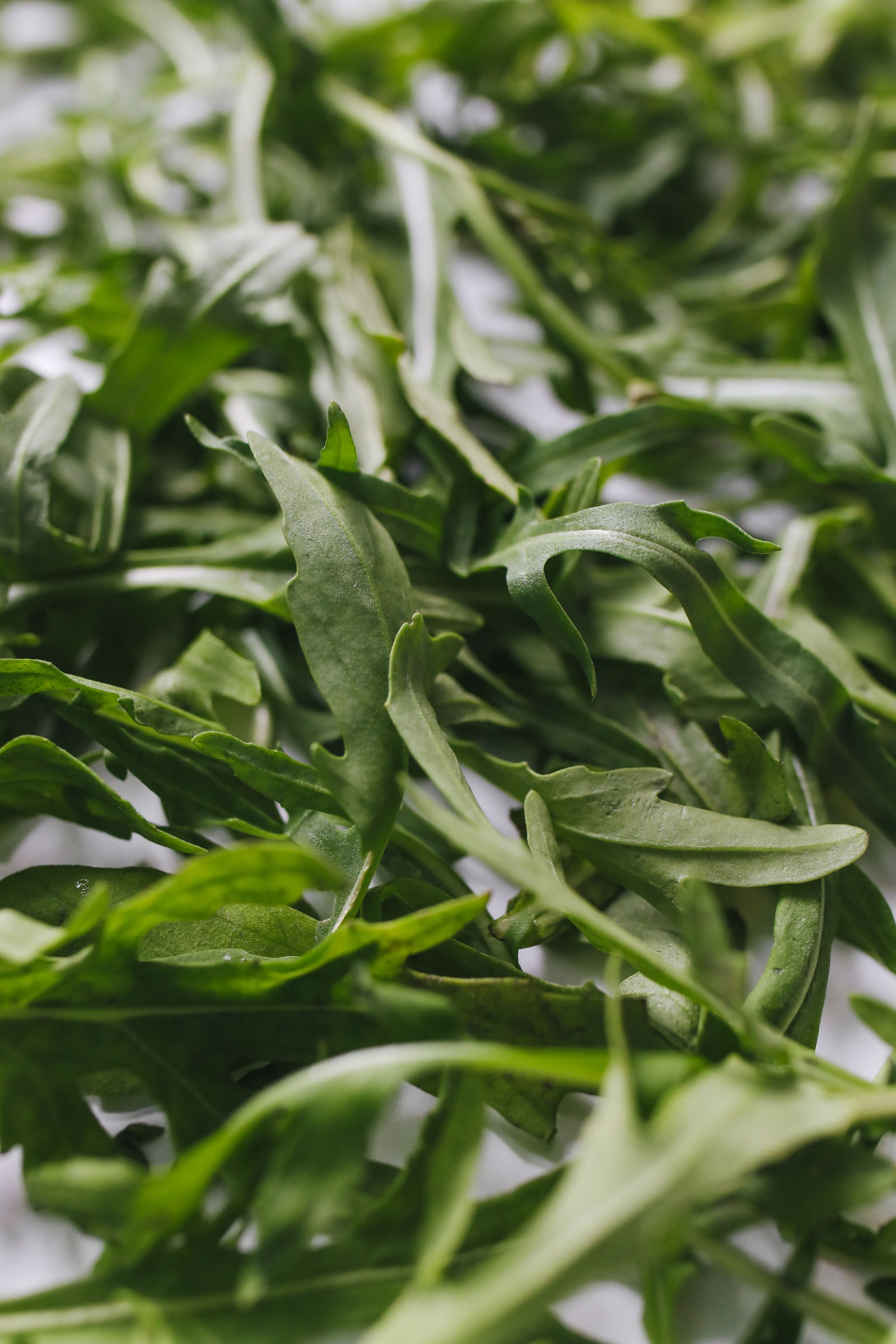
Despite its soft leaves, arugula has a peppery, slightly bitter taste. Between fried avocado and tomato, it contrasts with the rich flavour of the grilled ingredients.
Continue reading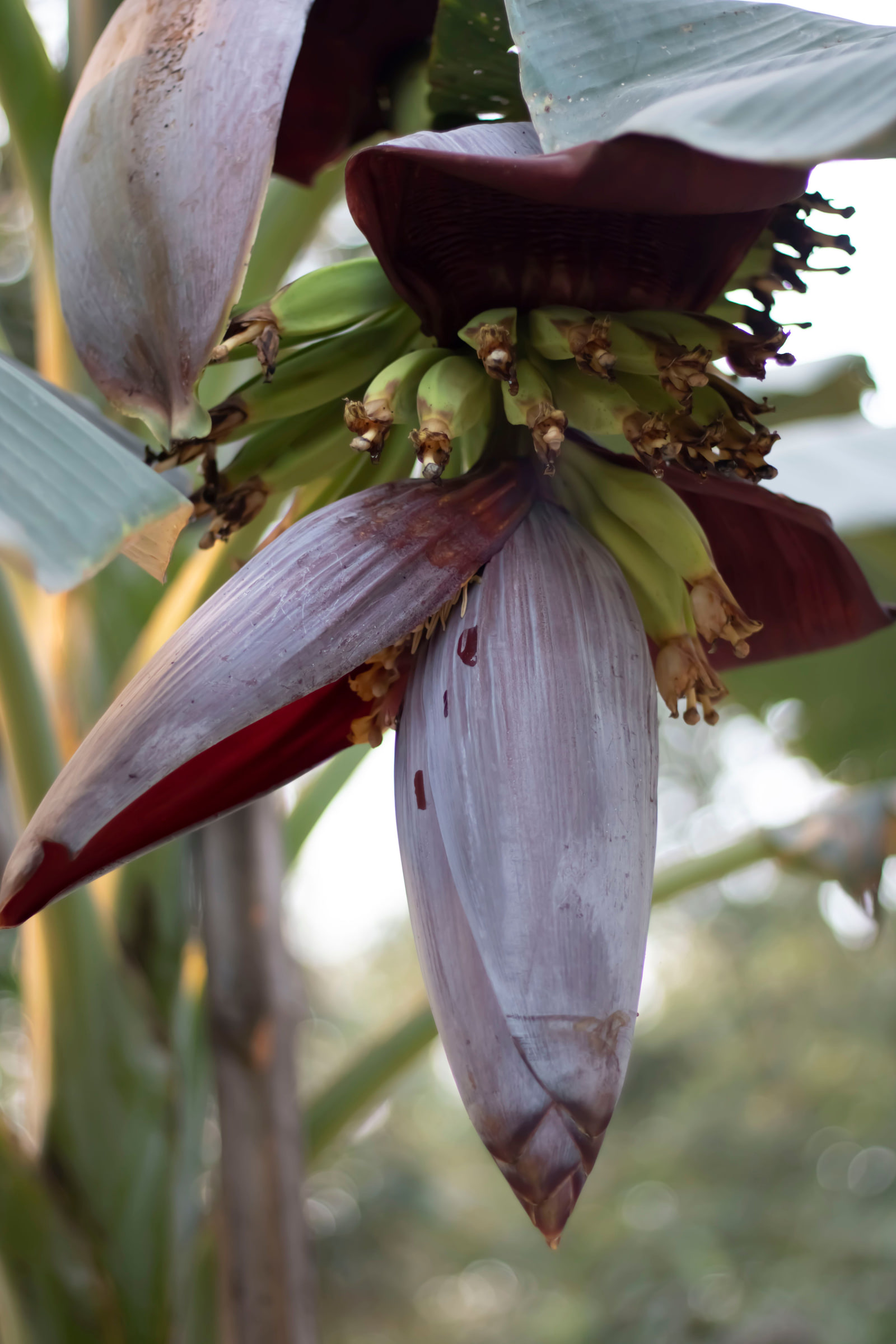
Banana blossom is not an ingredient intended to imitate the taste of banana fruit. It is an inflorescence with rows of flowers inside large bracts, used for its many layers and grain.
Continue reading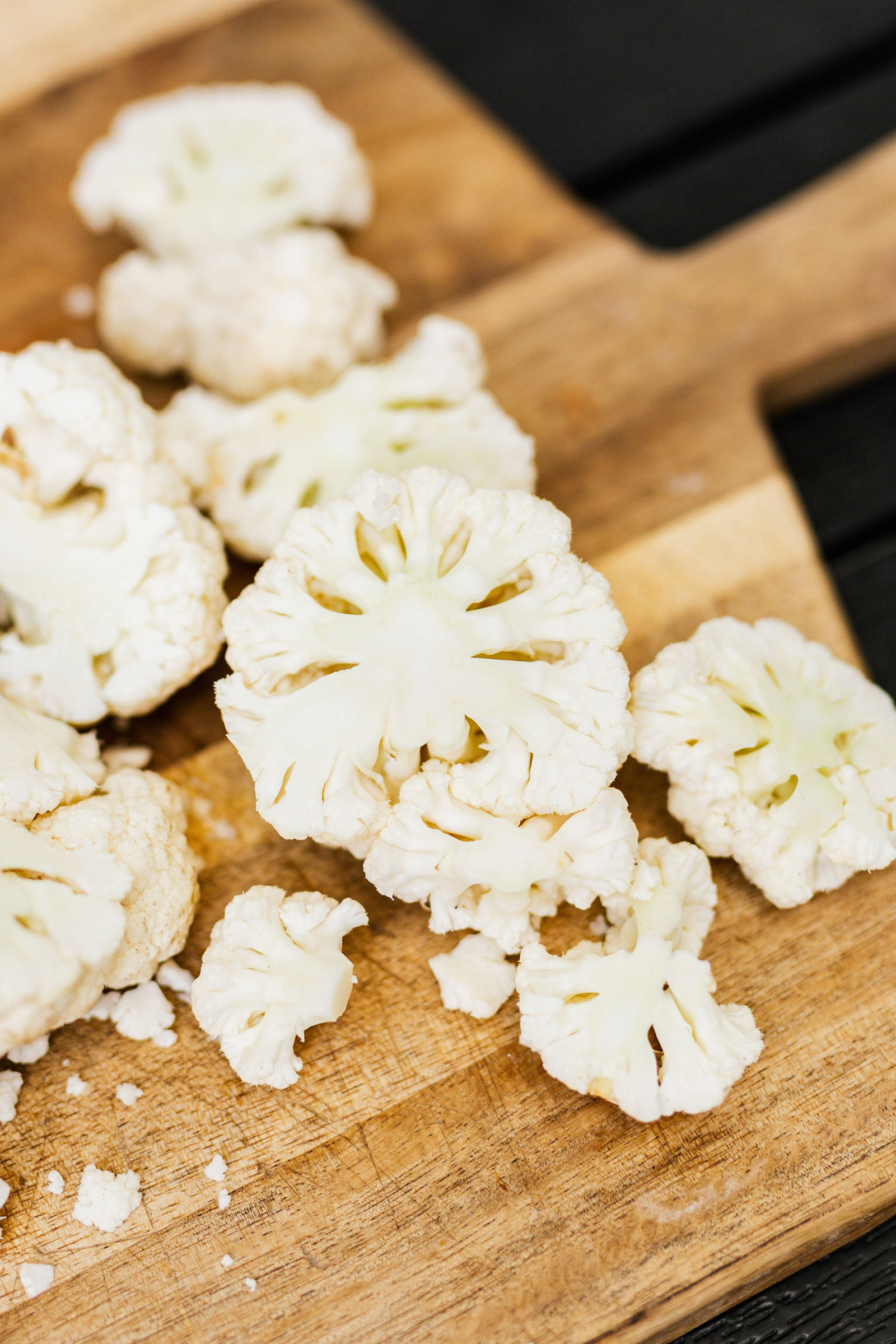
The white part of a cauliflower is not one fruit but a curd, a dense mass of tissue formed before flowering. A thick cross-section shows both the grilled surface and the moisture held within.
Continue reading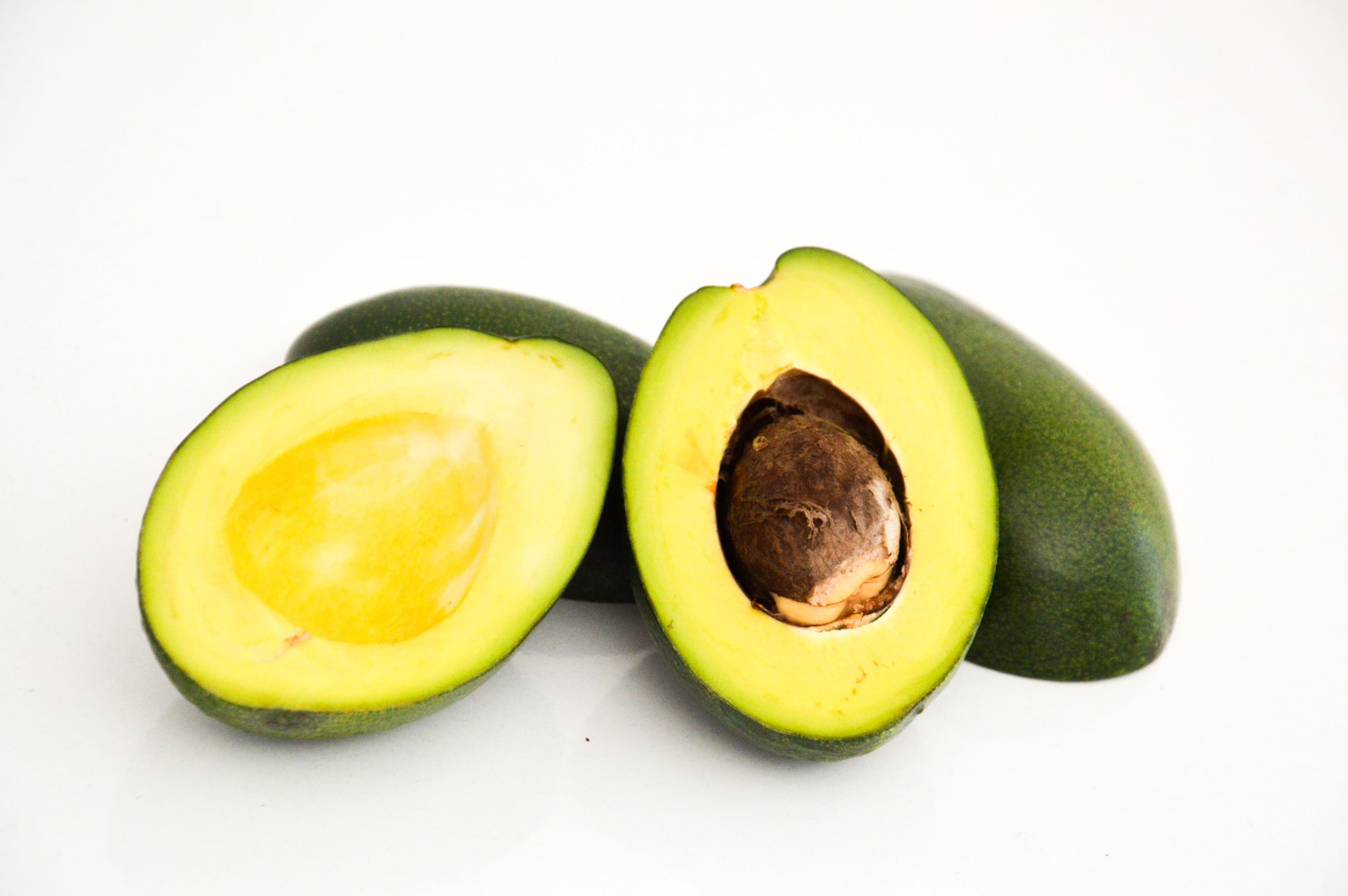
Avocados must reach sufficient maturity on the tree before harvest, but the tender texture we know develops during ripening after harvest.
Continue reading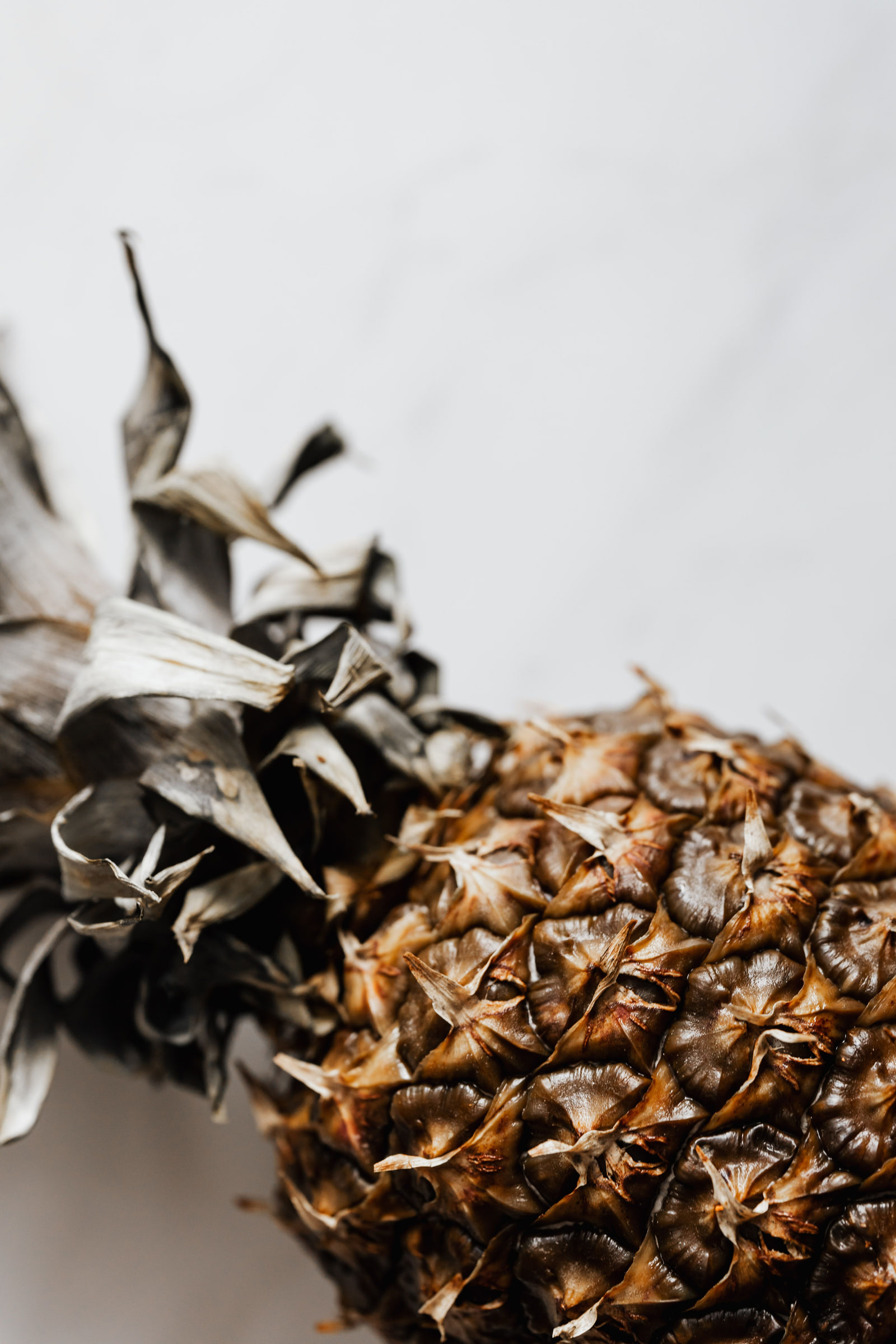
A whole pineapple is not a single fruit produced by one flower. It is a multiple fruit, formed when the small fruits of many flowers fuse with a central axis.
Continue reading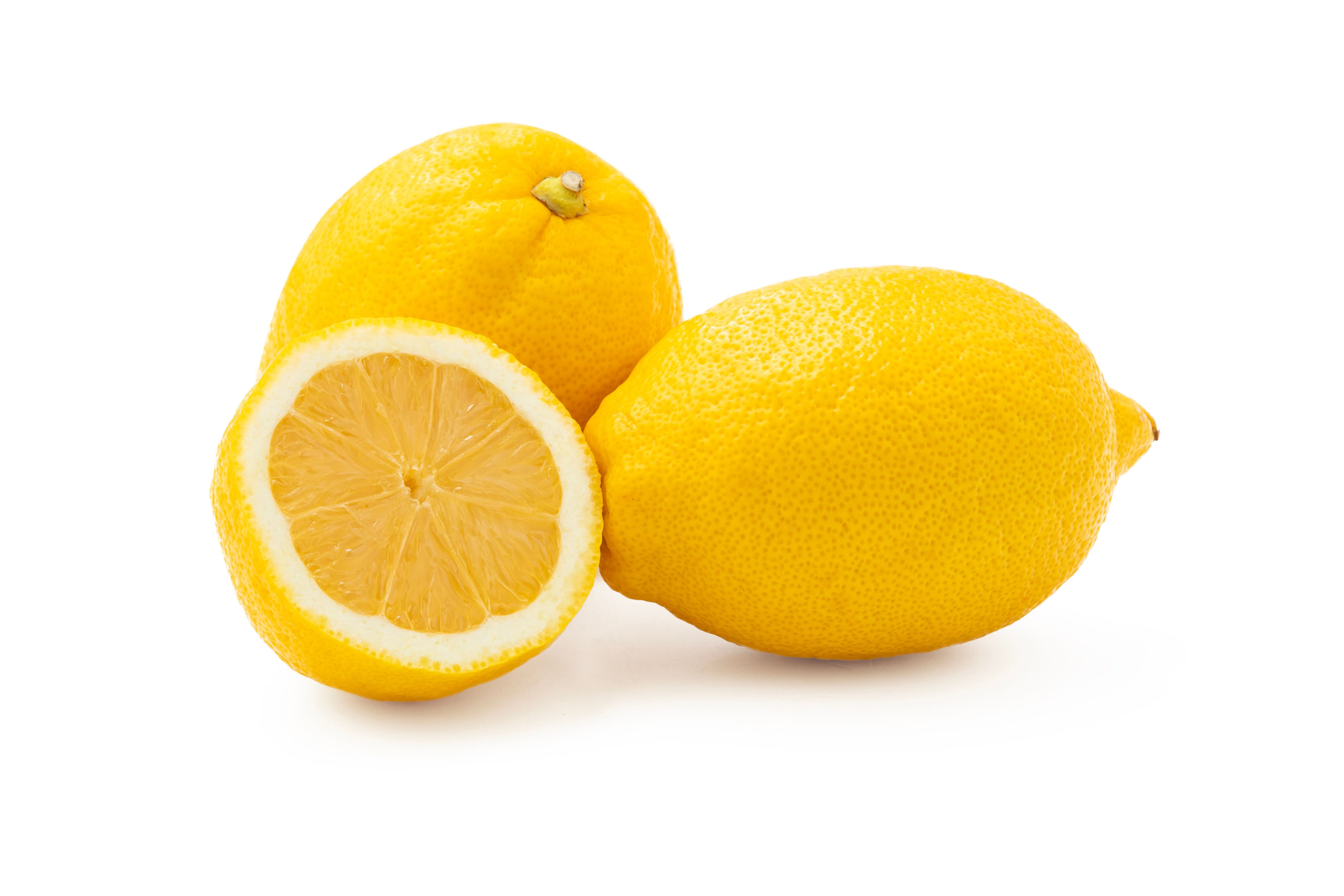
It is easy to assume that every lemon is equally sour, but the balance of acid and aroma varies with cultivar, maturity, growing environment and storage period.
Continue reading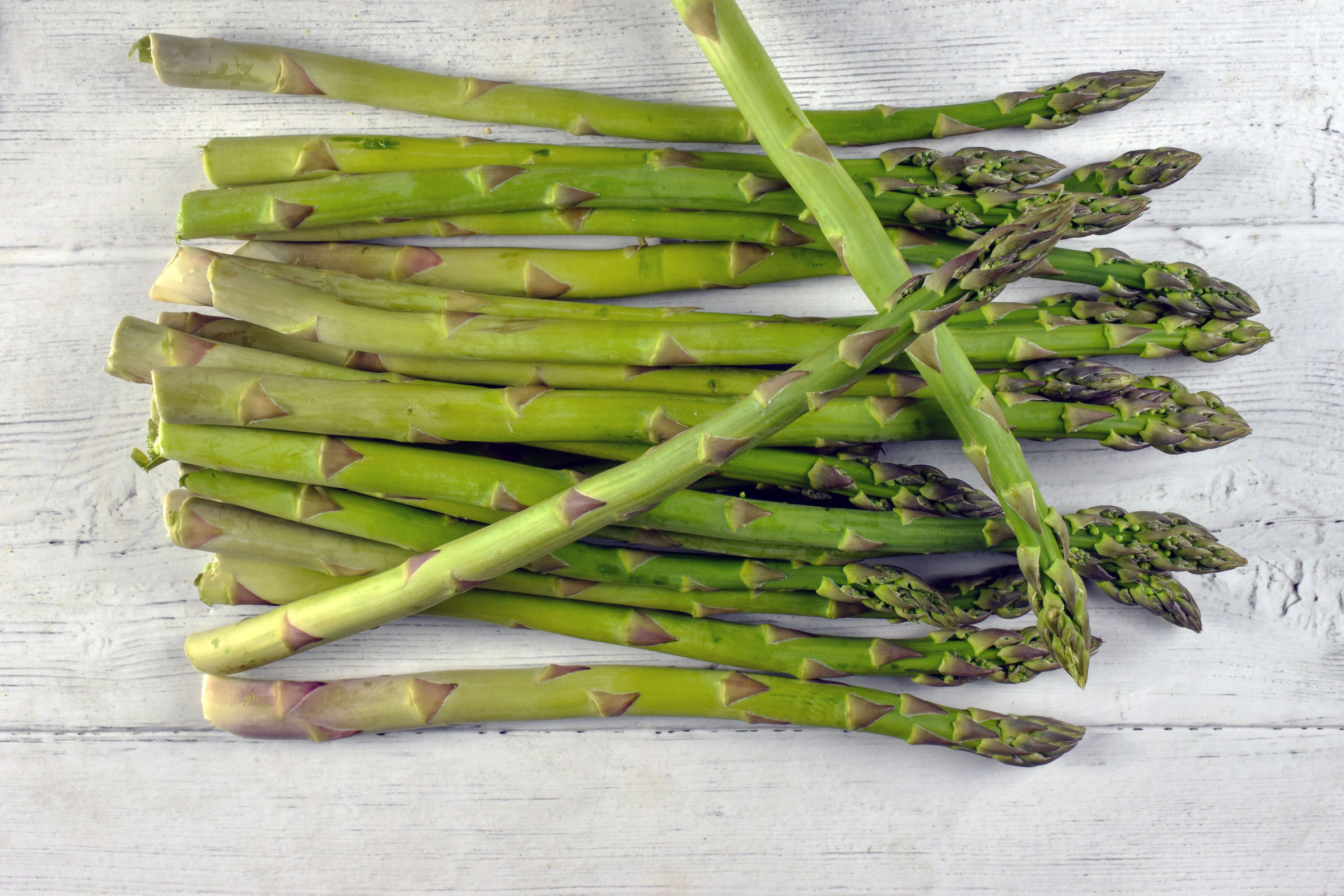
An asparagus spear on the table is not a leaf but a young shoot rising from an underground crown. Left unharvested, it branches into tall, fern-like growth above ground.
Continue reading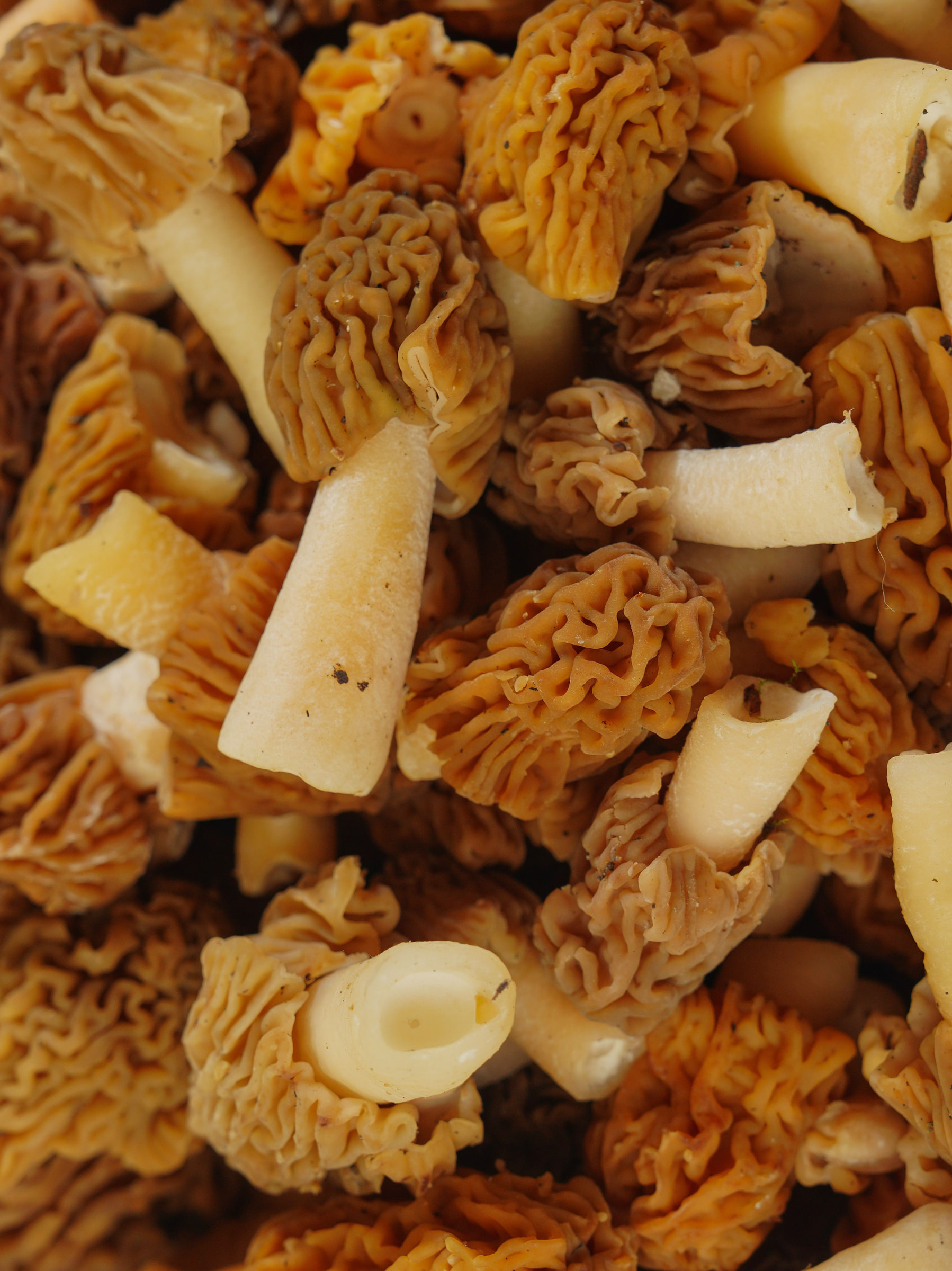
Morels have caps whose ridges and recessed pits form a honeycomb pattern. Their form is striking, but detailed species cannot be identified reliably by colour and shape alone.
Continue reading