In this story
- Its botanical name bears a multiplication sign
- Sourness varies with cultivar and maturity
- Juice acidity and peel aroma form different layers
- Moisture and peel condition change during storage
- Lemon sits among chanterelle, fresh parsley and garlic
- A balance of mushroom, lemon and herb aromas
- Questions about lemons
The short answer
Lemon has the scientific name Citrus × limon, and its acidity varies with cultivar, maturity, growing environment and storage conditions. In Mahina Vegan Table's Chanterelle Lemon Parsley Pasta, lemon brings a bright direction to an oil sauce with roasted chanterelle, fresh parsley and garlic.
Three standards for understanding lemon acidity
- Lemon has the scientific name Citrus × limon.
- Acidity and aroma vary with cultivar, maturity, growing conditions and storage period.
- In the Chanterelle Lemon Parsley Pasta, it adds brightness between mushrooms and herbs.
Into the story
Its botanical name bears a multiplication sign
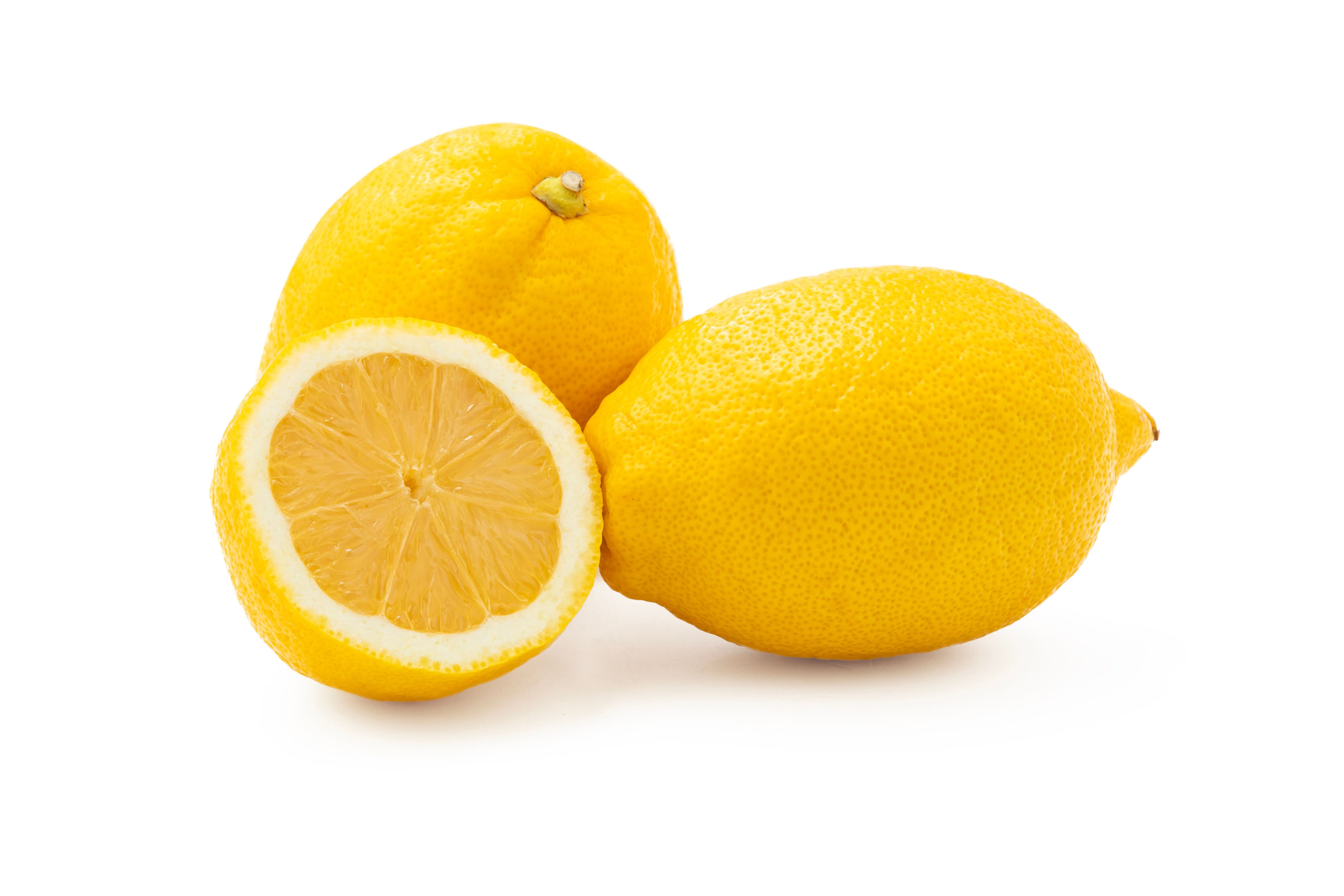
Lemon has the scientific name Citrus × limon. The multiplication sign in the name indicates that hybridisation among different citrus lineages was involved in its cultivation history.
Though we use the single word lemon, skin thickness, seed number, juice and aroma can differ among cultivars. The same quantity may therefore give different impressions of acidity and aroma with the season and condition of the fruit.
Sourness varies with cultivar and maturity
Acid and sugar levels in citrus vary with cultivar, harvest timing, climate and growing conditions. Even lemons do not have identical levels of sourness across seasons and stages of maturity.
Acidity cannot be fixed at a single number because the flavour impression is shaped not only by acid in the juice but also by sugar, aroma and temperature. Sourness may be perceived differently when the lemon is eaten cold or incorporated into a warm sauce.
Juice acidity and peel aroma form different layers
Lemon quality should be assessed through several standards, including juice content, acidity, peel colour and damage. The juice is the centre of acidity, while oil glands in the outer layer of the peel produce aroma.
Juice acidity and peel aroma have different functions, so using different parts of the lemon changes the plate's impression. In the Chanterelle Lemon Parsley Pasta, these layers bring brightness between mushrooms and herbs.
Moisture and peel condition change during storage
Storing lemons at low temperature and high relative humidity can reduce moisture loss, but excessively low temperatures may cause chilling injury. Sensitivity also varies with cultivar and storage period.
At home, check for broad areas of dried peel or softened tissue. Refrigerate a cut lemon in a sealed container to keep the exposed surface from drying.
Lemons harvested at the dark-green stage have the longest storage life, while fully yellow fruit must move through distribution more quickly. Ethylene treatment can reduce green colour in the peel, but may also accelerate ageing and decay. Rather than judging storage condition by the intensity of yellow alone, consider firmness, moisture loss, injury and discolouration together.
Lemon sits among chanterelle, fresh parsley and garlic
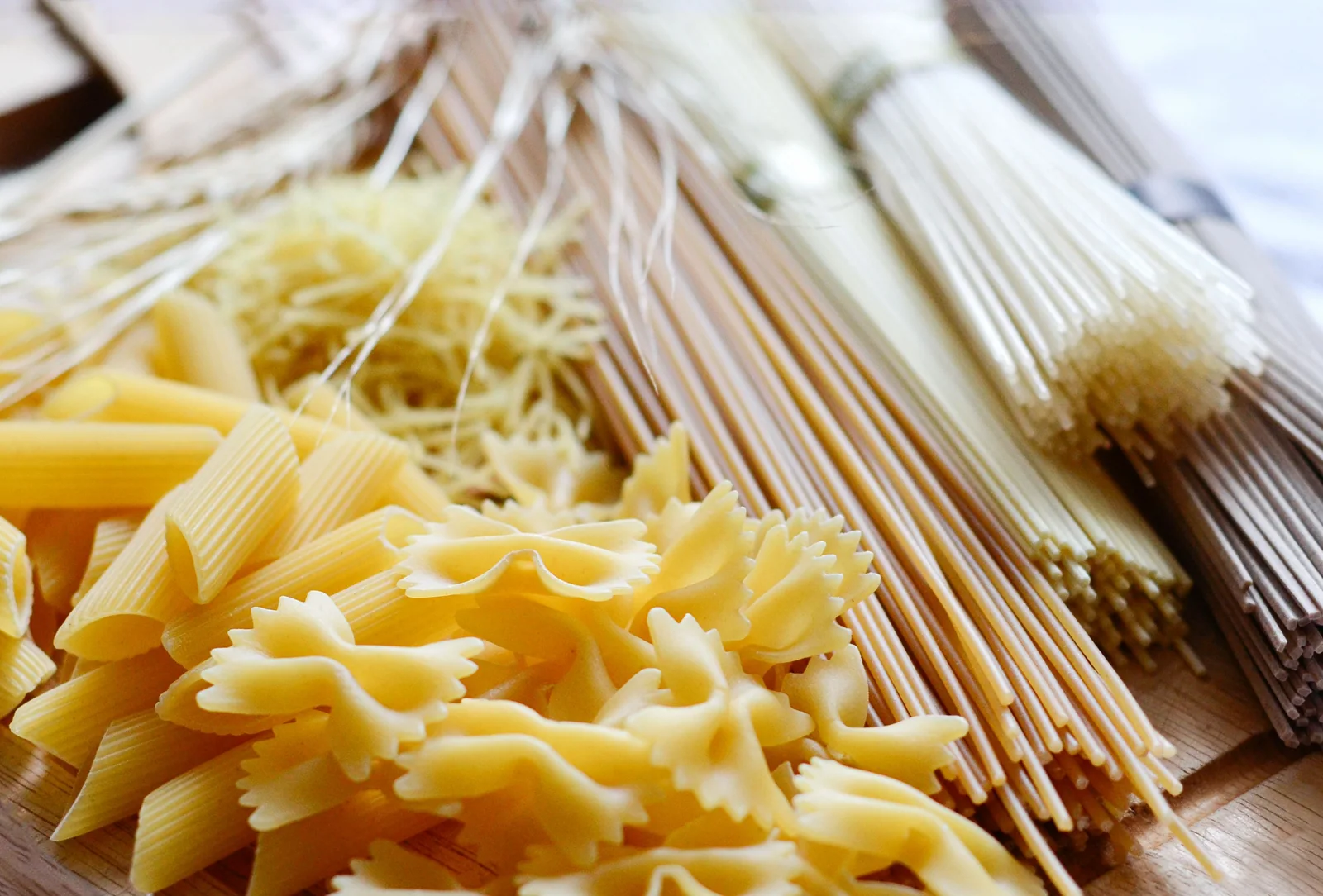
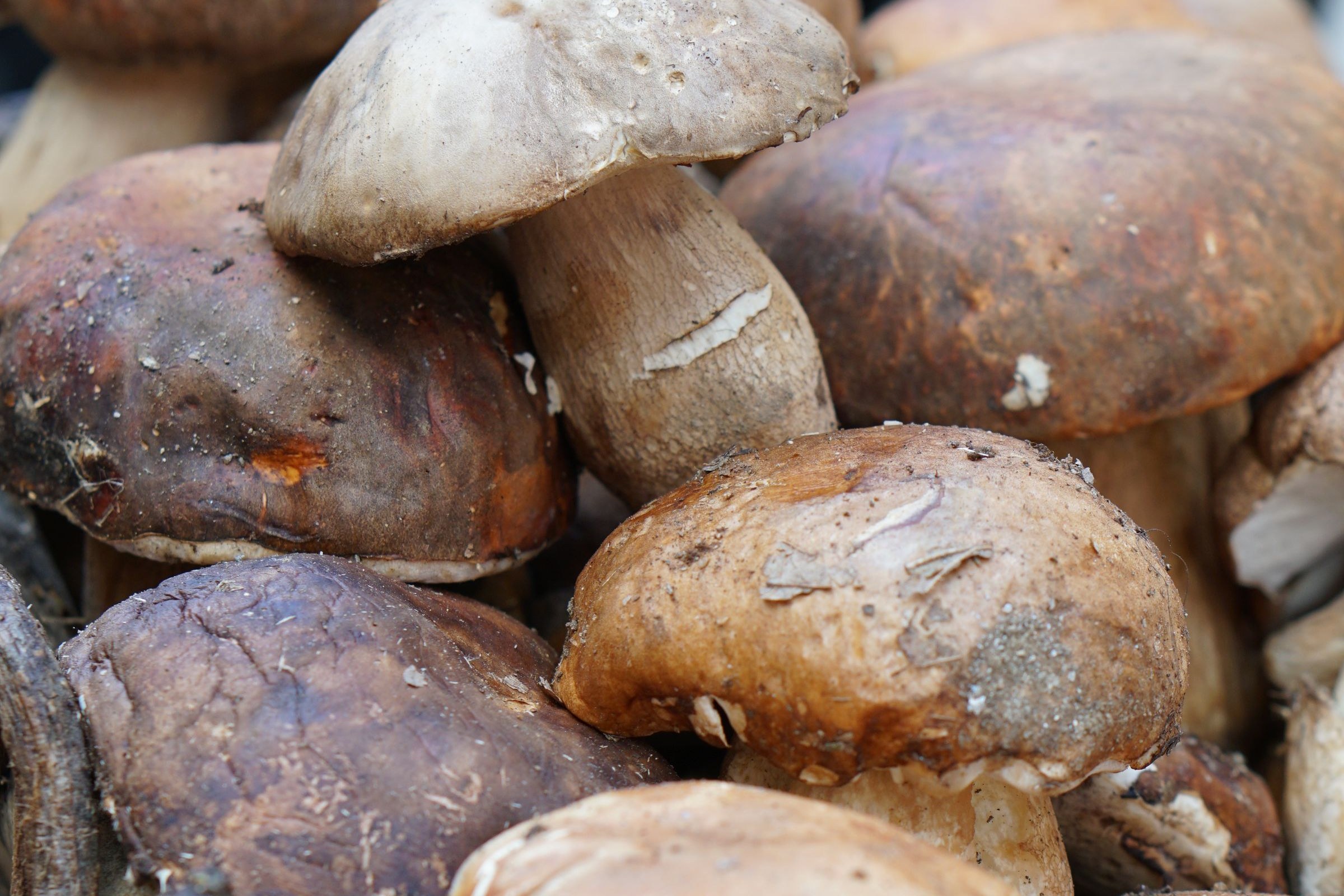
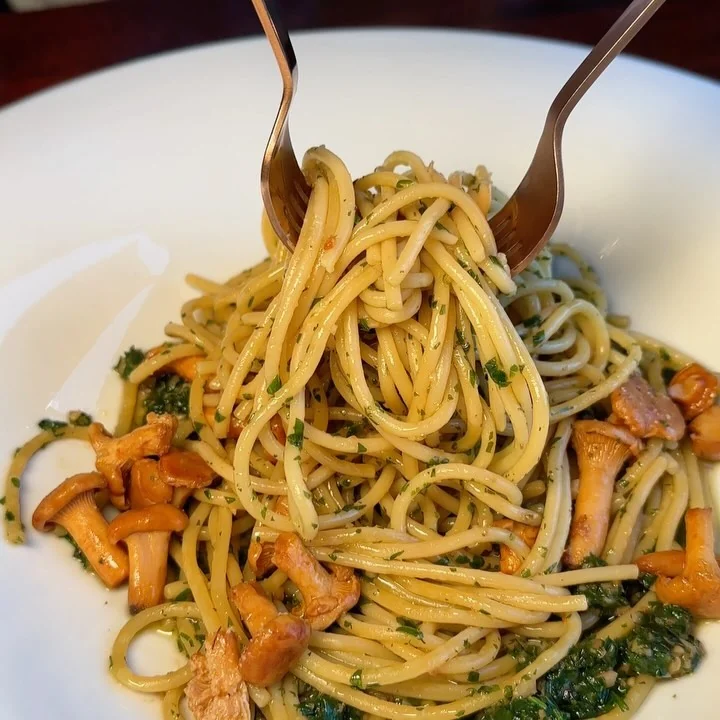
The Chanterelle Lemon Parsley Pasta combines spaghetti and house-made oil sauce with roasted chanterelle, fresh parsley, garlic, lemon and vegan Parmesan powder.
Lemon acidity meets the roasted mushroom aroma and the softness of the oil sauce, while fresh parsley contributes a fresh herbal note. The three ingredients take different directions and keep the pasta's flavour from leaning to one side.
A balance of mushroom, lemon and herb aromas
Lemon's role is clearest not in an intensely acidic bite alone but when pasta, chanterelle and fresh parsley are present together. The brightness of lemon and the aroma of parsley follow the roasted mushroom aroma.
In Mahina Vegan Table's Chanterelle Lemon Parsley Pasta, lemon is not decoration but a principal ingredient that adjusts the flavour between chanterelle and parsley.
Questions about lemons
- Are all lemons equally sour?
- The balance of acid and sugar varies with cultivar, maturity, growing environment and storage conditions.
- Does all lemon aroma come from the juice?
- The juice is the centre of acidity, while oil glands in the outer layer of the peel also play an important role in aroma.
- Is a more yellow lemon necessarily sweeter?
- Peel colour alone cannot determine the balance of acid and sugar. Cultivar, maturity and growing temperature influence both colour and flavour.
- How should a cut lemon be stored?
- Seal and refrigerate it to keep the exposed surface from drying, and use it as soon as practical to retain aroma and moisture.
Roasted mushroom aroma, lemon acidity and the freshness of flat-leaf parsley overlap on one plate.
View the Chanterelle Lemon Parsley Pasta