In this story
The short answer
In Paris in 1939, Joaquín Rodrigo and Victoria Kamhi sold their piano to pay hospital bills. That year Rodrigo completed Concierto de Aranjuez. Before a score for guitar and orchestra could reach its performers, the couple worked with braille, transcribed notes and corrected the music together.
Into the story
Two Musicians Meet in Paris
Rodrigo was born in Sagunto, Spain. He lost almost all his sight after contracting diphtheria in childhood and studied music in Valencia. Widely known for a guitar concerto, he was also a pianist. In 1927, he went to Paris to study composition with Paul Dukas. He needed other people's help to write music and read books. Rafael Ibáñez, who served as his secretary and copyist, read literature and philosophy to him; Rodrigo remembered him as someone who had taken the place of his eyes.
Victoria grew up in a wealthy family in Istanbul, but her circumstances changed when the family went bankrupt. With help from a piano teacher, she continued her studies and qualified as a music teacher in Paris. The two met in 1928. Victoria's father opposed her marriage to a musician with a visual impairment and an uncertain income. After family opposition and one separation, they married in Valencia in 1933. Even afterwards, a lack of money forced them to live apart at times.
After marriage, Victoria gave up her career as a pianist and became involved in her husband's work. Fluent in Spanish, French and German, she translated song texts and wrote librettos for performance works. Her words were used in the ballets Pavana real and Juana y los caldereros, and in the lyric comedy El hijo fingido. She also recast passages from the Dead Sea Scrolls as poetry for songs. Victoria translated into German and French the texts by Cervantes and Unamuno that Rodrigo set to music. The couple worked together with both notes and lyrics.
A Guitar Concerto Commissioned over a Meal
The commission for Concierto de Aranjuez arose over a meal in San Sebastián in September 1938. According to Rodrigo's own account, the guitarist Regino Sainz de la Maza asked him, as he was returning to France, to write a concerto for guitar and orchestra. The guitarist persuaded him by describing a long-held wish, and Rodrigo agreed after drinking Rioja wine. The Spanish Civil War was still continuing. He preserved the meal as a happy memory from an anxious period.
The order Rodrigo recalled is also interesting. About two months after that request, he wrote, the Adagio melody came to him all at once in his small studio on the rue Saint-Jacques in Paris. The final movement's theme soon followed. By contrast, he explained that he completed the first movement through calculation and reflection. The movement heard first in performance was written last. The work was completed in Paris in 1939, and when the couple returned to Spain, their luggage contained the concerto manuscript in braille.
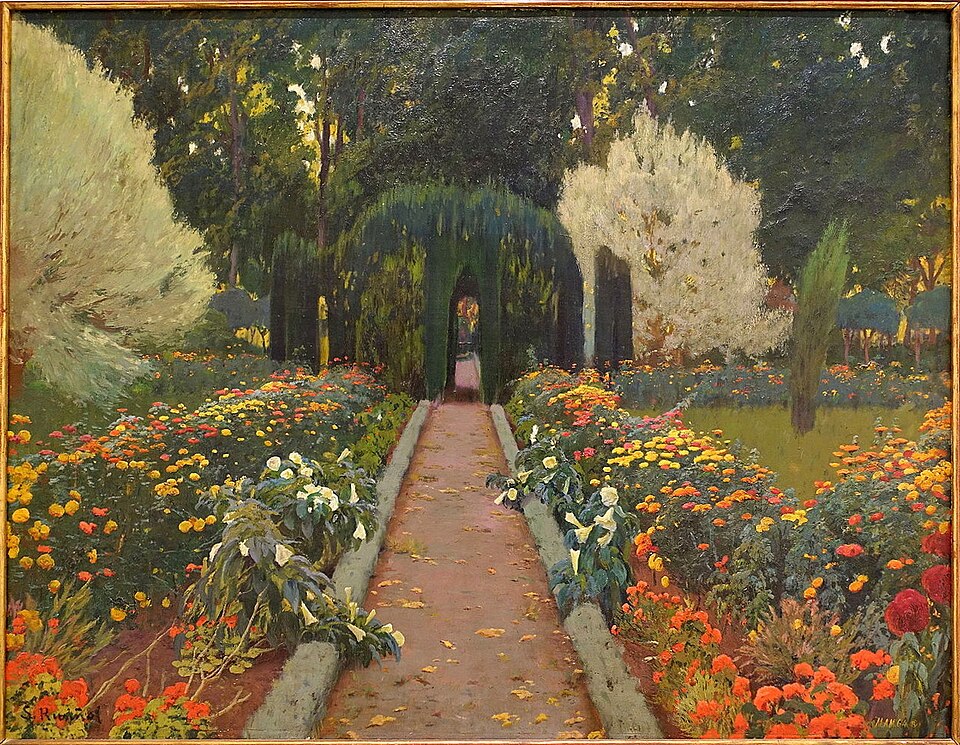
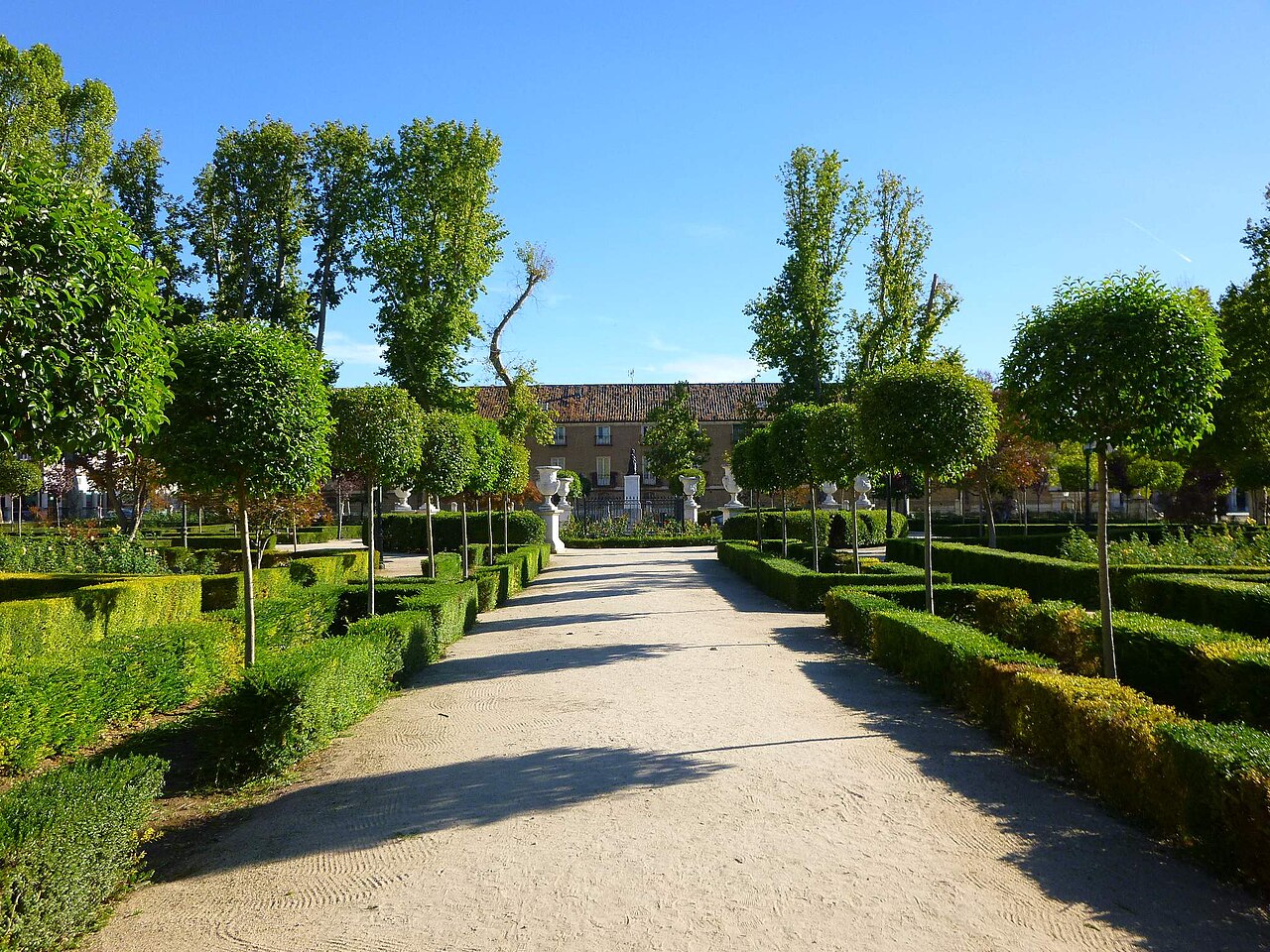
Aranjuez, south of Madrid, is known for a former royal summer palace and its gardens. Rodrigo and Victoria walked there together as newlyweds. Explaining the Adagio later, Victoria recalled those walks and the happiness of their early married life. Her memoir also describes the music as a love song. Many years later, in a book recording their life together, she returned to the work named after a place where they had walked.
The Year They Had to Sell the Piano
Their circumstances became harder with the outbreak of the Spanish Civil War. The scholarship that had helped Rodrigo study in Paris was suspended. The couple lived as Spanish refugees in a home for blind people in Freiburg, Germany, teaching Spanish and music in their room. There Rodrigo studied birdsong from the Black Forest and also wrote a piece called Song of the Cuckoo. Even when it was difficult to settle securely in one place, he continued listening to surrounding sounds and setting words to music.
In 1939, Victoria lost her unborn child and became critically ill herself. The couple sold their treasured Pleyel piano to pay for treatment. Victoria's memoir also records a recollection by their landlady, Amalia Carrasco: while his wife was in hospital, Rodrigo played the piano at night, making sorrowful melodies. The Pleyel had been a gift to Victoria from her parents. The record of its sale clearly conveys the financial difficulties they faced.
From a Braille Manuscript to a Performer's Score
Rodrigo composed using braille music notation. To give performers a score, it had to be transcribed into conventional notation. He dictated the notes to a professional copyist, instrument by instrument, also conveying details such as pitch, duration, sharps and flats. The copyist put these explanations onto staves, and Rodrigo made the final corrections with Victoria. Transcribing the concerto's instrumental parts required time to check the same music repeatedly through braille, dictation and staff notation.
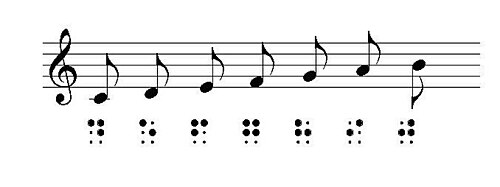
Sainz de la Maza received a copy of the transcribed score to prepare the premiere. The composer's braille score is also preserved today. Beside Rodrigo's braille manuscript were scores transcribed by Rafael Ibáñez, professional copyists and Victoria. He explained the parts instrument by instrument when dictating to a copyist and made the final corrections with Victoria. To make the guitar and orchestral music conceived by the composer readable by actual performers, several people wrote down notes and markings and checked them again.
A Melody Passing from English Horn to Guitar
The Adagio's opening melody is played by the English horn. The guitar supports it with plucked chords, then takes up the same phrase with added decoration. English horn and guitar share the theme, and later the guitar plays it in full alone. In the ensuing cadenza, the soloist unfolds a long passage without orchestral accompaniment. The orchestra then plays the theme with great volume. A dialogue beginning with the soloist's quiet sound expands into an ensemble of many instruments.
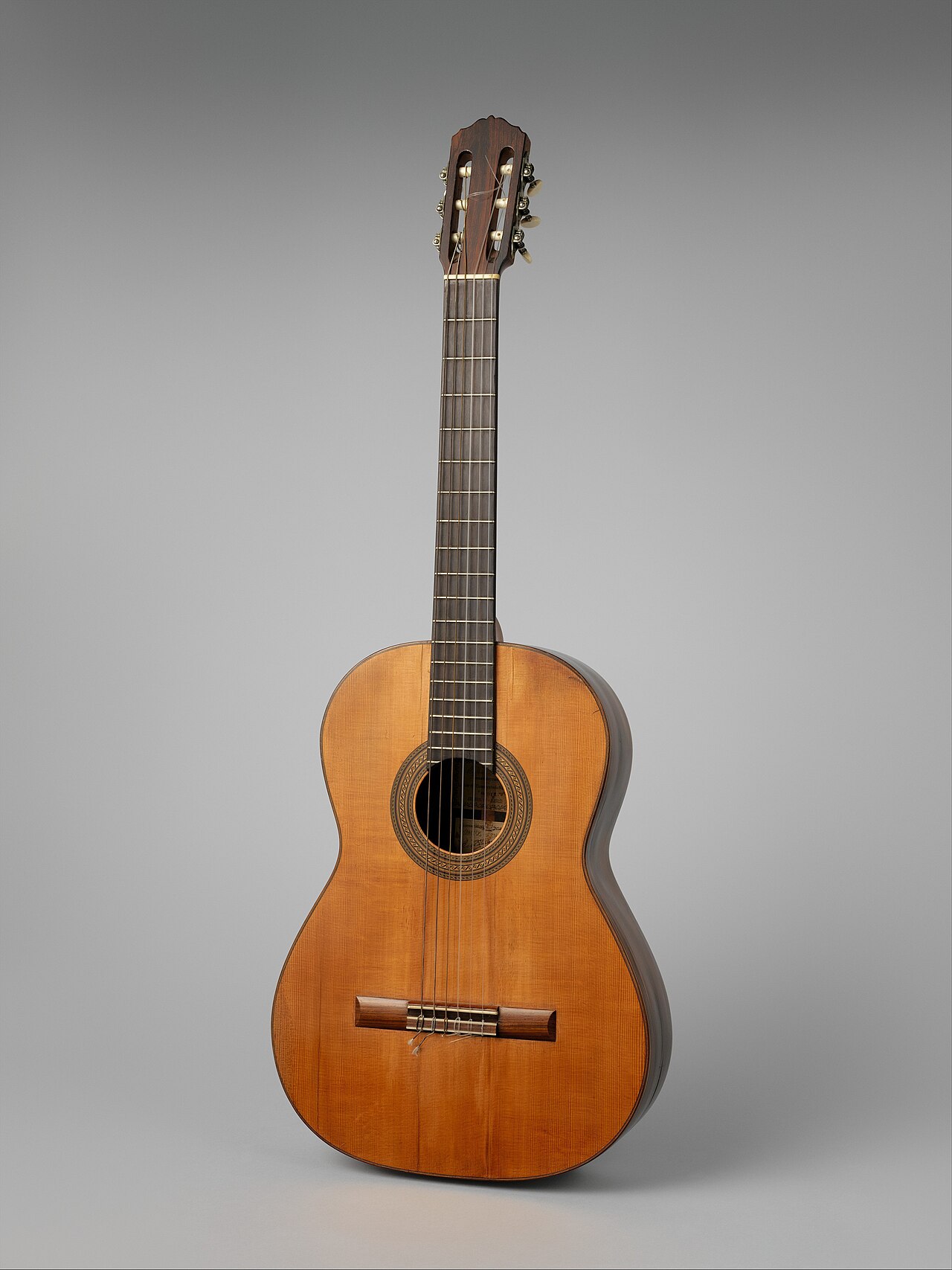
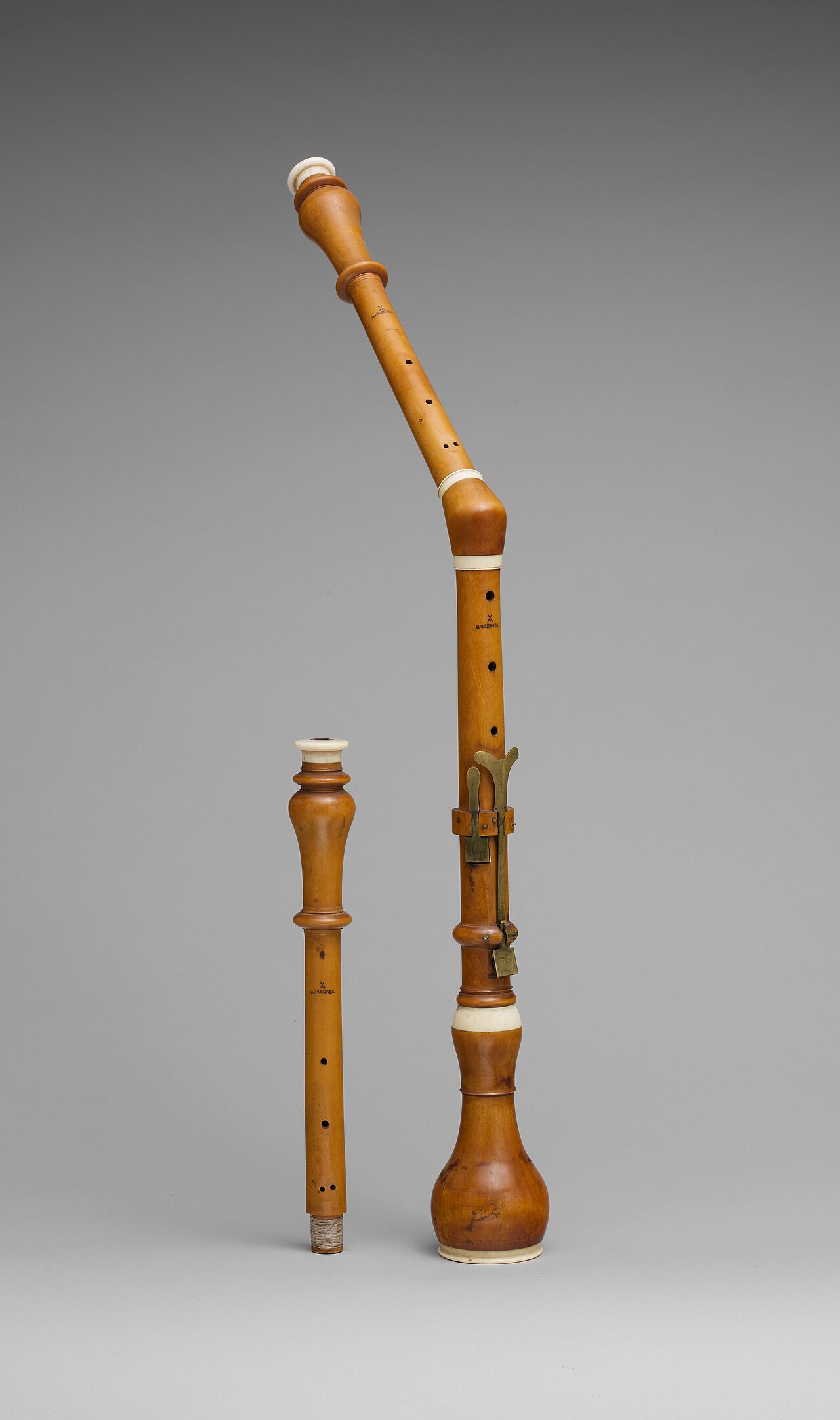
The contours of this melody can also be heard in connection with the deep song of Andalusia, cante jondo. In the first and final movements, six beats may be counted as two groups of three or three groups of two. The orchestra takes up the rhythm introduced by the guitar strumming across its strings. Hearing the central movement's long melody alongside the dance rhythms on either side makes the concerto's design clear. The Adagio ends with a brief major-key close and a guitar trill.
The Barcelona Premiere and Mahina's Playlists
The concerto was first performed at the Palau de la Música Catalana in Barcelona on 9 November 1940. Sainz de la Maza played the guitar, and César Mendoza Lasalle conducted the Barcelona Philharmonic. Music written in braille in Paris was now played together by soloist and orchestra. Victoria recovered from her illness and gave birth to their daughter Cecilia the following year. Records of the couple continuing to compose and prepare performances after selling their piano describe their lives concretely through the concerto's completion and premiere.
In Mahina's lunch playlist, the Adagio appears from the album James Galway Plays Rodrigo. The album features flautist Galway and guitarist Kazuhito Yamashita. Yamashita recorded Concierto de Aranjuez with the Jean-François Paillard Chamber Orchestra. Galway performed a flute arrangement of Fantasía para un gentilhombre, originally written for guitar. The two musicians presented Rodrigo's music on guitar and flute respectively. The album also includes Galway's performance of the Concierto pastoral.
Narciso Yepes, also included in both lunch and dinner playlists, gave an important performance in the work's wider dissemination. In 1950, he played the concerto with the Spanish National Orchestra under Ataúlfo Argenta at the Théâtre des Champs-Élysées in Paris, ten years after the Barcelona premiere. The couple's daughter Cecilia later established a publishing company and a foundation bearing both their names. The foundation preserves the composer's manuscripts. The work of passing on the scores Victoria and Joaquín prepared together continued into the next generation of their family.
Listening at Mahina
Mahina's lunch and dinner music includes excerpts from Concierto de Aranjuez played by Narciso Yepes. When you hear the guitar melody, we hope you will remember Rodrigo and Victoria side by side: they transcribed braille into musical notes and corrected the scores together.