In this story
Fine capellini cooks in 2–5 minutes, while large, thick paccheri takes around 14–16 minutes. A light coating of oil-based sauce suits delicate strands, while a generous mushroom ragù complements broad ribbons, bringing pasta and sauce together in every bite.
Pasta's texture depends on its thickness, moisture and ingredients. Ridges, hollow centers and spirals give sauces and vegetables places to cling. Explore the characteristics and cooking times of shapes ranging from long strands to filled pasta, along with the pasta and dishes served at Mahina.
1. Pasta Ingredients
The Basics of Dried Pasta: Durum Wheat Semolina and Water
Traditional dried wheat pasta is made from semolina, coarsely milled durum wheat (Triticum durum), and water. Manufacturers mix semolina with water to form a dough, shape it and dry it. Other products use plant-based ingredients such as common wheat, whole wheat, rice, corn, pulses or vegetable powders.
Durum semolina is widely used for dried pasta for more than its color. When semolina is mixed with water and worked into a dough, its proteins form a network around the starch granules. A strong network holds the starch in place, reducing the amount that escapes into the cooking water and helping prevent an excessively sticky surface. The strength of this network varies with the ingredient blend and dough-making process.
Plant-Based Fresh and Filled Pasta
Fresh pasta can be made with flour and water, with vegetable powders adding color and flavor. Plant-based fillings for ravioli and tortellini include mushrooms, squash, pulses and tofu. The moisture and texture of the filling, as well as the thickness of the dough, influence the bite.
Gluten-Free Pasta
Gluten-free pasta is made from ingredients such as rice, corn, buckwheat and pulses. Other grains or pulses can replace wheat while retaining shapes such as spaghetti, penne and fettuccine. Fettuccine made from a blend of corn and rice on a dedicated production line is one example.
“Gluten-free” means that a food's gluten content falls below a defined threshold. In the European Union, the label may be used for foods containing no more than 20mg/kg of gluten as sold to consumers. If you need to avoid gluten, check both the gluten-free label and the allergen information on the package.
2. How Manufacturers Make Pasta
Manufacturers mix semolina with water, shape the dough, then dry it under controlled temperature and humidity. At each stage, they adjust particle size, dough moisture, dies and drying conditions to achieve the desired surface and texture.
2-1. Milling Durum Wheat and Selecting Ingredients
Durum wheat is milled into semolina. Manufacturers assess its protein content, particle size, color and defects to select ingredients for their intended product. Along with the raw ingredients, the subsequent mixing, shaping and drying conditions affect the quality of the cooked pasta. Two products with the same ingredient list can absorb water differently and have different textures if they are made differently.
2-2. Mixing the Dough
Semolina and water are mixed evenly. Before shaping, the dough generally contains 29–32% moisture. Too little water leaves the semolina particles insufficiently hydrated; too much makes the dough difficult to extrude through a die. Even hydration helps produce a consistent shape in the next stage.
2-3. Extruding or Rolling and Cutting
Extrusion forces dough through openings in a die to make shapes such as spaghetti, penne and fusilli. Other pasta is rolled into thin sheets and cut to the desired width to make tagliatelle, fettuccine or lasagne. Different extrusion and rolling methods can also change the arrangement of proteins and starch within the pasta.
2-4. How Dies Affect the Surface
A bronze die is a shaping tool made of bronze. Pasta extruded through bronze dies generally has a rougher surface than pasta made with PTFE dies. PTFE, commonly known as Teflon, produces a relatively smooth surface. These surfaces also absorb water differently at the start of cooking. The finished pasta's resilience depends on the ingredients, extrusion pressure, drying method and thickness as well as the die.
2-5. Drying the Pasta
Pasta is dried under controlled temperature, humidity and airflow to reduce its moisture content from about 30% immediately after shaping. Finished dried pasta typically contains around 12.5% moisture. The rate of moisture loss and the drying temperature affect cracking, protein structure, color and texture.
Higher temperatures strengthen the protein structure, helping pasta resist becoming overly soft during cooking. They also accelerate the Maillard reaction, in which sugars and protein components react under heat, changing flavor, aroma, color and nutritional components. Manufacturers combine drying temperatures and times to achieve their intended texture and flavor.
3. Dried and Fresh Pasta Compared
| Category | Dried Pasta | Fresh or Refrigerated Pasta |
|---|---|---|
| Moisture and Storage | Drying greatly reduces moisture, typically to around 12.5% in the finished product. Keep it protected from humidity after opening. | Contains more moisture than dried pasta. Follow the stated storage temperature and use-by date for refrigerated or frozen products. |
| Common Production Methods | Dough is extruded through a die or rolled and cut, then dried. Products include long strands, ribbons and broad sheets. | Rolled and cut ribbons, sheets and filled pasta are common. Extruded fresh pasta is also available. |
| Ingredients | Many products use durum semolina and water; others use whole wheat, rice, corn or pulses. | Products range from flour-and-water dough to vegetable-enriched dough and pasta with plant-based fillings. |
| Cooking Time | Typical ranges are 2–5 minutes for fine angel hair and 14–16 minutes for thick paccheri. | Its higher moisture content often means it cooks faster than dried pasta, although thickness and fillings can make a substantial difference. |
| Texture | Thickness, ingredients, extrusion and drying methods all influence resilience and firmness. | Softness and resilience vary considerably with moisture, ingredient proportions, dough thickness and fillings. |
Choose dried pasta for a resilient bite and the varied textures of spirals and tubes; fresh pasta is a good choice for tender ribbons or flavorful fillings. For dishes finished in a sauce pan or oven, allow for that additional cooking when judging how firm the pasta should be.
4. Matching Sauces to Pasta Shapes
4-1. Fine, Smooth Strands and Light Sauces
Very fine pasta such as capellini cooks through quickly. Heavy pieces can weigh down the strands or make them clump, so light tomato sauces, clear vegetable broths and well-blended oil-based sauces work well. For a richer sauce, finely chop the ingredients and use a smaller amount to keep the strands separate.
4-2. Broad Ribbons and Thick, Substantial Sauces
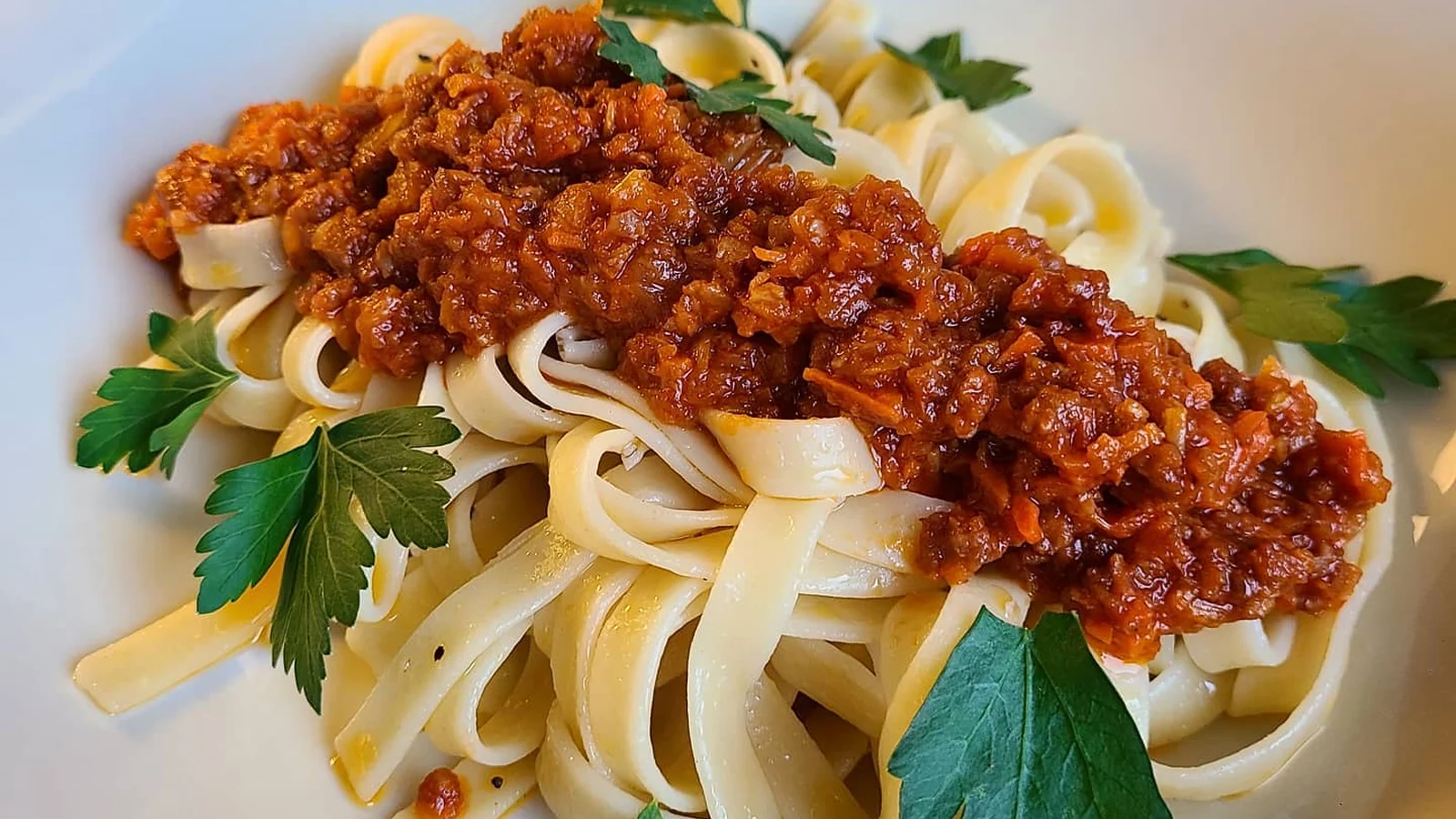
The broad surfaces of tagliatelle, fettuccine and pappardelle take an even coating of mushroom ragù or plant-based cream sauce. Small pieces of finely chopped mushrooms or vegetables also settle between the ribbons.
4-3. Hollow Tubes and Chunky Sauces
Penne, rigatoni and paccheri hold sauce and finely cut ingredients inside their tubes as well as on their outer surfaces. Wider, thicker tubes accommodate larger pieces and are more likely to retain their shape during an additional bake.
4-4. Versatile Sauces for Spirals and Ridges
The grooves and curves of fusilli, fusilloni and cavatappi hold oil-based sauces, tomato sauces, pesto and chopped vegetables. Larger spirals with rougher surfaces also retain thicker sauces and larger pieces of ingredients throughout the shape.
4-5. Concave Shapes and Small Ingredients
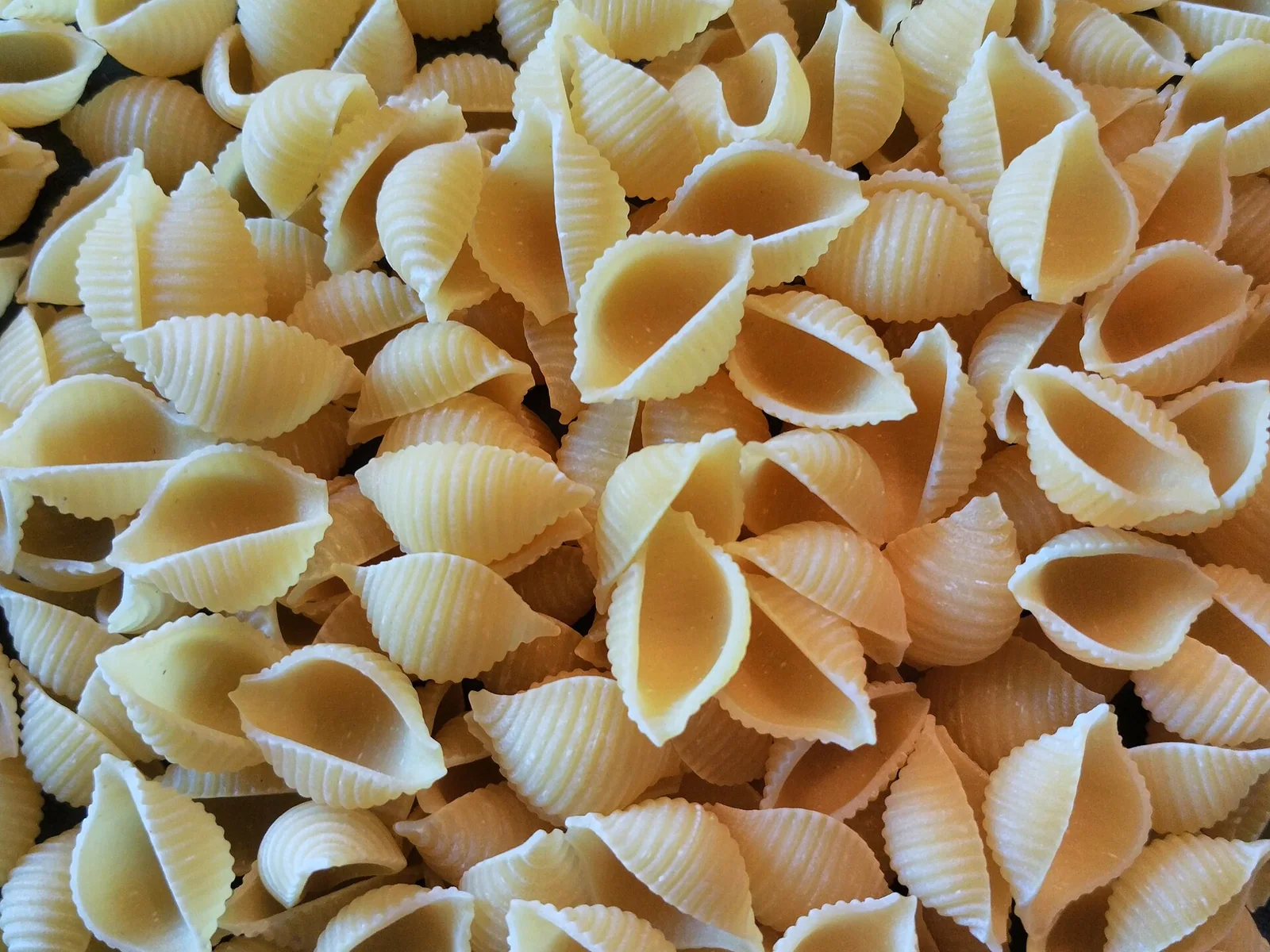
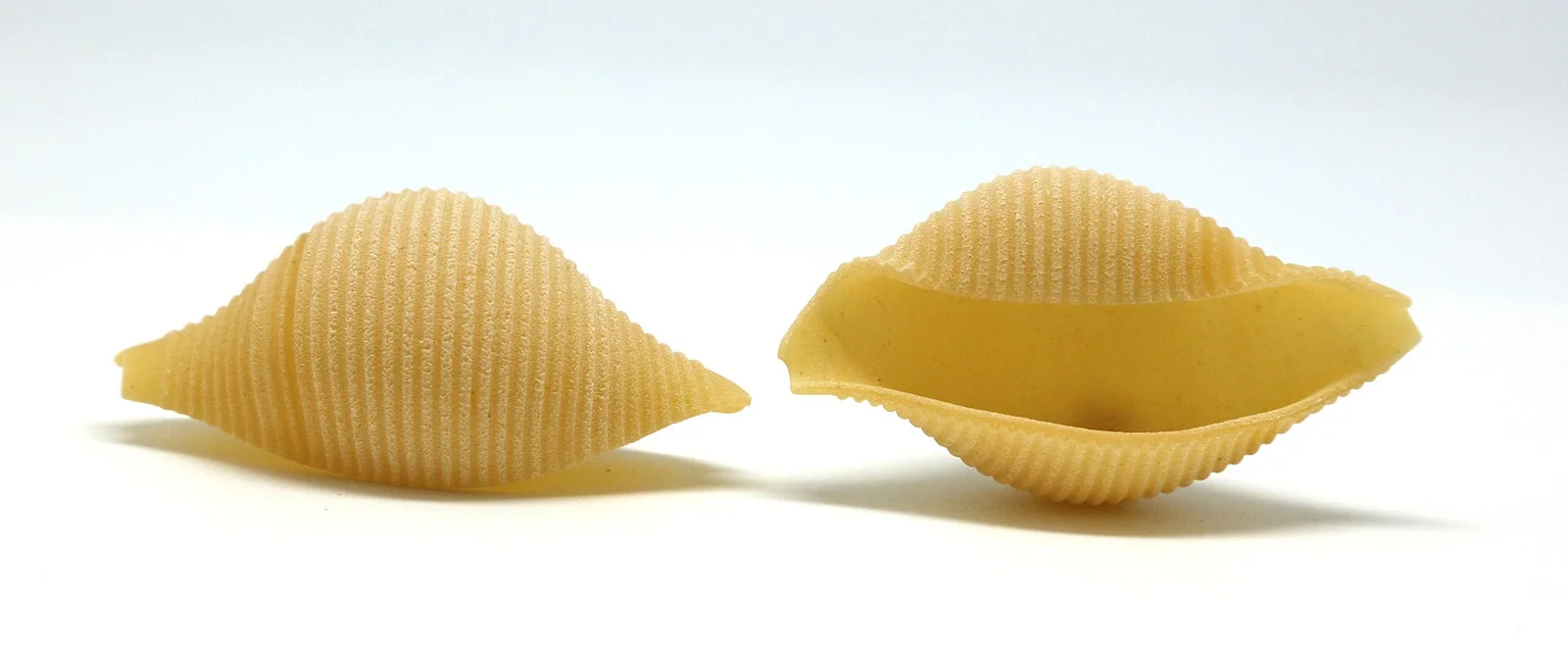
The hollows in orecchiette and conchiglie gather beans, chopped vegetables and small pieces from a sauce. Large conchiglioni can also be stuffed and baked.
4-6. Sauces That Complement Filled Pasta
Ravioli and tortellini enclose a filling in dough. An overly heavy sauce or very large pieces can obscure the filling's flavor and texture. Adjust the sauce's saltiness and consistency to suit the filling, whether mushrooms, squash, pulses or tofu.
5. Pasta Shapes and Cooking Times
The tables below summarize cooking times for representative products. Al dente describes pasta with a slightly firm center when bitten. Begin tasting as you approach the shorter end of the time range, and cook in additional 30-second intervals for a softer texture. Drain pasta a little earlier if you will finish it in a sauce pan.
5-1. Long Pasta: Round and Flat Strands
| Name | Shape and Characteristics | Suggested Sauces | Typical Cooking Time | Cooking Tips |
|---|---|---|---|---|
| Spaghetti | A classic long pasta made of round strands. Its name comes from the Italian spago, meaning string. Diameter varies by product. | Oil-based or tomato sauces coat the round strands evenly. Twirling the pasta onto a fork also gathers medium-sized pieces of ingredients. | 9–12 minutes. Some products specify 10 minutes for al dente. | Keep the strands evenly separated as they cook. If finishing in a sauce pan, drain while the center is still slightly firm. |
| Capellini / Angel Hair | Long, round strands much finer than spaghetti. As the name suggests, they are thin enough to resemble hair. | Light tomato sauces, clear vegetable broths and well-blended oil-based sauces form a delicate coating. | 2–5 minutes. | These very fine strands can change texture in just a few dozen seconds. Start tasting as the cooking time approaches 2 minutes. |
| Linguine | Long and flat, but narrower and thinner than fettuccine. The name means “little tongues.” | Plant-based pesto and oil-based sauces cling well to the flat strands. Tomato sauces also work well. | 9–12 minutes. Some products specify 10 minutes for al dente. | Taste the thicker center of the cross-section. Toss in the pan to coat both flat sides with sauce. |
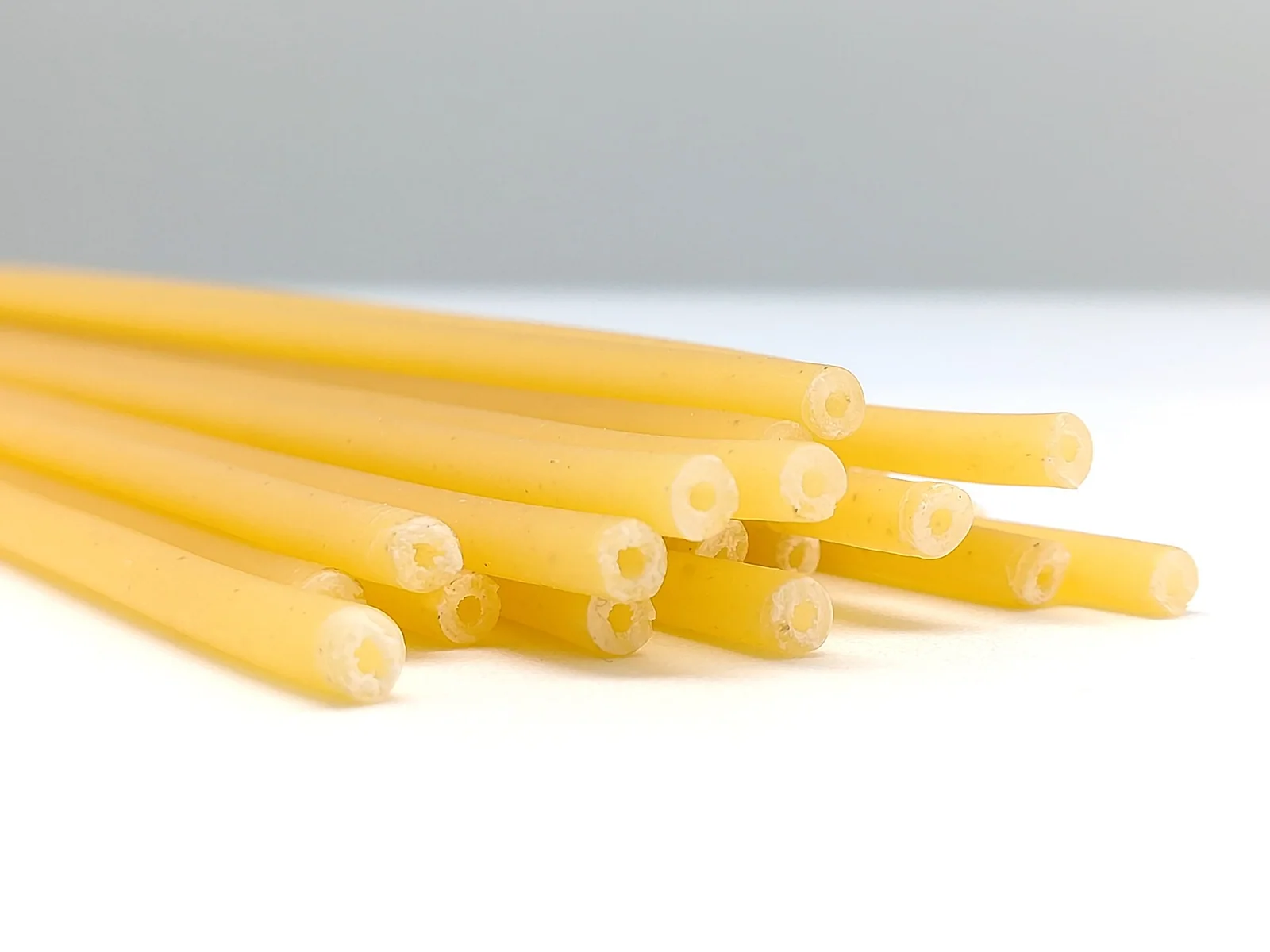
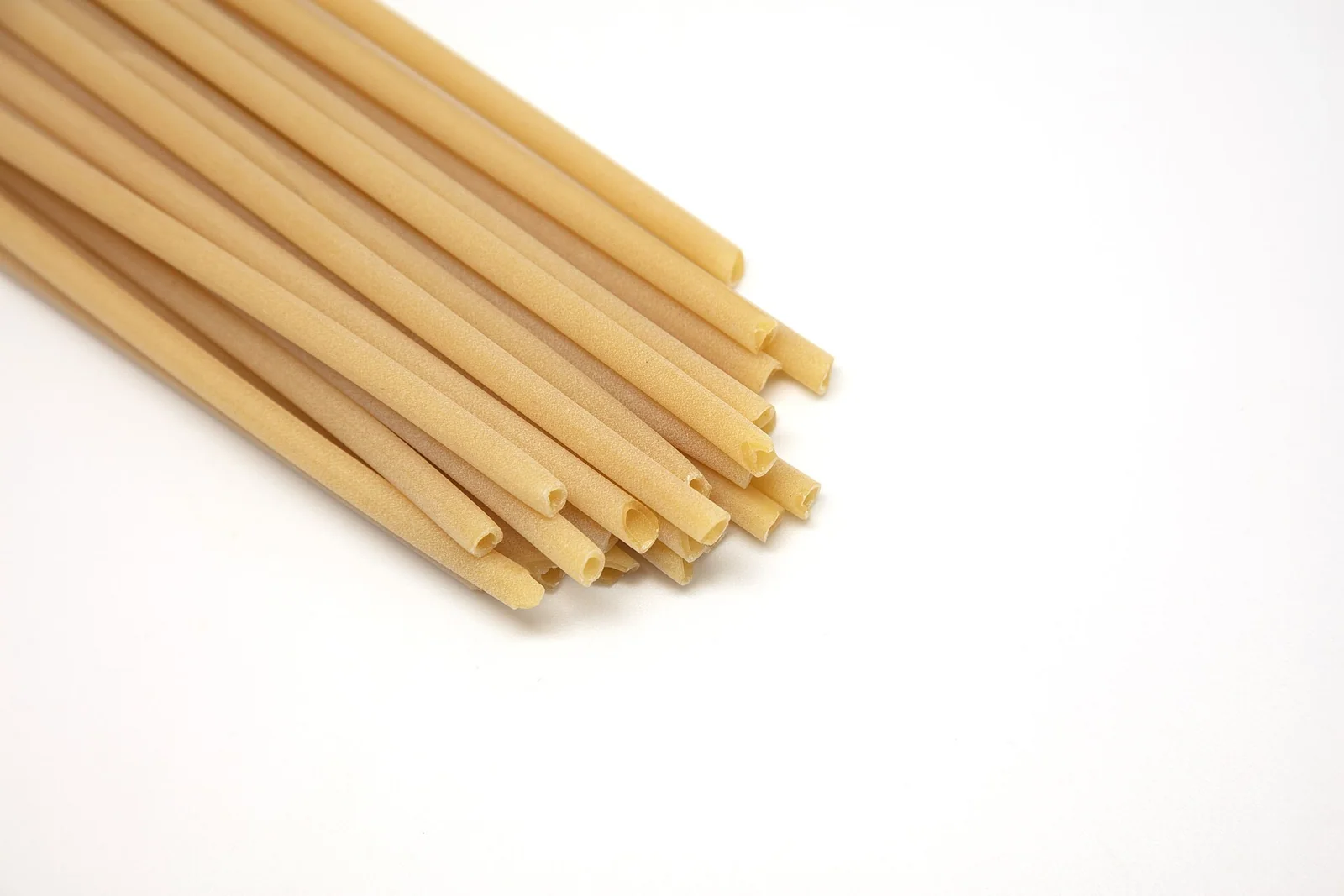
| Bucatini | Long like spaghetti, but tubular, with a narrow hole running through the center. | Sauce touches both the outside and the hollow interior. These strands are good for twirling with a thick tomato sauce or a pepper-and-oil sauce. | 9 minutes for al dente; 11 minutes for a fully cooked texture. | Cut a strand to check the firmness of the tube wall. Leave some resilience in the center when draining for a pan finish. |
| Spaghetto Quadrato | Unlike round spaghetti, these substantial, thick strands have a square cross-section. | Their corners and rough surfaces take a generous coating of rich tomato sauce, plant-based ragù or oil-based sauce. | 13 minutes. | Bite through a strand to check that the thick center is cooked before draining. |
5-2. Ribbons and Broad Pasta Sheets
| Name | Shape and Characteristics | Suggested Sauces | Typical Cooking Time | Cooking Tips |
|---|---|---|---|---|
| Tagliatelle | Long, flat ribbons. Some products are about 5mm wide, although width varies. | Finely chopped mushroom ragù and plant-based cream sauces coat the broad surfaces evenly and settle between the ribbons. | Dried: 5–9 minutes. | Gently loosen nests once they soften in the water, allowing overlapping sections to cook evenly. |
| Fettuccine | Long, flat ribbons resembling tagliatelle. Width and thickness vary by product. | The broad, thick ribbons hold substantial sauces such as plant-based cream, tomato sauce and mushroom ragù. | Dried: 10–13 minutes. Some products specify 10 minutes for al dente. | Separate the broad ribbons to prevent sticking, then toss evenly in the sauce pan. |
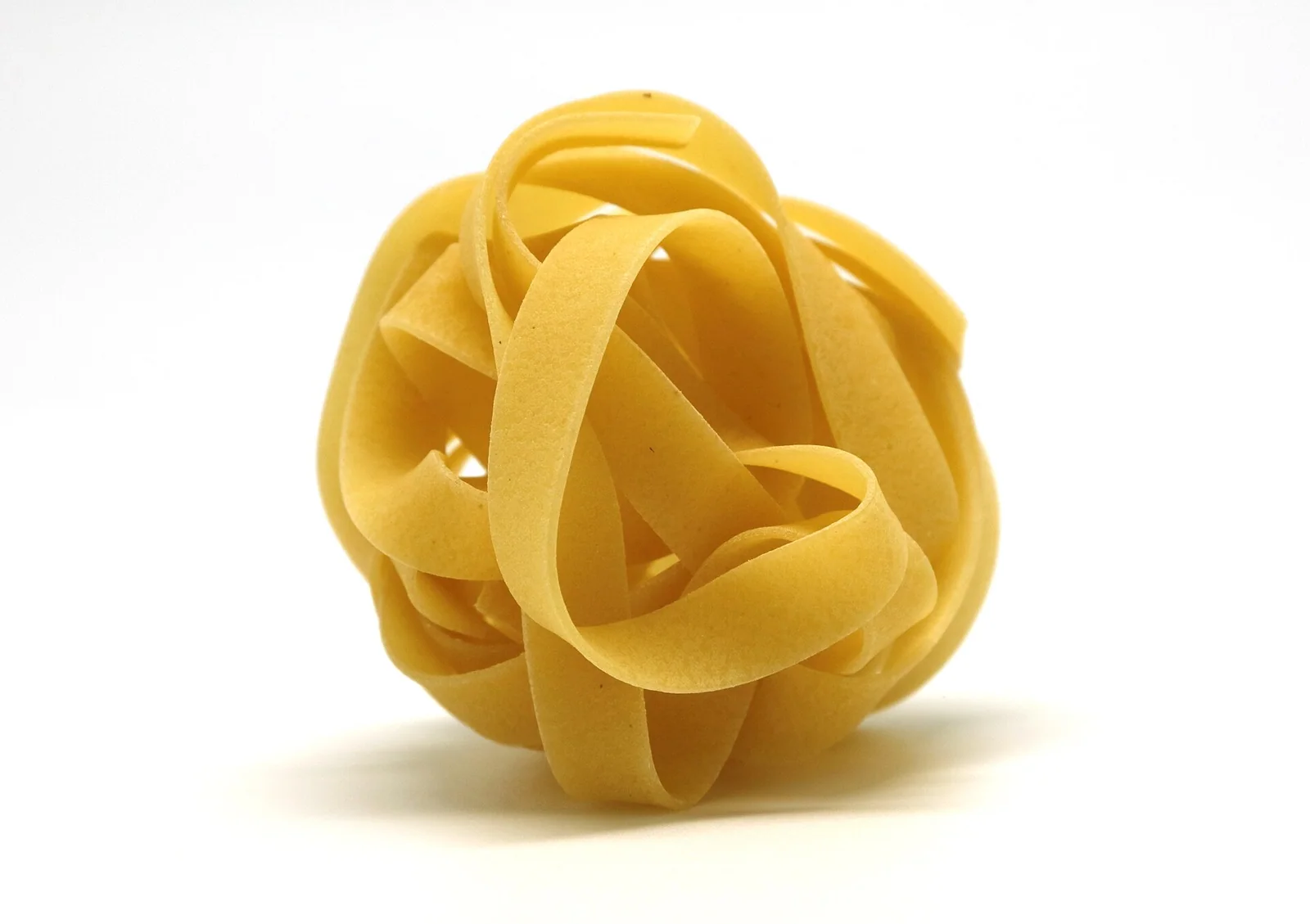
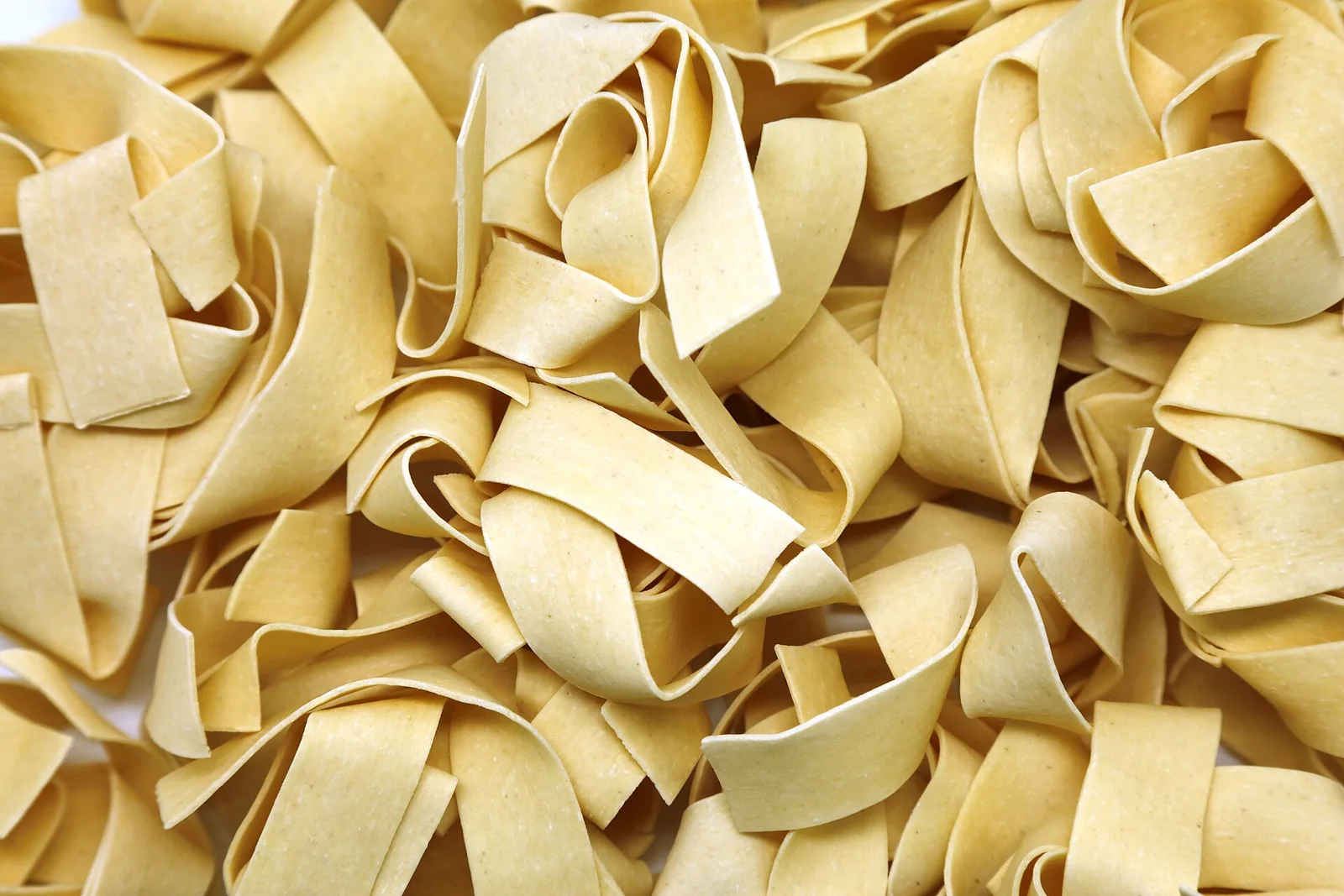
| Pappardelle | Much broader and more substantial than tagliatelle, these ribbons have a pronounced bite. | The broad surfaces hold a rich ragù of finely chopped vegetables and mushrooms or a plant-based cream sauce. | One dried product made with semolina and water specifies 10 minutes. | Separate the broad ribbons so they do not overlap and stick. Toss gently with the sauce to avoid tearing. |
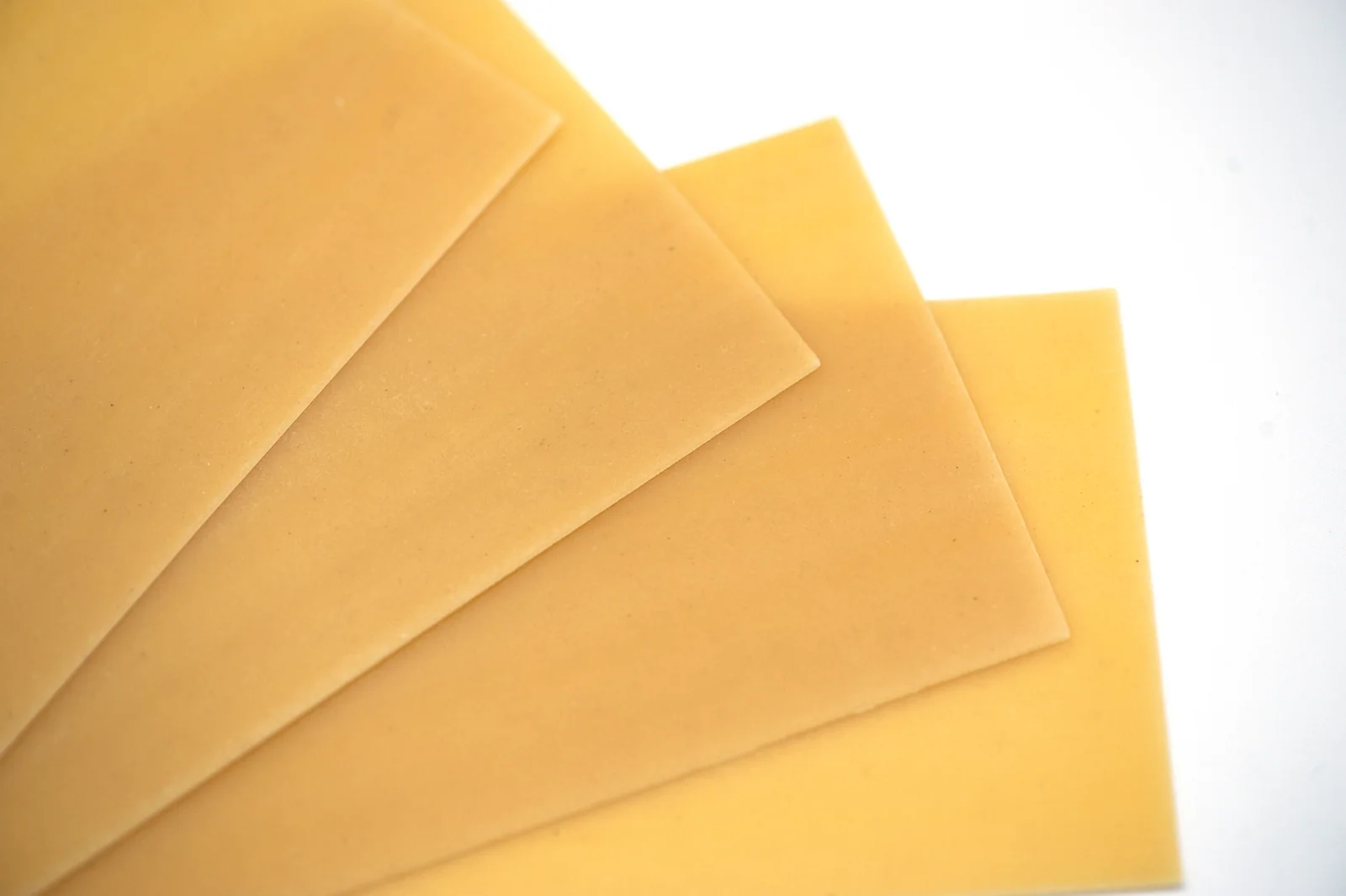
| Lasagne / Lasagna Sheets | Broad, flat sheets. Products include flat sheets, wavy-edged sheets and oven-ready sheets that need no preboiling. | Layer vegetable ragù, plant-based cream sauce and roasted vegetables between the broad sheets. | One product requiring preboiling specifies 8 minutes, followed by baking in the oven with sauce. | Cook sheets that require preboiling separately before layering. Give oven-ready sheets enough moisture from the sauce to cook all the way to the edges. |
5-3. Tubular Pasta
| Name | Shape and Characteristics | Suggested Sauces | Typical Cooking Time | Cooking Tips |
|---|---|---|---|---|
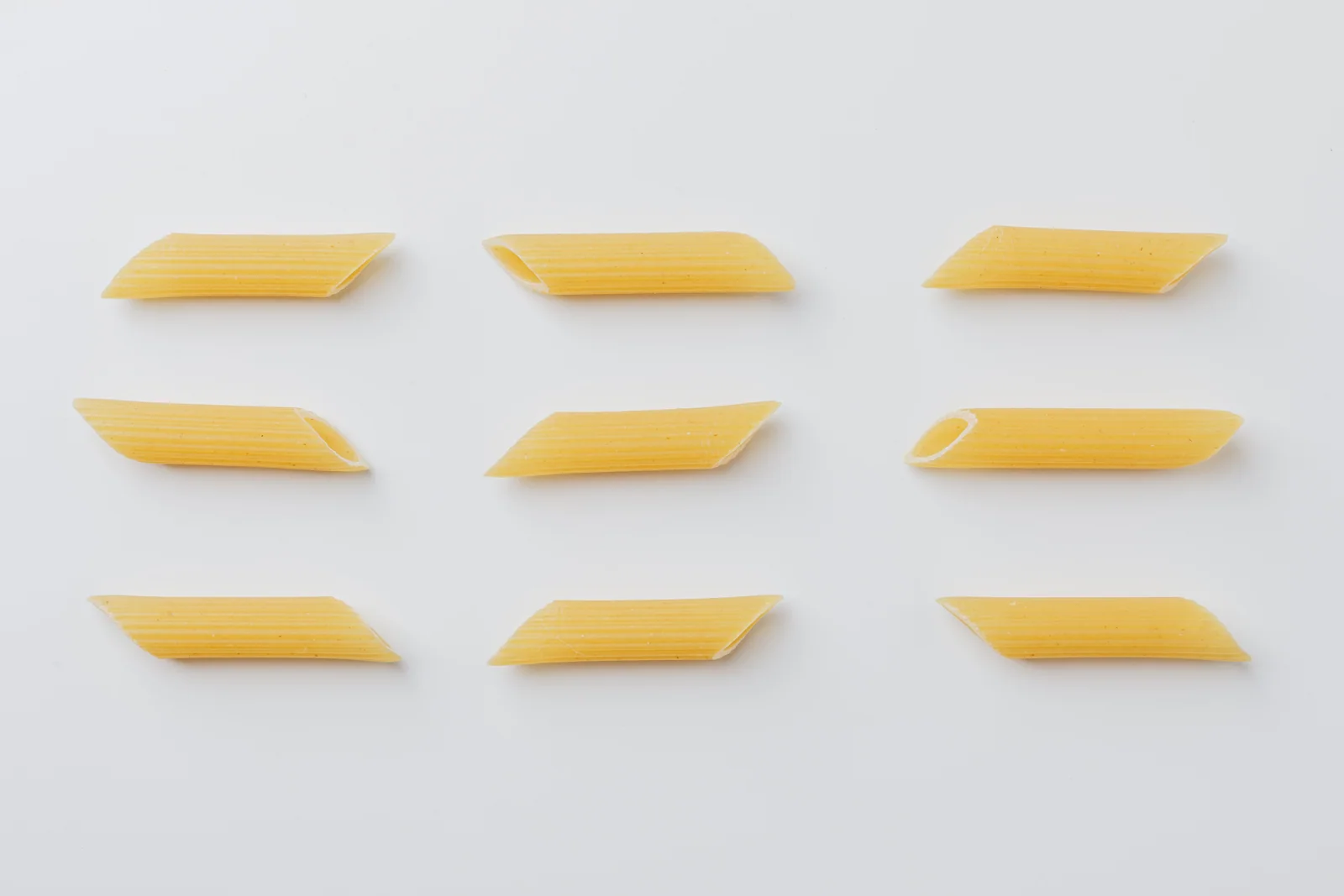
| Penne / Penne Rigate | Short tubes with diagonally cut ends. Rigate means that they have lengthwise ridges. | Sauce and finely cut vegetables collect inside the tubes, while thick sauce clings to the outer ridges. | 10–12 minutes. Some products specify 10 minutes for al dente. | Bite through the center of the tube wall. Drain slightly firm if the pasta will be cooked again in the oven. |
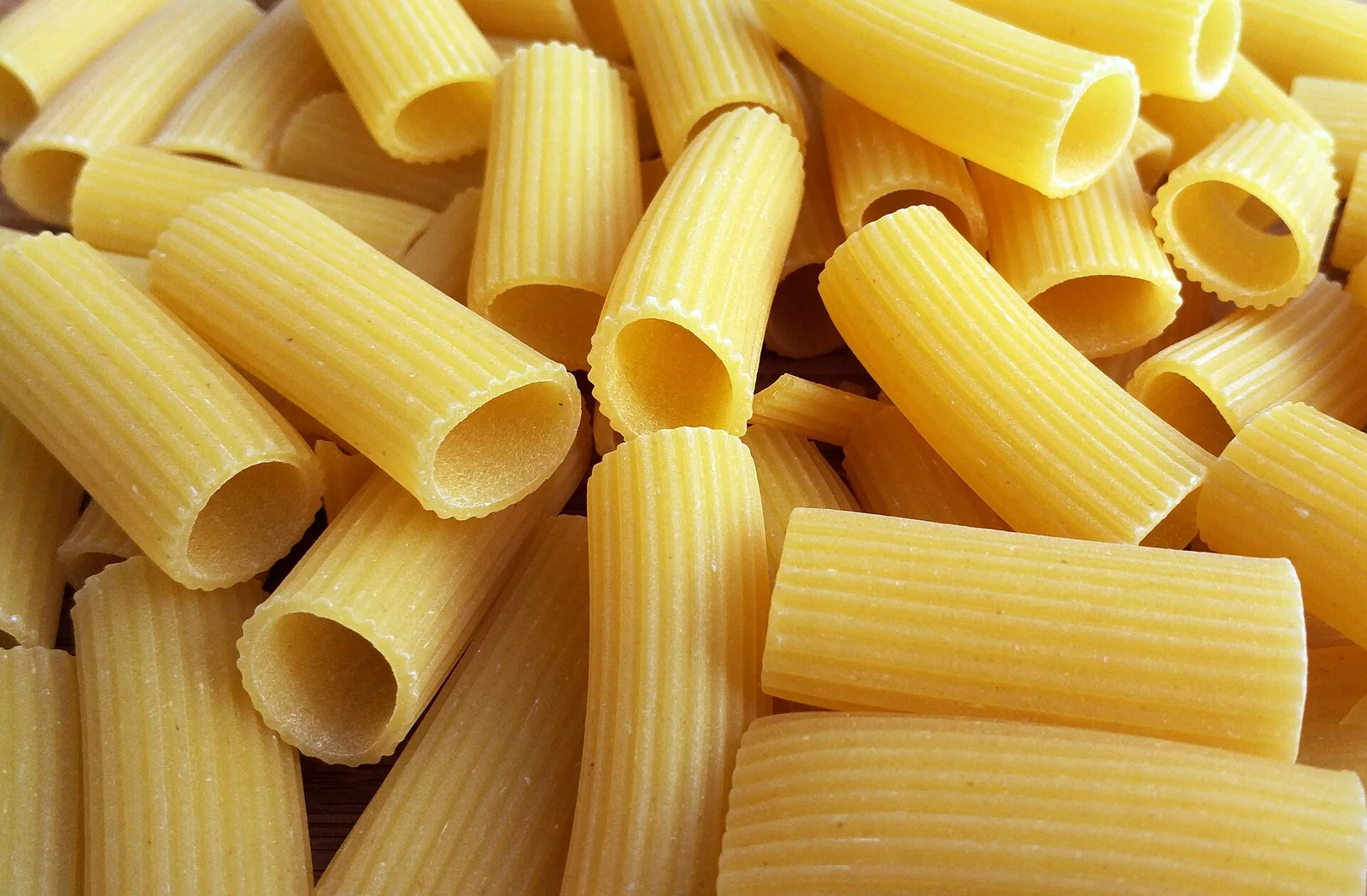
| Rigatoni | Tubes wider than penne, usually with straight-cut ends and pronounced ridges. | The large openings and deep ridges hold mushroom ragù and finely cut vegetables. The pasta also holds its shape well during an additional bake. | 12–14 minutes. Some products specify 12 minutes for al dente. | Check that the thick tube walls have cooked evenly. Toss in the pan so sauce enters the tubes as well. |
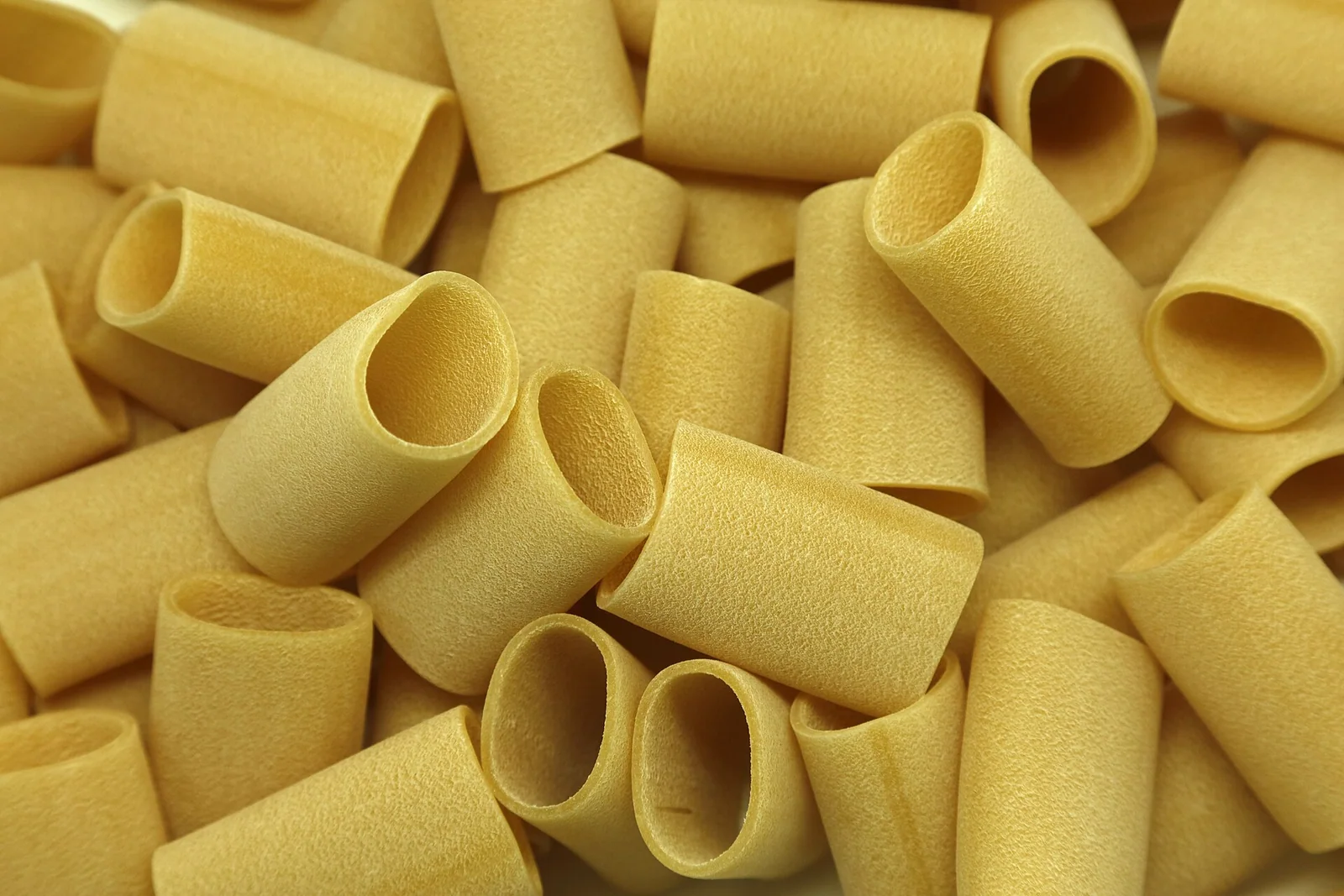
| Paccheri | Tubes much larger than rigatoni. Just one or two pieces can hold substantial fillings or ragù. | The wide openings hold rich mushroom ragù and large pieces of vegetables. Paccheri also works well stuffed and baked. | 14 minutes for al dente; 16 minutes for a fully cooked texture. | Stir slowly to avoid breaking the large tubes. For stuffing and baking, drain while firm enough to retain their shape. |
| Ziti | Long, smooth, straight tubes cut into shorter lengths. | Sauce enters the tubes, making them useful for baked dishes layered with vegetables and sauce. | 11–12 minutes. | Combine the boiled pasta with vegetables and sauce before baking. Drain a little early to allow for the additional cooking. |
5-4. Twisted and Folded Pasta
| Name | Shape and Characteristics | Suggested Sauces | Typical Cooking Time | Cooking Tips |
|---|---|---|---|---|
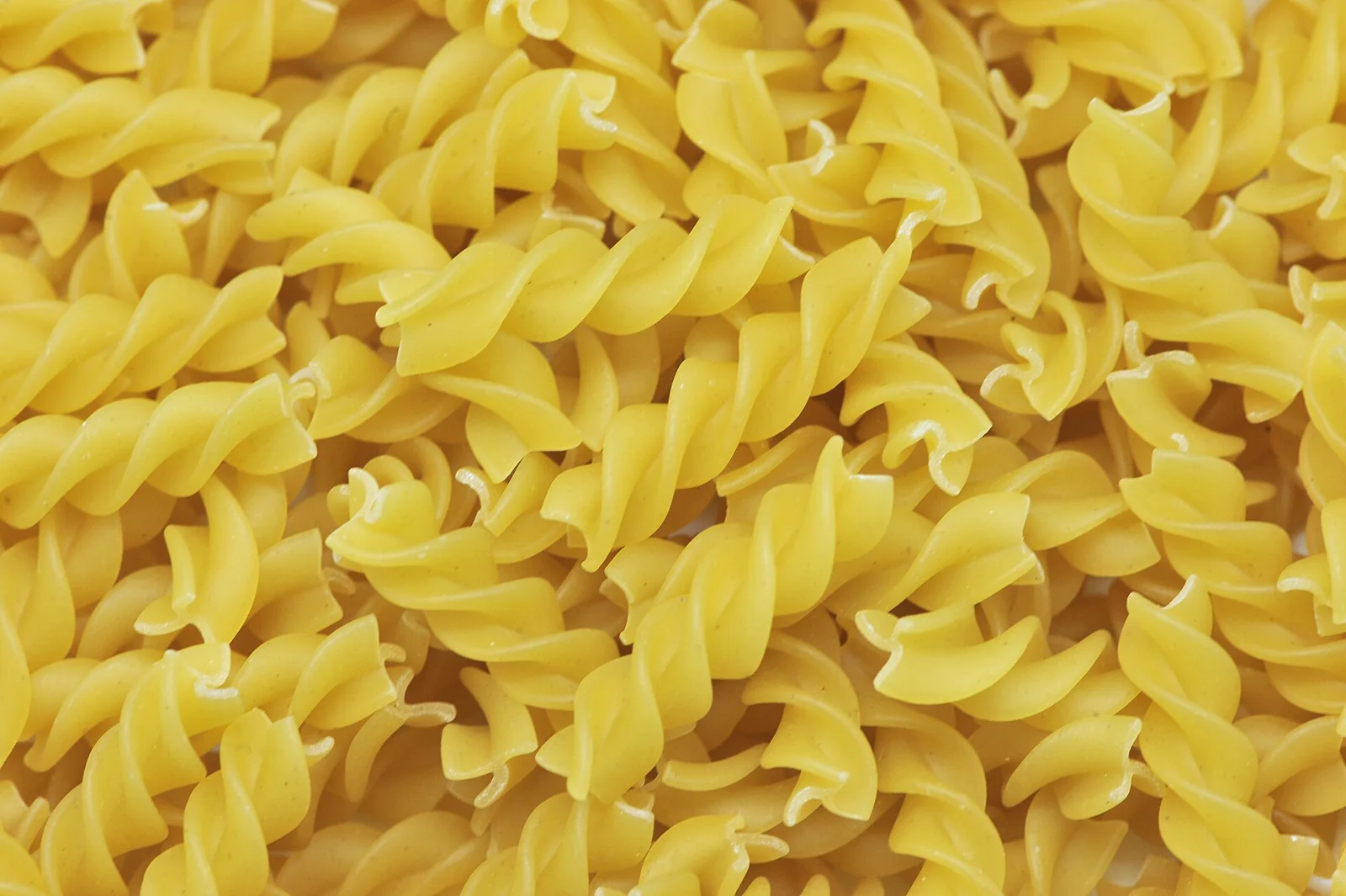
| Fusilli | Short spirals resembling twisted springs. The spacing and thickness of the spirals vary by product. | Plant-based pesto, tomato sauce and chopped vegetables catch inside and around the spirals. Fusilli works well in both hot pasta dishes and cold pasta salads. | 9 minutes for al dente; 11 minutes for a fully cooked texture. | Taste the thickest part in the center of the spiral. For salads, check that the pasta retains a pleasant resilience after cooling. |
| Fusilloni | Larger, thicker spirals than fusilli, with broad grooves, a rough surface and a firm bite. | The broad grooves hold thick sauces and large pieces of vegetables, with a substantial pasta texture in every bite. | 11 minutes. | Bite into the center of a thick spiral. Drain a little early if finishing in a sauce pan. |
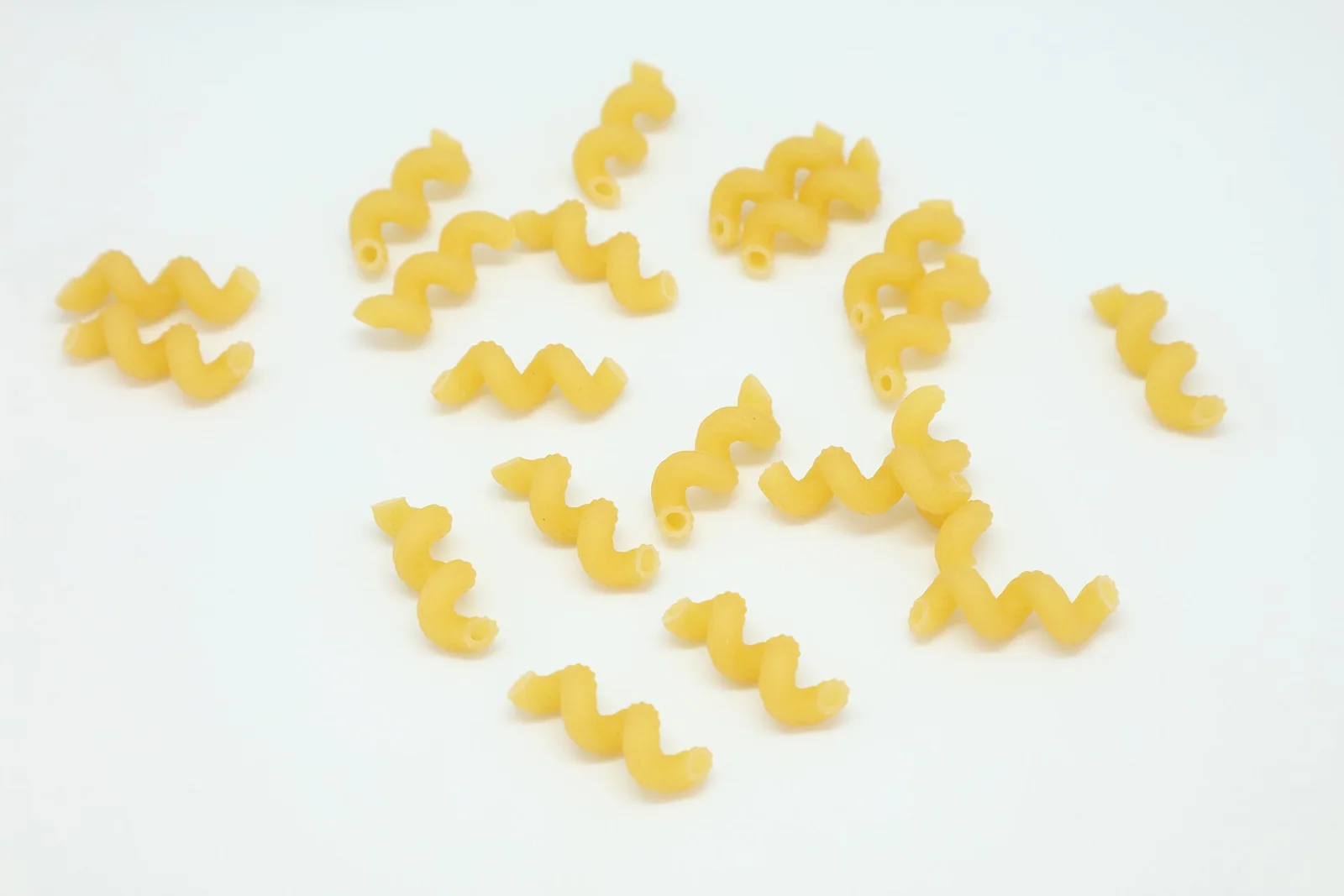
| Cavatappi / Cellentani | Hollow tubes curved into corkscrew spirals. Cellentani is a product name within this family. | Sauce and small ingredients collect inside the tubes, along the lengthwise grooves and around the curves. The shape also holds up well in salads and baked dishes. | 6–12 minutes. The wide range reflects differences in thickness. | Start tasting thinner products as the time approaches 6 minutes. For thicker products, check that the tube walls are cooked through to the center. |
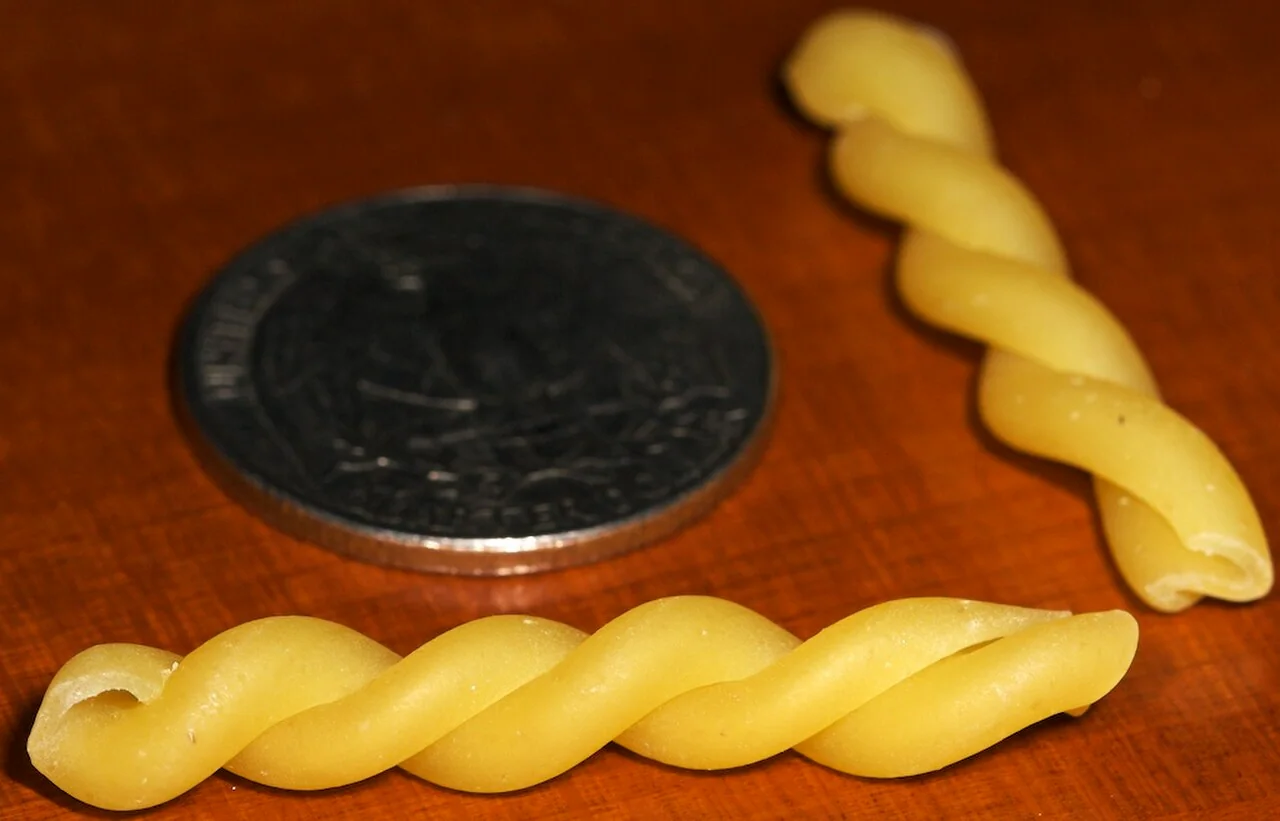
| Gemelli | Short pasta that looks like two strands twisted together. The name means twins. | Light tomato sauce, oil and finely chopped vegetables settle into the twists. | 12–13 minutes. | Bite into the center where the twisted pasta overlaps to check doneness. |
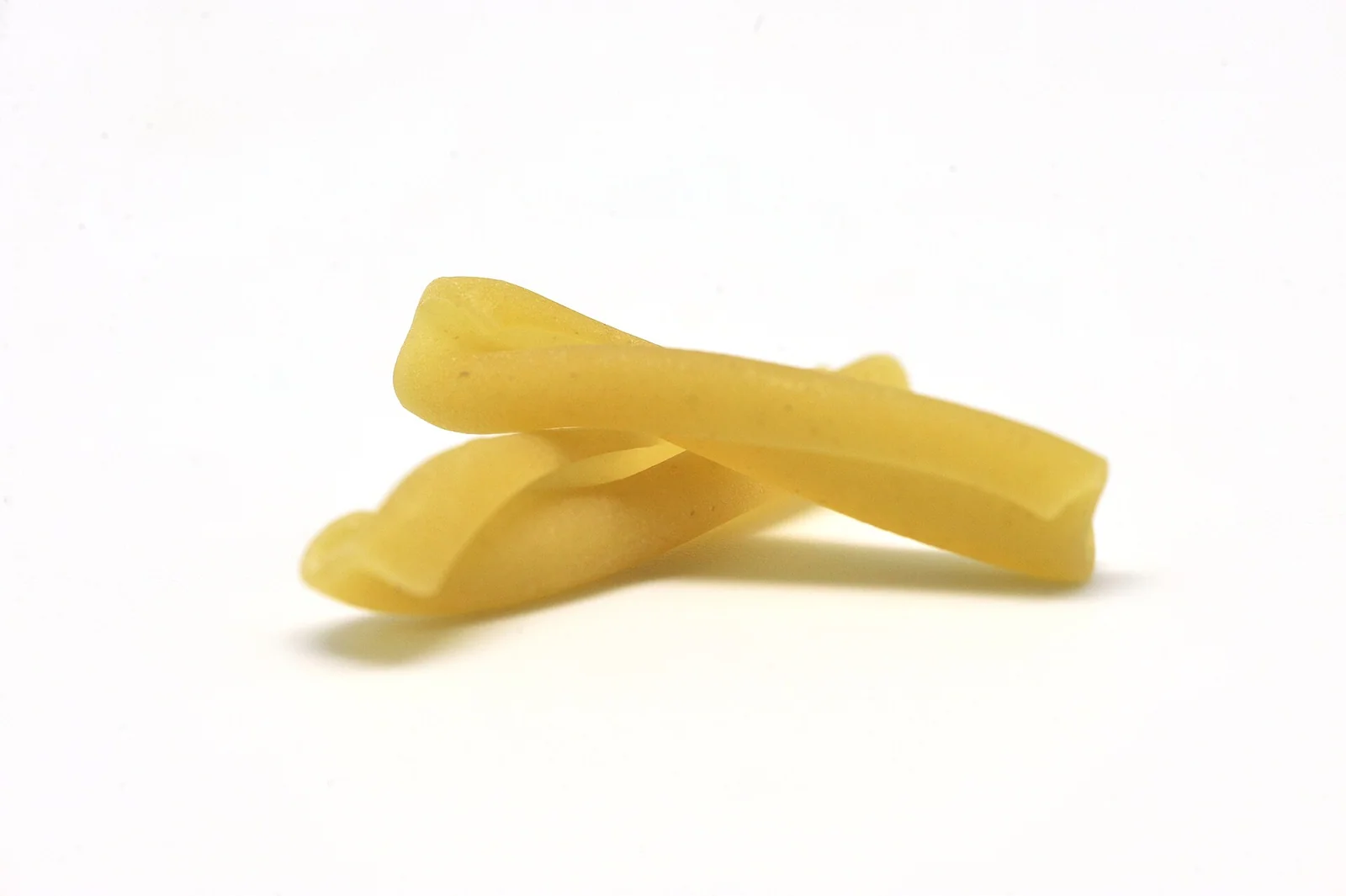
| Casarecce | Short pieces rolled into an S-shaped cross-section, with an open groove on each side. | Plant-based pesto, tomato sauce and pulse-based sauces settle into the curled grooves on both sides. | 11 minutes. | Check doneness by biting into the thick center where the pasta overlaps. |
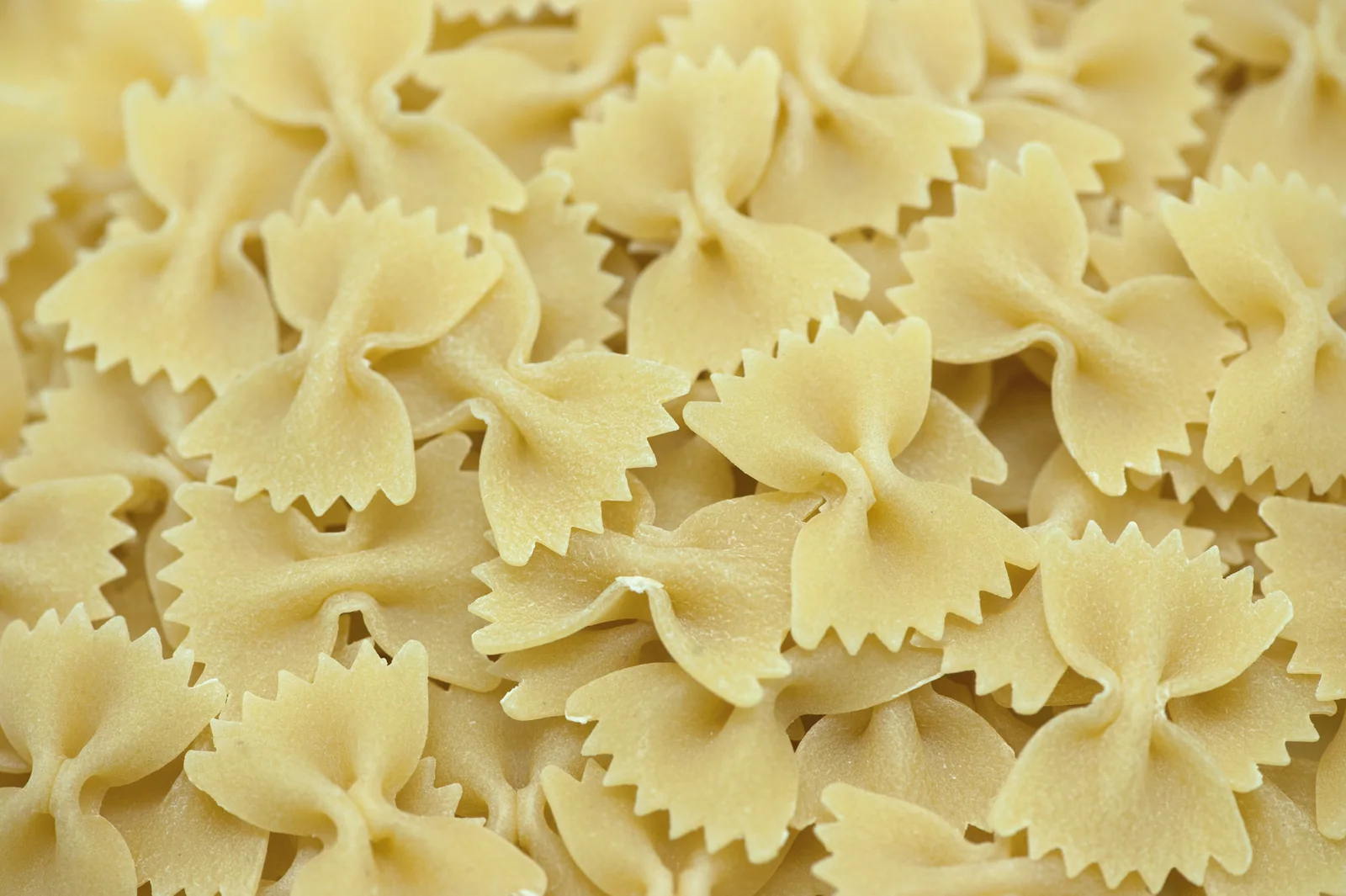
| Farfalle | Short pasta pinched in the middle to resemble a butterfly or bow. The thick center and thin wings can cook at different rates within a single piece. | Light sauce coats the broad wings, while small ingredients settle into the folded center. The distinctive shape also stands out in salads. | 11–13 minutes. Some products specify 11 minutes for al dente. | Check doneness by biting into the thickest part of the center, not the thin wings. |
5-5. Concave and Shell-Shaped Pasta
| Name | Shape and Characteristics | Suggested Sauces | Typical Cooking Time | Cooking Tips |
|---|---|---|---|---|
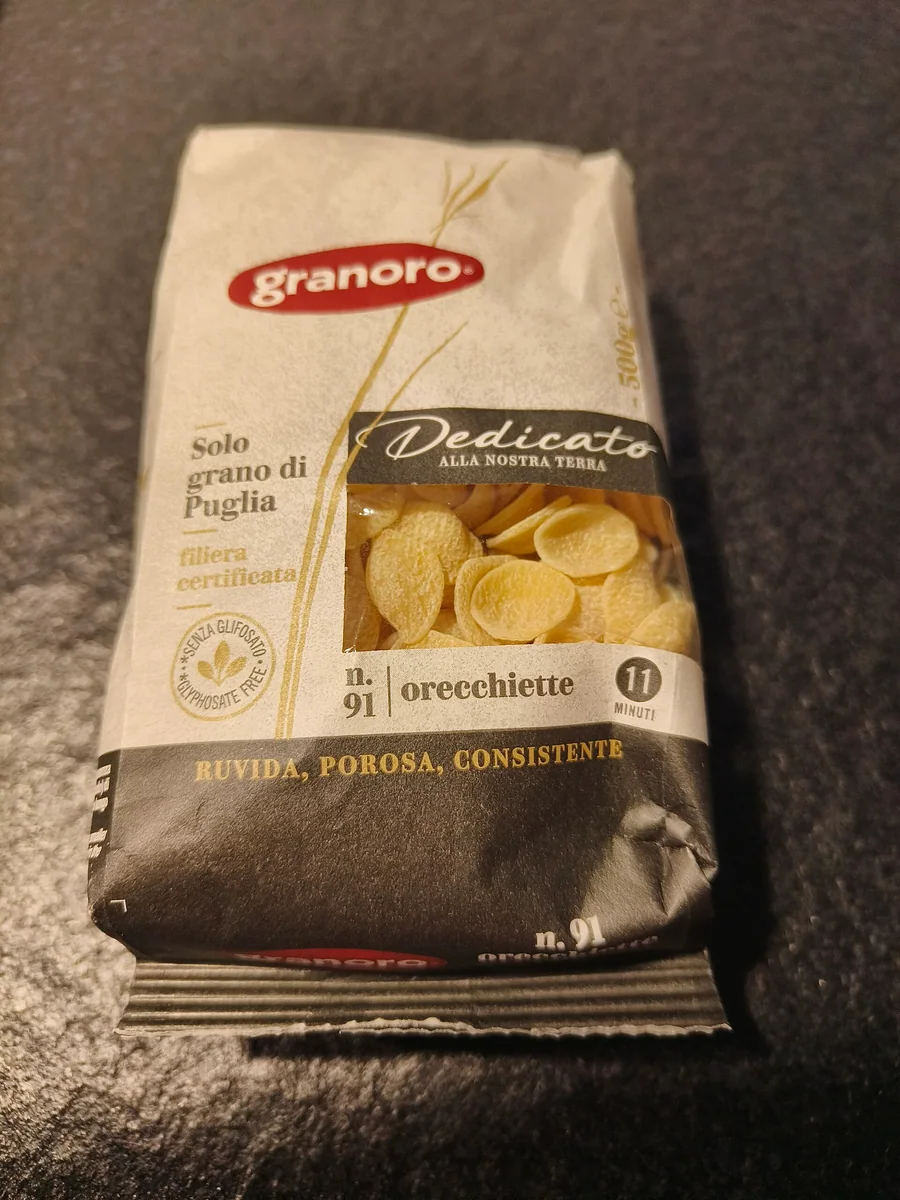
| Orecchiette | Small, round pieces with a hollow center resembling little ears. The edges and center can differ in thickness. | The hollows gather chopped vegetables, beans and small pieces of mushroom ragù, bringing them together in one bite. | 9 minutes for al dente; 11 minutes for a fully cooked texture. | The center and edges differ in thickness, so bite into the thickest part. |
| Conchiglie / Medium Shells | Concave shells with ridged surfaces. Medium shells are short pasta, small enough for several pieces in one bite. | Plant-based cream, tomato sauce and small vegetables gather in the hollow interiors and outer ridges. | 8–9 minutes. | Taste the folded center, which is the thickest part. For salads, check that the pasta retains a pleasant resilience after cooling. |
| Conchiglioni Rigati | Large, ridged shells spacious enough to stuff. | Fill the broad hollows with mushrooms, pulses and vegetables, coat the outer ridges with sauce and bake. | 10 minutes for al dente; 12 minutes for a fully cooked texture. | Drain a little early if the pasta will be stuffed and baked. Overcooked shells can tear during filling. |
5-6. Filled Pasta
| Name | Shape and Characteristics | Suggested Sauces | Typical Cooking Time | Cooking Tips |
|---|---|---|---|---|
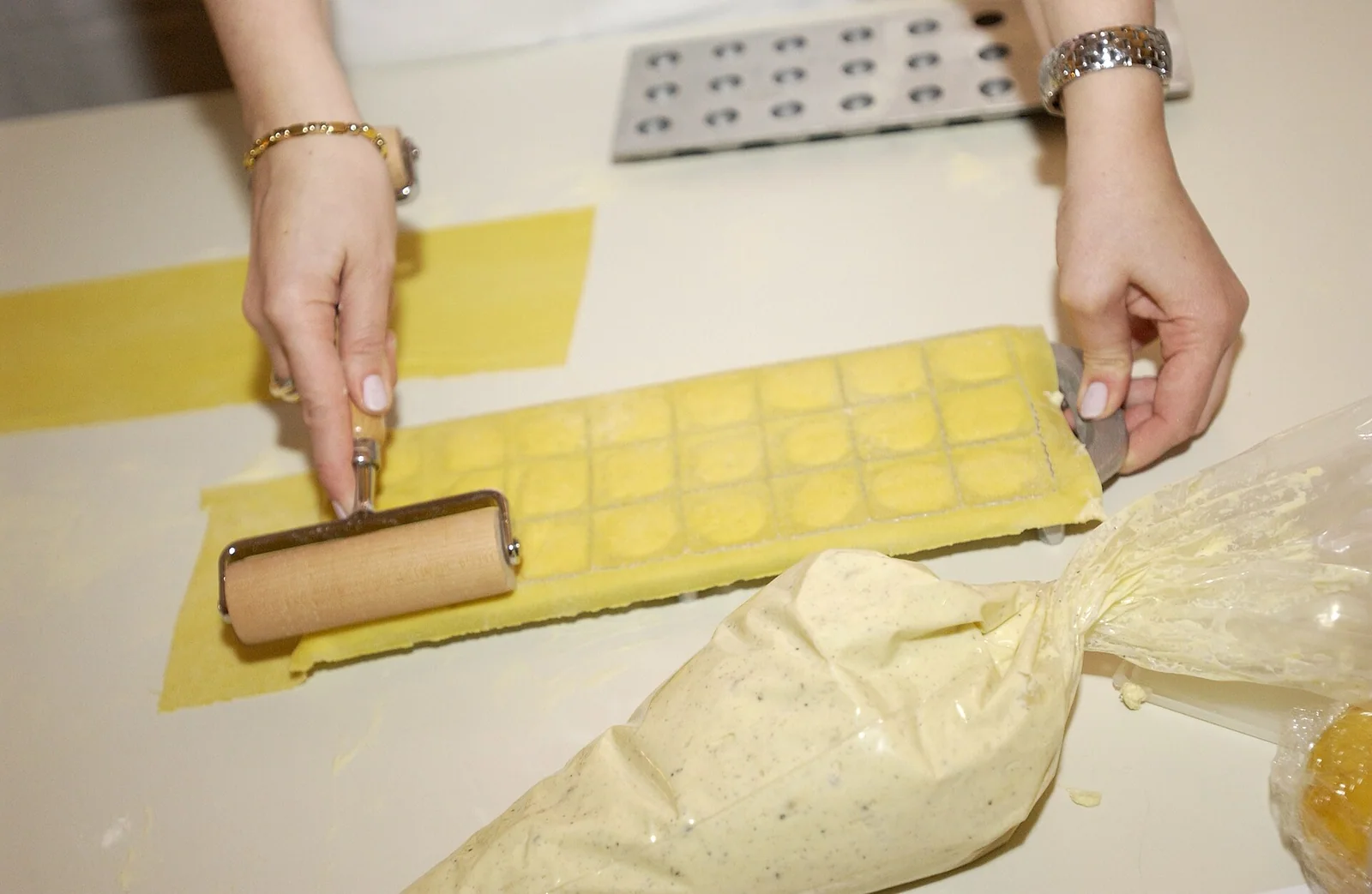
| Ravioli | Pillow-shaped or round pasta made by enclosing a filling between two layers of dough and sealing the edges. Size and dough thickness vary considerably by product. | For flavorful plant-based fillings such as mushrooms or squash, a small amount of oil-based or light tomato sauce lets the filling's flavor stand out. | One plant-based ravioli filled with tomato and basil specifies 4 minutes. | Keep the water at a gentle boil so the sealed edges do not burst. Check the thick rim where the dough is joined. |
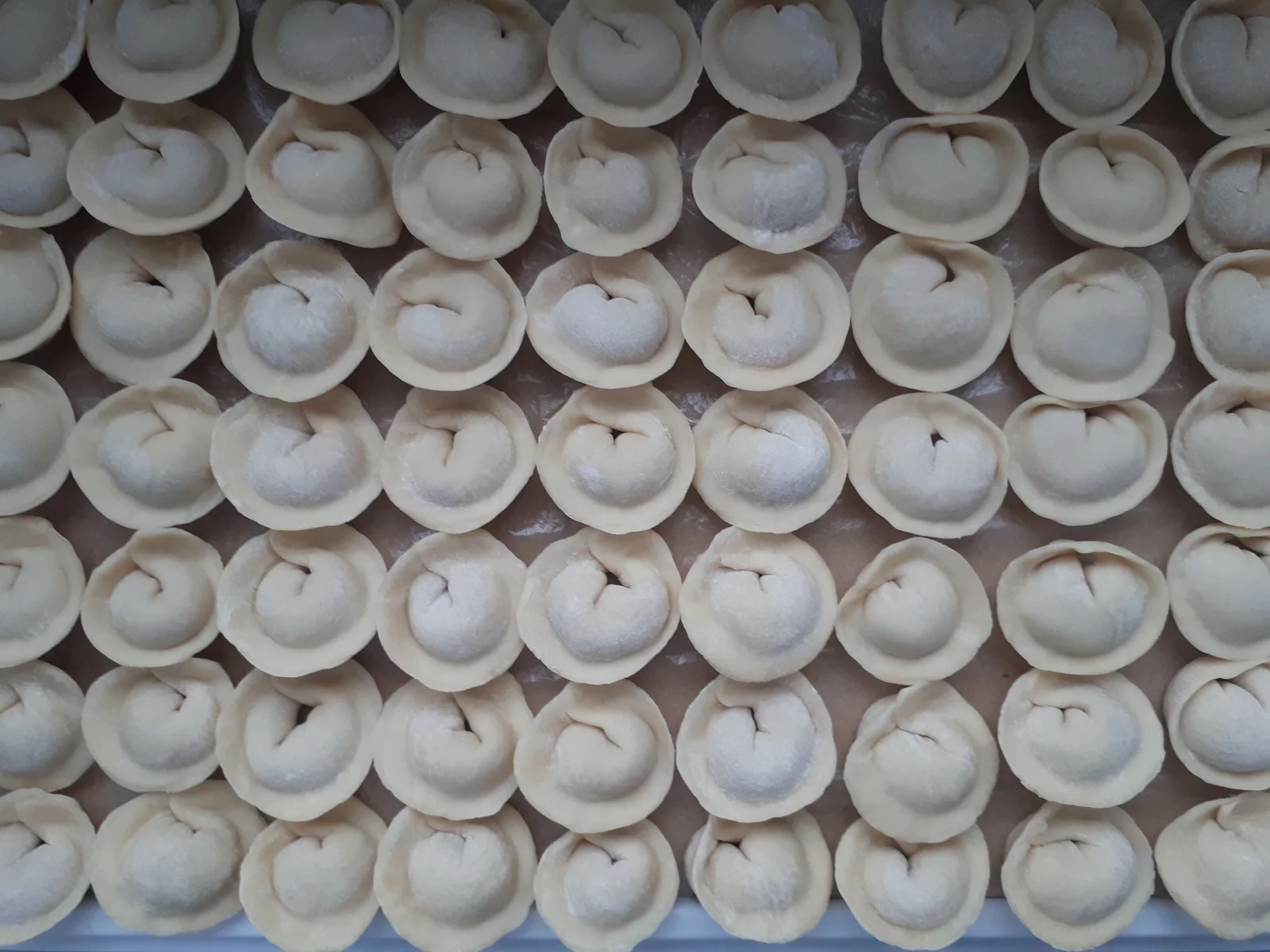
| Tortellini | Small pieces of dough folded around a filling into a ring, with the edges sealed. Refrigerated, frozen and dried products are available. | A light oil-based sauce or clear vegetable broth reaches into the rings and folds. Adjust the sauce's richness to the filling's saltiness and moisture. | One plant-based vegetable tortellini specifies 12–15 minutes. | Cooking times vary considerably between refrigerated, frozen and dried products. Taste the thickest part where the dough is sealed. |
5-7. Small Pasta for Soups
| Name | Shape and Characteristics | Suggested Sauces | Typical Cooking Time | Cooking Tips |
|---|---|---|---|---|
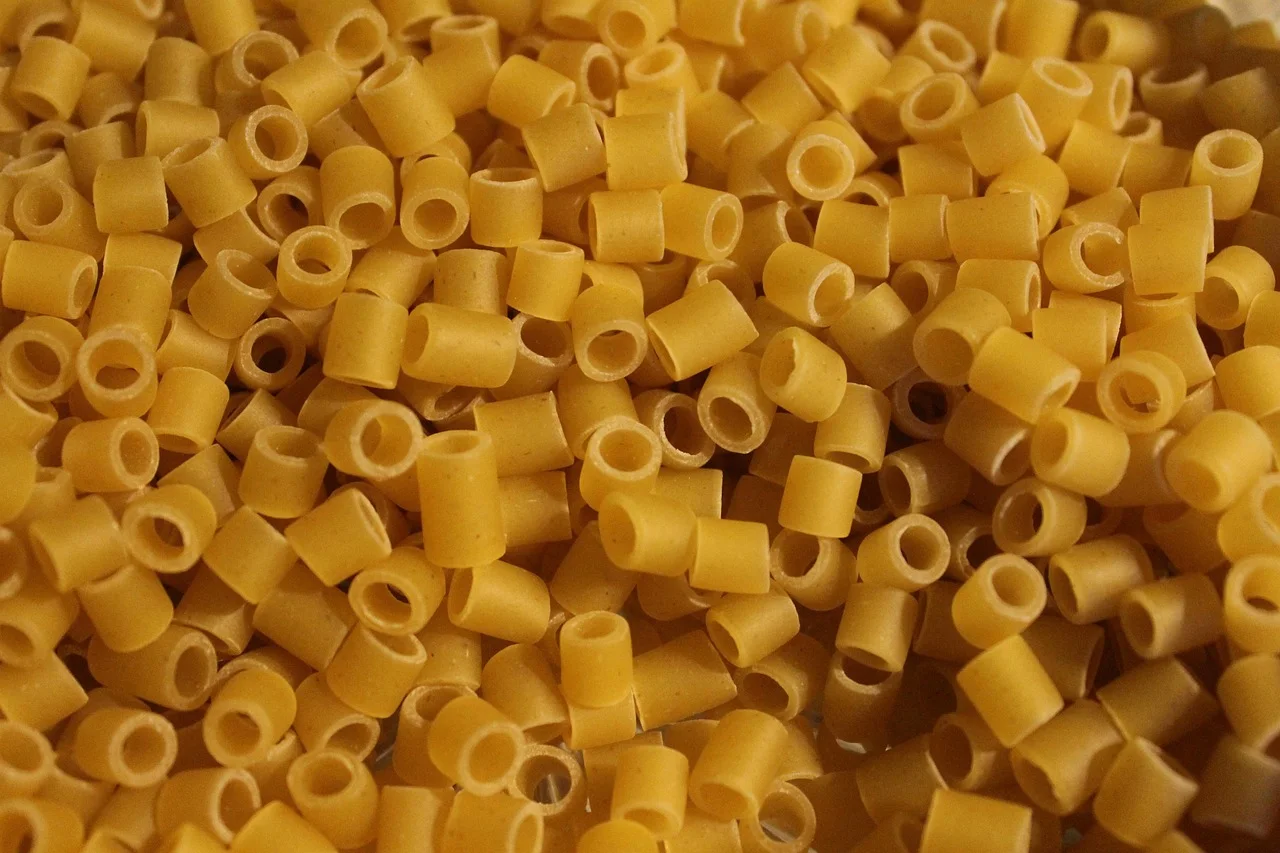
| Ditalini | Very short, small tubes whose name means “little thimbles.” | Small enough to share a spoonful with beans, vegetables and broth, ditalini suits soups such as minestrone and pasta e fagioli. | 10–11 minutes. Some products take relatively long to cook despite their small size. | The pasta continues cooking in the soup and absorbing liquid after serving, so turn off the heat slightly before it reaches your preferred texture. |
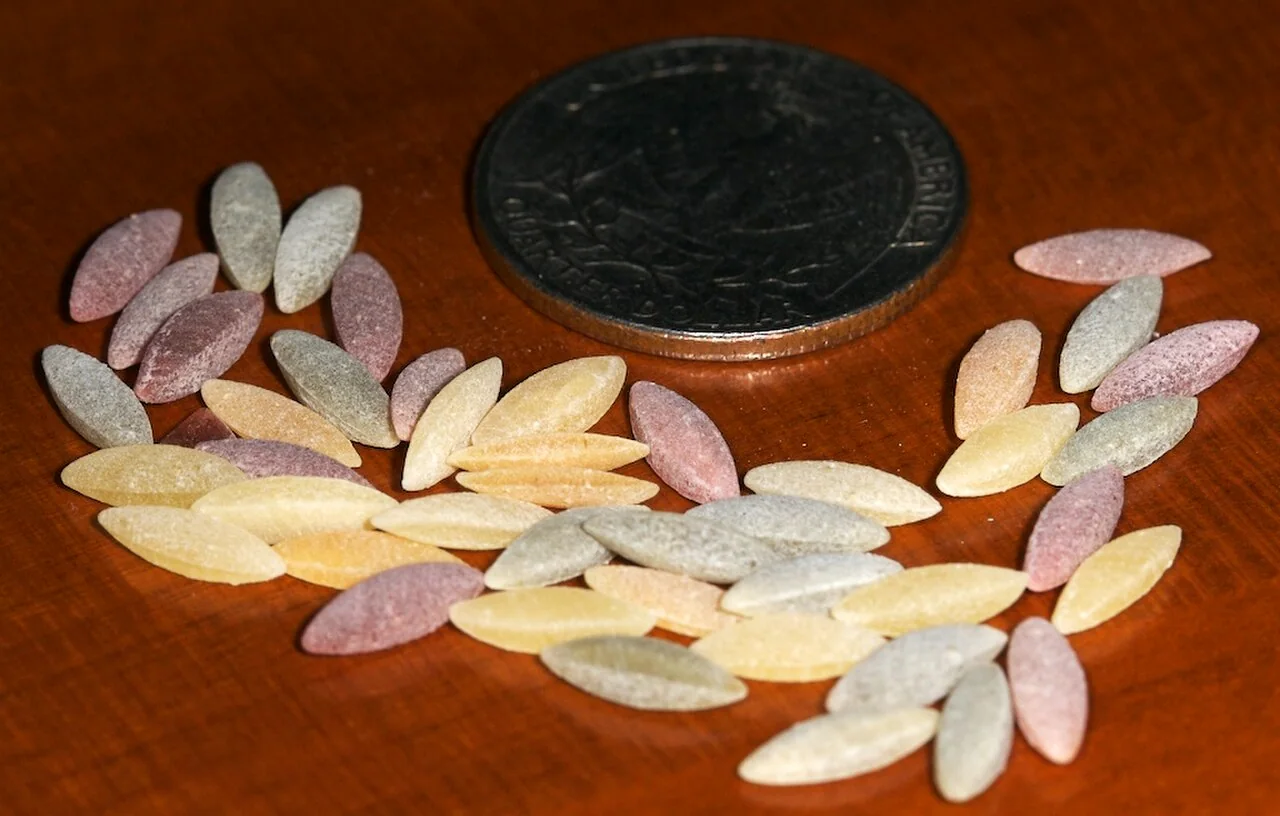
| Orzo / Risoni | Small pasta resembling grains of rice. Orzo also means barley, but as a pasta name it does not mean the product is made from barley. | It distributes evenly in broth and is easy to eat by the spoonful with small vegetables and beans. It can also be cooked in the manner of risotto. | 9–10 minutes. | Adjust the water quantity and cooking time depending on whether you boil it separately or cook it in broth, retaining its starch. |
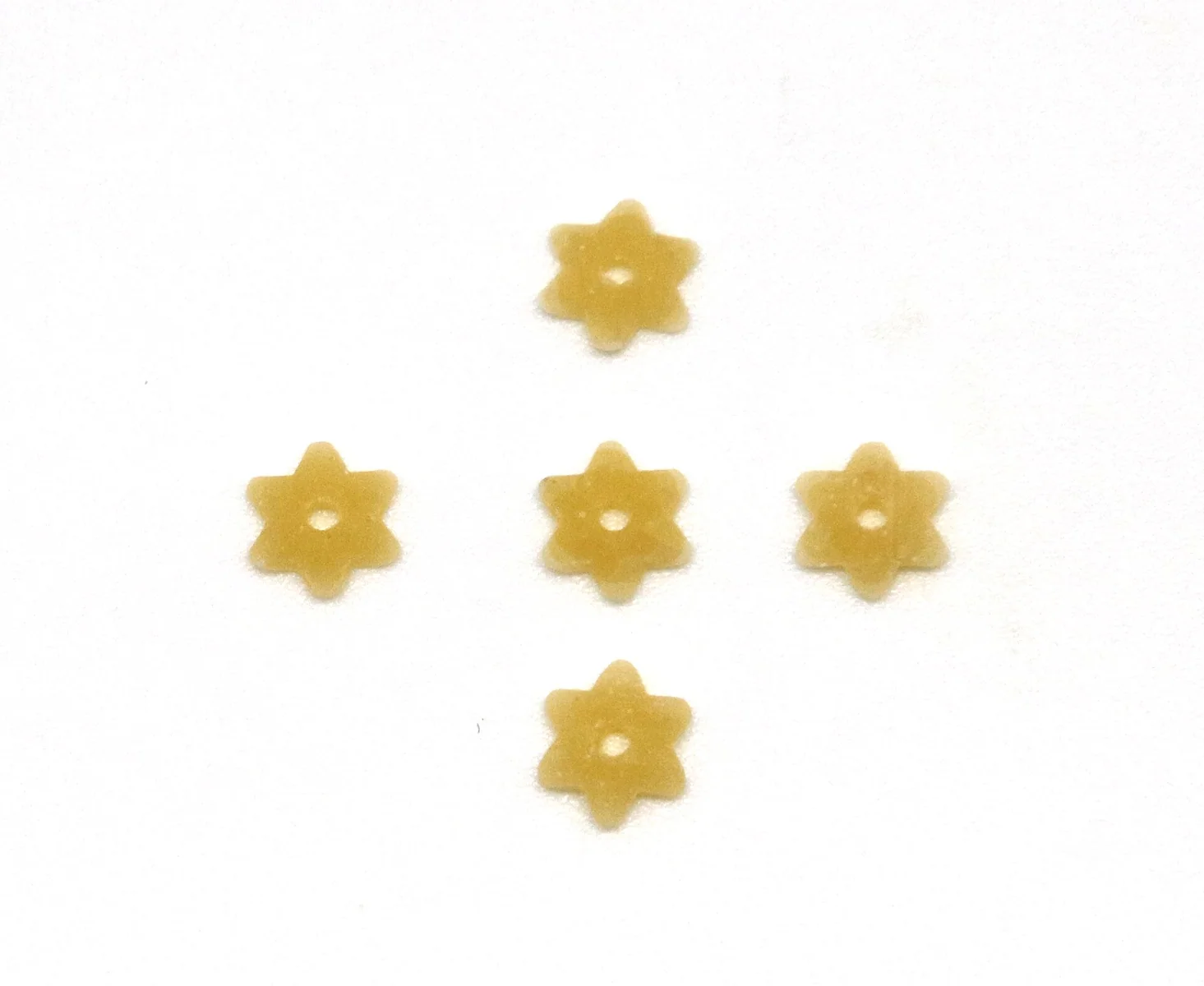
| Pastina / Stelline | Tiny pasta, sometimes shaped like stars. Pastina can refer to small pasta in general rather than a single shape. | It spreads evenly through a spoonful of clear vegetable broth or smooth soup. | 6–7 minutes. | Start tasting as the cooking time approaches 6 minutes, allowing for the broth's residual heat and your preferred soup consistency. |
5-8. Potato Gnocchi and Gnocchi-Shaped Dried Pasta
Potato gnocchi is made by combining mashed potatoes with flour and shaping the dough into small pieces. Unlike long strands of pasta, it has a plump, tender texture. Dried semolina pasta is also made in shapes resembling gnocchi; the ingredients and cooking times of the two types differ.
| Type | Ingredients and Characteristics of a Representative Product | Cooking Time |
|---|---|---|
| Potato Gnocchi | This product combines 80% potato purée with wheat flour and rice flour. It contains gluten because it uses wheat flour. | 2 minutes |
| Gnocchi-Shaped Dried Pasta | Dried durum wheat semolina pasta shaped to resemble gnocchi. | 7 minutes for al dente; 9 minutes for a fully cooked texture |
At Mahina, you can enjoy gluten-free potato gnocchi with a plant-based sauce.
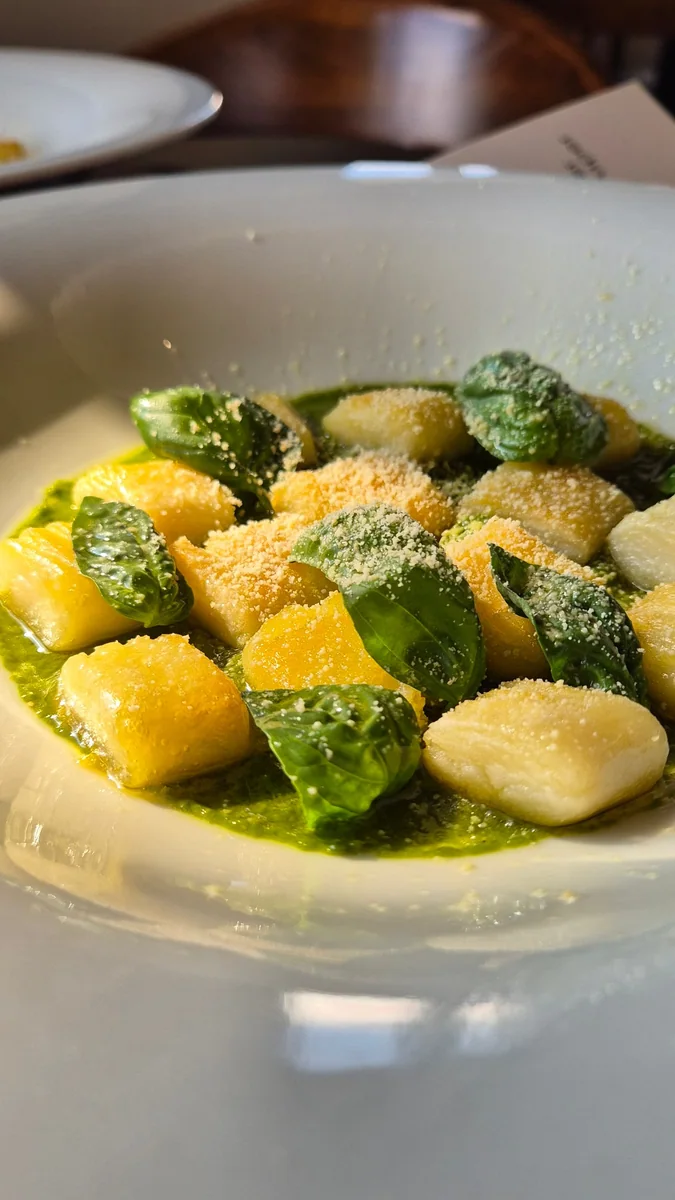
Pasta Photographs and Mahina Dishes
Pasta Shapes at a Glance
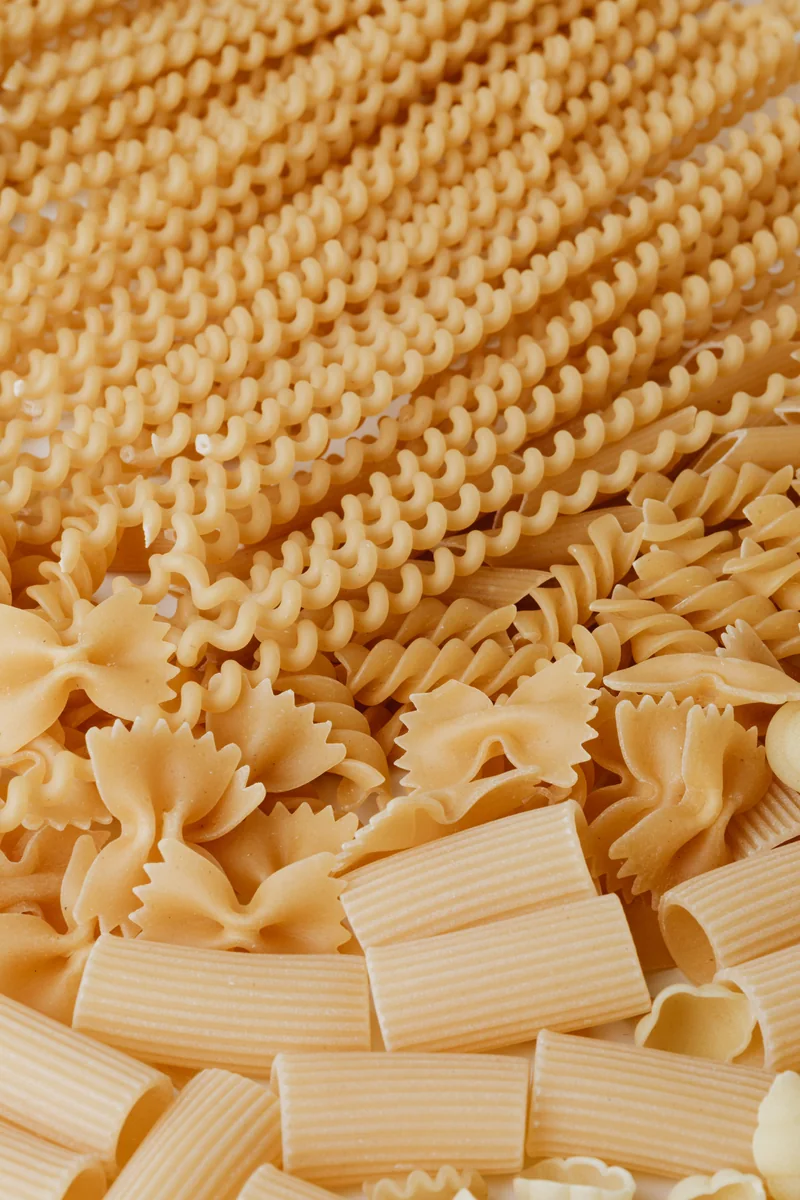
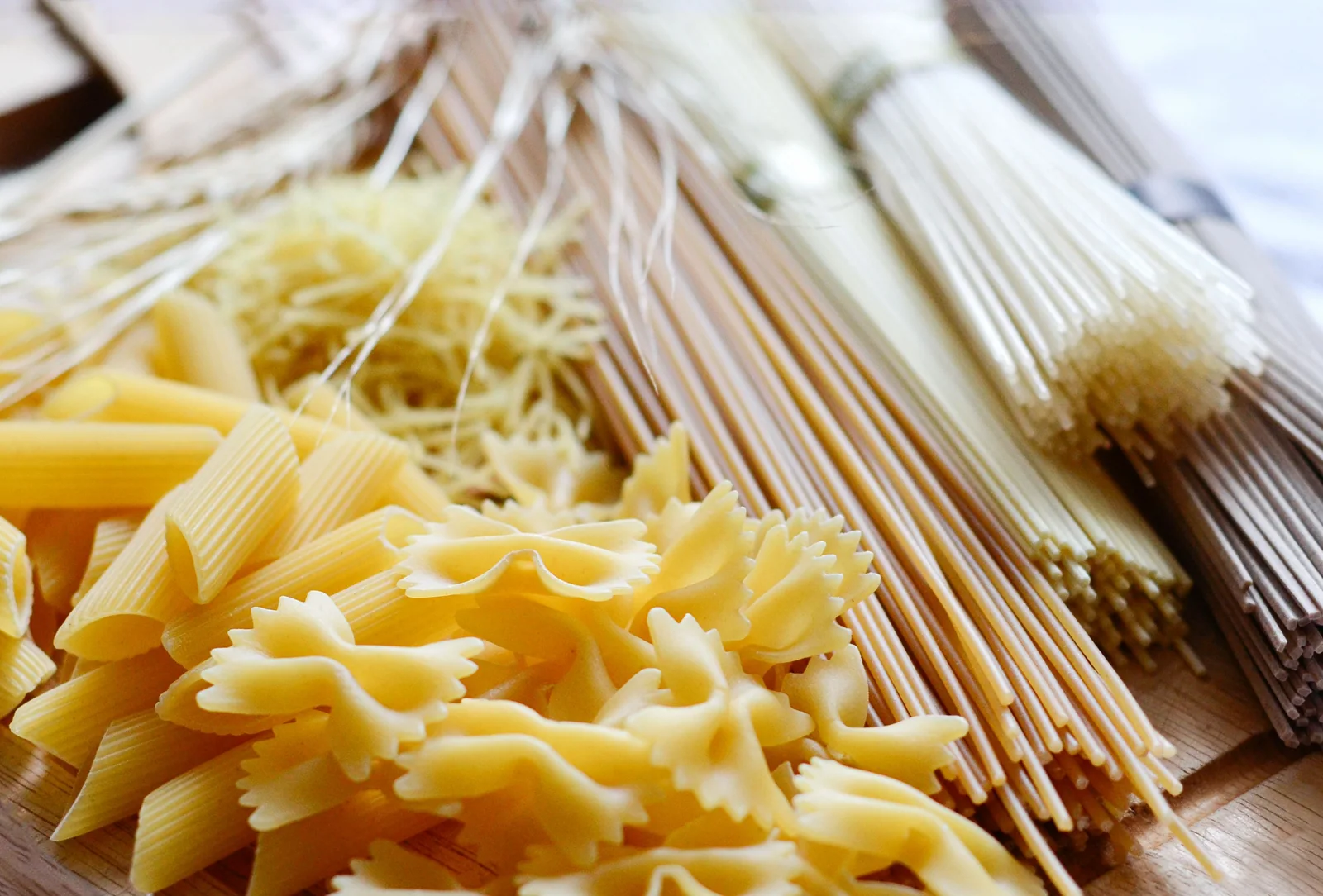
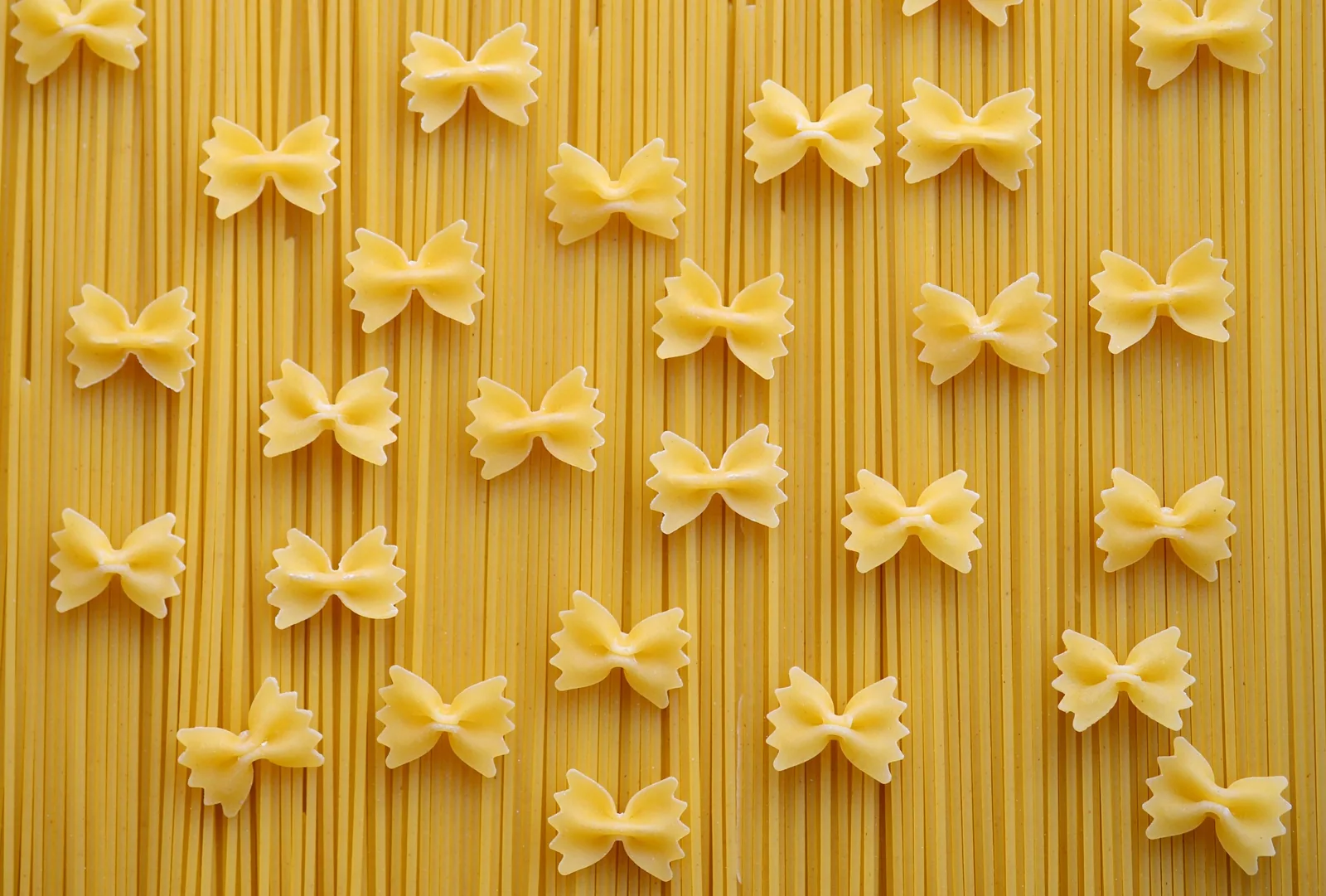
Long Round and Flat Strands
Spaghetti
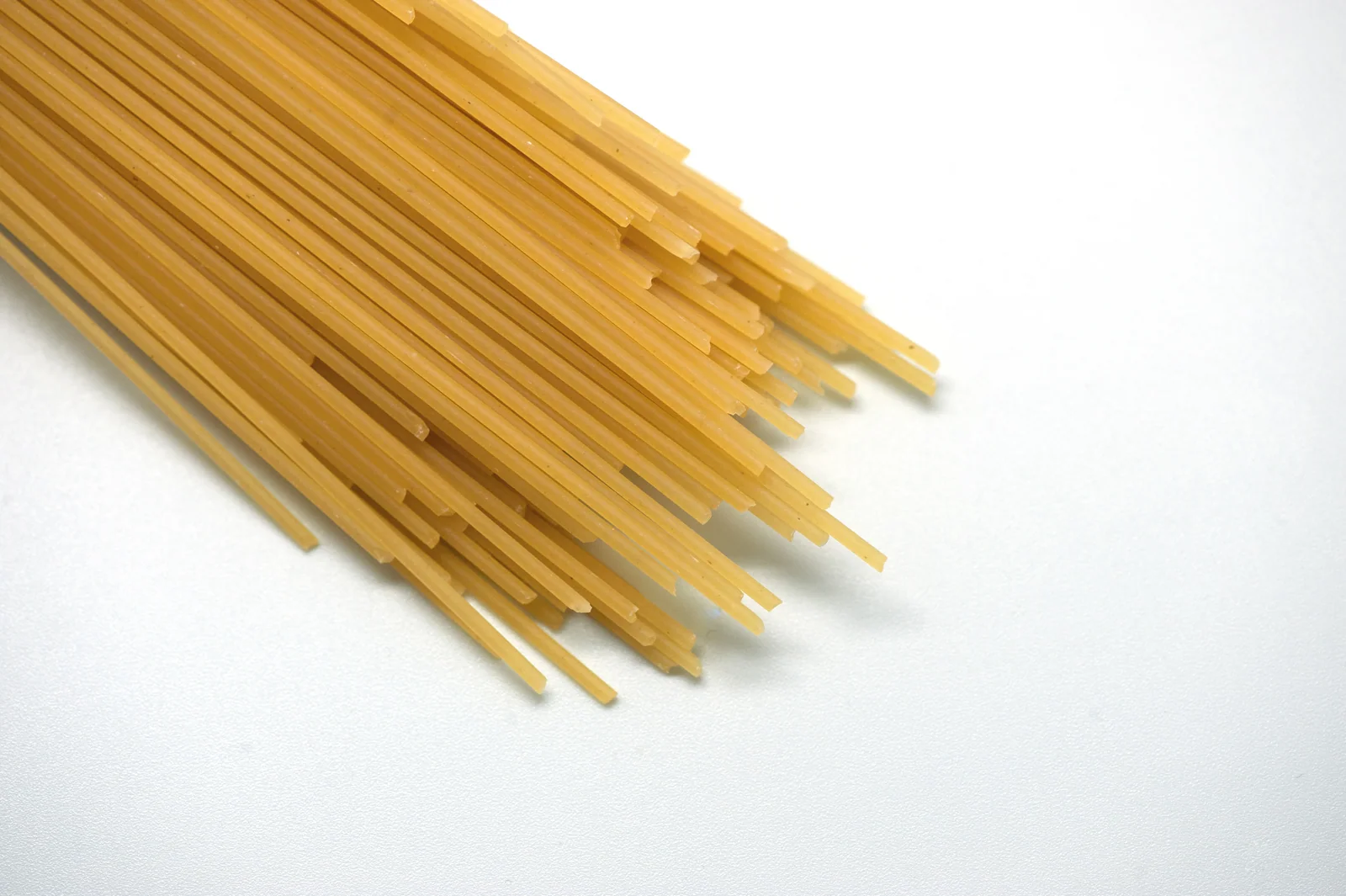
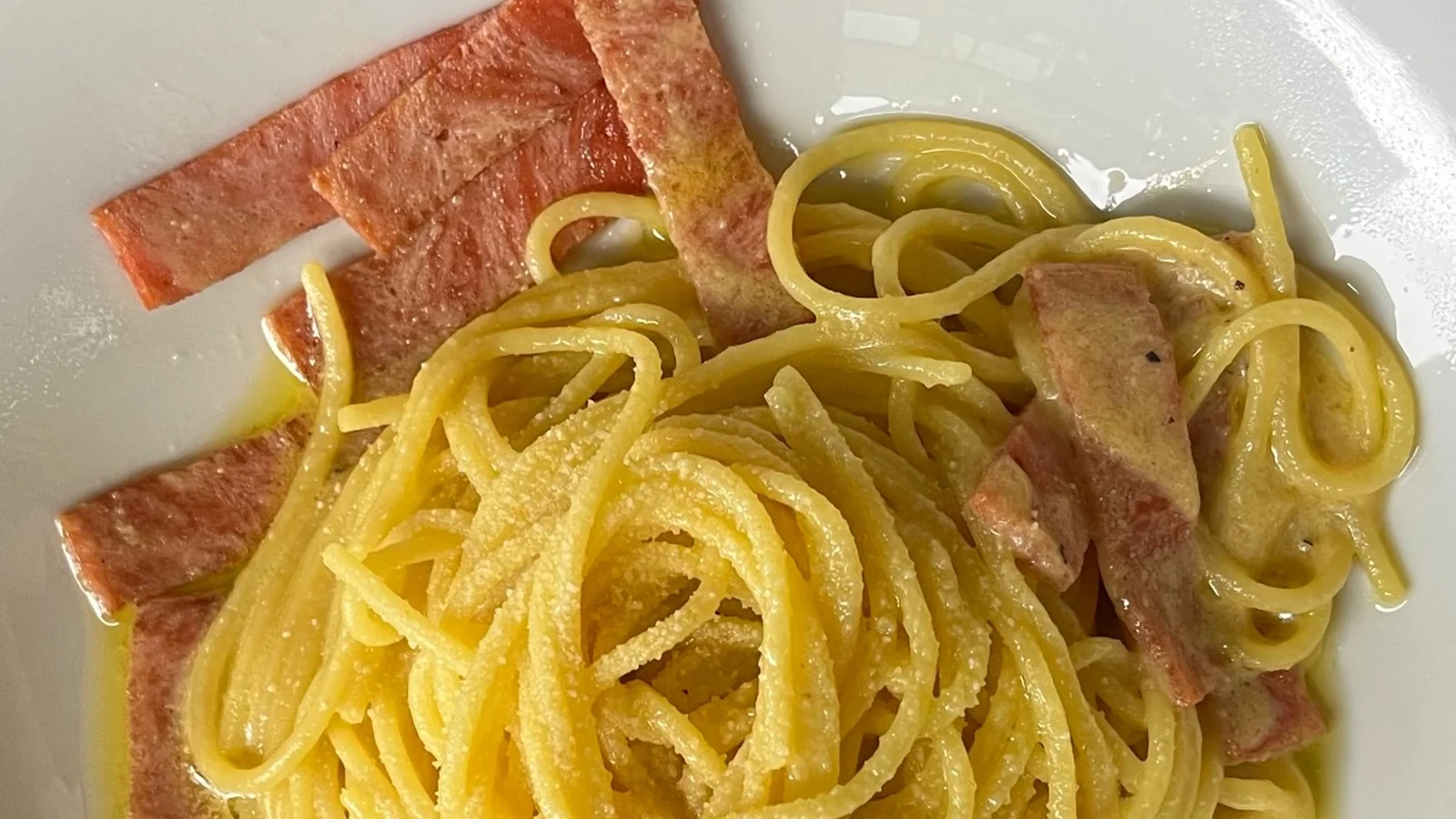
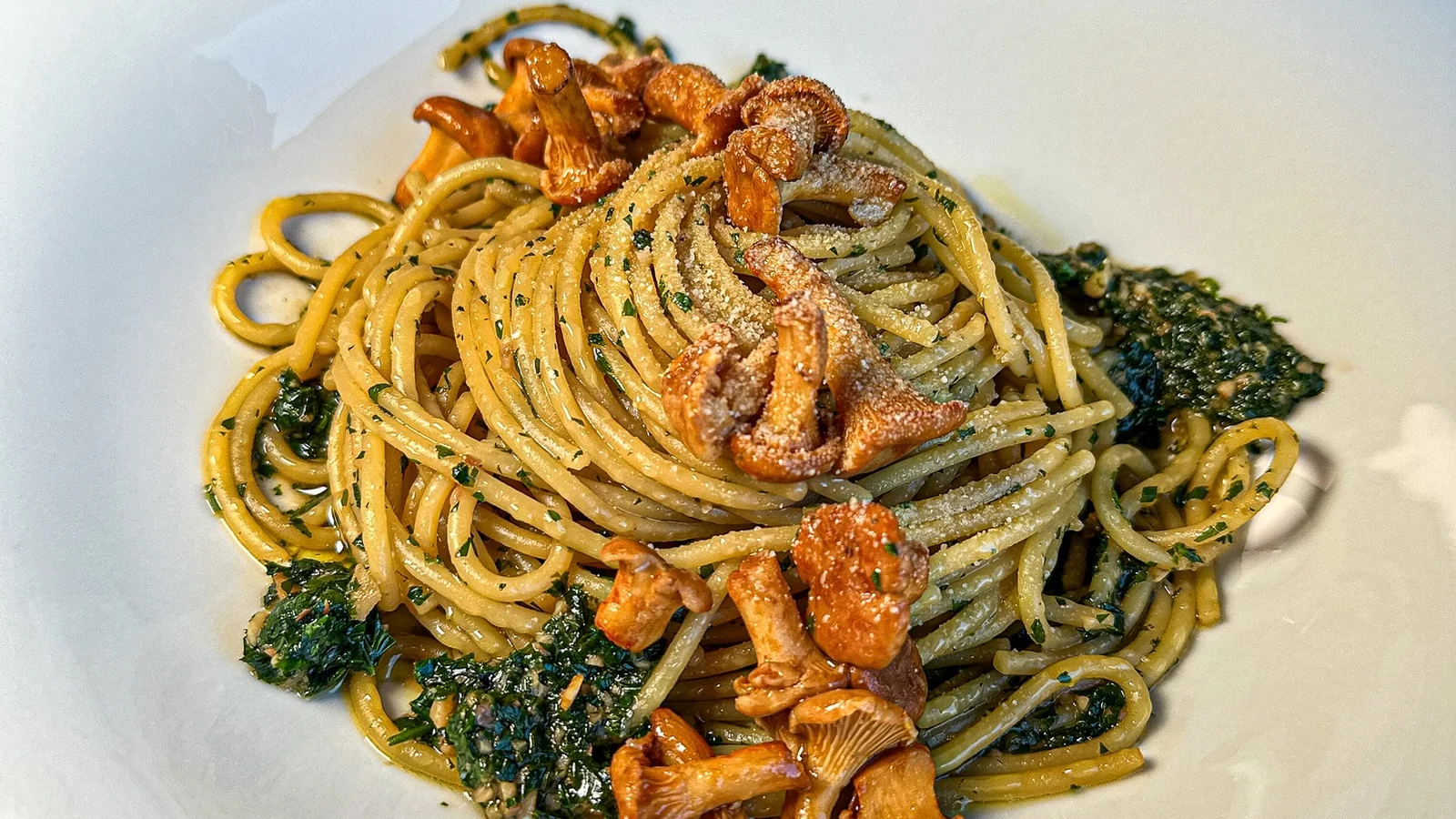
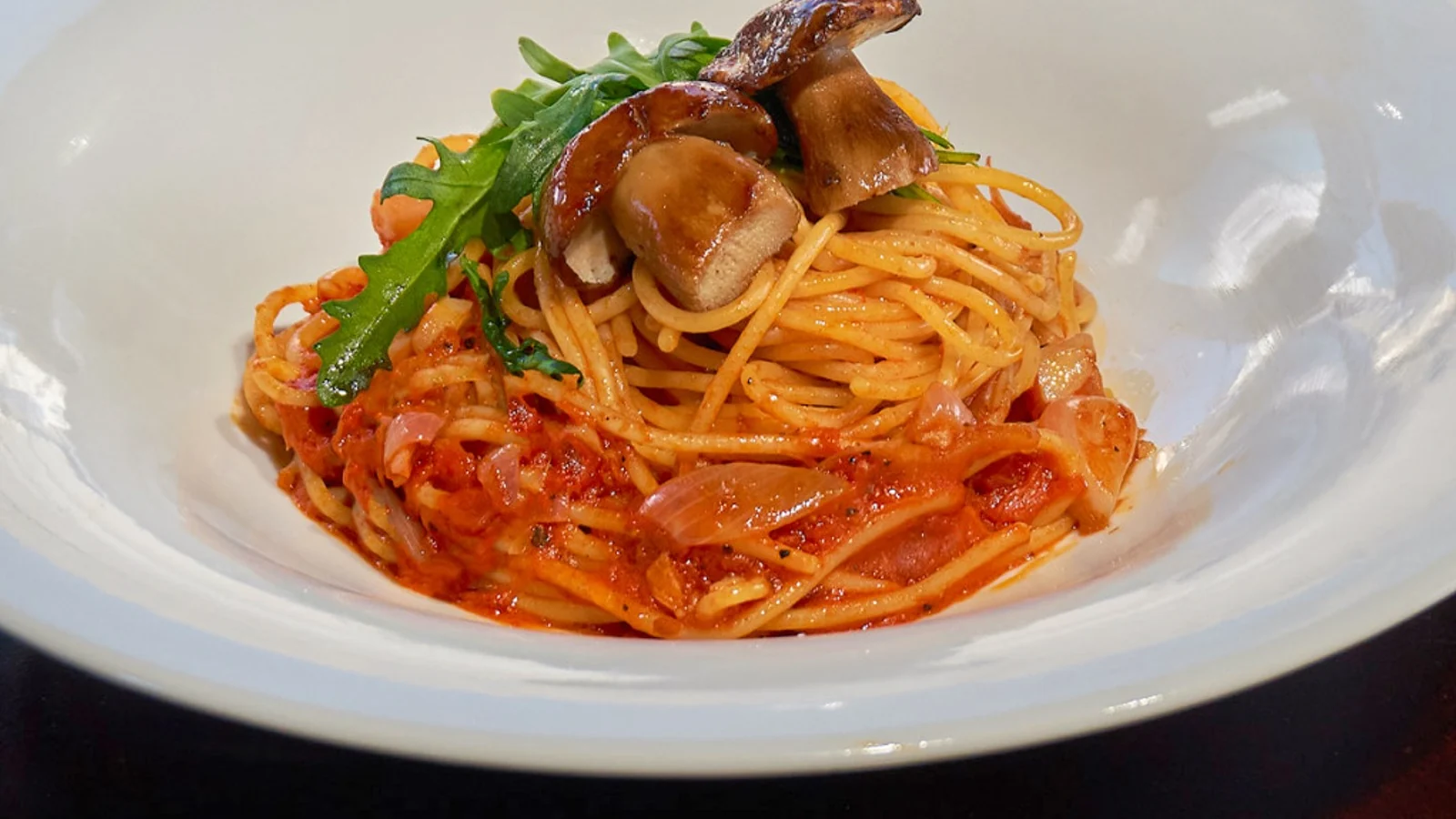
Mahina uses spaghetti for its Roman-Style Carbonara, Chanterelle Lemon Parsley and Porcini Pasta. Twirl the round strands onto your fork to enjoy the plant-based sauces and mushrooms together.
Capellini
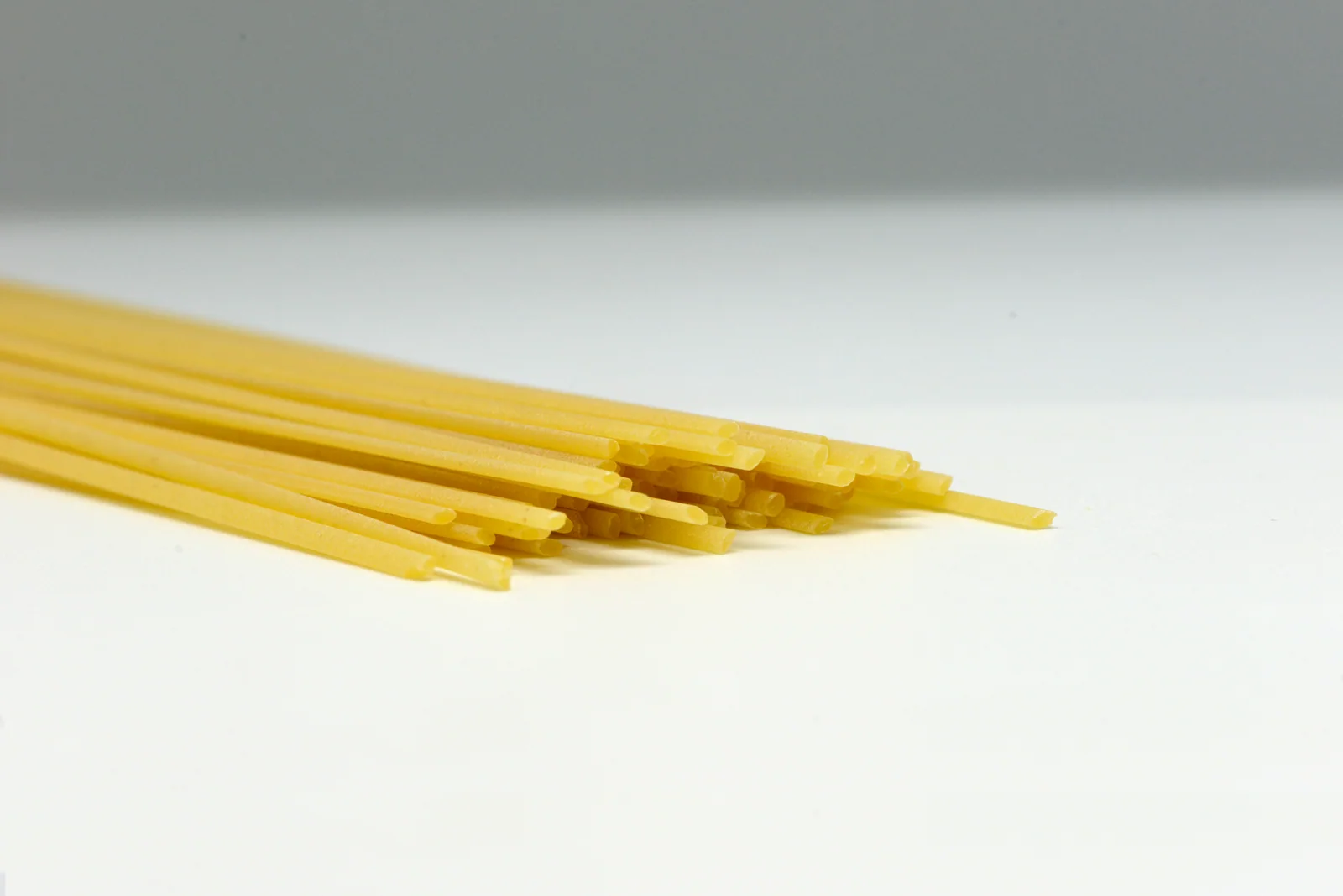
Much finer than spaghetti, capellini takes a thin, even coating of light sauce. Typical cooking times are 2–5 minutes, and the finer the strands, the faster their texture changes.
Linguine
Bucatini
Spaghetti alla Chitarra
Ribbons and Lasagna Sheets
Tagliatelle
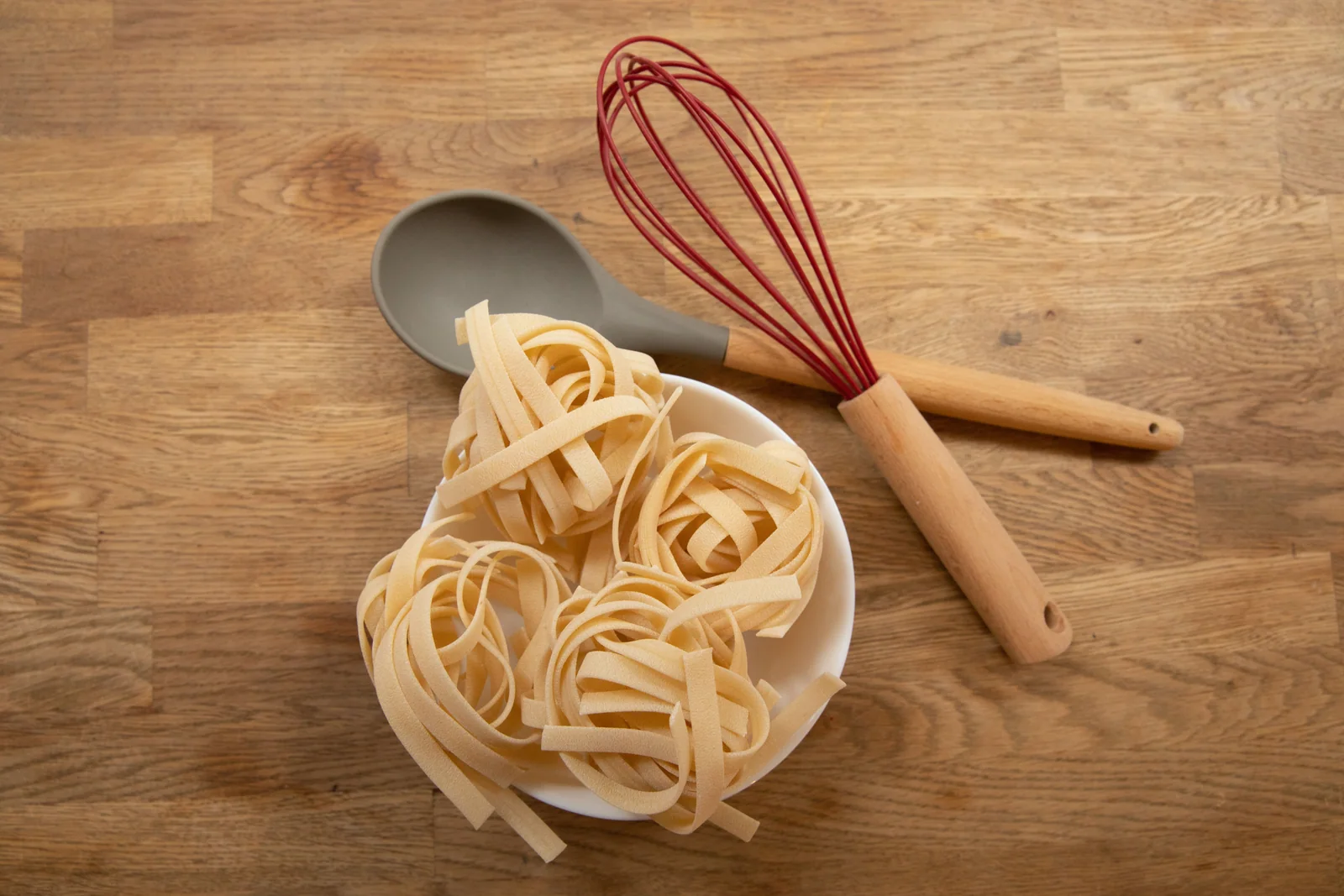
Mahina's Bolognese pairs tagliatelle with a plant-based ragù. Sauce coats the broad ribbons, while finely chopped ingredients settle between them. It is a good choice when you want the substantial bite of broad pasta rather than fine strands.
Fettuccine
Pappardelle
Lasagne Sheets
Tubular Pasta
Penne Rigate
Rigatoni
Paccheri
Ziti
Spirals, Grooves and Folds
Fusilli
Fusilloni
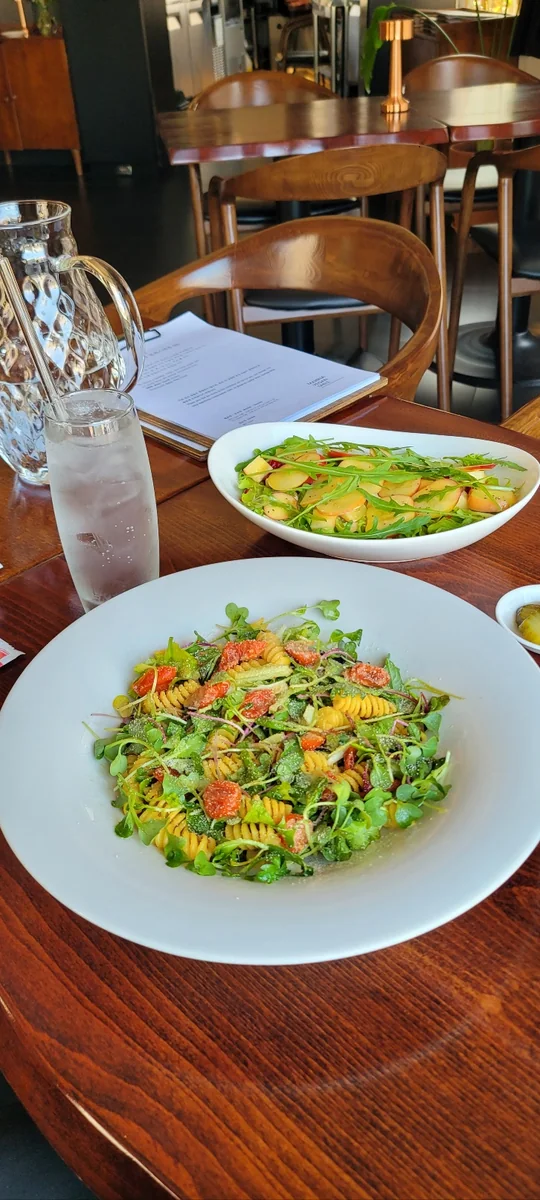
Fusilloni is larger and thicker than fusilli. Mahina uses it in its Salad Pasta. Vegetables and sauce gather between the spirals, making it easy to pick up pasta and vegetables together.
Cavatappi / Cellentani
Gemelli
Casarecce
Farfalle
Concave and Shell-Shaped Pasta
Orecchiette
Conchiglie
Conchiglioni
Filled Pasta
Ravioli
Tortellini
Small Pasta for Soups and Broths
Ditalini
Orzo / Risoni
Stelline
6. Cooking Pasta to the Right Texture
Preparing the Sauce and Boiling the Pasta
Prepare the sauce and other ingredients before adding the pasta to the water. Having the sauce ready when you drain the pasta lets you combine them immediately, before the pasta cools or clumps. Fill the pot with enough water to submerge the pasta and give it room to move. When the water boils, add salt, then the pasta.
Stir during cooking to keep strands from sticking together or to the bottom of the pot. Separating the pasta evenly is more effective than adding oil to the water. For filled pasta such as ravioli, reduce the intensity of the boil and stir gently to prevent the edges from bursting.
Checking the Thickest Parts
Taste the folded center of farfalle, the tube walls of penne and rigatoni, and the hollow center of orecchiette. A tender surface with a resilient center is close to al dente. If a thick, dry white core remains and the pasta tastes floury, cook it a little longer.
Fine pasta such as capellini can change texture substantially with just a few dozen additional seconds of cooking. Thick pasta takes longer to cook through than to soften on the surface, so assess both the outer tenderness and the firmness at the center. If you prefer a softer texture, cook it a little beyond al dente.
Adjusting Sauce Consistency with Pasta Water
Reserve some cooking water before draining. It contains starch released by the pasta during cooking. Adding it gradually while tossing the pasta replenishes moisture and helps the sauce coat evenly. In particular, mixing olive oil sauces with pasta water helps bring the oil and water together into a moist coating.
Transfer pasta intended for a hot sauce directly to the pan without rinsing it in cold water. Finishing it in the sauce with its surface starch intact helps pasta and sauce come together. If the sauce becomes too thick, add the reserved pasta water a little at a time.
Finishing Different Dishes
| Dish | When to Drain and How to Finish |
|---|---|
| Pasta Tossed in a Pan | Drain while slightly firmer than your preferred texture, then finish cooking in the sauce. Add pasta water gradually to coat every piece. |
| Stuffed and Baked Pasta | Cook conchiglioni or paccheri until pliable enough to fill. Drain carefully without tearing the tubes or edges, then add the filling and sauce and bake. |
| Lasagna | Cook sheets that need preboiling separately before layering them with sauce and vegetables. Oven-ready sheets cook in the oven using moisture from the sauce. |
| Pasta in Soup | Allow for ditalini, orzo or stelline to continue cooking in the residual heat of the broth and bowl. The longer it stands, the more broth the pasta absorbs. |
| Pasta Salad | Use shapes such as fusilli or farfalle that are easy to pick up with vegetables. Check the pasta's resilience after cooling and the sauce's consistency before combining them. |
7. Allergens and Vegan Ingredients
When choosing vegan pasta, check the ingredients of the pasta, filling and sauce separately. Plant-based ingredients such as wheat, soy and nuts can also be allergens, so consider both vegan labeling and allergen information.
The Golden Color of Durum Wheat Pasta
Carotenoid pigments in durum wheat give dried pasta made from semolina and water a golden color. When choosing plant-based pasta, check the ingredient list for animal-derived ingredients such as eggs and milk.
What to Check Before Buying
| Item | What to Look For |
|---|---|
| Main Pasta Ingredients | Check the main ingredients, such as wheat, durum wheat semolina, rice, corn or pulses, and look for animal-derived ingredients such as eggs and milk. |
| Fillings | For ravioli and tortellini, check the ingredient lists for both the dough and the filling. Look for cheese, eggs, meat, fish, honey and other animal-derived ingredients. |
| Sauces | Check that the sauce is plant-based and, if you have allergies, review ingredients such as nuts and soy. Check pesto and cream sauces for cheese, milk and butter, and review the ingredients of any stock. |
| Cross-Contact | Check statements such as “made on shared equipment” and the restaurant's allergen information. Allergens can be introduced through cooking utensils or production equipment even when they are not listed as ingredients. |
| Gluten-Free | Products made mainly from potatoes or rice can still contain wheat flour. Check gluten-free labeling and cross-contact information. |
| The Product You Are Buying | Check the current ingredient label on the actual product you intend to buy. Products with the same name can have different formulations depending on the country of sale and the product variant. |
If you have an allergy, consider not only the ingredients but also possible allergen cross-contact through shared cooking utensils and production equipment. If your reactions are severe, check the restaurant's current ingredient information and preparation environment directly before ordering.