In this story
- Vegan Begins with a Definition Beyond the Plate
- With Vegetarian, Ask What Is Included
- Plant-based Makes the Direction of the Ingredients Clear
- Temple Food Includes a Culture of Buddhist Practice
- In Seoul Restaurants, Check Ingredients Rather Than Relying on a Word
- At Mahina Vegan Table, We Present Two Levels of Information Separately
- Using the Terms When Ordering
The short answer
Vegan refers to a philosophy and way of life broader than a diet that excludes foods derived from animals. Vegetarian diets can allow different ingredients. Plant-based is an ingredient-focused description, while Korean temple food belongs to a cultural context of Buddhist practice that includes restrictions on the five pungent vegetables.
What this story explores
- Vegetarian diets include several forms defined by whether dairy or eggs are permitted; a diet that includes fish is generally identified separately as pesco or pescatarian.
- The word plant-based is a starting point for checking a menu's ingredient standard.
- The five-pungent-vegetable standard in temple food and the vegan standard for animal-derived foods answer different questions.
Into the story
Vegan Begins with a Definition Beyond the Plate
Veganism is a philosophy and way of life that seeks, as far as possible, to exclude the exploitation of and cruelty to animals. In the diet, it excludes foods derived wholly or partly from animals. When ordering in Seoul, it is more practical to say specifically that you do not eat meat, fish, seafood, dairy, eggs or honey than to explain the entire philosophy.
Showing the ingredients you exclude after the sentence ‘I am vegan’ can reduce differences caused by translation or interpretation. Ask about components that are not visible, including broth and seasonings, and communicate allergies as safety requirements separate from your vegan standard. The word vegan alone does not explain cross-contact needs.
With Vegetarian, Ask What Is Included
Vegetarian diets include several forms: lacto allows dairy, ovo allows eggs, and lacto-ovo allows both. A diet that includes fish is generally distinguished as pesco or pescatarian. The question ‘Is this vegetarian?’ therefore does not establish whether a dish is vegan. Ask how the restaurant defines the term and what the dish actually contains, including broth and seasonings.
Some people may use vegetarian broadly enough to include a pescatarian diet, but it does not mean the same as vegan. If people in your travelling party follow different diets, list each person's excluded ingredients separately. Ordering for ‘one vegetarian’ can leave unclear whether dairy, eggs or fish are permitted.
Plant-based Makes the Direction of the Ingredients Clear
‘Plant-based’ is useful for describing food centred on ingredients from plants. The proportion or scope it covers, however, must be checked in the venue's own explanation. A single dish containing a ‘plant-based patty’ and a restaurant where every menu item is 100% plant-based make claims of different scope. Read exactly what the modifier describes.
When a product or menu says ‘plant-based’, check whether the term applies to one ingredient, the entire dish or the whole kitchen. You can also ask whether animal-derived broth, sauce or garnish is added separately. Ordering works differently at a restaurant such as Mahina Vegan Table, which states that the entire restaurant is 100% plant-based, and at one where only selected options are plant-based.
Temple Food Includes a Culture of Buddhist Practice
Within a context of Buddhist practice and respect for life, Korean temple food prohibits animal-derived foods other than dairy as well as the five pungent vegetables. Avoiding the five pungent vegetables is not automatically part of the vegan definition. Conversely, the label ‘temple food’ should not be assumed to meet every vegan standard an individual follows.
Travellers who avoid the five pungent vegetables should prepare the names of the ingredients they avoid in Korean. The cultural category of temple food must also be distinguished from a personal allergy. Even when the same ingredient is avoided, a religious restriction and a medical cross-contact restriction require different information to be communicated to the restaurant.
In Seoul Restaurants, Check Ingredients Rather Than Relying on a Word
When ordering, follow ‘I am vegan’ with a list of ingredients you do not eat. If you need temple-style food or to avoid the five pungent vegetables, separately state your own scope, such as garlic, spring onion, garlic chives or wild chives. If you have an allergy, state the allergen and cross-contact requirement separately as well. Putting several conditions into one term can lead staff and guests to understand it differently.
Short, separate phrases are easier to use. First say ‘I am vegan’, then show the ingredients you do not eat on the next screen. If you also avoid the five pungent vegetables or have an allergy, make that a third sentence. Staff can then check each requirement separately and, when one cannot be met, explain the choices that can be confirmed.
At Mahina Vegan Table, We Present Two Levels of Information Separately
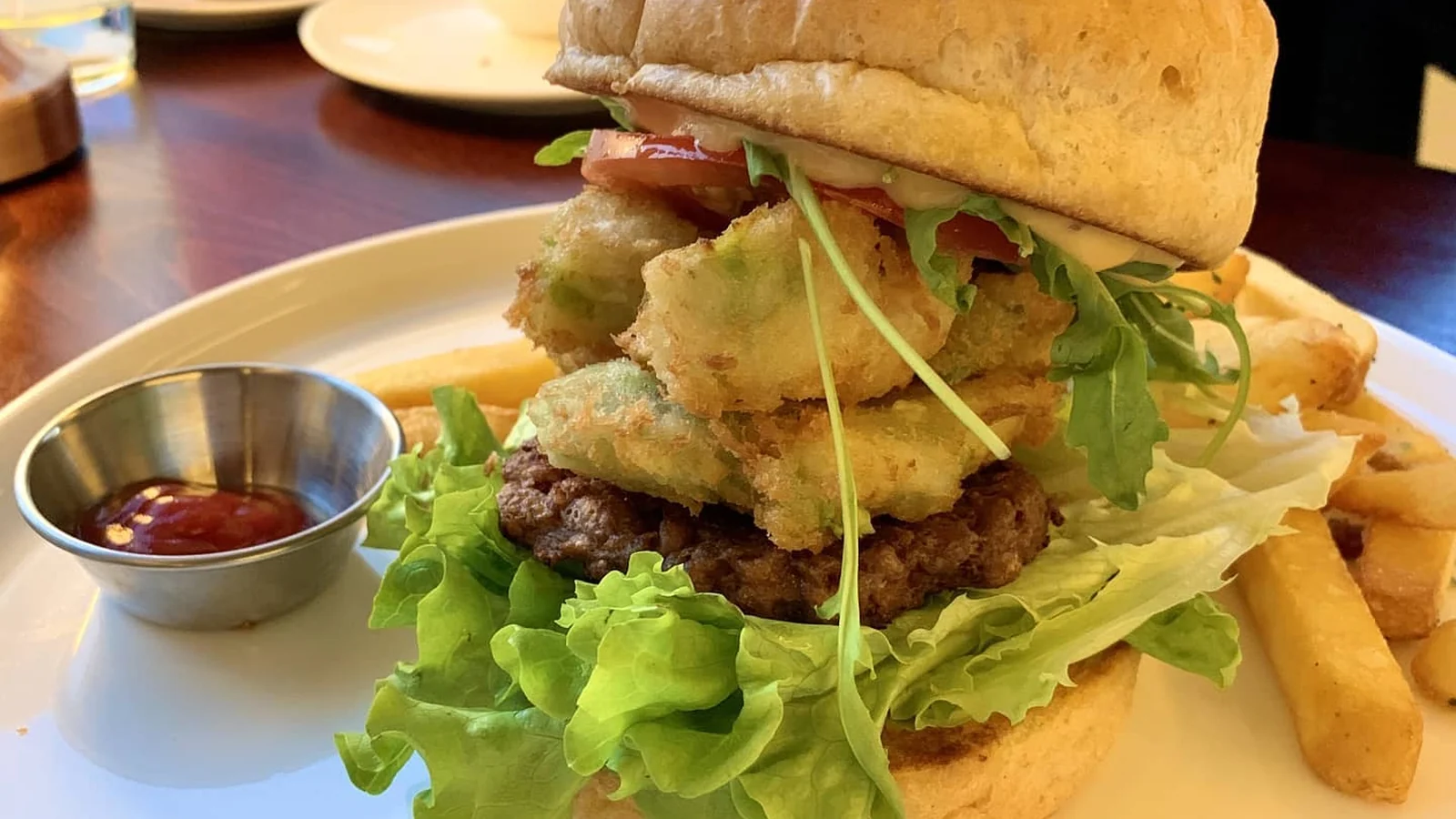
Mahina Vegan Table prepares every menu item with 100% plant-based ingredients. We also provide a separate menu category for guests who avoid the five pungent vegetables. This is why we keep the restaurant-wide animal-derived ingredient standard separate from each guest's dietary requirements. Please tell us again about allergies and important restrictions before ordering.
When viewing the Mahina Vegan Table menu, first choose the dish you would like within the restaurant-wide plant-based standard, then check personal requirements such as avoiding the five pungent vegetables or an allergen separately. If restrictions differ within your party, listing ingredients for each person is more precise. If you need a change beyond the published scope, we will check what is possible before you order.
Using the Terms When Ordering
- Are all vegetarian dishes vegan?
- No. Depending on the form of vegetarian diet, a dish may contain dairy or eggs, so check the actual ingredients. A diet that includes fish is generally distinguished separately as pesco.
- Does ‘plant-based’ always mean 100% plant-based?
- Check the scope of the statement. It may refer to one ingredient, the whole dish or the entire restaurant.
- Is temple food always free from the five pungent vegetables?
- Korean temple food restricts the five pungent vegetables, but check the standard used by the particular venue.
- Is every menu item at Mahina Vegan Table vegan?
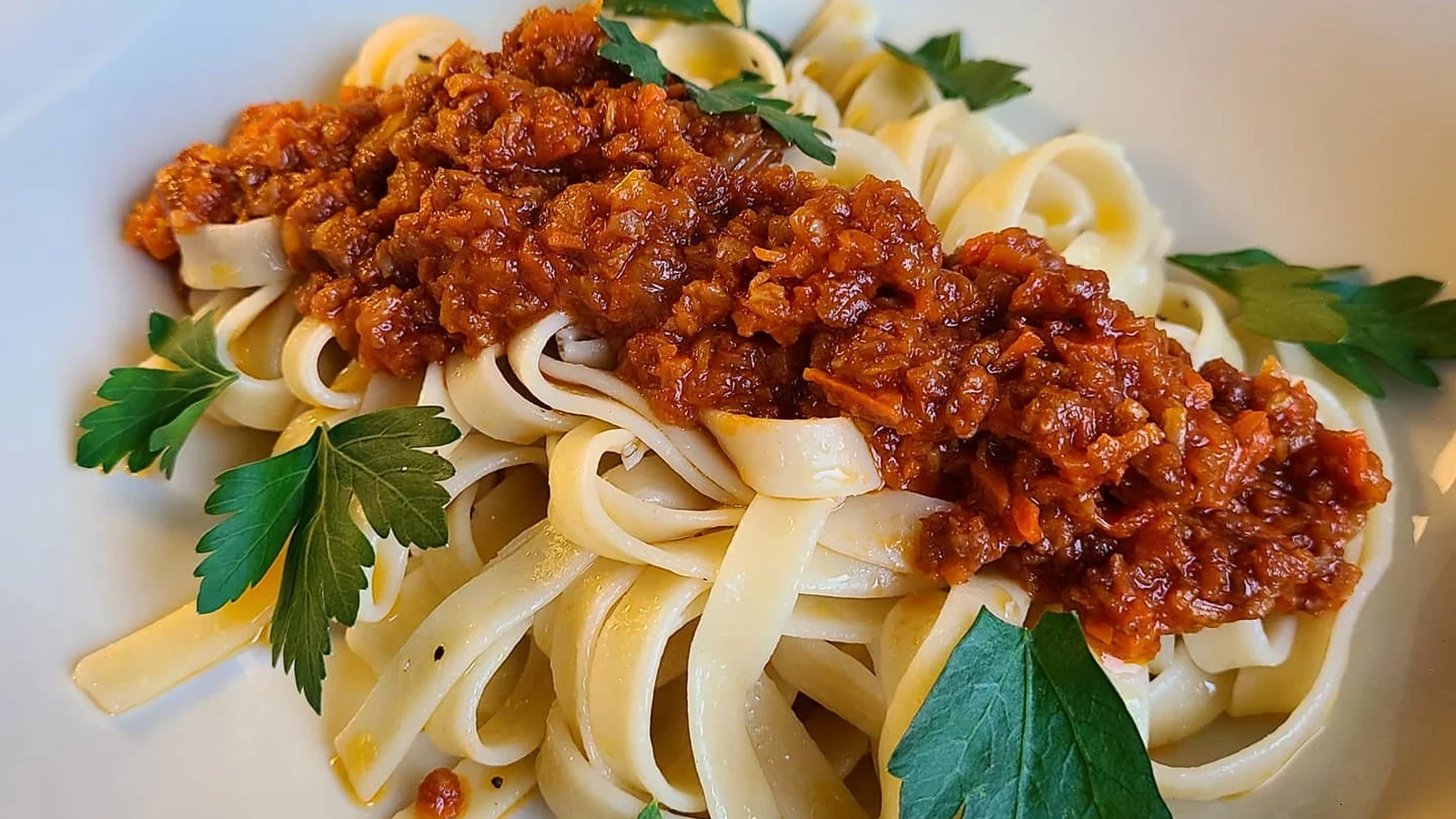
- Mahina Vegan Table prepares every menu item with 100% plant-based ingredients. Allergies and cross-contact requirements must be checked separately.
Check the restaurant-wide plant-based standard separately from individual menu categories.
View Dietary Categories on the Mahina Vegan Table Menu