In this story
- Morels are ascomycete fungi in the genus Morchella
- Ridges and pits create a honeycomb surface
- Morel colour and form vary by species and environment
- Morel ecology varies by species and environment
- Tagliatelle with two kinds of mushroom
- The textural difference between morels and button mushrooms
- Questions about morels
The short answer
Morel is a name that encompasses multiple species in the genus Morchella, commonly distinguished by ridges and recessed pits that give the cap a honeycomb surface. Mahina Vegan Table's Morel Cream Pasta combines tagliatelle and house-made vegan cream sauce with grilled morels, button mushrooms, shallot, garlic and vegan Parmesan powder. This article focuses on structures shared across Morchella and its characteristics as an ingredient.
Three clues for understanding morels
- Morels are ascomycete fungi in the genus Morchella, characterised by a honeycomb-pitted cap surface.
- Colour and shape alone cannot establish detailed species reliably, so molecular data are important in modern classification.
- Morel Cream Pasta combines tagliatelle and vegan cream sauce with grilled morels and button mushrooms.
Into the story
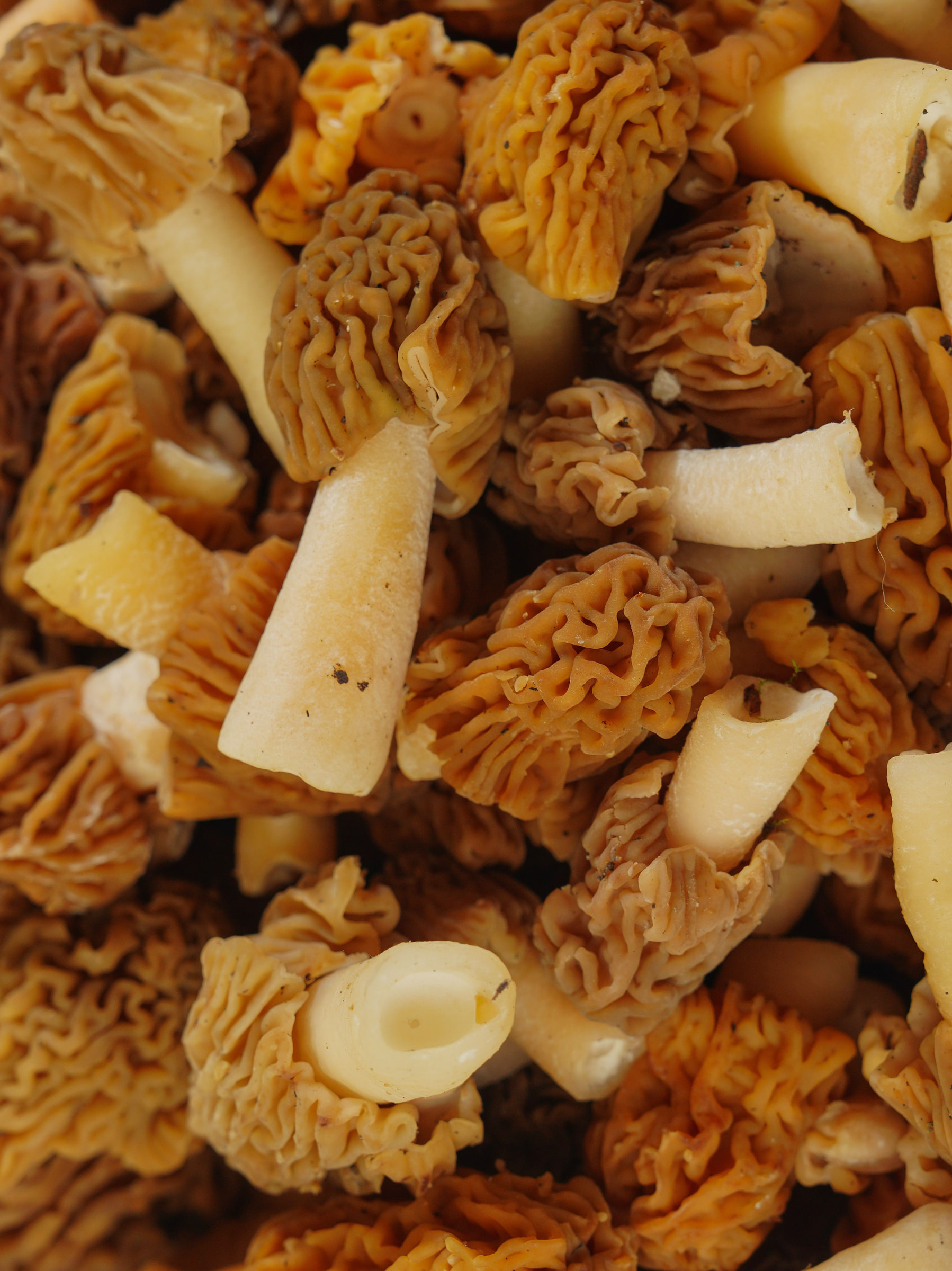
Morels are ascomycete fungi in the genus Morchella
The genus Morchella belongs to the phylum Ascomycota, order Pezizales and family Morchellaceae, and contains diverse lineages.
Morchella includes many species that differ in size, colour and ecology. Mahina Vegan Table uses the menu name ‘morel mushroom’.
Ridges and pits create a honeycomb surface
Morchella fruiting bodies share a repeating pattern of ridges and recessed pits that gives the cap a honeycomb form. This makes them visually quite different from the smooth cap of a button mushroom.
Numerous pits mean a more complex surface than that of a smooth mushroom of the same size. Even after grilling, light and colour fall differently across ridges and pits, preserving the morel's distinctive form.
Morel colour and form vary by species and environment
Morels show considerable variation in colour and form with stage of growth, climate and habitat, and modern classification compares several gene regions together. Traditional classification by appearance alone could not apply species names consistently.
A morel's colour and size can change with growth stage and environment. In food writing, it is more accurate to focus on structures shared by the genus Morchella than to assign a detailed species from the colour in a photograph.
Morel ecology varies by species and environment
North American morels occur in several forest types, and some appear abundantly after wildfires. Yet not every morel follows one habitat pattern, and questions remain in their classification, ecology and cultivation.
Some Morchella species are cultivated commercially, but not every species has the same life cycle or mode of nutrition. Different ecologies and cultivation histories sit within the single name morel.
Tagliatelle with two kinds of mushroom
Mahina Vegan Table's Morel Cream Pasta combines tagliatelle and house-made vegan cream sauce with grilled morels, button mushrooms, shallot, garlic and vegan Parmesan powder. The English menu names the roasted morels ‘Grilled Morels’.
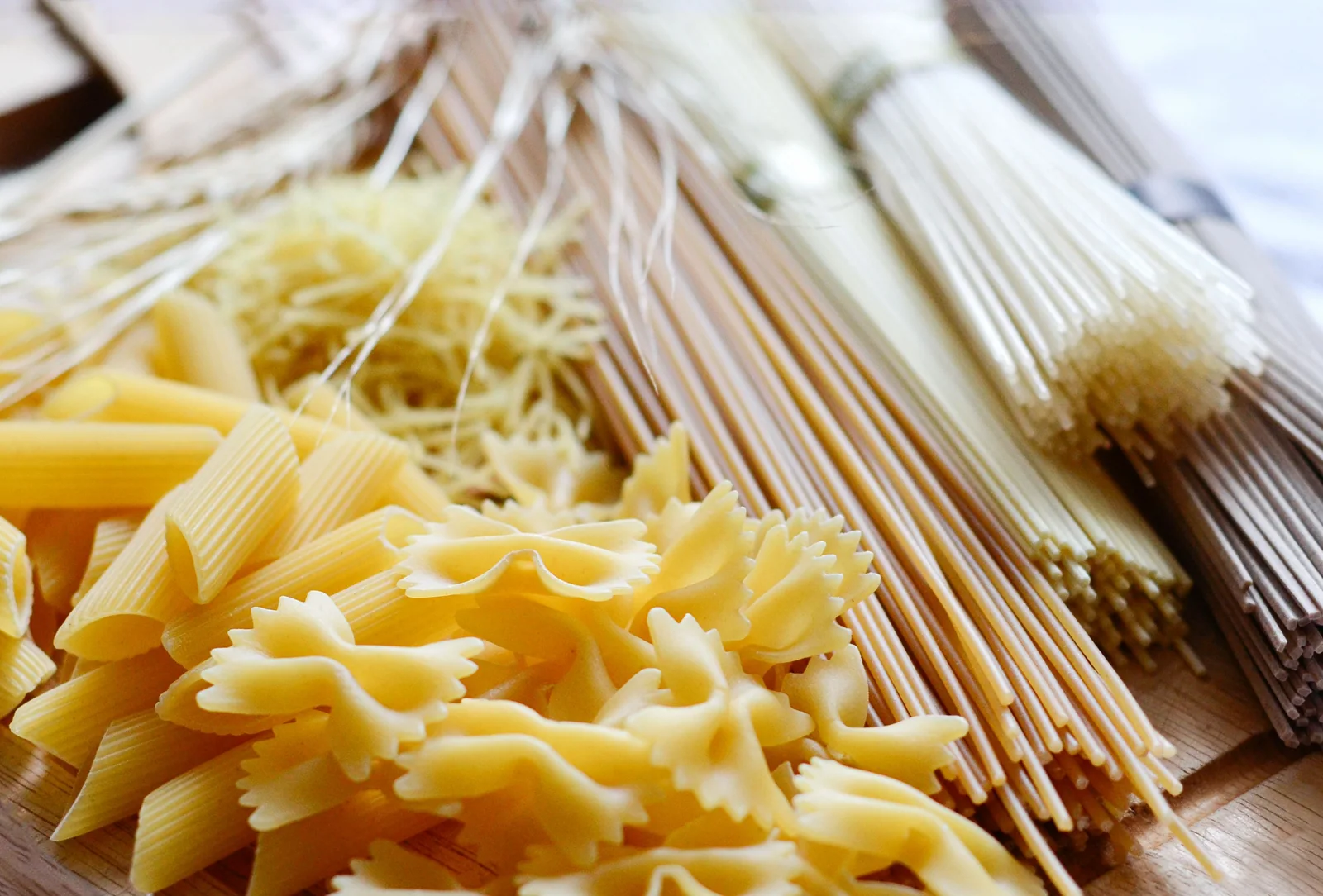
Honeycomb-pitted morels and smooth button mushrooms share one sauce, creating differences in form and bite. Broad tagliatelle brings a different width from slender spaghetti.
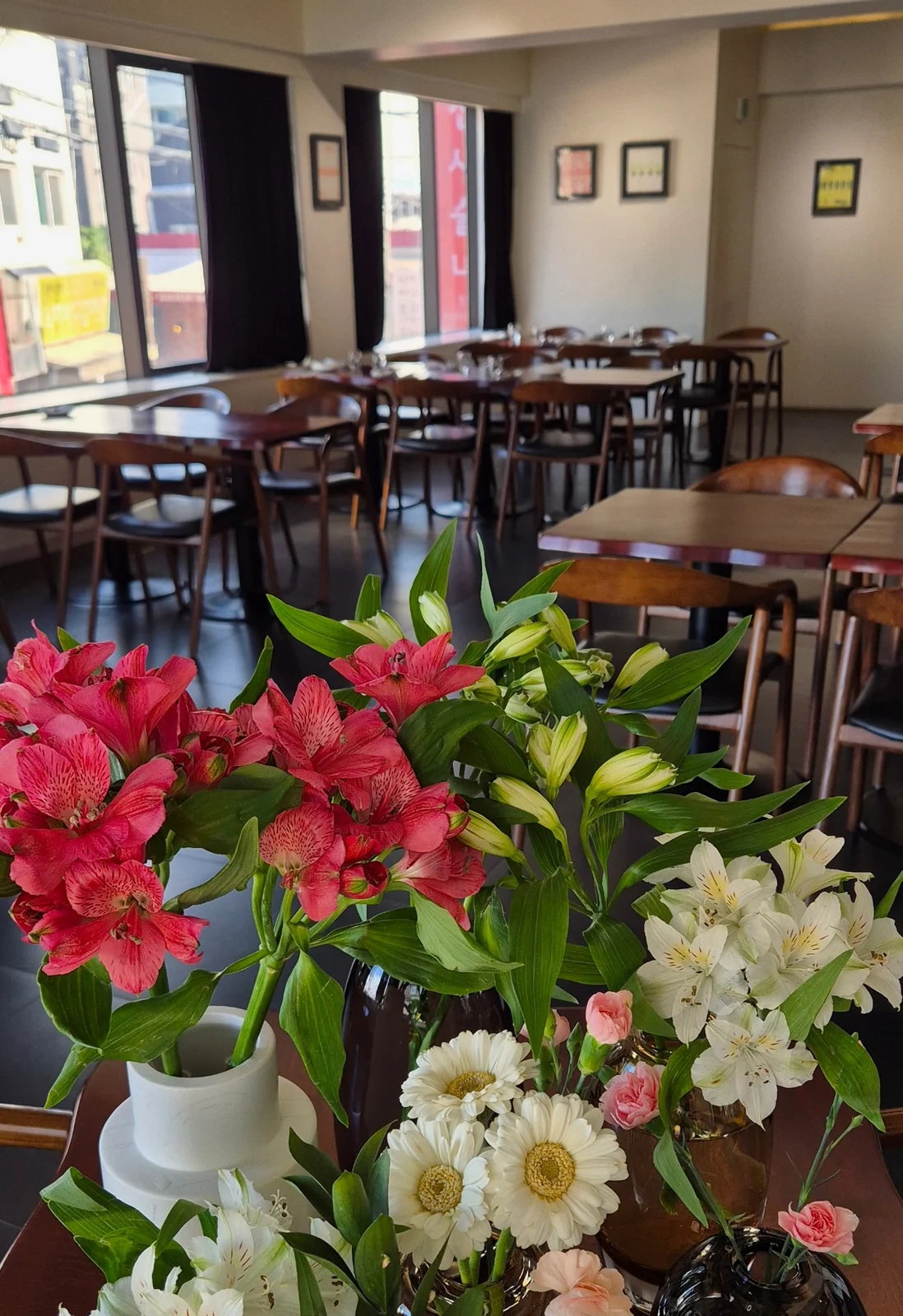
The textural difference between morels and button mushrooms
Honeycomb morels and smooth button mushrooms retain different surfaces and tissues even within the same vegan cream sauce.
Vegan cream sauce coats the broad tagliatelle evenly, while the two mushrooms create different bites among the pasta. Morel ridges and smooth button-mushroom caps form a contrast on one plate.
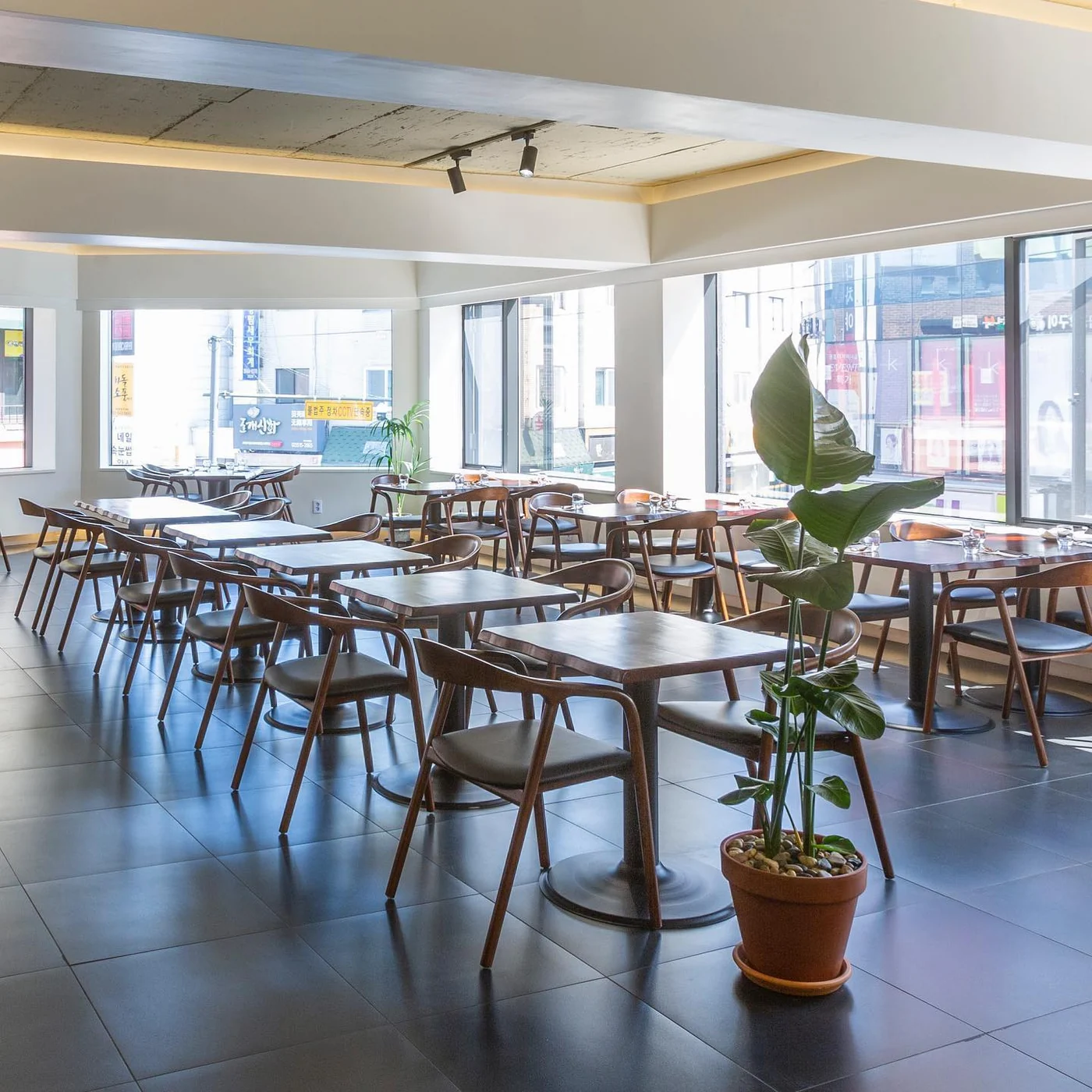
Questions about morels
- What kind of mushroom is a morel?
- It is an ascomycete fungus in the genus Morchella, with ridges and pits that create a honeycomb cap surface.
- How do the surfaces of morels and button mushrooms differ?
- A morel has a honeycomb surface of connected ridges and pits, while the cap of a button mushroom is relatively smooth. Morel Cream Pasta contains both mushrooms.
- Can a detailed morel species be identified by colour alone?
- Variation in form and colour is considerable, so modern classification uses evidence from several gene regions. Colour alone cannot establish the species.
- Can a wild morel's edibility be determined from a photograph?
- Morels vary greatly in form and resemble other mushrooms, so a single photograph must not be used to decide whether a wild mushroom is edible. Follow local expert safety guidance for wild mushrooms.
Grilled morels, button mushrooms and broad tagliatelle retain different forms in a vegan cream sauce.
View the Morel Cream Pasta