In this story
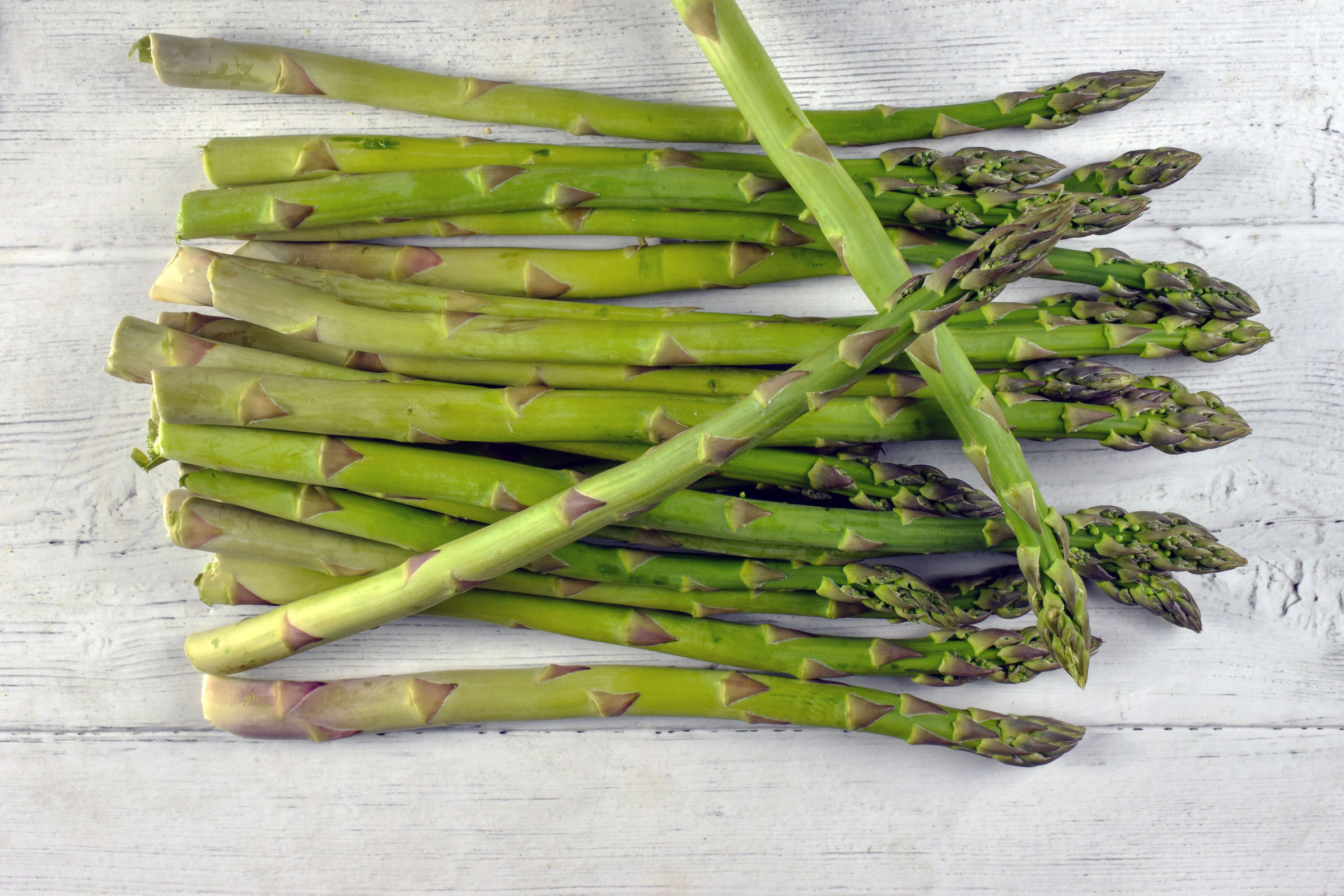
- Each spear at the table is a young shoot from the ground
- Unharvested spears grow into tall, slender shoots
- Thick asparagus is not necessarily tough
- It continues to respire rapidly after harvest
- It joins spaghetti with tomato, herbs and lemon
- Differences in texture between tip and stalk
- Questions about asparagus
The short answer
Asparagus is eaten as the young shoot, or ‘spear’, of Asparagus officinalis. A thick spear is not necessarily tough, nor a thin one necessarily tender; a tightly closed tip and straight stalk are important quality standards. In the Roasted Asparagus Tomato Herb Lemon Pasta, the spears join spaghetti with cherry tomatoes, herbs and lemon.
Three clues for understanding asparagus
- The part of asparagus we eat is the young shoot that rises from an underground crown.
- Tenderness or toughness cannot be judged from thickness alone.
- In the Roasted Asparagus Tomato Herb Lemon Pasta, the spear's length and bite contrast with the spaghetti.
Into the story
Each spear at the table is a young shoot from the ground
Asparagus has the scientific name Asparagus officinalis. It is a perennial, and the spears we eat are young shoots that rise in spring from the underground crown and roots.
The scale-like pieces at the tip enclose undeveloped branch and leaf structures. If allowed to grow tall, fine branches spread into a fern-like form, although asparagus is not actually a fern.
Unharvested spears grow into tall, slender shoots
After the harvest season, spears left to grow produce leaf-like above-ground growth that photosynthesises and stores energy in the crown for the following year's shoots.
The young shoots of a short harvest season and the large summer growth belong to the same plant, revealing asparagus's distinctive life cycle. Eating a spear means using a newly emerged shoot at an early stage of growth.
Thick asparagus is not necessarily tough
Spear thickness is not a reliable direct indicator of tenderness. It is influenced by cultivar, plant age and growing conditions; quality also calls for tightly closed tips, straight form and freshness.
There is no need to seek only slender spears or automatically avoid thick ones. It is more practical to check that the base is not excessively dry, the tip has not opened and the stalk is firm.
It continues to respire rapidly after harvest
Asparagus has a high respiration rate after harvest, and low temperature and high relative humidity are important for maintaining quality. As moisture is lost, the base dries and fibres in the stalk may become more pronounced.
At home, keep asparagus as cold as practical and limit drying at the base. Using it while the tip is still tightly closed makes it easier to preserve the spear's moisture and crispness than storing it for a long time.
It joins spaghetti with tomato, herbs and lemon
The Roasted Asparagus Tomato Herb Lemon Pasta combines spaghetti and house-made tomato sauce with roasted asparagus, cherry tomatoes, shallot, garlic, fresh basil, fresh thyme, lemon and vegan Parmesan powder.
A long asparagus spear follows a direction similar to the pasta while remaining clearly different in bite. Tomato acidity, basil and thyme aromas, and lemon brightness accompany the aroma of the roasted shoot.
Differences in texture between tip and stalk
Even within one asparagus spear, the tip, middle stalk and base do not have identical tissue. Eaten with spaghetti, the resilience of the pasta can be compared with the spear's crisp bite.
Mahina Vegan Table's Roasted Asparagus Tomato Herb Lemon Pasta presents asparagus as roasted spears rather than hiding it in small pieces. It suits diners who want to feel the form and texture of a whole vegetable stalk clearly within a tomato-sauce pasta.

Questions about asparagus
- Is asparagus a vegetable whose leaves are eaten?
- The principal edible part is the spear, a young shoot that rises from the underground crown.
- Is thick asparagus tougher?
- Tenderness cannot be judged from thickness alone. Cultivar, plant age and growing conditions also affect thickness.
- Why can asparagus tips curve upwards during storage?
- The spear continues to develop after harvest and may bend in a response that directs growth against gravity.
- Why avoid asparagus with opened tips?
- A tightly closed tip is a standard of fresh quality, while opening may signal that growth and ageing have advanced further.
Roasted asparagus, cherry tomatoes, basil, thyme and lemon come together with spaghetti.
View the Roasted Asparagus Pasta