In this story
- The Five Pungent Vegetables and Their Exclusion
- The Five Ingredients Excluded in Korean Temple Cuisine
- Why the Lists Differ Across Regions and Texts
- History of Avoiding the Five Pungent Vegetables
- Religious Reasons and the Science of Aroma
- Five-Pungent-Vegetable-Free, Temple, Vegetarian and Vegan Food
- Ordering Food Without the Five Pungent Vegetables
- Building Flavor Without the Five Pungent Vegetables
- Frequently Asked Questions
- Choosing Food Without the Five Pungent Vegetables at Mahina Vegan Table
Muo-sinchae (無五辛菜) refers to food or a dietary practice that excludes the five pungent vegetables. In Korean temple cuisine, these are green onions, garlic, garlic chives, Korean wild chives and heunggeo. The practice comes from a Buddhist dietary tradition of reducing strong odors and stimulation to support concentration in spiritual practice.
Today, onions, shallots and leeks may also be excluded. The principle extends beyond removing green onions and garlic as garnishes to checking ingredients in stocks, seasonings and flavored oils.
The Five Pungent Vegetables and Their Exclusion
Osinchae: The Five Pungent Vegetables (五辛菜)
The name combines the characters for 'five' (五), 'pungent' (辛) and 'vegetable' (菜). Here, pungency is not limited to the burning sensation of chili. It is a traditional classification that includes plants such as garlic and green onions, which develop strong aromas and irritation when cut or crushed.
Ohunchae (五葷菜) and Ohun (五葷)
Buddhist writings also use the term ohun alongside osinchae. The character hun (葷) can refer to strong-smelling vegetables. Both terms have been used for pungent vegetables, although the specific list has varied by period and region.
Muo-sinchae: Without the Five Pungent Vegetables (無五辛菜)
The term describes food without the five pungent vegetables, or the principle of eating that way. Today, restaurant guests may request it for religious practice, personal beliefs or preferences, digestive reasons or allergies. The ingredients to exclude and the acceptable level of cross-contact from shared utensils depend on the reason. State the ingredients and preparation requirements clearly when ordering.
The Five Ingredients Excluded in Korean Temple Cuisine
| Pungent Vegetable | Ingredients Covered | Forms Used in Seasoning and Cooking |
|---|---|---|
| Green onions | Often broadly includes types such as large green onions and small scallions | Check whether the exclusion covers only large green onions or also small scallions, thin green onions and leeks |
| Garlic | May include minced garlic, garlic powder and garlic oil as well as fresh garlic | Check ingredients in flavored oils, sauces, seasonings and stocks |
| Garlic chives | Plants in the genus Allium, including Korean buchu and garlic chives | Check garnishes, seasoning sauces and dumpling fillings |
| Korean wild chives | Dallae, eaten as a spring green in Korea | Check for even small amounts in pickles or seasoned soy sauce |
| Heunggeo | An ingredient connected with hiṅgu in Indian Buddhist texts and later identified with awi, or asafoetida | Not a common fresh vegetable in Korea; the correspondence between its textual name and a plant has long been debated |
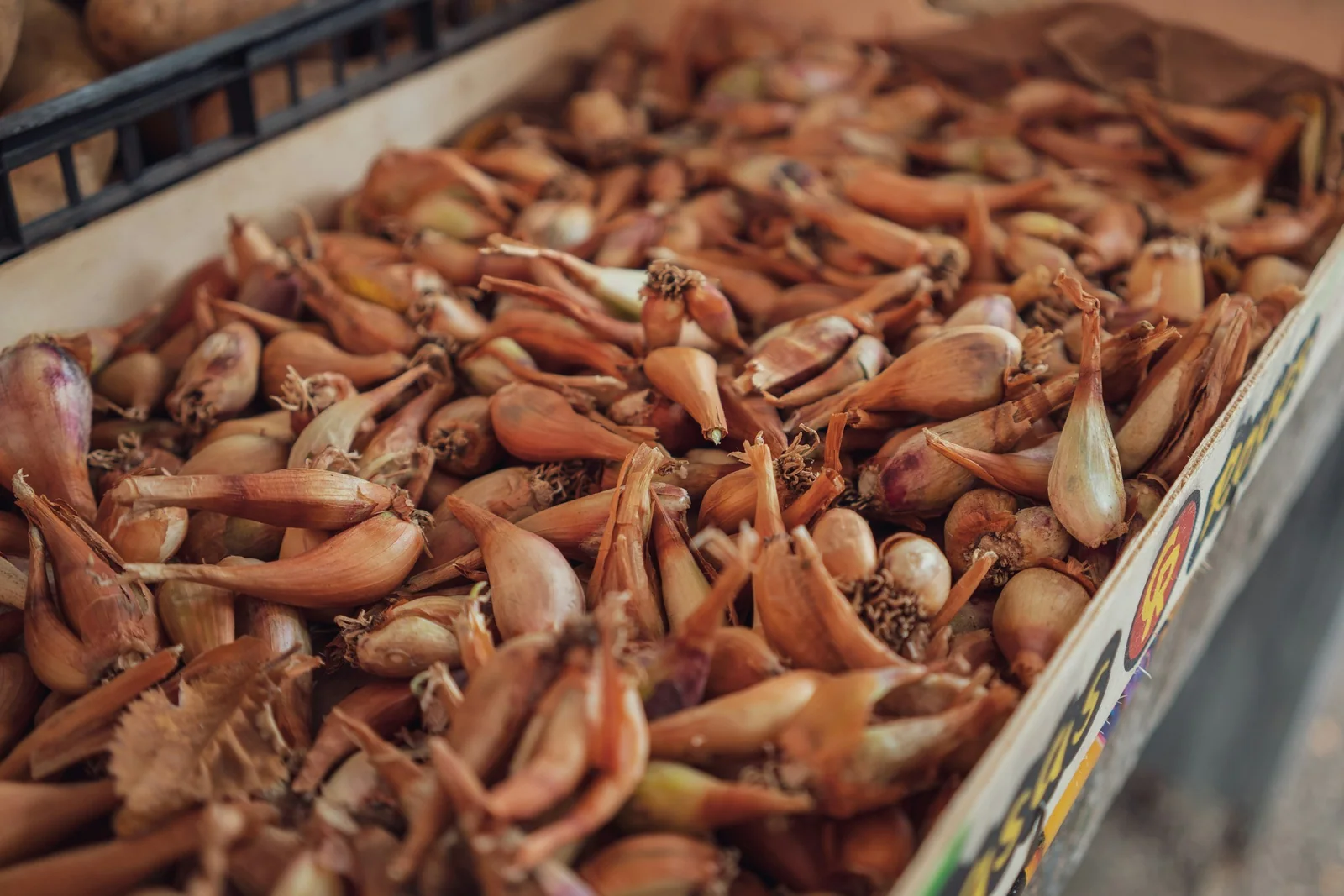
Heunggeo and Its Disputed Botanical Identity
The Sanskrit hiṅgu in Indian Buddhist writings was mistakenly understood as several different plants during translation into Chinese. Monks familiar with Sanskrit and the Western Regions later connected it with awi (阿魏), or asafoetida.
Today, asafoetida, also called hing, is a strongly aromatic resinous spice obtained from plants of the genus Ferula. Heunggeo is a name whose meaning shifted as Indian texts were translated into Chinese and matched to East Asian plants.
Why the Lists Differ Across Regions and Texts
Translated Names and Local Plants
The tradition of avoiding the five pungent vegetables passed from Indian Buddhist texts to China. As translators matched the plants in the originals with Chinese classifications of pungent vegetables, both names and lists changed. Differences in plant distribution, language and local culture all contributed.
Why Onions Are Also Excluded in Modern Korea
The five pungent vegetables of Korean temple cuisine are green onions, garlic, garlic chives, Korean wild chives and heunggeo. Modern Korean dietary practice may exclude onions too. Heunggeo and onions are different ingredients, but restaurants and communities sometimes add onions to a broader exclusion of strong-smelling vegetables.
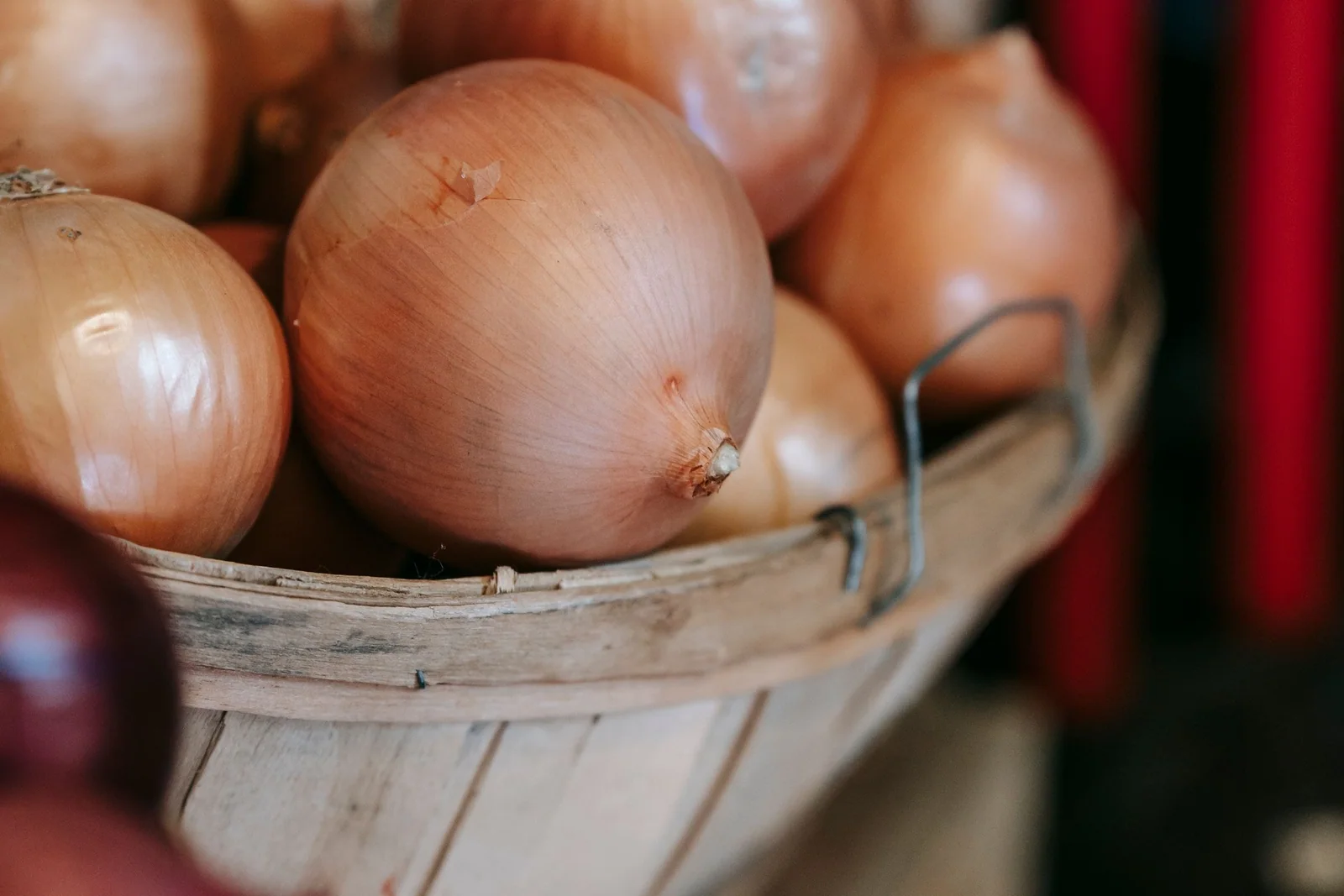
“Does this dish contain onions, shallots, leeks, scallions, garlic powder or onion powder? Can all of them be left out?”
Checking Chili, Ginger and Black Pepper Separately
The translation 'five spicy vegetables' can suggest that all hot spices belong to this group. Chili, ginger and black pepper are not among the five pungent vegetables of Korean temple cuisine. People who avoid stimulating food more broadly may exclude these spices separately.
History of Avoiding the Five Pungent Vegetables
The list of ingredients and the reasons related to spiritual practice have varied over time and by region. Today's dietary principles developed as Buddhist texts and practice were passed down and changed.
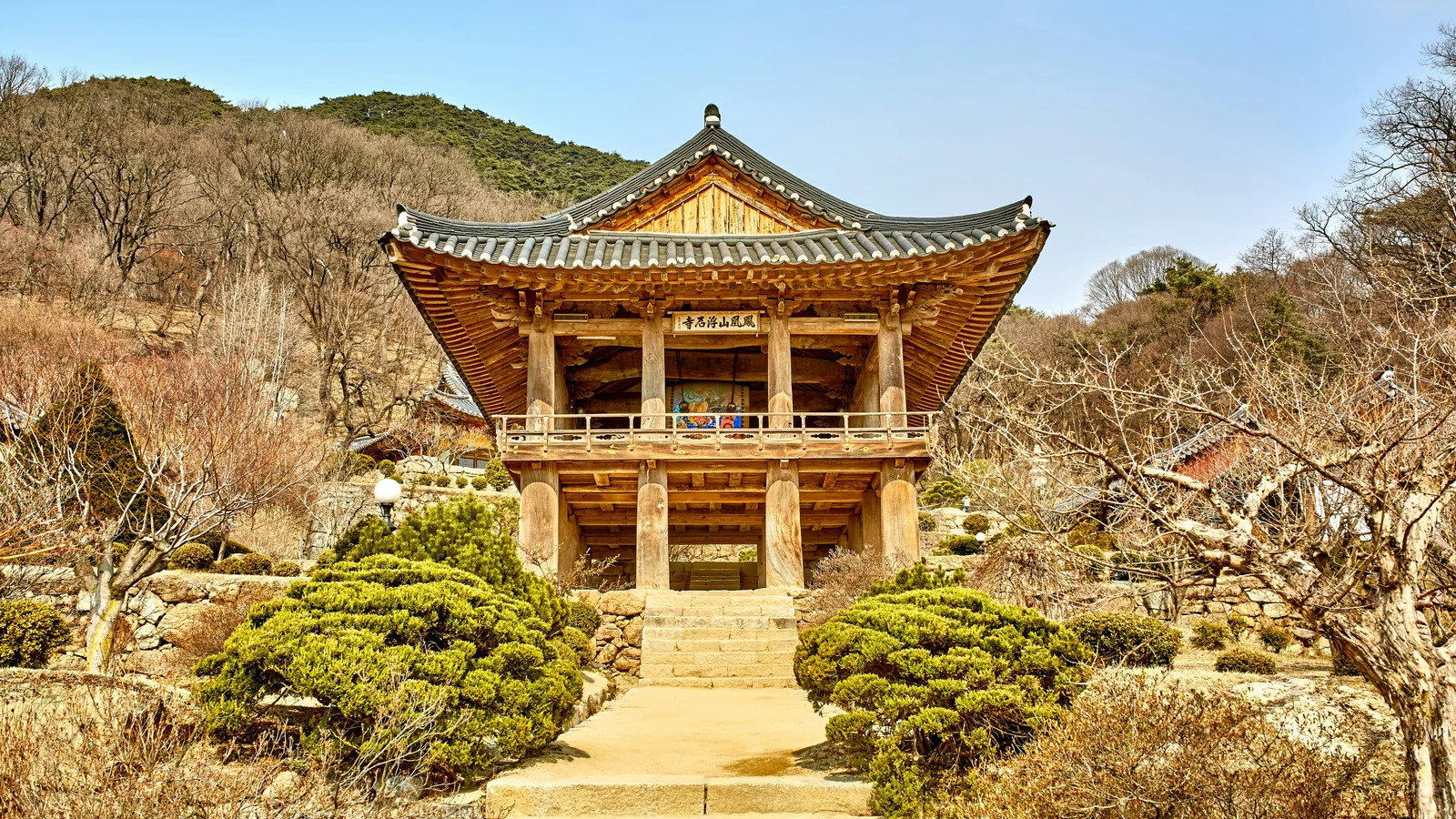
Garlic and Communal Life in Early Buddhism
Early Buddhism treated garlic's strong odor as a potential source of discomfort within monastic communities and conflict during encounters with lay followers. Later Vinaya texts include rules temporarily restricting the communal activities and duties of monks or nuns who had eaten garlic.
Early rules combined concerns about smell and communal etiquette, ideas of purity, and exceptions allowing medicinal use.
The Five Ingredients in Mahayana Buddhist Texts
In later Mahayana Buddhist texts, the exclusions expanded to five pungent ingredients. They were also discussed in relation to the purity of food and practices for regulating desire and anger. The Śūraṅgama Sūtra gives a religious explanation that eating them raw provokes anger, while eating them cooked stimulates desire.
Early Buddhism placed greater emphasis on odor and communal life, while later texts emphasized desire and anger.
Changing Plant Names in China
Because India's plants differed from China's agricultural environment and plant classifications, translation linked the names of the five pungent vegetables with familiar Chinese types of green onions, garlic and chives. Confusion about the identity of heunggeo also arose in this process.
Principles of Korean Temple Cuisine
After Buddhism reached Korea, a food culture excluding meat, fish and the five pungent vegetables developed by incorporating ingredients and cooking methods found around temples. Literary collections and monks' recorded sayings from the Goryeo period also contain references to temple food. Korean temple cuisine took shape over many periods.
Korean temple cuisine was designated National Intangible Heritage on May 19, 2025. It encompasses monks' everyday meals as spiritual practice, formal monastic bowl meals known as balwoo gongyang, and habits of conserving food.
Religious Reasons and the Science of Aroma
Reasons Within Buddhist Practice
Korean temple cuisine avoids the five pungent vegetables for reasons such as these.
- Reducing strong smells and stimulation is considered helpful for calming the mind and concentrating on spiritual practice.
- The practice also seeks to moderate attraction to intense food flavors.
- Other important elements include the compassionate principle of avoiding meat, seasonal ingredients, balwoo gongyang and conserving food.
Avoiding the five pungent vegetables is grounded in the aims of calming the mind and regulating desire and anger.
The Science Behind Their Strong Aromas
Plants in the genus Allium, such as garlic, onions, garlic chives and leeks, undergo enzymatic reactions when cut or crushed. The resulting volatile sulfur-containing compounds contribute to strong aromas and irritation. Different plants have different types and quantities of these compounds, giving them distinct aromas.
These enzymatic reactions explain why allium aromas intensify during preparation.
Five-Pungent-Vegetable-Free, Temple, Vegetarian and Vegan Food
| Term | Basic Exclusions or Principles | Additional Points to Check |
|---|---|---|
| Without the five pungent vegetables | The ingredients classified as the five pungent vegetables by the food provider | Whether meat, fish, eggs, dairy and honey are excluded |
| Vegetarian | Usually meat and fish | Whether eggs, dairy, honey and the five pungent vegetables are excluded |
| Vegan diet | All animal-derived foods | Whether the five pungent vegetables are excluded and allergen cross-contact is prevented |
| Korean temple cuisine | Buddhist restrictions on meat, fish and the five pungent vegetables, together with monastic food practices | Whether institutions apply the same criteria to eggs, dairy and honey, and whether vegan certification is held |
| Allergy-specific diet | The relevant allergens and necessary cross-contact controls | Whether religious five-pungent-vegetable exclusions or vegan criteria are met |
Temple Food and Vegan Food
Temple cuisine includes meals that avoid meat, fish and the five pungent vegetables, alongside Buddhist food practices such as balwoo gongyang. Vegan status is assessed from the animal-derived ingredients and production processes of an individual food.
To determine whether a particular restaurant's, temple's or manufacturer's food is vegan, check eggs, milk, butter, cheese, honey and processing aids used during production. Temple cuisine is a cultural category; the ingredients in individual foods or products require separate confirmation.
Ordering Food Without the Five Pungent Vegetables
Explaining Ingredients and Preparation Requirements
“Please leave out green onions, garlic, garlic chives, Korean wild chives and heunggeo, as well as onions, scallions, shallots and leeks. I also avoid powders, seasonings, stocks and flavored oils containing them. Are any already included and impossible to remove?”
If you also need vegan food, add the following.
“Please also leave out meat and fish stocks, fish sauce and salted fermented seafood, eggs, milk, butter, cheese and honey. Are any already included and impossible to remove?”
If you have an allergy, name the exact ingredient that causes it.
“I have a garlic allergy. Please check not only ingredients containing garlic but also possible cross-contact from shared knives, pans, fryers and work surfaces.”
Allergy safety needs confirmation separately from vegan or five-pungent-vegetable-free labeling. Check both ingredients and the possibility of cross-contact during preparation.
Foods That Commonly Contain the Five Pungent Vegetables
- Vegetable stocks, other stocks and concentrated bouillon
- Kimchi, Korean preserved vegetables and pickles
- Soy-based seasonings, dressings, pesto and curry pastes
- Garlic oil, green onion oil and other flavored oils
- Onion powder, garlic powder and seasoning blends
- Processed foods such as vegan cheese, patties and sausages
- Garnishes and finishing oils
Check the five pungent vegetables in stocks, sauces and flavored oils, not only garnishes.
Information Restaurants Should Provide
- The exact five ingredients the restaurant classifies as the five pungent vegetables
- Whether onions, scallions, shallots and leeks are also excluded
- Whether powders, oils, stocks and processed foods are checked
- Whether food is vegan and whether it excludes the five pungent vegetables
- Whether allergen cross-contact can be prevented This information allows guests to make decisions that meet their religious, dietary or medical needs.
Building Flavor Without the Five Pungent Vegetables
Layering umami, roasted aromas, acidity, herbs and varied textures can create rich flavors without the five pungent vegetables.
Building an Umami Base
- Kelp, shiitake and other edible mushrooms
- Fermented seasonings such as doenjang and soy sauce with checked ingredients
- Tomatoes, radishes, napa cabbage, beans and tofu
Commercial fermented pastes and sauces may already contain garlic or onion, so check their ingredient lists.
Adding Roasted Aromas and Depth
- Brown the surfaces of mushrooms, eggplant, cauliflower and kabocha squash thoroughly.
- Toast nuts, seeds and perilla seeds to add nutty flavor and texture.
- Drying vegetables or reducing them slowly removes water and concentrates flavor and aroma.
Finishing with Acidity and Aroma
- Adjust acidity with lemon, yuzu, vinegar or green plum.
- Use perilla leaves, basil, dill, coriander, sancho and jepi according to the guest's specific exclusions.
- Ginger, chili and black pepper are not among the five pungent vegetables of Korean temple cuisine, but may not suit someone who avoids stimulation more broadly. Check first.
Combining Textures
Combining crisp roasted ingredients, smooth purées, chewy grains and leafy vegetables on one plate keeps each bite varied even without the strong aromas of green onions and garlic.
Frequently Asked Questions
Are onions one of the five pungent vegetables?
The five in Korean temple cuisine are green onions, garlic, garlic chives, Korean wild chives and heunggeo. Today, many restaurants and Buddhist communities also exclude onions, shallots and leeks. Ask whether those ingredients are excluded when ordering.
Must chili and ginger also be excluded?
Chili and ginger are not among the five pungent vegetables of Korean temple cuisine. Individuals or communities that limit strong stimulation more broadly may avoid them separately.
Which vegetable sold in Korea is heunggeo?
Heunggeo is a historical name that developed as the Sanskrit hiṅgu was translated into Chinese and connected with awi, known today as asafoetida.
Is food without the five pungent vegetables vegan?
The two terms describe different criteria. Food without the five pungent vegetables is not vegan if it contains eggs, dairy, meat, fish or honey. Conversely, vegan food containing garlic or green onions does not meet the five-pungent-vegetable exclusion.
Is all temple food vegan?
The vegan status of a particular food depends on the actual ingredients used by the restaurant or temple. Official descriptions emphasize meat, fish and the five pungent vegetables, but may explain the treatment of eggs, dairy and honey differently.
If I have an allergy, is it enough to request food without the five pungent vegetables?
If you have an allergy, make the medical need explicit as well as requesting the exclusion. Vegan and five-pungent-vegetable-free labels do not automatically guarantee allergy safety. Separately check the exact plant to avoid, whether powders or oils are included, and the possibility of cross-contact.
Choosing Food Without the Five Pungent Vegetables at Mahina Vegan Table
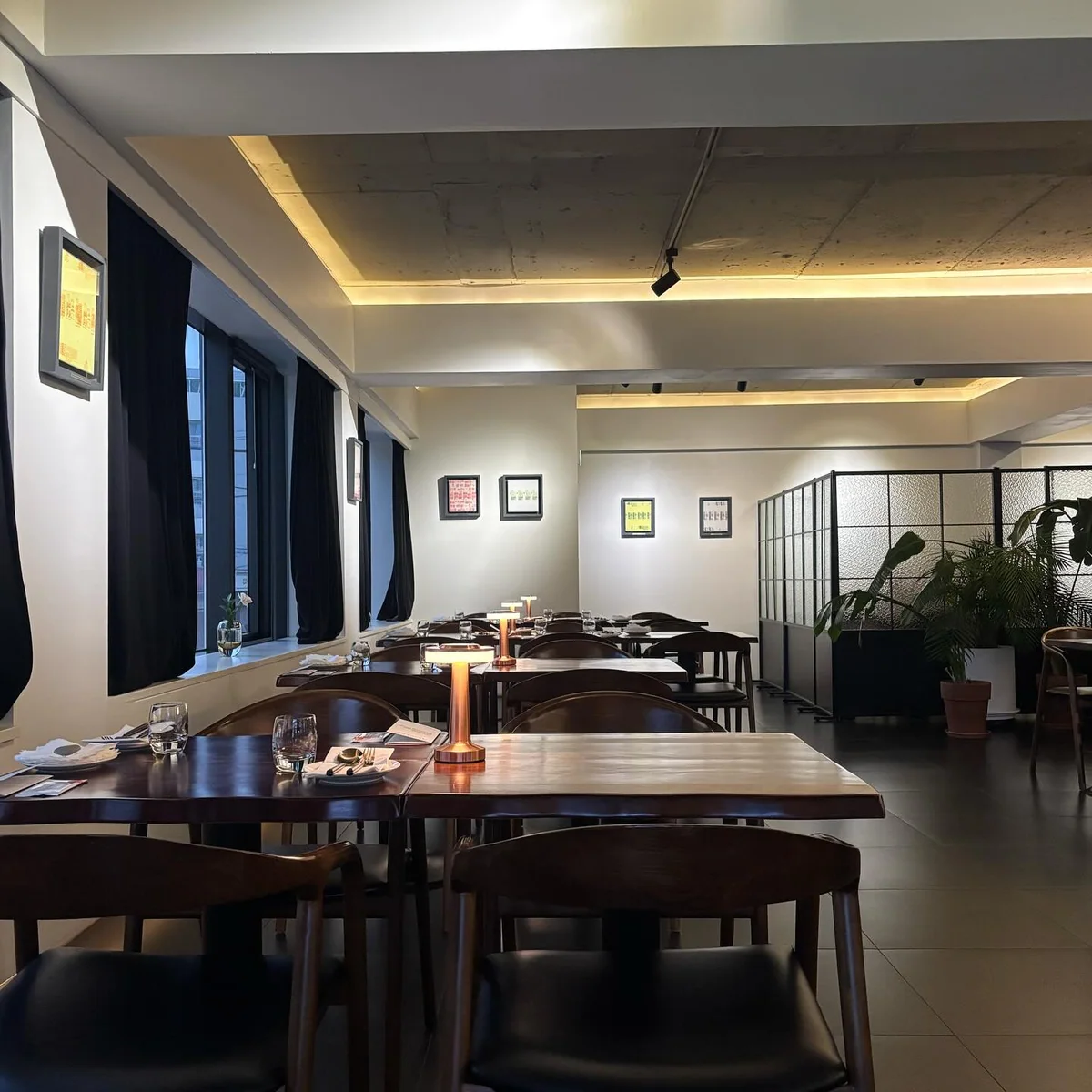
Mahina Vegan Table's official menu describes all dishes as 100% plant-based. It also presents a separate 'Buddhist-style, without the five pungent vegetables' menu alongside the regular menu. If you want vegan food that also avoids these vegetables, you can choose from this category.
The five-pungent-vegetable-free label does not mean separate preparation that prevents allergen cross-contact. If you have an allergy, tell the restaurant before ordering which plants, powders and flavored oils you must avoid, and discuss possible cross-contact from shared pans, knives, fryers and work surfaces.