In this story
- Vegetarian and Vegan Shares by Country
- United States: 5% Vegetarian, 2% Vegan
- England, Wales and Northern Ireland: 4% Vegetarian, 1% Vegan
- India: 39% of Adults Identify as Vegetarian
- Germany: 7% Vegetarian, 2% Vegan, 37% Flexitarian
- Dietary Patterns and Recent Changes in 10 European Countries
- Dietary Patterns Across 28 Countries in 2018
- Different Types of Vegan and Vegetarian Diets
- Ingredient Information When Dining Out
- Choosing a Meal at Mahina Vegan Table
In a 2026 U.S. survey, 5% of adults identified as vegetarian and 2% as vegan. A 2025 German survey found 7% vegetarian and 2% vegan, while 39% of adults in India's 2019–2020 survey identified as vegetarian. The prevalence of vegetarian diets and everyday eating habits vary with religion, regional culture and generation.
Vegetarian and Vegan Shares by Country
| Country or Region | Vegetarian | Vegan | Survey Year | Survey Population |
|---|---|---|---|---|
| United States | 5% | 2% | 2026 | 1,200 people aged 18 and over |
| England, Wales and Northern Ireland | 4% | 1% | 2023 | 5,812 people aged 16 and over |
| India | 39% | No separate question | 2019–2020 | 29,999 people aged 18 and over |
| Germany | 7% | 2% | 2025 | Approximately 1,000 people aged 14 and over |
United States: 5% Vegetarian, 2% Vegan
In the July 2026 survey, 5% of U.S. adults identified as vegetarian and 2% as vegan. The vegetarian share has ranged from 4% to 6% since 1999, while the vegan share has ranged from 1% to 3% since that question was introduced in 2012.
| Survey Year | Vegetarian | Vegan |
|---|---|---|
| 1999 | 6% | Before the question was introduced |
| 2001 | 6% | Before the question was introduced |
| 2012 | 5% | 2% |
| 2018 | 5% | 3% |
| 2023 | 4% | 1% |
| 2026 | 5% | 2% |
Between 2023 and 2026, the vegetarian and vegan shares each increased by 1 percentage point. Over the longer term, fluctuation within a narrow range is more evident than a large increase. For the full 2026 sample, the maximum margin of sampling error was ±4 percentage points at the 95% confidence level.
There are also differences by age. In the 2026 survey, 8% of young adults identified as vegetarian, compared with 3% of those aged 65 and over. Eating patterns differ between generations within the overall average.
The survey was conducted by landline and mobile telephone from July 1 to 19 across all 50 U.S. states and Washington, D.C. Vegetarian and vegan identities were asked about separately.
England, Wales and Northern Ireland: 4% Vegetarian, 1% Vegan
The 2023 survey recorded 4% vegetarian and 1% vegan, alongside 3% pescatarian and 10% who ate mainly vegetarian food but occasionally ate meat.
| Dietary Pattern | Share of Respondents | Dietary Characteristics |
|---|---|---|
| Vegetarian | 4% | A diet excluding meat and fish |
| Vegan | 1% | A diet excluding animal-derived foods |
| Pescatarian | 3% | Avoids meat but includes fish and seafood |
| Mainly vegetarian, with occasional meat | 10% | Emphasizes plant-based food while also choosing meat |
Vegan diets that exclude all animal-derived foods appear separately from diets that reduce meat. People seeking plant-based dishes do not all follow the same vegan diet.
The survey was conducted online and by post between April 28 and July 10, 2023, with 5,812 participants aged 16 and over. It covered England, Wales and Northern Ireland, but not Scotland.
India: 39% of Adults Identify as Vegetarian
In India's 2019–2020 nationwide face-to-face survey, 39% of adults identified as vegetarian. Including people who avoided particular meats or did not eat meat on certain days, 81% placed some form of restriction on meat consumption.
Vegetarianism is deeply connected with religion and everyday customs. The same survey found substantial differences between religions.
| Religion | Share Identifying as Vegetarian |
|---|---|
| Jainism | 92% |
| Sikhism | 59% |
| Hinduism | 44% |
| Buddhism | 25% |
| Christianity | 10% |
| Islam | 8% |
Among Jain respondents, 67% also said they did not eat root vegetables, including garlic and onions. This illustrates how food choices can extend beyond the presence of animal-derived ingredients to which part of a plant is eaten.
The survey involved 29,999 adults aged 18 and over in 26 states and 3 union territories, using 17 languages. Respondents determined what 'vegetarian' meant to them, and vegans were not counted separately.
Germany: 7% Vegetarian, 2% Vegan, 37% Flexitarian
In Germany's 2025 survey, 7% identified as vegetarian, 2% as vegan and 37% as flexitarian. Flexitarians frequently choose plant-based food while reducing meat consumption.
Purchases of alternatives also changed.
| Survey Year | Respondents Who Frequently Bought Vegetarian or Vegan Alternatives |
|---|---|
| 2020 | 29% |
| 2024 | 39% |
| 2025 | 34% |
The reported share rose by 10 percentage points from 2020 to 2024, then fell by 5 percentage points year on year to 34% in 2025. That remained 5 percentage points above 2020. Purchases of alternatives include choices by flexitarians and omnivores as well as vegans.
The 2025 survey was conducted by telephone from May 22 to June 11, with approximately 1,000 participants aged 14 and over.
Dietary Patterns and Recent Changes in 10 European Countries
These results come from a 2023 survey of 7,500 people in Austria, Denmark, France, Germany, Italy, the Netherlands, Poland, Romania, Spain and the United Kingdom.
| Dietary Pattern | Combined Share Across 10 Countries |
|---|---|
| Omnivorous | 62% |
| Flexitarian | 27% |
| Vegetarian | 5% |
| Pescatarian | 4% |
| Vegan | 3% |
Percentages are rounded to whole numbers and total 101%.
Among the countries surveyed, Austria had the highest vegan share at 5%, and the United Kingdom the highest vegetarian share at 7%. This U.K. figure comes from a separate survey with a different methodology from the food authority survey described above.
Reducing Meat and Eating Plant-Based Alternatives
Between 2021 and 2023, changes appeared in how much and how often people ate particular foods, rather than only in the names they gave their diets.
| Measure | 2021 | 2023 | Change |
|---|---|---|---|
| Meat eaters who said they had actively reduced their consumption | 46% | 51% | +5 percentage points |
| Respondents identifying as flexitarian | 30% | 27% | −3 percentage points |
| Respondents eating plant-based alternatives at least once a week | 21% | 28% | +7 percentage points |
More people reported reducing meat and frequently eating alternatives, but fewer called themselves flexitarian. People can eat less meat or choose plant-based dishes more often while retaining their existing dietary identity.
Reasons for Reducing Meat
In the same 2023 survey, 47% selected health as a reason for reducing animal-derived foods, 29% the environment and 26% animal welfare. Health was especially prominent in Romania and Italy, the environment in Denmark and the Netherlands, and animal welfare in Germany and the Netherlands.
Pulses were also an important part of plant-based meals. Of the participants, 66% ate pulses at least occasionally and 53% wanted to eat them more often.
Dietary Patterns Across 28 Countries in 2018
A survey conducted from February 23 to March 9, 2018, with 20,313 online panel participants across 28 countries produced the following results.
| Dietary Pattern | Reported Share |
|---|---|
| Omnivorous | 73% |
| Flexitarian | 14% |
| Vegetarian | 5% |
| Vegan | 3% |
| Pescatarian | 3% |
In this survey, India's shares were 22% vegetarian and 19% vegan. These figures differ in questions and respondents from the 39% vegetarian share in the adult face-to-face survey discussed above. The 28-country survey focused on ages 18–64 in Canada and the United States and 16–64 elsewhere; reported percentages incorporated country weighting and rounding. The five percentages in the table total 98%.
South Korea was also included. However, no recent nationally representative statistic has been confirmed that establishes the current vegan and vegetarian shares of South Korea's total population.
Different Types of Vegan and Vegetarian Diets
Vegetarian diets differ not only in their exclusion of meat but also in whether they include dairy, eggs and honey. The following distinctions concern eating patterns.
| Type | Excluded Foods | Animal-Derived Foods That May Be Eaten |
|---|---|---|
| Vegan | All animal-derived foods, including meat, fish, seafood, dairy, eggs and honey | None |
| Lacto-ovo vegetarian | Meat, fish and seafood | Dairy and eggs |
| Lacto-vegetarian | Meat, fish, seafood and eggs | Dairy |
| Ovo-vegetarian | Meat, fish, seafood and dairy | Eggs |
| Pescatarian | Meat and poultry | Fish and seafood; dairy and eggs depending on the individual |
| Flexitarian | Reduces the amount and frequency of meat rather than eliminating it entirely | Varies with the individual's eating pattern |
Veganism extends beyond diet. It is a philosophy and way of living that seeks to exclude animal exploitation and cruelty as far as possible, encompassing everyday choices such as clothing and cosmetics.
'Plant-based diet' can mean eating only plant-derived foods, or centering meals on plants while eating small amounts of animal-derived foods. For food products and menus, the actual ingredients clarify what is included.
Diets That Further Limit Ingredients or Preparation
Raw plant-based diets limit heating and center on plant ingredients. Fruitarian diets narrow food choices to foods such as fruit, nuts and seeds, while whole-food plant-based diets emphasize less refined plant foods. These approaches consider processing or preparation as well as the exclusion of animal-derived foods.
Vegetarian Diets and Avoiding the Five Pungent Vegetables
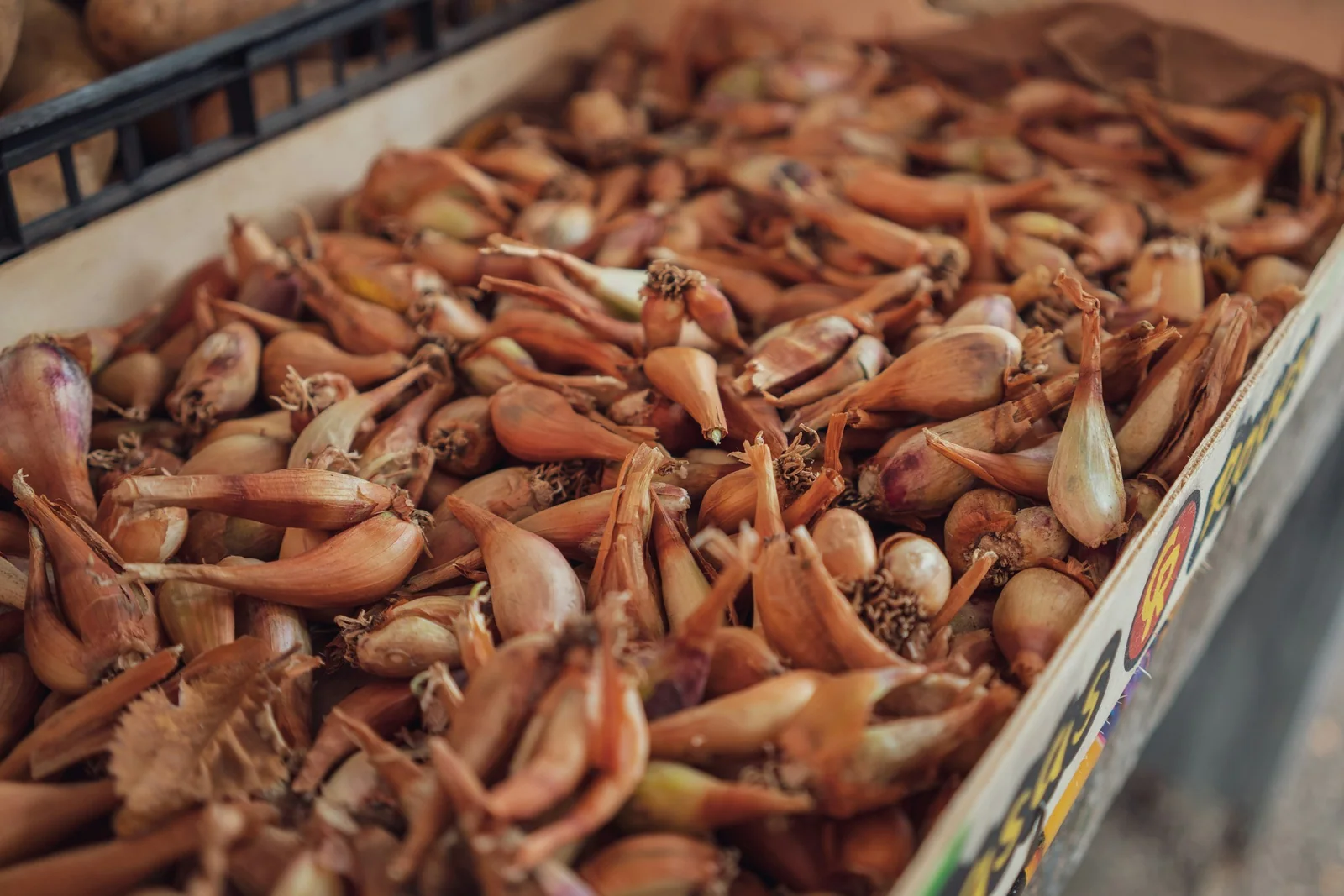
Vegetarian and vegan diets are distinguished primarily by animal-derived foods. Avoiding the five pungent vegetables is a separate criterion that excludes particular plant ingredients, such as green onions, garlic, garlic chives, Korean wild chives and asafoetida. Vegan food may therefore contain garlic, while food without the five pungent vegetables may not be vegan, depending on its other ingredients.
Ingredient Information When Dining Out
Orders are clearer when you name the ingredients you avoid as well as your dietary pattern. Include not only meat and fish but also ingredients in sauces or processed foods, such as stocks, fish sauce, gelatin, dairy, eggs and honey.
If you need both a vegan meal and one without the five pungent vegetables, state both requirements. If you have an allergy, identify the ingredient and check the risk of cross-contact on utensils and work surfaces.
Choosing a Meal at Mahina Vegan Table
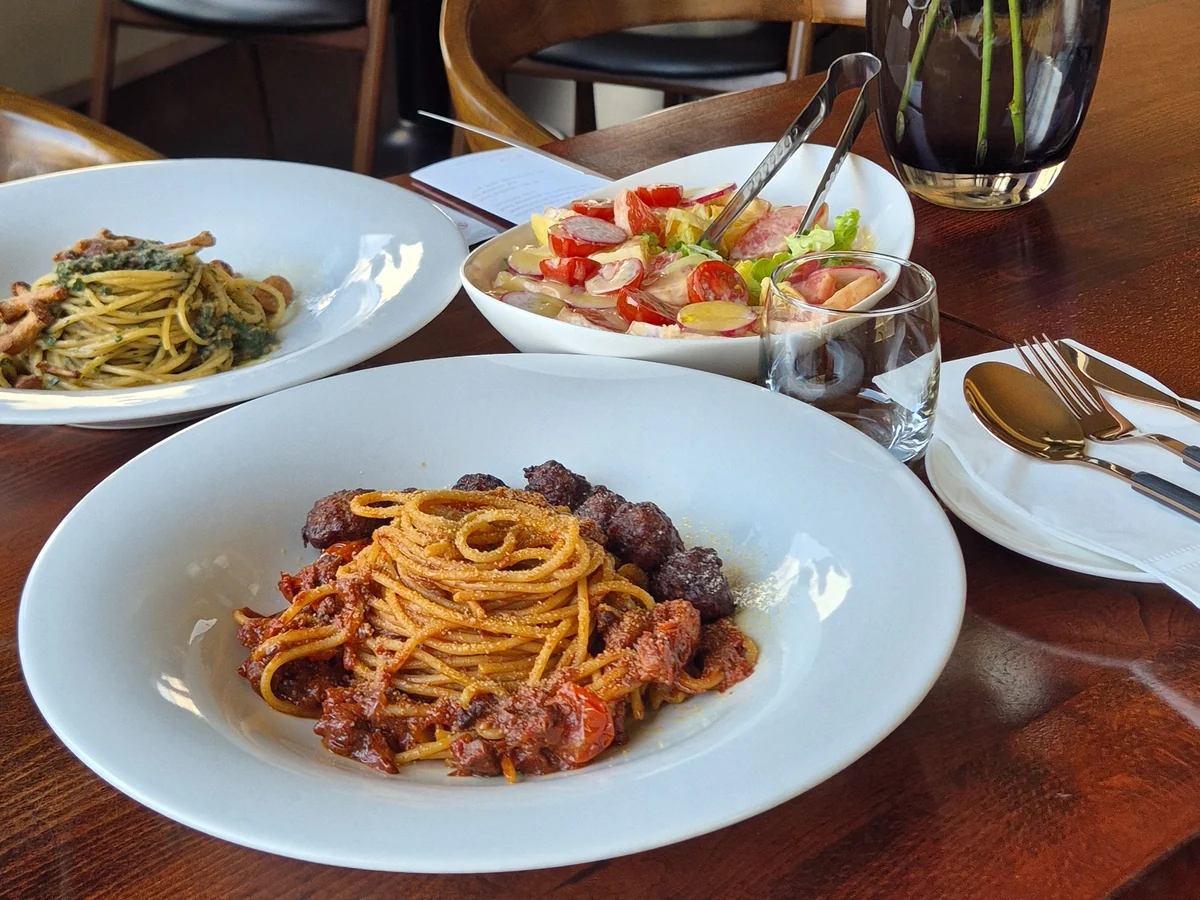
Mahina Vegan Table's official menu describes every dish as 100% plant-based and presents its regular menu alongside Buddhist-style dishes without the five pungent vegetables, nut-free dishes and gluten-free dishes. The menu identifies these separate dietary categories.
If you have an allergy, do not rely on the menu category alone. Tell the restaurant which ingredients you must avoid and discuss possible cross-contact before ordering.