In this story
- One title does not mean one material
- What the artist means by ‘clue’ and ‘recovery’
- The first solo exhibition began with five days in the life of the Bussot family
- In the second solo exhibition, wrappers became the clue
- In the 2015 work, the perspectives of five participants came to the centre
- The works at Mahina Vegan Table are one chapter in a longer question
- About ‘A Clue to the Recovery of Authenticity’
The short answer
Kim Hongrok describes each work as a ‘clue’ offered to viewers as a way of approaching authenticity. This is why the overarching title ‘A Clue to the Recovery of Authenticity’ continues across a performance on a raft, works made with hamburger wrappers and video projected onto fabric, even as the people, events and media change. The shared title does not repeat the same answer; it establishes a succession of different starting points.
Three ways to understand the shared title
- The ‘clue’ is not a conclusion but a specific person, object or event from which thought can begin.
- ‘Recovery’ is described not as a completed state but as an ongoing process of trying to come closer to the essence.
- Even under the shared title, each work has different participants, events, media and ethical contexts.
Into the story
One title does not mean one material
At first glance, the phrase ‘A Clue to the Recovery of Authenticity’ might suggest a series of works made in the same form and materials. Instead, the series unfolds through installation, performance, film, photography, text and mixed media.
What the works share is not a visual form but a way of asking questions. Each time, the artist begins with a specific person, event or object and invites viewers to look again at familiar judgements.
What the artist means by ‘clue’ and ‘recovery’
Kim Hongrok calls a work ‘a clue that takes the form of artistic expression’ when conveying the subject of authenticity to viewers. He also describes ‘recovery’ not as a fixed, completed state but as the process of striving to come closer to the essence.
A clue, then, is not a sign that stands in for the answer. It is a specific subject from which viewers can begin to think, while recovery is closer to the process of looking at that subject once more.
The first solo exhibition began with five days in the life of the Bussot family
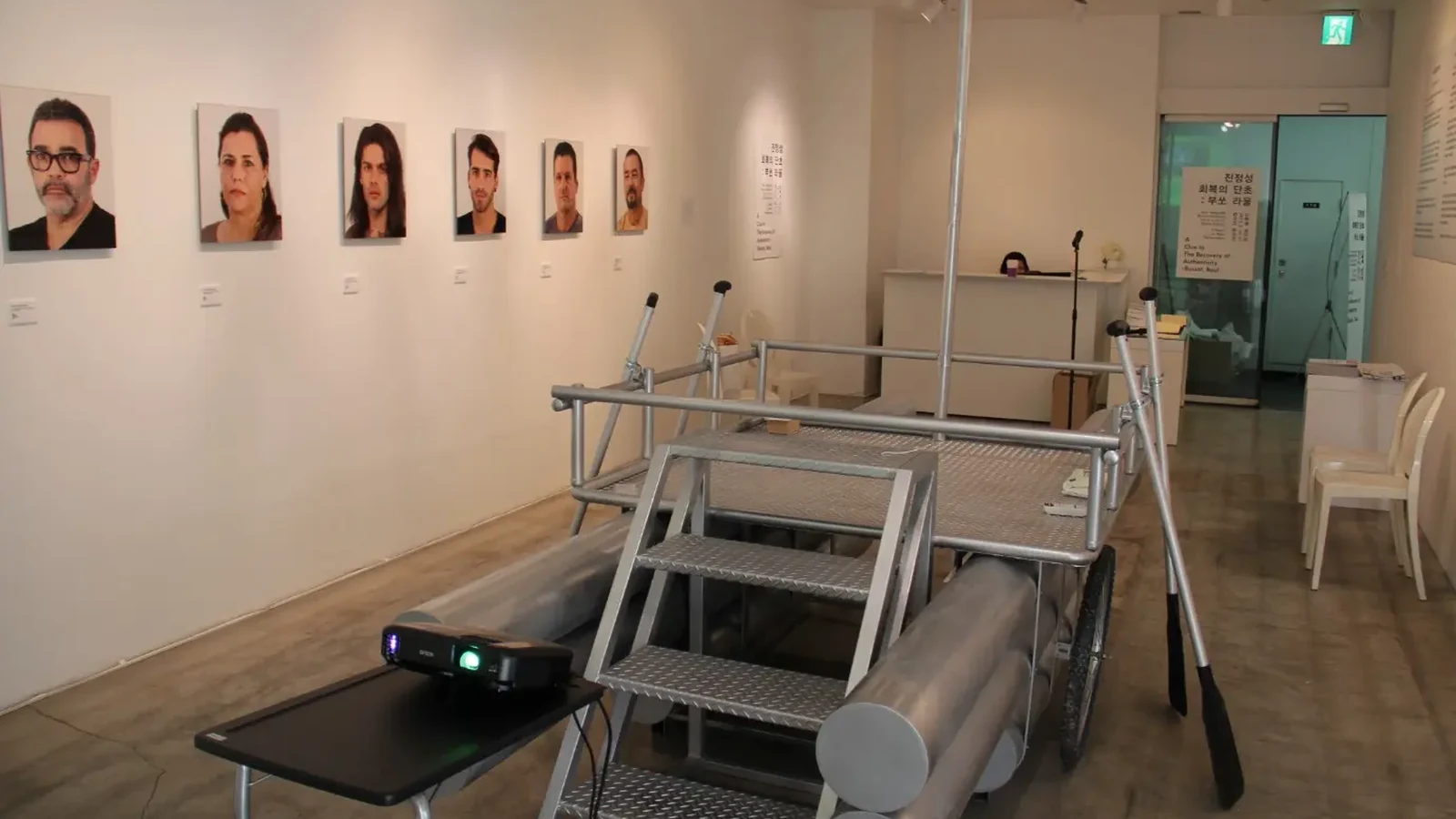
The 2013 debut solo exhibition ‘A Clue to the Recovery of Authenticity: Bussot, Raul’ addressed the experience of the Bussot family, who left Cuba for the United States in 1993. Together with Raul Bussot Jr., the artist performed by spending five days on a metal raft inside the gallery.
Here, the clues were one family's memories, a raft and the time spent together. Rather than offering a single answer encompassing the refugee experience, the work created a specific scene in which viewers could encounter one person's experience anew.
In the second solo exhibition, wrappers became the clue
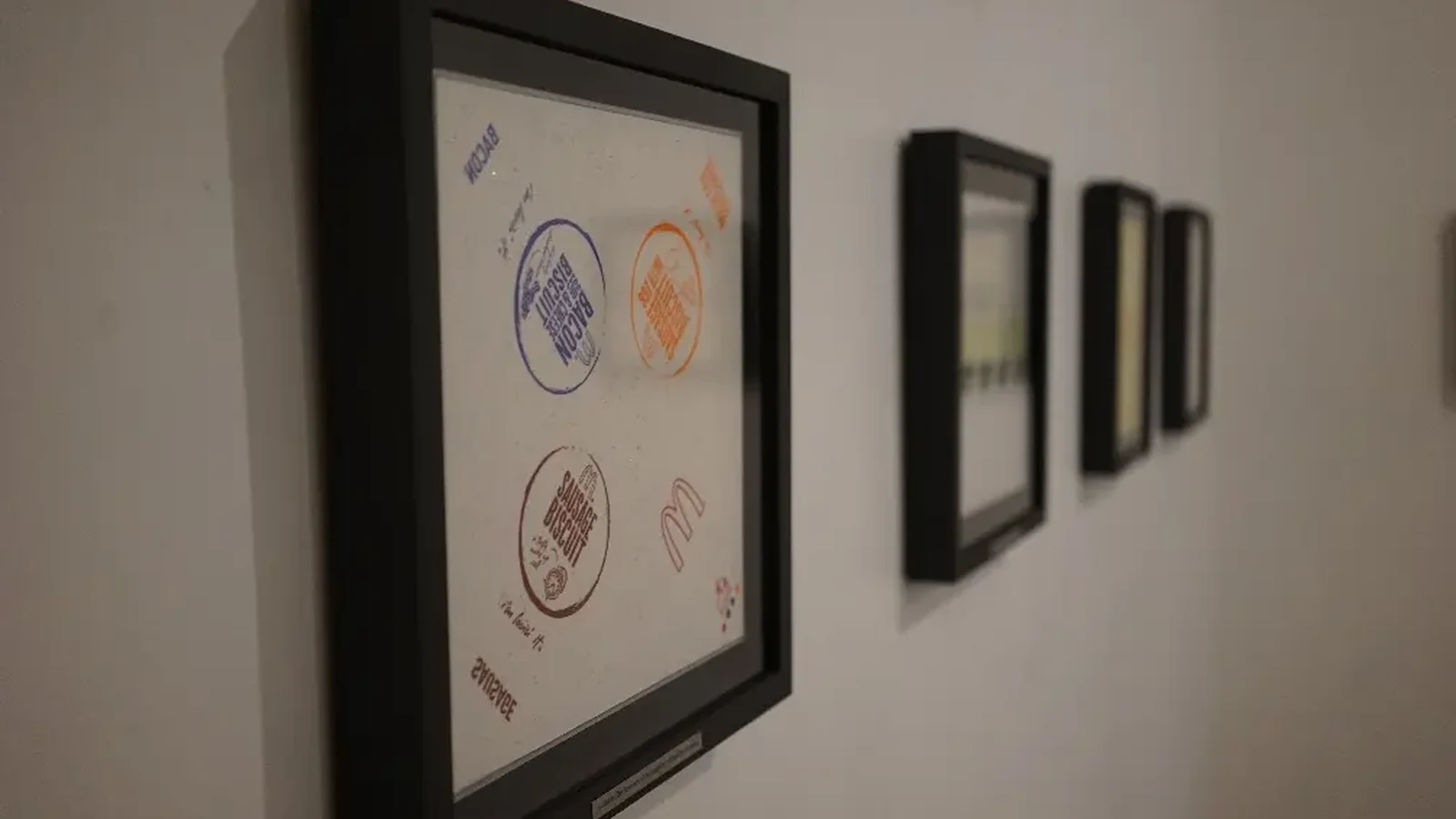
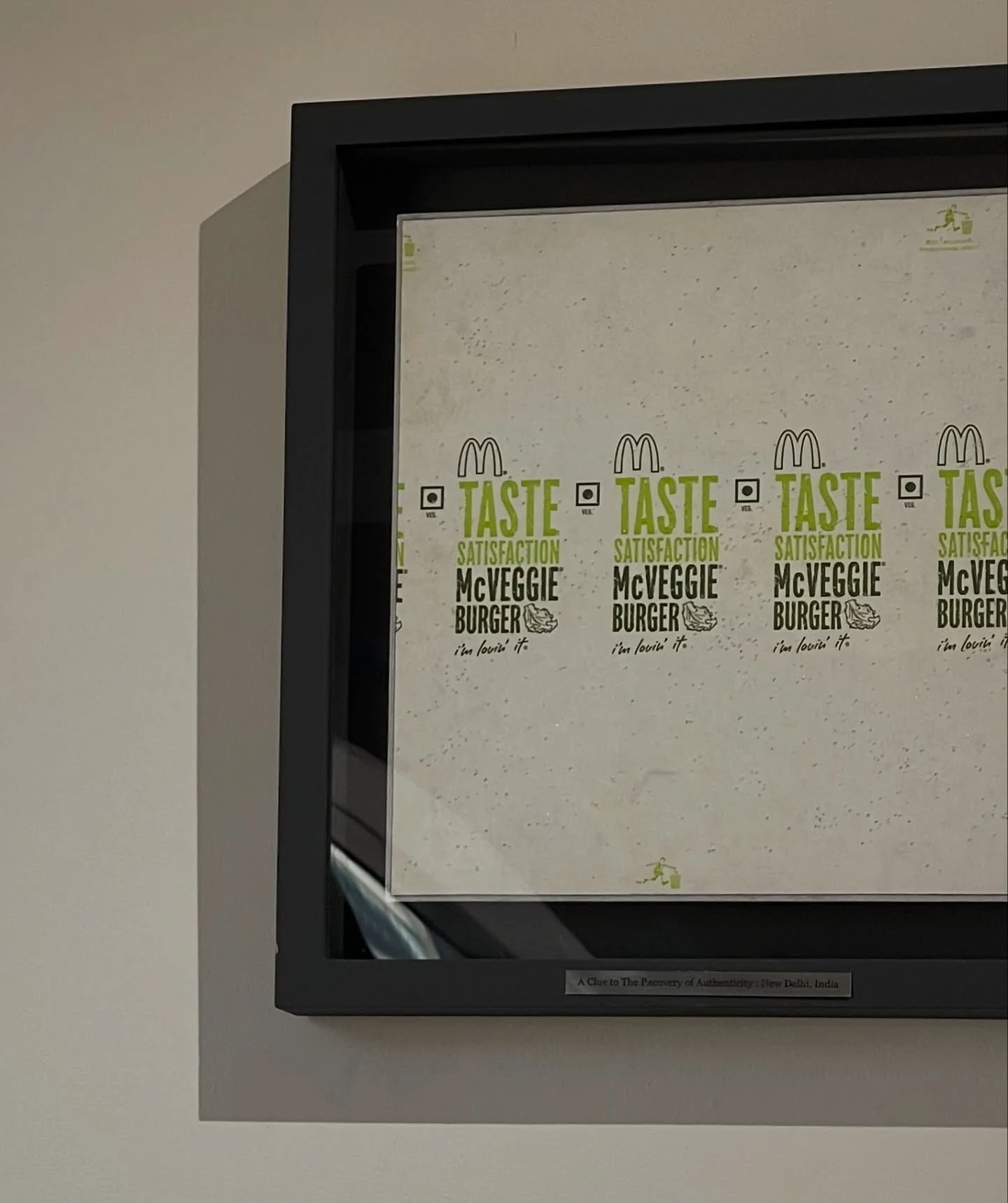
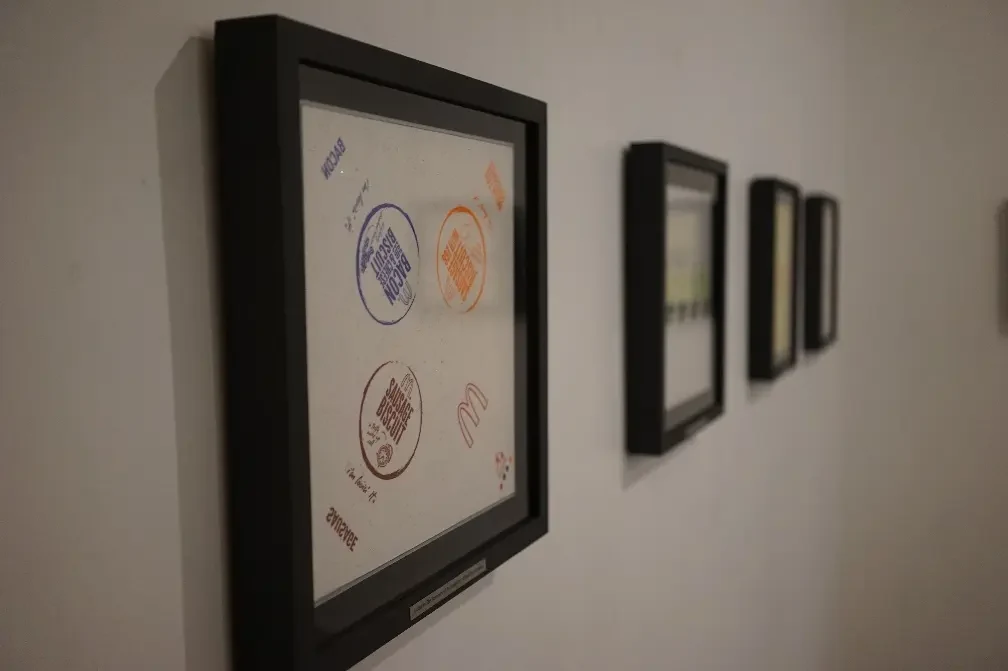
The second solo exhibition that year, A Clue to the Recovery of Authenticity: McDonald’s, brought together hamburger wrappers collected in 20 countries with the help of many people and very small diamonds within each composition. The exhibition ran from October 9 to 31, 2013.
The wrappers and city names left after the people had gone became a new point of departure. The title remained, but the image and the way it was experienced changed markedly. Works now displayed at Mahina Vegan Table form part of this series.
In the 2015 work, the perspectives of five participants came to the centre
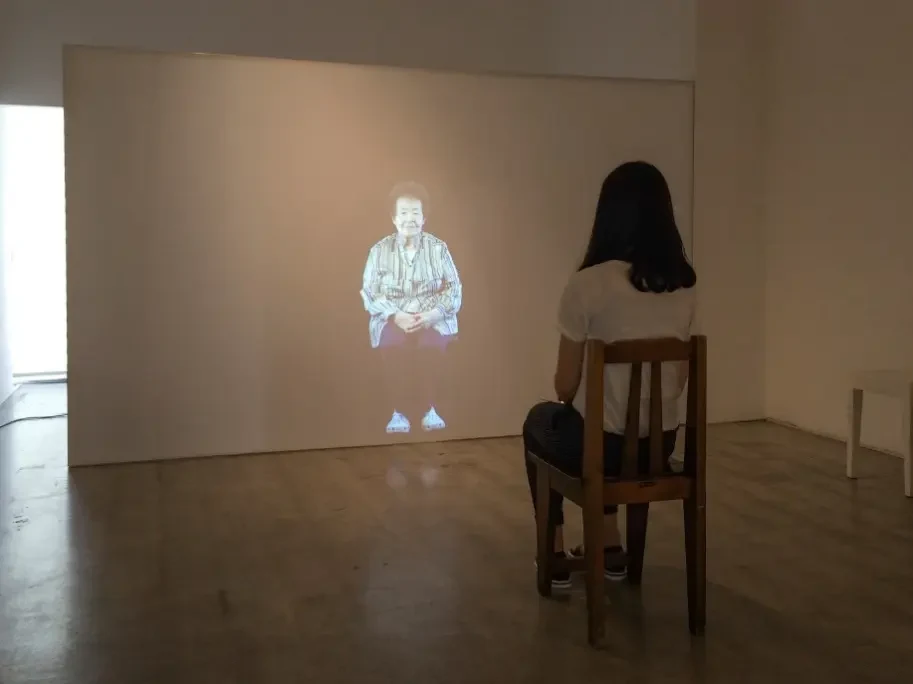
The third solo exhibition in 2015 used installation and film and was composed of videos featuring five participants: Park Ok-sun, Lee Ok-sun, Kim Soon-ok, Kim Koon-ja and Kang Il-chul. This was a separate exhibition from the works currently displayed at Mahina Vegan Table.
Even under the shared title, the works concern different participants and historical experiences. A common title does not mean that their events or contexts are the same.
The works at Mahina Vegan Table are one chapter in a longer question
When viewing the McDonald's series at Mahina Vegan Table, the wrappers and their sparkling surfaces are enough of a place to begin. Read the city names and notice the contrast between the materials; then recall the shared title to understand where these works sit within the artist's longer practice.
A single work noticed during a meal can become a starting point for exploring any questions that remain through Kim Hongrok's other exhibitions.
About ‘A Clue to the Recovery of Authenticity’
- Are all the works made from the same material?
- No. The series unfolds in different forms, including installation, performance, film, photography, text and mixed media.
- Does the ‘clue’ mean the answer to the work?
- In the artist's account, the clue is closer to something offered to viewers as a way of approaching authenticity. Rather than replacing the conclusion, it begins a process of thought.
- Which series is currently displayed at Mahina Vegan Table?
- 10 works from the 2013 series A Clue to the Recovery of Authenticity: McDonald’s are on permanent display at Mahina Vegan Table.
- Where can I see the artist's other exhibitions?
- Kim Hongrok's solo exhibitions and works can be explored further on kimhongrok.com.
Visit Kim Hongrok's website, kimhongrok.com, to see how different people, events and media connect under the shared title.
Explore more of Kim Hongrok's exhibitions