In this story
- Incidental music that began with a letter from Ibsen
- It begins in Africa, not a Norwegian forest
- Flute and oboe illuminate the opening melody in turn
- The impression of sunrise grows from an expanding ensemble
- The drama and the concert suite order the music differently
- Trust the title, then listen beyond it
- Four questions about the landscape of Morning Mood
The short answer
Morning Mood is incidental music Grieg wrote for Ibsen's Peer Gynt, serving as the prelude to an African scene at the opening of Act 4. Today it readily suggests a Nordic forest or a peaceful country morning, but its original dramatic location is Africa. The sense of ‘morning’ comes less from identifying the correct landscape than from the flute and oboe exchanging a short melody as the range and number of instruments gradually expand from a low dynamic.
Three clues connecting the title and its original scene
- Morning Mood did not begin as an independent landscape piece; it opens Act 4 of the incidental music for Peer Gynt.
- The original dramatic setting is Africa, and there is no basis for restricting the scene to the landscape of Grieg's native Norway.
- The alternating flute and oboe melody and the orchestra's gradual expansion create an impression of spreading light.
Into the story
Incidental music that began with a letter from Ibsen
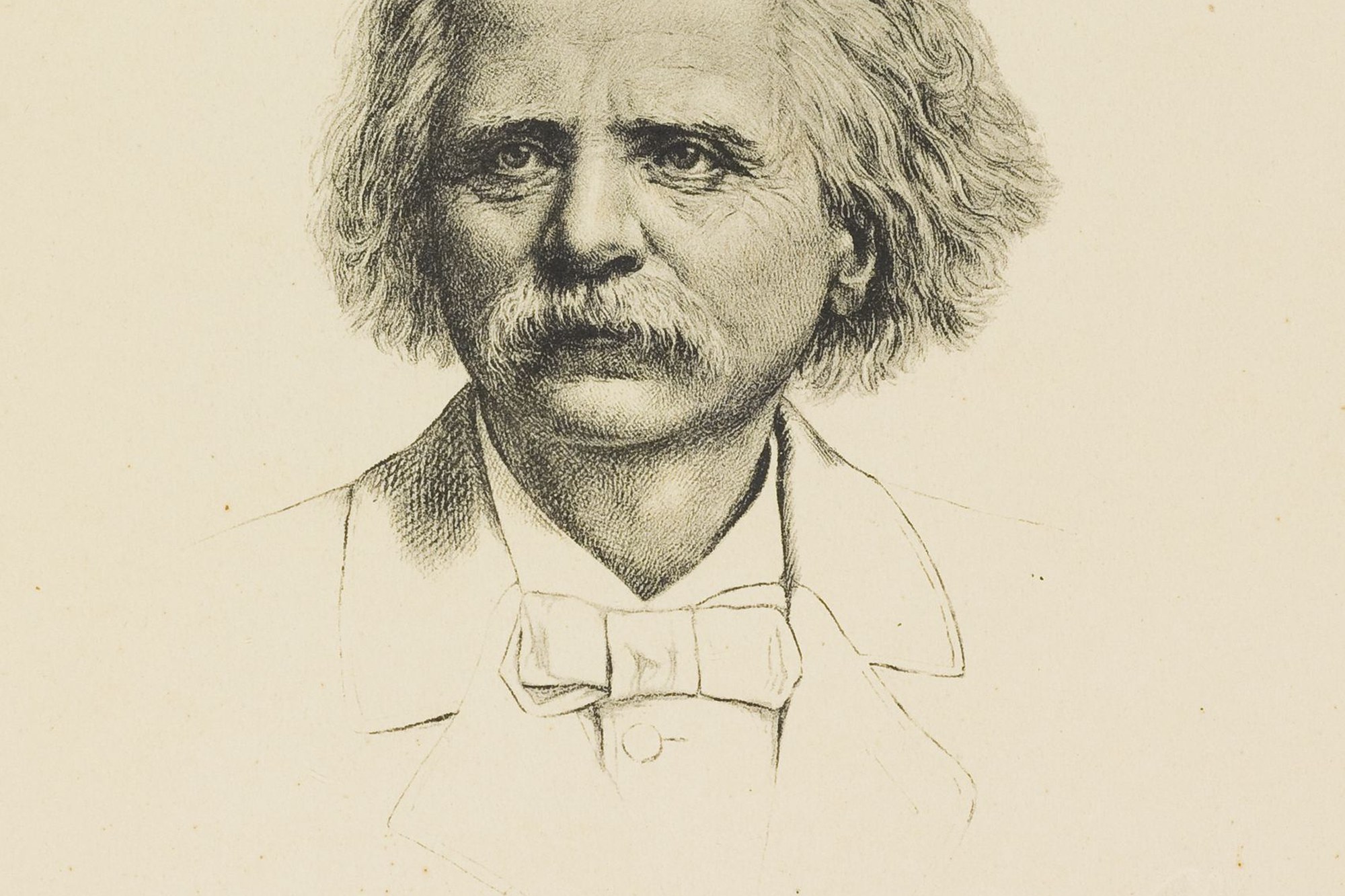
In January 1874 (1874-1), Ibsen asked Grieg to write music for his dramatic poem Peer Gynt. The production premiered at the Christiania Theatre in February 1876 (1876-2). Morning Mood belongs to this incidental music, Op. 23.
Its later circulation in concert suites made the music available as an independent work, even without the plot. Knowing the context does not constrain the imagination; it opens another door into a melody made overly familiar by repetition.
It begins in Africa, not a Norwegian forest
Morning Mood opens Act 4 of a drama set in Africa. A Nordic landscape is a possible association when hearing the suite on its own, but it is not the original dramatic location.
Must the music therefore sound like a desert? Instrumental music alone cannot fix one specific regional landscape. The dramatic location and the landscape imagined by a listener may differ, and that distance is part of the fascination of instrumental music.
Flute and oboe illuminate the opening melody in turn
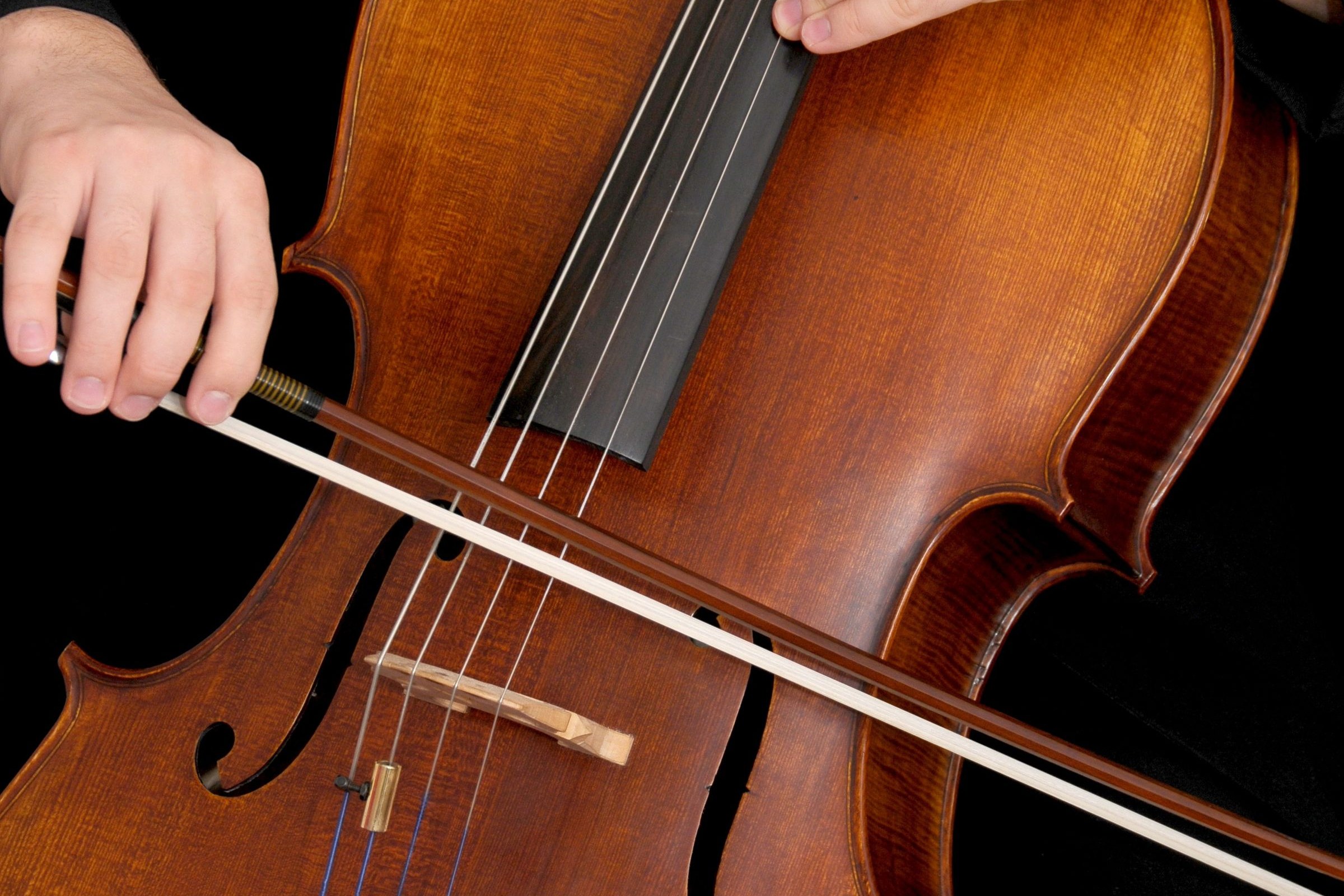
A flute quietly begins the melody and an oboe receives it in another colour. The same-shaped sentence changes brightness and texture when spoken by a different instrument. The flute's light, open sound is followed by the oboe's more concentrated tone, adding depth to the scene.
On a first hearing, follow only the melody; on the second, find the point where the instrument changes. On the third, listen to the long-held harmony beneath it. Alternation in the melody and continuity in the background work together to create the passage of time.
The impression of sunrise grows from an expanding ensemble
The music does not announce morning at once with bright brass and a large sound. It begins quietly with few instruments, then broadens in range and orchestral forces before the same melody returns in a fuller ensemble. Listeners can receive this accumulation as the gradual spread of light.
The answer to ‘Can we really hear morning?’ is both yes and no. The impression of a time of day arises persuasively from the composed changes of dynamics, register and instrumentation, while the listener's memory and culture supply the specific landscape. The music is not a physical recording of morning but a structure that prompts us to imagine it.

The drama and the concert suite order the music differently
Peer Gynt includes scene music such as Morning Mood, The Death of Åse, Solveig's Song and In the Hall of the Mountain King. In the drama, these pieces appear with the plot; in the suites, they are regrouped in a new order to create concert contrasts.
It is fine to begin with Morning Mood alone. Continue with The Death of Åse and In the Hall of the Mountain King to hear how differently Grieg creates stillness, grief and anxiety with the same orchestra.
Trust the title, then listen beyond it
A title is a welcoming door for someone new to classical music, but it does not impose a single scene. The Africa of the original drama, the widespread Nordic image and a morning from the listener's own memory can coexist inside one melody.
Mahina Vegan Table plays classical music in its dining space, and the journal places the original context behind familiar titles alongside the actual movement of the instruments. These listening stories continue one step deeper, so the exchange between flute and oboe can be recognised wherever the melody returns.

Four questions about the landscape of Morning Mood
- Is the original setting of Morning Mood Norway?
- No. Act 4 of Peer Gynt is set in Africa. When hearing the music independently, however, imagining another morning landscape is a natural response.
- Which instrument plays the theme first?
- The flute begins the theme and the oboe takes it up; that exchange is central to the opening.
- Where does Morning Mood appear in Peer Gynt Suite No. 1?
- It is the first piece in concert Suite No. 1, Op. 46.
- Would it sound like morning without knowing the title?
- Responses differ. The expansion from low dynamics into a wider register and more instruments can suggest spreading light, but the particular scene depends on the listener's memory.
Plan your visit and explore the space at Mahina Vegan Table.
Plan Your Visit to Mahina Vegan Table