In this story
- Why is Rampal regarded as a defining flautist of the twentieth century?
- Wartime Paris was more than a backdrop
- A performing engagement in Paris changed the direction of his career
- His work was connected to new repertoire as well as old
- When listening to Rampal for the first time
- Classical stories at Mahina
- Questions about Jean-Pierre Rampal
The short answer
Jean-Pierre Rampal was born on 7 January 1922 and died in Paris aged 78 on 20 May 2000. He has long been described as one of the defining flautists of the twentieth century, a pioneer who brought the flute to the centre of the international solo stage and opened a path for later soloists. In his recordings, attention to the breathing of the flute line, the movement of the accompaniment and the way the two parts fit together makes the music easier to hear in detail without specialist vocabulary.
Four moments in Rampal's journey
- Rampal was born in Marseille on 7 January 1922 and died in Paris aged 78 on 20 May 2000.
- He has long been described as one of the defining flautists of the twentieth century.
- He expanded the stage and audience for flute soloists and opened a path for later players.
- Rampal continued medical studies alongside the flute before sustained performing work led him into professional musical life.
- In Rampal’s recordings, listen for the breathing of the flute line, the movement of the accompaniment and the way the two parts fit together.
Into the story
Why is Rampal regarded as a defining flautist of the twentieth century?
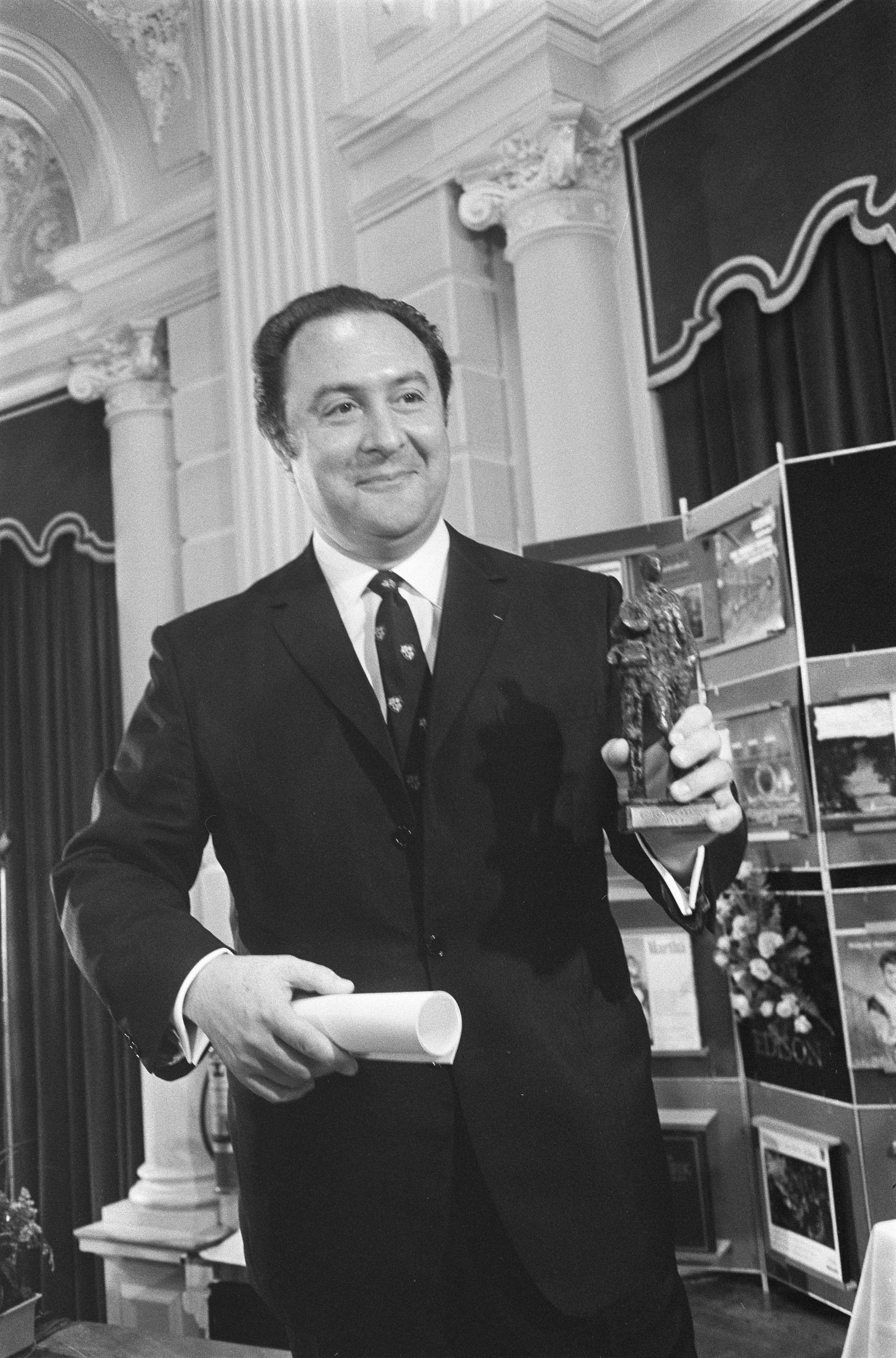
Jean-Pierre Rampal was born in Marseille on 7 January 1922 and died in Paris on 20 May 2000, aged 78. He has long been described as one of the defining flautists of the twentieth century and helped restore the flute to a prominent place as a solo instrument. These assessments and the record of his work make clear why Rampal is regarded as a defining flautist of the twentieth century.
Orchestral appearances by wind soloists were still unusual in the 1950s. Rampal broke through that barrier, brought the flute into the limelight and opened a path for later flute soloists. He helped restore the flute’s popularity as a classical solo voice and became the first flute soloist to attract audiences comparable in size to those for piano and violin soloists. His stature therefore lies not simply in being a celebrated flautist, but in changing the scale of the stage and audience available to the instrument.
Rampal worked as a flautist, conductor and teacher, and founded the French Wind Quintet in 1945 and the Paris Baroque Ensemble in 1953. In a 1969 interview, Rampal recalled learning from his father and playing the flute while continuing through school, university and medical studies.
Wartime Paris was more than a backdrop
Rampal said that he went to Paris during the German occupation, studied at the Conservatoire and received a prize before returning to Marseille and his medical education. He described the anonymity of a large city as a safer option for him at the time. The move accelerated his musical training but did not immediately end his medical studies.
Even after receiving the Conservatoire prize, Rampal returned to Marseille and resumed his medical education. Musical recognition did not immediately end his university life; the eventual career change came later through the continuity of professional engagements.
A performing engagement in Paris changed the direction of his career
Rampal recalled returning to the university in Marseille after the war and then travelling to Paris for a performing engagement during the academic year. What began as a short trip continued, and professional music displaced his medical studies. Training, audiences, colleagues and the next job made a career out of more than an abstract calling.
Rampal’s later career extended beyond performance. He also worked as a conductor and teacher and founded his own ensembles. He also left a memoir, Music, My Love, about his life and music. His story did not end with a prize or one celebrated recording; it accumulated through performance, teaching and ensemble-building.
His work was connected to new repertoire as well as old
Paul Arma wrote numerous pieces for Rampal, including the Suite paysanne hongroise created in 1952. The record places Rampal not only in the interpretation of established works but also in the circumstances through which new flute music came into being.
Francis Poulenc telephoned Rampal about his new Flute Sonata, and they premiered it at the Strasbourg Festival on 18 June 1957. A Library performance record identifies Rampal and pianist Robert Veyron-Lacroix as the performers at the United States premiere in 1958. Rampal worked with composers, pianists and institutions to create more occasions for new flute music to reach the stage.
When listening to Rampal for the first time
When first encountering Rampal’s playing, there is no need to analyse the complete structure of a work. Begin by hearing how the flute line develops within a breath. Notice where a long phrase changes direction and how smoothly one note joins the next; this makes the flow of his playing easier to recognise.
As the flute line becomes familiar, the movement of the piano, harpsichord or harp comes into focus as well. Listen for places where flute and accompaniment pause or resume together, and where one part carries an idea into the next phrase. The musical structure becomes clearer than it is when attention remains on the solo line alone.
To compare recordings, keep the movement and volume the same and change only the performance. ‘A little faster,’ ‘more connected,’ or ‘the flute sounds closer’ is enough. The pleasure lies less in finding the correct technical term than in giving words to a difference you actually heard.
Classical stories at Mahina
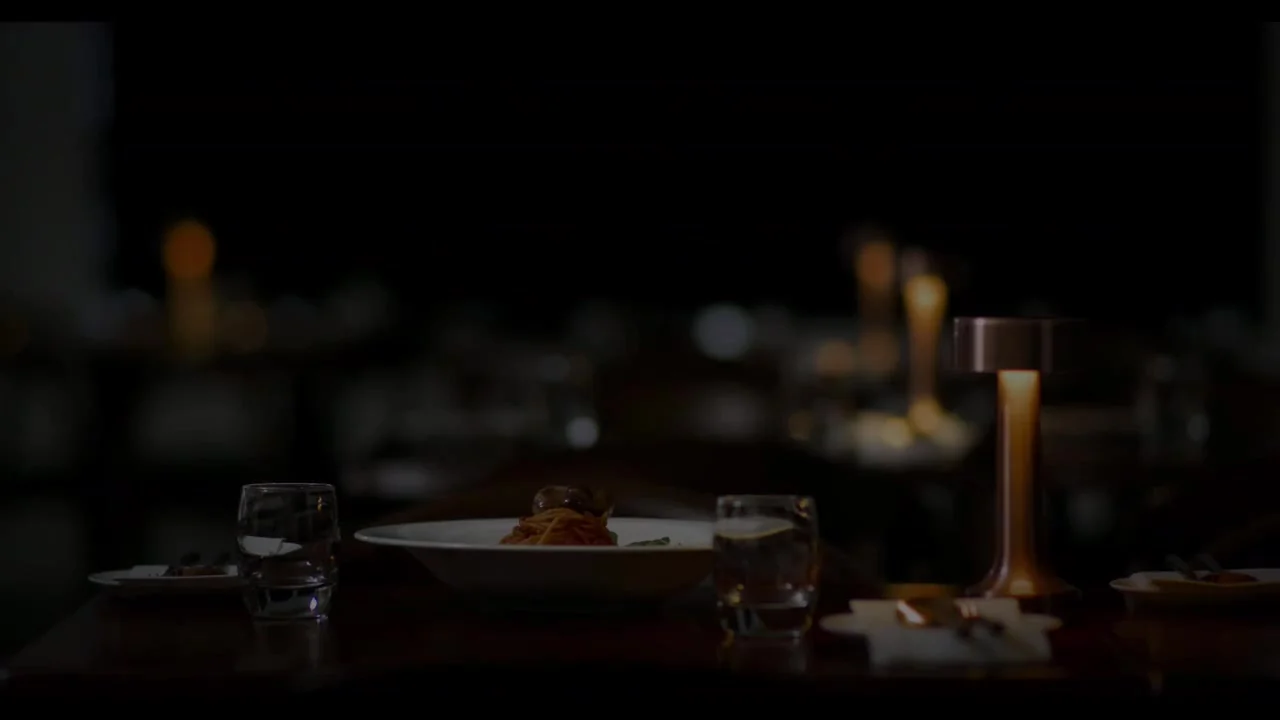
Mahina plays classical music in its dining room. The music stays gently in the background, adding to the atmosphere without interrupting a meal or conversation.
In this Journal, the classical music series explores the lives of composers and performers, how individual works came into being, and differences in performance practice. Rampal’s life shows how one musician could expand both the stage and the audience available to the flute.
Questions about Jean-Pierre Rampal
- Was Jean-Pierre Rampal training to become a doctor?
- Rampal studied medicine, then left his studies when performing engagements continued in Paris and chose a professional life in music.
- Why is Rampal regarded as a defining figure of twentieth-century flute playing?
- Rampal has long been described as one of the defining flautists of the twentieth century. He expanded the stage and audience for flute soloists and opened a path for later flautists. Taken together, these assessments place Rampal among the central twentieth-century figures who changed the concert-stage and public standing of the flute.
- What did Rampal do besides performing?
- Rampal worked as a flautist, conductor and teacher. It also records that he founded the French Wind Quintet in 1945 and the Paris Baroque Ensemble in 1953, so his contribution extended into teaching and ensemble-building as well as performance.
- What can I listen for in Rampal’s recordings?
- When seeking out Rampal’s recordings independently, a movement from the Bach flute sonatas or flute-and-harp repertoire can provide a useful starting point. Listen in turn to the breathing of the flute line, the movement of the accompanying instrument and the way the two parts fit together. This makes the musical structure easier to hear without specialist vocabulary.
Classical music plays during meals at Mahina Vegan Table.
See current visiting information