In this story
The short answer
Mahina's lunch and dinner playlists include the four mazurkas of Chopin's Op. 33 played by Seong-Jin Cho. Behind the mazurka are the Polish triple-time dances called mazur, kujawiak and oberek. This was music in which a village band's violinist embellished melodies, couples turned together and people learned new steps in noblemen's houses. Chopin used features of their rhythms and melodies to write short piano pieces.
Into the story
Songs and Bands of Mazovia
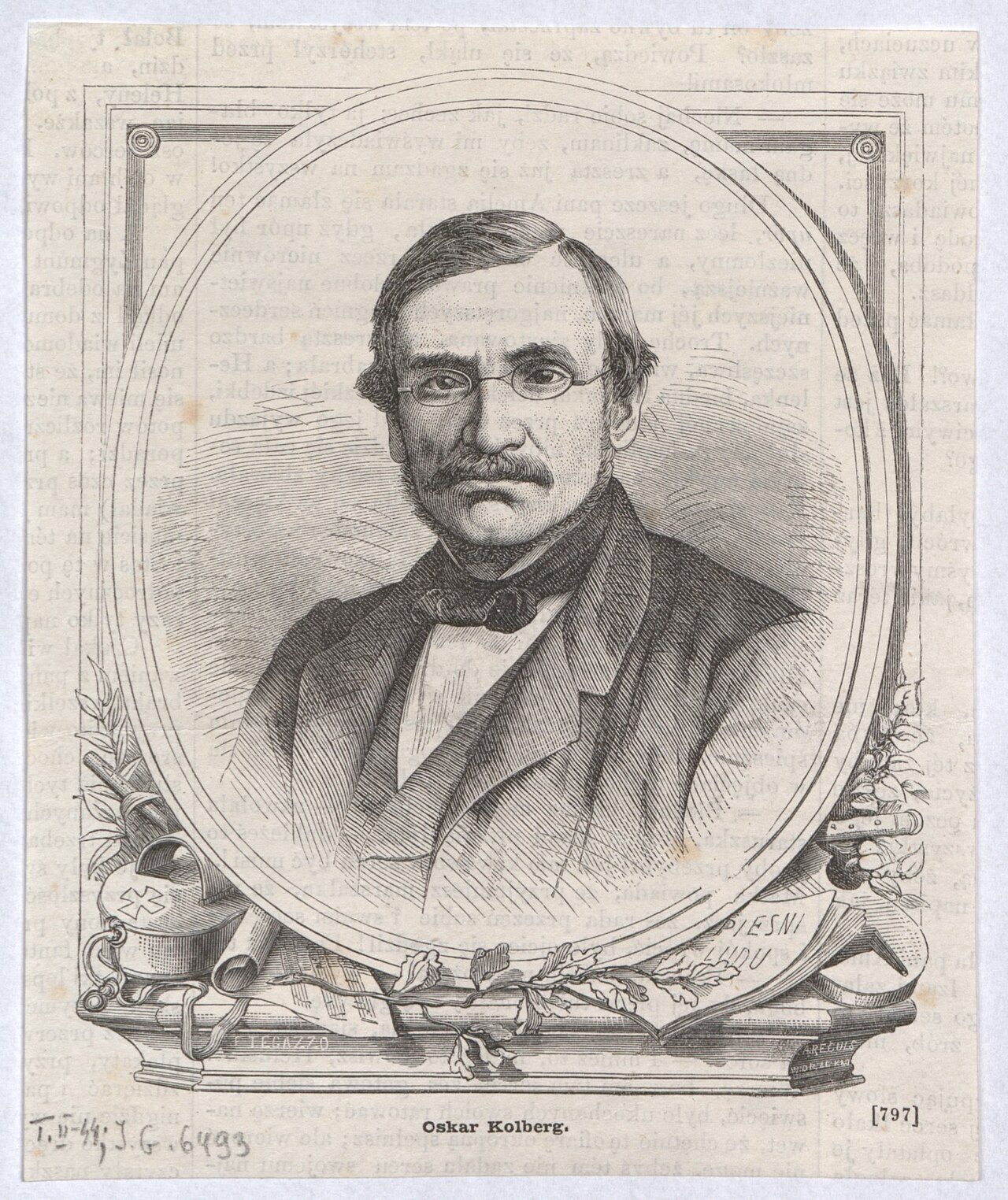
The name mazur is connected with Mazovia in central Poland. A man living in this region around Warsaw was called a Mazur. Its dances included the mazur and oberek alongside the kujawiak of neighbouring Kujawy. In later accounts, the folklorist Oskar Kolberg placed the mazur between the slow kujawiak and the fast oberek. Celebrations might begin with a walking dance, continue with a kujawiak and accelerate into a mazur or oberek. Dancers did not spend the evening at a single speed.
Early accompanying instruments included the dudy, a folk bagpipe. It sustained a constant note over which a singer improvised melodies and words. A held bass and newly embellished song supported the dance together. Later Mazovian bands also included violin, bass drum, accordions in different registers and clarinet. The violinist changed the decorative notes whenever a melody repeated. As dancers moved their feet to a returning phrase, the musician played it slightly differently each time.
The mazur circulated as a peasant dance, an urban dance and a noble dance. Different places had different steps and names, and Kolberg's early records also show overlapping use of the names kujawiak and oberek. Even within triple-time dances, ways of naming them and dividing their movements varied by region. A sequence moving from slow dances to fast ones, changes in accompanying instruments and a habit of adding melodic ornaments formed their shared everyday background. Chopin's piano pieces, inheriting the dance's name, also vary accents and note lengths within three beats.
Learning the Kujawiak at Celebrations
In the kujawiak, two partners travel around a large circle while also turning around the axis of their own pair. Village children and young people learned at celebrations by watching and following adults' movements. They learned the smooth turns and sequence of steps from other people's bodies. The kujawiak moves smoothly through gentle steps rather than forceful stamping. Learners matched their steps and turning speed so they could follow the circle with their partner.
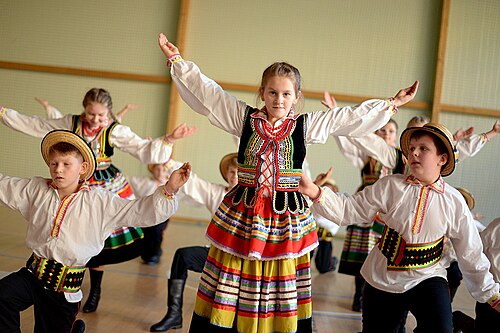
Villagers were not the only people learning the dance. Landowners and nobles invited village musicians and dancers into their houses to learn the kujawiak. Some steps they newly devised or made more elaborate then returned to the villages. As musicians and dancers visited other households and returned, dance movements changed too. Village festivities and celebrations in noble houses were connected through musicians. Behind the mazurka's presence in both rural and urban music were people learning the dance directly and exchanging movements in this way.
Songs also accompanied the kujawiak. Short words and melodies were repeated, and refrains such as oj dana dana sometimes imitated instrumental sounds. In 1867, Kolberg gathered more than a thousand melodies from Kujawy in two volumes. Local kujawiaks also included forms faster and more complex than the national dance standardised for the stage. Singers repeating short phrases, turning couples and accompanying bands passed on the dance differently in each locality. Music now grouped under the category of the slow kujawiak was gathered from several villages in this way.
The Oberek's Turns and Third Beat
The name oberek is connected with a Polish verb meaning to turn. Couples turn clockwise around their own axis while travelling anticlockwise around a large circle. A skilled dancer can signal a change in the direction of the whole group. A more difficult movement also changes the couple's own rotation to the left. It requires partners to coordinate both the direction in which they turn together and the direction in which they travel among the other couples.
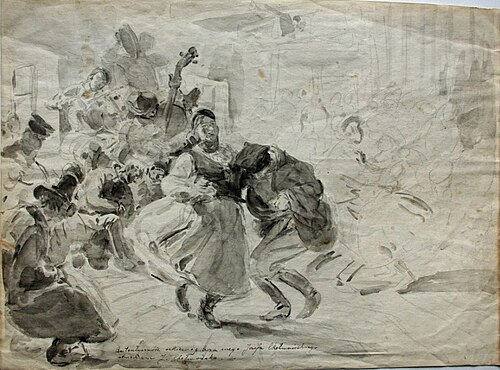
In the oberek, a woman may turn around the man, while a man may twist his leg on the third beat to emphasise a movement. Apart from a brief movement in which the woman turns alone, partners generally hold hands without separating. Music stressing the last of three beats interlocks with the dancers' movements. The accompanying violin fills long melodic notes with short semiquavers and figures that play the notes of chords separately. Even when the same piece repeats, changing the violinist's ornaments adds new notes over the rapidly turning dance.
A small village band was called a kapela. One surviving instrumentation gives the melody to a violin, accompanied by a three-string bass instrument called basy and a small drum with bells. The band maintained a steady tempo or gradually accelerated as the dance continued. Short phrases of four or eight bars were paired and repeated. Returning phrases and third-beat accents told dancers when to turn next, while musicians changed ornaments within that framework. Repeating footsteps and improvised violin changes guided the same dance.
Rhythms Chopin Brought to the Piano
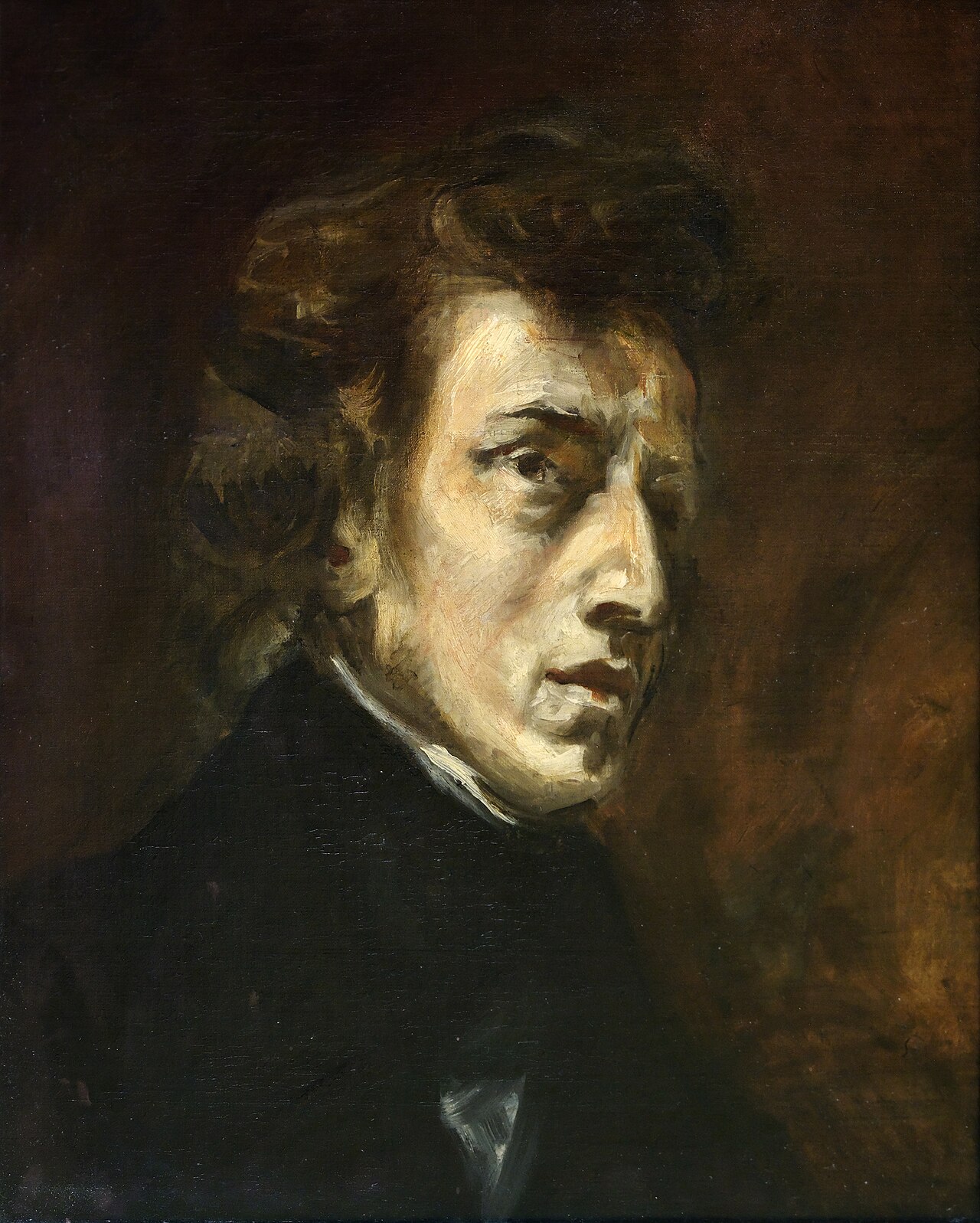
Chopin used rhythmic and melodic elements of Polish dances in his mazurkas. In most cases, he drew on those elements in new compositions rather than borrowing complete folk melodies directly. Op. 68 No. 3 is among the exceptions that quote a folk song. He also said that the mazurkas of Op. 6 were not written for dancing. He took metre and melodic qualities from mazurkas repeated to accompany dancers and shaped them into music for a pianist to play alone.
While maintaining three beats, a pianist decides how long to sustain a melody note and which beat to emphasise. Playing a mazurka also requires thought about rubato alongside the accents. Rubato is a way of flexibly adjusting note durations according to the flow of a phrase. Some competitors in the 2025 Chopin Competition also learned to dance the mazur, oberek and kujawiak. After physically learning to turn around a circle and emphasise a movement on the third beat, they worked with metre and melodic durations at the piano.
In the G sharp minor piece of Op. 33, Chopin wrote the character marking mesto, meaning sadly. Its opening theme begins with a cadence, returns to that cadence in the middle and ends with it as well. A cadence is a progression of notes and chords that closes a phrase. Here a closing pattern is heard from the beginning and brought back within the piece. Even in a short mazurka, Chopin carefully organised the melody's returns alongside the dance metre.
An Argument over Three Beats
The C major piece in the same Op. 33 has an anecdote left by Chopin's pupil Wilhelm von Lenz. While Lenz was playing it before Chopin, the composer Giacomo Meyerbeer entered. According to Lenz's recollection, Meyerbeer insisted that the piece was in two beats rather than three, and Chopin became angry. A composer who had notated his mazurka in three beats argued beside the piano with a colleague who felt a different metre. This specific incident suggests how unfamiliar accents within triple time could sound.
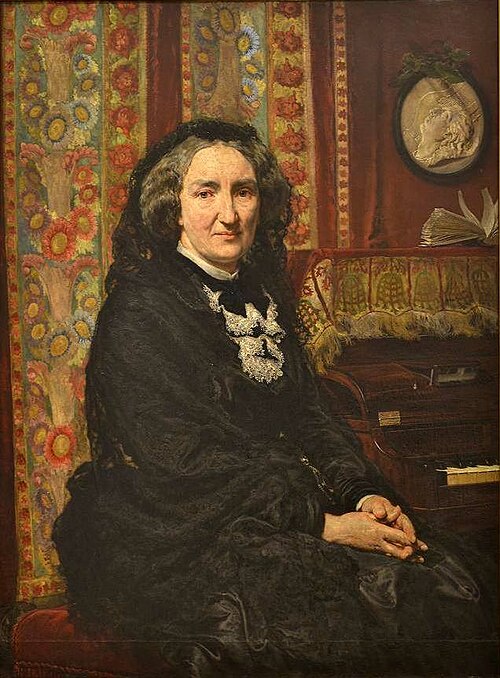
An account of the D major piece is connected with another pupil, Marcelina Czartoryska. She contrasted rough playing with elegant playing, expressing the difference between a tavern and a drawing room. Places where celebratory dances were played and noble houses where music was shared became two contrasting characters at the piano. By playing the same piece roughly and then elegantly, Czartoryska contrasted the atmospheres of the tavern and the drawing room.
Chopin dedicated Op. 33 to Countess Róża Mostowska. Introducing the collection, Schumann judged it more popular in character than earlier mazurkas, with pieces that would immediately captivate listeners. Comparing the new collection with previous mazurkas, he discussed its ability to attract an audience. The four pieces in Mahina's playlists are in G sharp minor, C major, D major and B minor. The C major piece preserves a recollection of an argument about metre, and the D major piece the story of a pupil alternating rough and elegant playing. Short pieces drawing on Polish dances gave rise to different accounts among composer, pupils and critic.
Listening at Mahina
At Mahina, we play the four mazurkas of Op. 33 performed by Seong-Jin Cho. Following the piano's three beats, you might recall the turns and steps of the Polish dances described here.