In this story
- Fourteen scenes created on holiday by a serious composer
- The only movement allowed to take flight during the composer's lifetime
- The cello draws one long curve at a time
- The two pianos keep the surface of the water in motion
- Music that sounds still while remaining in constant motion
- Hearing another layer beneath the famous melody
- Four questions about the instrumentation and motion of The Swan
The short answer
The Swan is one of the 14 movements in The Carnival of the Animals, written by Saint-Saëns in 1886. In the original scoring, the cello plays a long melody while two pianos sustain short rising and falling figures. If the cello sounds like a swan on the water, the pianos are more than accompaniment: they are the surface beneath it, always in motion. Follow only the cello on a first hearing and the pianos' repetitions on a second, and the movement created by the two layers becomes clear.
Three clues for hearing the swan and the water separately
- The Swan belongs to the fourteen-movement Carnival of the Animals, composed in 1886, and was the one movement Saint-Saëns allowed to be performed separately during his lifetime.
- In the original, two pianos repeat short figures beneath the cello's long melody.
- Hear the cello's changes of bow and the pianos' steady motion separately before combining them, and stillness and movement emerge at the same time.
Into the story
Fourteen scenes created on holiday by a serious composer
While staying in a small Austrian town in 1886, Saint-Saëns wrote a 14-movement suite for a carnival party. Its cast ranges from lions, hens, tortoises, elephants and kangaroos to pianists and fossils.
Listeners who know only The Swan may be surprised by the humour of the complete work. Its long-breathed cello movement sits among quick, playful animal portraits, creating a moment of an entirely different temperature within the same suite.
The only movement allowed to take flight during the composer's lifetime
Saint-Saëns feared that the suite would become more famous than his serious works and did not allow complete public performances during his lifetime, but he made an exception for The Swan. The Los Angeles Philharmonic associates the movement's separate publication with the poised beauty of its slow cello melody floating above two pianos.
Saint-Saëns restricted public performances of the complete suite during his lifetime but permitted The Swan to be performed. The movement therefore acquired an independent life before the full suite did and became a lasting part of the cello repertoire.
The cello draws one long curve at a time
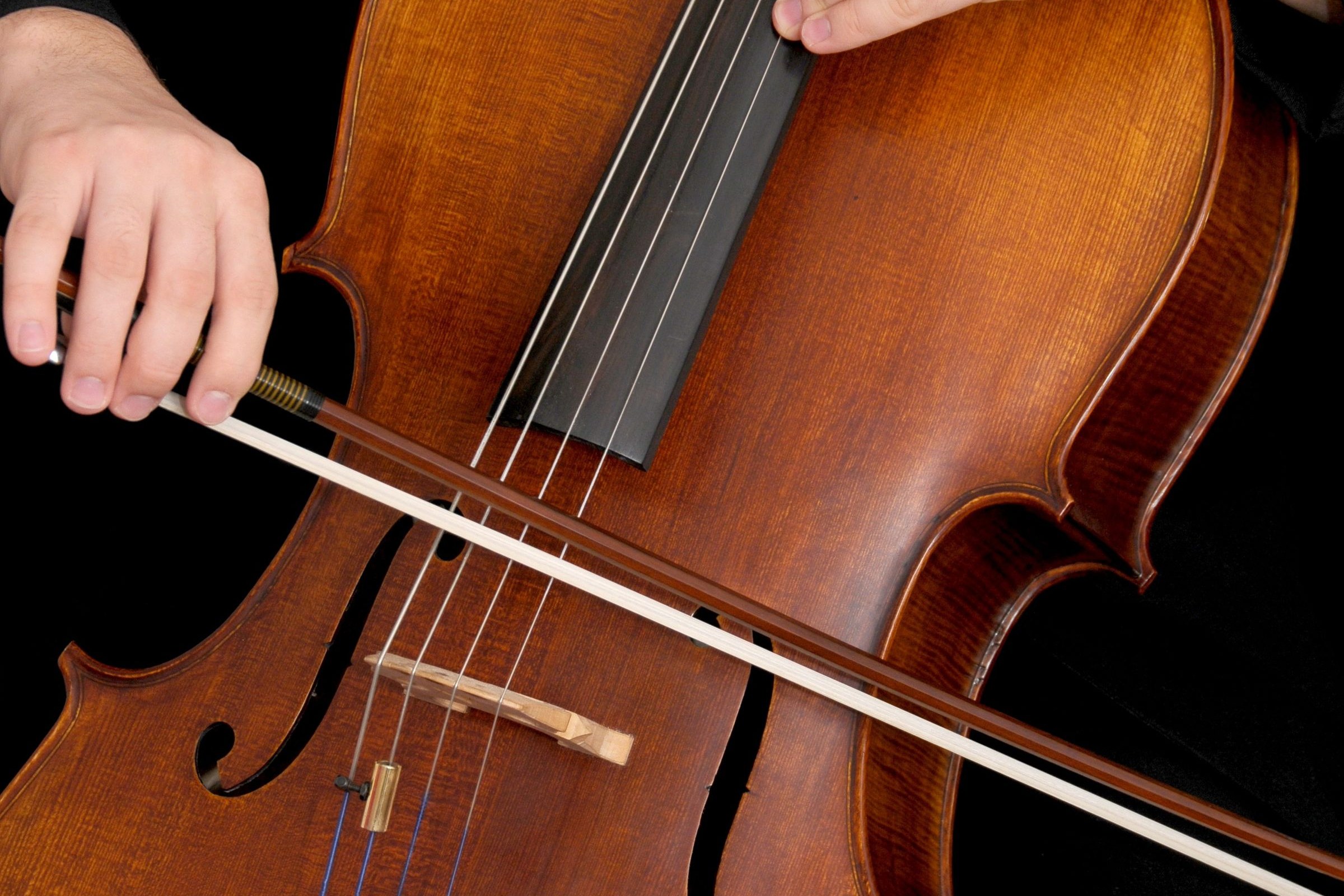
Rather than breaking into short gestures that imitate an animal's movements, the cello melody rises and falls in broad spans. As you listen, notice whether the notes remain connected as a single breath when the bow changes, and how the colour and intensity alter as the line climbs into a higher register.
On a first hearing, rather than memorising the melody, find where each phrase reaches its highest point and where it releases its energy. You may picture the curve of a swan's neck, but that image need not become the only answer. What the ear actually meets is the cello's wide register and the bow's long direction.

The two pianos keep the surface of the water in motion
In The Swan, the slow cello melody floats above two pianos. The original scoring of The Carnival of the Animals includes two solo pianos.
The pianos repeat short notes regularly, but their harmony and position are not identical each time. Small ripples continue below while the cello holds its long notes, keeping the music from becoming static. Heard on their own, the piano parts are denser and busier than one might expect.
Music that sounds still while remaining in constant motion
When cello and pianos are heard together again, two kinds of time overlap. The cello forms a broad line in long breaths, while the pianos continue in short units. The contrast between stillness above and motion below suits the impression of a swan gliding across water.
When comparing performances, listen not only to the cello's expressive character but also to the speed and lightness of the piano figures. If the pianos come too far forward, the ripples become the subject; if they recede too completely, the cello can seem suspended in empty space. An ensemble's interpretation emerges in the distance it creates between these two layers.
Hearing another layer beneath the famous melody
The slow cello melody of The Swan rests above two pianos. Even when listening to one of the many arrangements, knowing the layer originally created by two pianos makes it possible to compare what has been retained and what has changed.
Mahina Vegan Table's classical stories move just one step beyond a melody almost everyone recognises. Wherever you encounter The Swan, we hope you will also hear the piano ripples that continue moving beneath the cello.

Four questions about the instrumentation and motion of The Swan
- Was The Swan originally written for cello and one piano?
- In the original Carnival of the Animals, the cello is joined by two pianos. The movement has since been widely performed in arrangements that include versions with one piano.
- How many movements are in The Carnival of the Animals?
- It is a suite of fourteen movements.
- Did Saint-Saëns permit performances of The Swan during his lifetime?
- Yes. Although he restricted public presentation of the complete work, he made an exception for The Swan, allowing performance and separate publication.
- How can I find the pianos on a first hearing?
- Let the cello melody go for a moment and follow only the regular short figures rising and falling below it. Then hear the two layers together, and their combined motion becomes clear.
Plan your visit and explore the setting at Mahina Vegan Table.
Plan Your Visit to Mahina Vegan Table