In this story
- Wine for Plant-Based Food
- Wine Ingredients and Fermentation
- The Vineyard Environment and Wine
- Sorting and Fermenting Harvested Grapes
- Wine Types by Production Method
- How Aging Vessels and Time Change Wine
- Information on a Wine Label
- Assessing Wine Through Aroma and Taste
- Temperature, Glassware and Air
- Basic Wine Storage Principles
- Recognizing Wine Faults
- Basic Principles of Food and Wine Pairing
- Choosing Wine for Plant-Based Food
- How Food Changes the Taste of Wine
- Checking Whether a Wine Is Vegan
- Health and Safety
- Frequently Asked Questions
- Pairing Wine with Mahina's Food
Wine's acidity, aromas, tannins and texture develop through a journey from grape growing to fermentation and aging. The same variety can produce anything from a fresh, light wine to a rich, full-bodied one, depending on harvest timing, skin contact and aging vessels.
When pairing wine with plant-based food, cooking methods and sauces are important guides. Fresh and slow-roasted tomatoes, boiled and charcoal-grilled mushrooms, plain tofu and tofu coated in a fermented-paste sauce differ in acidity, sweetness, umami, bitterness, fat and aromatic intensity despite sharing a main ingredient. Matching wine to the finished dish's flavor and texture opens up many pairings for the same ingredient.
Wine for Plant-Based Food
| Prominent Food Characteristic | Wine Qualities to Explore First | What to Watch |
|---|---|---|
| Acidity from Lemon, Vinegar or Tomato | Clearly defined acidity | Food much more acidic than the wine can make the wine seem flat. |
| Deep Flavors of Roasted Mushrooms, Eggplant or Root Vegetables | Medium or fuller body, earthy, herbal or mature aromas, or bright acidity | Consider roasting and sauce concentration before the ingredient name. |
| Hot Chiles and Spices | Relatively low alcohol, generous fruit aroma and, if needed, a little sweetness | High alcohol and harsh tannins can intensify the heat. |
| Cashew Cream, Tahini or Coconut Sauce | High acidity or bubbles | If sweetness or spices dominate the sauce, match those first. |
| Fruit, Chocolate or Nut Desserts | Sweetness at least as distinct as the food's | Dry wine may taste more sour and bitter after sweet food. |
Wine Ingredients and Fermentation
Wine is made by fully or partially fermenting fresh grapes or grape juice.
During fermentation, yeasts primarily convert grape glucose and fructose into ethanol and carbon dioxide. Yeast and other microbial activity, fermentation temperature, nutrient conditions, oxygen exposure and chemical reactions during aging combine to form the final aroma.
This helps explain why the same grape variety can produce different wines. Numerous choices across growing conditions, harvest timing, sorting, pressing, fermentation, aging and bottling determine a wine's character.
The Vineyard Environment and Wine
In wine, terroir describes the combined conditions of climate, soil, terrain, biological environment and cultivation practices developed over time. Even if a wine tastes stony, that sensation cannot be explained simply as soil minerals transferring directly into the wine.
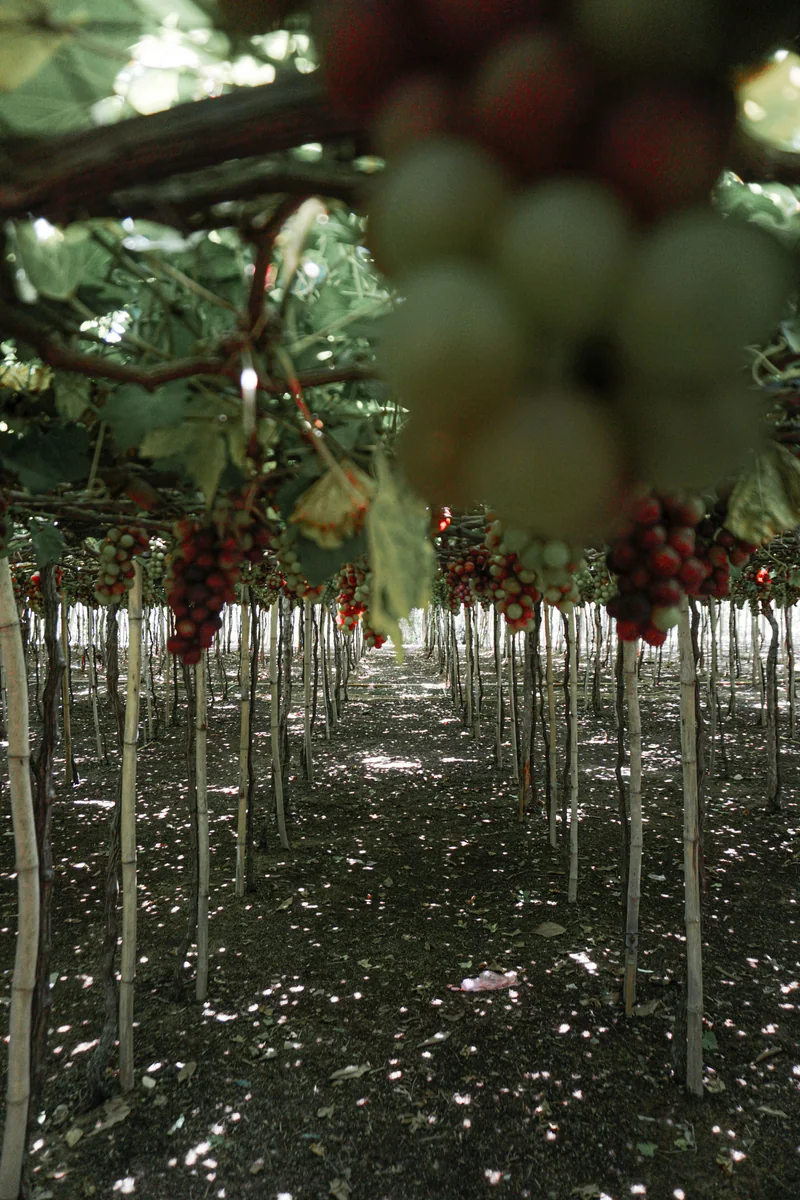
Climate, Ripening Speed and Grape Balance
As grapes ripen, sugars accumulate and the types and quantities of acids change. Skin pigments, tannins and aroma compounds also develop. Warm conditions can accelerate sugar accumulation and acid loss, but aromas, skins and seeds do not necessarily mature at the same rate. Budbreak, flowering and veraison may occur earlier; intense sunlight can damage berries; or sufficient sugar may develop before skins and seeds are fully ripe.
In warmer regions, faster sugar accumulation and acid loss tend to favor higher-alcohol, fuller-bodied wines. However, annual weather, variety, harvest timing, canopy management, irrigation, yield and winemaking all alter the outcome.
How Soil Affects Water and Roots
Soil particle size, depth, drainage and water-holding capacity influence the water and nutrients available to roots and the vine's growth. Soil, climate and terrain change how water is supplied, affecting berry growth and ripening.
Grape Varieties, Cultivation and Winemaking
Varieties and clones tend to differ in sugars, acids, skin pigments, tannins, aroma compounds and ripening times. A clone is a cultivated lineage propagated from a vine's material to retain the same genetic traits. Finished flavor also depends on light, temperature, water, yield, harvest timing and winemaking. A single variety can produce very different aromas and tastes.
Choosing the Harvest Date
Winemakers consider sugar, acidity, pH, aroma, skin and seed maturity, berry condition and the weather forecast together when deciding when to harvest.
Later harvesting can increase potential alcohol after fermentation, but may reduce acidity and fresh aromas. Harvesting too early can leave green notes and harsh texture. The right timing depends on the variety and intended wine.
Sorting and Fermenting Harvested Grapes
Harvested grapes bring skins, seeds, stems and surface microbes as well as flesh and juice. Winemakers remove rotten or damaged fruit, soil and leaves, then decide whether to destem, crush or press immediately. These choices change which microbes are active next and which compounds are extracted from the grapes.
Pressing and Maceration
Pressing separates juice from grape solids. Maceration keeps skins, seeds and sometimes stems in contact with the juice to extract pigments, polyphenols, aromas and aroma precursors.
In most red grapes, red pigments are concentrated in the skins rather than the flesh. Skin-contact time and temperature, along with management of the skin cap, are therefore important for color and tannin extraction. Some special varieties also have pigmented flesh, and extraction varies with variety and ripeness.
Cultured Yeast and Spontaneous Fermentation
Adding commercial cultured yeast helps a selected strain establish itself quickly. Spontaneous fermentation without added yeast depends more heavily on the microbial communities already present on grapes and in the winery.
Spontaneous fermentation involves diverse grape and winery microbes, while cultured yeasts also produce varied aromas according to strain and fermentation conditions. Either method requires close attention to the initial microbial population, nutrients, temperature and fermentation progress.
Alcoholic Fermentation and Malolactic Conversion
In alcoholic fermentation, yeasts primarily turn sugar into ethanol and carbon dioxide. In malolactic fermentation, also called malolactic conversion, lactic acid bacteria turn malic acid into lactic acid and carbon dioxide.
Malolactic conversion can soften sharp acidity and change aroma. It also affects the possibility of unwanted microbes growing again in the wine. Winemakers encourage or prevent it according to the desired flavor and acid balance.
Wine Types by Production Method
Wine types differ in skin-and-juice contact, fermentation and bubble formation, and the timing of fortification.
| Type | Typical Production Sequence | Factors Shaping Flavor and Texture |
|---|---|---|
| White | Pressing → juice separation → fermentation → aging and stabilization | Fermentation temperature, oxygen, contact with lees and aging vessels |
| Red | Fermentation and maceration with skins → pressing → aging | Color and tannin extraction, cap management, temperature and oxygen |
| Rosé | Brief skin contact or direct pressing → juice separation → fermentation | Skin-contact time and pressing method |
| Sparkling | Base-wine production → bubble formation in bottles, sealed tanks or other systems | Secondary fermentation method, lees-contact duration and sweetness |
| Fortified | Spirit added during or after fermentation → aging | Timing of fortification, residual sugar, oxygen and aging vessel |
Why White Wine Usually Separates Skins Early
A typical white wine is fermented after pressing and early separation of the juice from solids. This limits extraction of potentially harsh phenolic compounds and excessive color while preserving fresh aromas.
Some white wines use brief skin contact, barrel fermentation, malolactic conversion or lees aging to develop richer texture and aroma. White grapes fermented with extended skin and seed contact can produce orange or amber wines with astringency.
Extracting Color and Tannins in Red Wine
Red wine generally ferments and macerates with skins and juice together to extract pigments and tannins. Punching down the floating skin cap or pumping juice from below over the top helps distribute heat and extraction more evenly.
Suitable maceration time depends on variety, skin and seed maturity and the desired texture. Carbonic maceration, which places uncrushed grapes in a sealed, carbon-dioxide-rich tank, can be used for relatively soft, fresh reds or rosés, although aromas vary with variety, duration and the subsequent fermentation.
Different Ways to Make Rosé
Rosé is often made by pressing red grapes directly or separating the juice after very brief skin contact. Saignée draws off some juice from a red-wine fermentation vessel; some regions also permit blending red and white wines.
Rosé color intensity depends mainly on variety and skin contact. Sweetness, aromatic intensity, quality and aging potential need to be assessed separately from color.
Bubbles and Sweetness in Sparkling Wine
Typical sparkling wines create carbon dioxide through a second fermentation in a bottle or sealed tank. Extended contact with yeast lees after bottle fermentation can change texture and mature aromas. Sealed-tank production can emphasize fresh fruit aromas. The two methods pursue different aromatic and textural profiles.
“Brut” and “extra dry” can be confusing if interpreted as ordinary English. International technical standards define brut as no more than 12g/L of sugar, with a +3g/L tolerance. Extra dry is 12–17g/L, also with a +3g/L tolerance. Despite its name, extra dry therefore covers a sweeter range than brut.
The Timing of Fortification
Fortification adds wine spirit—alcohol distilled from wine—or another permitted alcohol. Adding spirit before alcoholic fermentation is complete, or during fermentation, can stop it and leave grape sugar behind. Adding it after fermentation can preserve a dry style. Subsequent oxidative or oxygen-protected aging can produce very different aromas.
How Aging Vessels and Time Change Wine
After fermentation, wine may age in stainless steel, concrete, clay, large wooden vats or small oak barrels. Material, size, previous use and sealing affect oxygen exchange, temperature, extraction of wood compounds and settling.
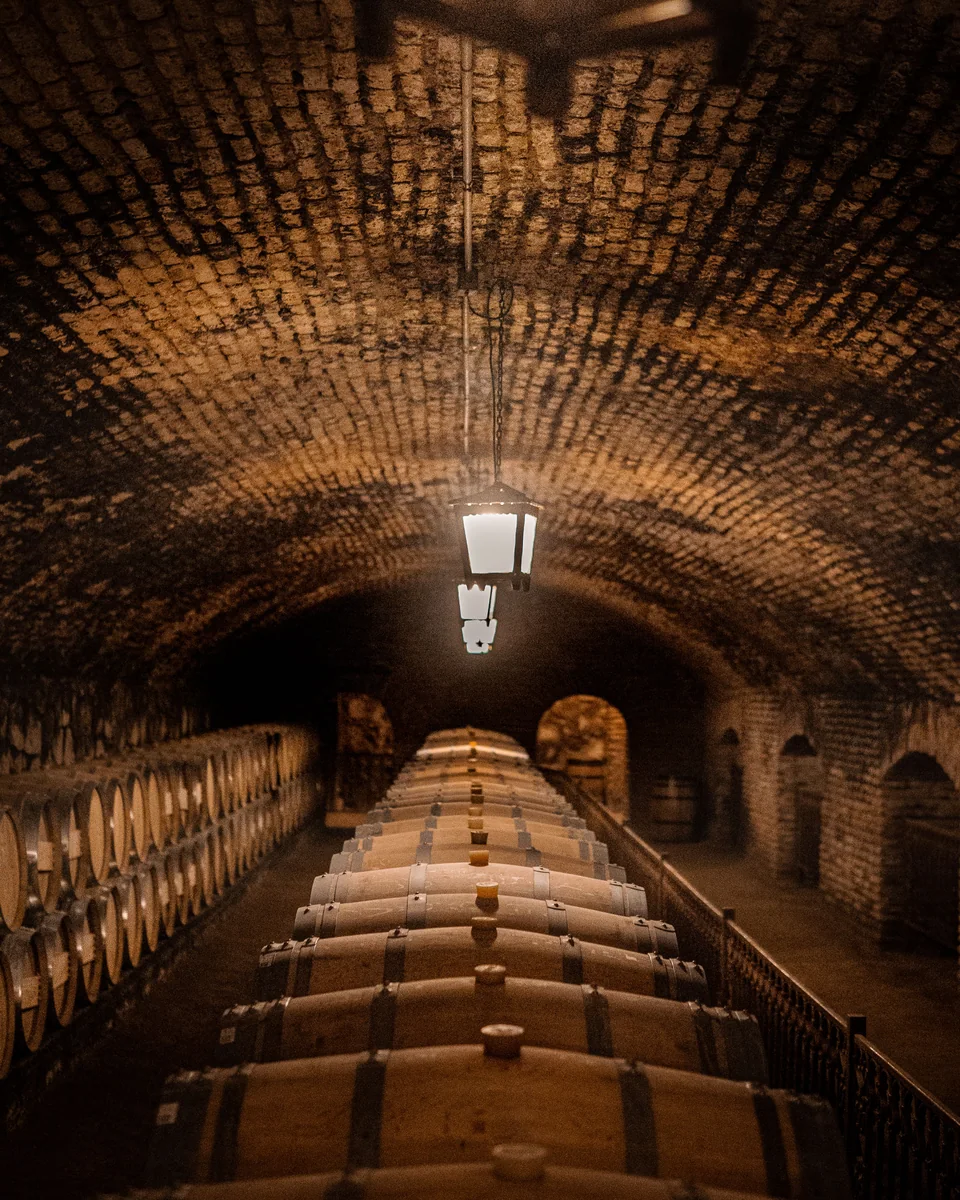
New oak can contribute aromas recalling vanilla, coconut and spices. Results vary with wood species, grain, toast level and barrel size. Oxygen passing gradually through the barrel and reactions within the wine also change color, tannins and aroma. Oak aging is shaped not by wood aroma alone but by grape compounds, oxygen exposure and time together.
Aging wine in contact with yeast lees remaining after fermentation can change texture, foam and aroma as yeast breakdown releases compounds into the wine. Results vary with grape variety, yeast, temperature and contact time.
Wine continues to change after bottling. Oxygen introduced at bottling, the closure, temperature, light and time affect pigments, esters and sulfur compounds. Some wines have the structure for long aging, while many are made to be enjoyed while their fresh fruit aromas remain vivid.
Information on a Wine Label
Wine labels provide information such as producer, origin, harvest year, grape variety and alcohol content.
- Producer and bottler: Check whether the grapes were grown, the wine made and the wine bottled by the same operation. It may come from a cooperative, a merchant buying grapes or finished wine to sell under its own name, or a separate contract bottler.
- Origin and geographical indication: Distinguish legally defined boundaries and production rules from a simple brand name.
- Vintage: The year the grapes were harvested, not the year of bottling or release.
- Grape variety: Whether a wine labeled with one variety may include a proportion of others depends on regional rules.
- Alcohol content and volume: Alcohol is one clue to body, but should be considered with acidity, sugar and extract.
- Sweetness, sparkling and aging terms: These may be legally defined grades or categories rather than everyday descriptions.
- Allergen and ingredient information: Check sulfites, possible milk or egg residues and the scope of disclosed ingredients.
- Lot and importer: Necessary for tracing a product if a problem arises.
Grape variety and oak-aging information are separate from quality grades. Terms such as reserve, old vine and natural also need to be understood in the context of regional rules and production records.
Assessing Wine Through Aroma and Taste
Looking, smelling and tasting involve sight, smell, taste, mouthfeel and the drinker's expectations together. Aromas smelled directly can differ from those reaching the nose from the mouth. Ethanol, sugar, acids, polyphenols, saliva and breathing also influence aroma release.
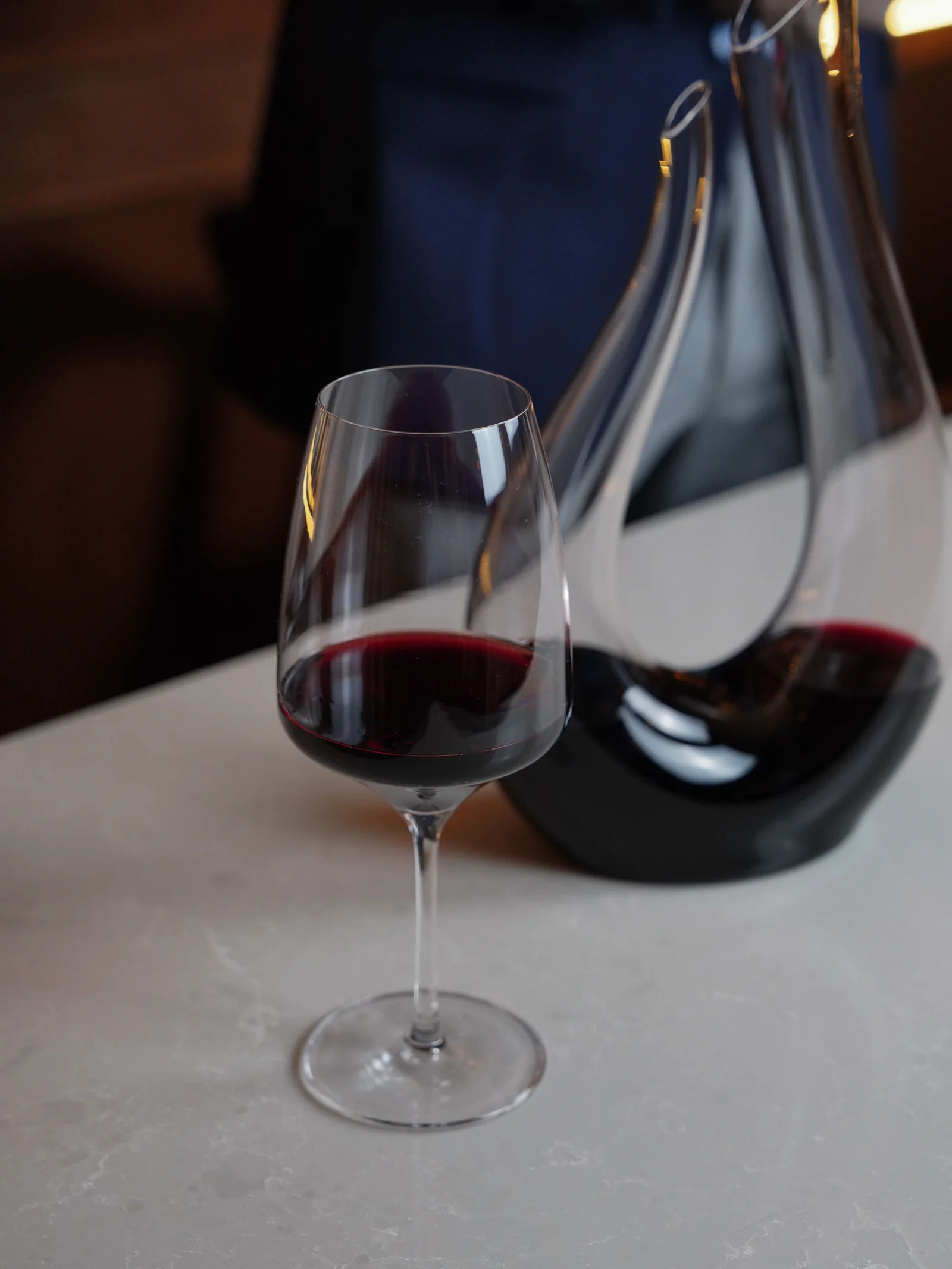
Step 1: Appearance
Observe brightness, hue, cloudiness and bubbles. Color offers clues to variety, maceration, acidity, oxygen exposure and aging, but does not conclusively establish vintage or quality.
Step 2: Aroma
Smell before and after swirling. Record intensity, cleanliness, aroma types and persistence. Rather than trying to identify an exact fruit, note whether the impression is fresh or dried, and whether flowers, herbs, spices, fermentation, wood or mature aromas stand out.
Step 3: Taste and Texture
Distinguish sweetness, acidity, bitterness, tannin astringency, alcoholic warmth, viscosity, bubbles and body. Tannin astringency is a tactile sensation separate from bitterness. Tannins interact with salivary proteins and mouth surfaces to create dryness and tightening. Its intensity depends on tannin type and other wine components as well as quantity.
Step 4: Balance and Finish
Consider whether acidity, sugar, tannins, alcohol or aroma excessively obscures the other elements. Record which aromas and sensations remain after swallowing or spitting, and for how long. Criteria for complexity and balance vary by style and person. Even trained tasters do not assign identical criteria or weights to overall quality, and expert ratings may differ from consumer preferences.
Temperature, Glassware and Air
Finding a Suitable Temperature
Lower temperatures can reduce perceived aroma, sweetness and alcohol while making acidity more distinct. Excessive warmth may bring alcohol and heavy aromas to the foreground. Start slightly cool and observe changes as the wine warms in the glass.
If aromas are difficult to detect, let the wine warm slightly; if alcoholic heat dominates, cool it a little.
Choosing Glassware
A glass should be clean and odor-free, with room for aromas to gather. Shape affects that space and how aromas are perceived. Use identical glasses when comparing wines to reduce the glassware's influence and focus on the wine.
Decanting and Air Exposure
Decanting separates clear wine from sediment. Air contact allows some aromas to dissipate and accelerates other reactions. Taste a glass immediately after opening, then judge exposure time by how quickly the aromas change. Older, delicate wines can lose aroma particularly quickly.
Basic Wine Storage Principles
For extended storage, choose a cool, dark place with a stable temperature and minimize vibration and abrupt temperature changes. Research discusses 15–17°C as a suitable storage range. Wines not suited to long aging are better enjoyed earlier. In one study, Malbec stored at 25°C changed color and aroma faster than at 15°C, with different sensory characteristics after 24 months.
- Avoid sunlight, heat from lighting, locations near ovens or boilers, and car interiors.
- Stable temperatures are preferable to frequent fluctuations for long-term storage.
- Storing natural-cork bottles horizontally is a practice intended to reduce cork drying. Other closures may not require the same approach.
- Leaking wine, a protruding cork or an abnormally low fill level can suggest heat or sealing problems.
- After opening, resealing and refrigerating can slow oxidation and microbial changes. Leftover red wine can also be refrigerated and warmed before drinking again.
- Aroma changes after opening according to the amount remaining and oxygen exposure, so check smell and taste before drinking again.
Light can accelerate oxidation. White, rosé and sparkling wines in clear bottles may be more sensitive to exposure. Light intensity and duration, bottle color and the wine's antioxidant components all affect storage.
Recognizing Wine Faults
Not every unfamiliar aroma is a fault. Small amounts of oxidative notes, certain yeast aromas or volatile acidity can add complexity in some wines. Assess concentration, overall balance, the intended style, safety and whether the same issue recurs across bottles.
| Sensory Sign | Possible Cause | Important Distinction | What a Guest Can Do |
|---|---|---|---|
| Wet Cardboard or Mustiness, with Muted Fruit | Cork-type taint involving TCA or related compounds | Environmental contamination can cause similar aromas even without a cork closure. | Check a fresh glass and the bottle, and request a replacement. |
| Vinegar or Nail-Polish-Remover Aromas | High volatile acidity or ethyl acetate | Small amounts may seem part of the fruit aroma. | If the aroma overwhelms the wine and is unpleasant, ask the person serving it to check. |
| Spoiled-Apple or Straw Aromas, Flatness and Browning | Excessive oxidation or acetaldehyde | These may be intentional in some oxidatively aged wines. | Check the intended style and compare with a fresh bottle. |
| Rotten-Egg, Sewage, Rubber or Onion Odors | Reductive sulfur compounds such as hydrogen sulfide or mercaptans | Mild odors may diminish with air exposure, but not all disappear. | Observe briefly in the glass and ask for help if the odor persists. |
| Medicinal, Adhesive-Bandage or Saddle Aromas | Brettanomyces metabolites | Some people enjoy these notes, but they may be considered a fault if they obscure the fruit. | Ask whether this is part of the intended style. |
| An Unpleasant Mouse-Cage or Grain-Store Sensation Emerging at the Back of the Tongue After Swallowing | Mousiness | Sensitivity varies considerably between people. | If it persists, stop drinking and request a replacement. |
If the glass smells unusual, pour the wine into a clean new glass and compare it with the bottle. Detergent, cloth or cupboard odors may have remained on the original glass.
Basic Principles of Food and Wine Pairing
Choosing wine to match food's acidity, sweetness, fat and aromatic intensity reduces the chance of one overwhelming the other. A wine that preserves delicate aromas may suit raw vegetables, while a rich nut sauce may need sufficient acidity and texture.
Matching Intensity
High alcohol, strong oak and harsh tannins can obscure delicate food. Conversely, rich sauces and charcoal aromas can make a very light wine seem flat. Wine's alcohol, sugar, tannins and aroma, together with food's fat, starch and sauce concentration, determine perceived weight in the mouth.
Contrasting Acidity with Rich Texture
High-acid wine can help the mouth feel refreshed after oily or creamy food and reduce the chance of seeming flat beside acidic dishes. If the food is much more acidic than the wine, however, the wine may still seem dull; excessively high wine acidity can make the combination too sharp.
How Food Sweetness Changes Wine
After sweet food, dry wine may taste more sour and bitter, with less fruit. For sweet sauces or desserts, start by comparing wines with sweetness at least as distinct as the food's. Acidity, bitterness, fat and personal preference also matter, so taste the actual combination.
Tannins and Food
Tannins interact with salivary proteins and mouth surfaces to create dryness and tightening. Food's fat, protein, salt, acidity and texture can change that sensation, but tannin quantity and astringency are not exactly proportional.
Frying oil, bean proteins, nut sauces, mushroom texture and starch can also soften the impression of tannins. Considering sauces and cooking methods helps identify plant-based pairings for wines with pronounced tannins.
Complementing or Contrasting Aromas
You can link roasted food with similar oak or mature aromas, or contrast earthy mushrooms with bright herbal or citrus notes. After choosing an aromatic connection, taste to check that neither the food nor the wine dominates.
Recording Your Own Preferences
The same pairing can be judged differently according to sensitivity to heat, preference for dry flavors and familiarity with particular aromas. Write down your own impressions before hearing others' opinions, since their descriptions can influence what you record.
Choosing Wine for Plant-Based Food
These suggestions match a wine's character to a dish's flavors and texture. Even the same dish can call for a different choice depending on its salt, acidity, sweetness, chili heat and degree of fermentation.
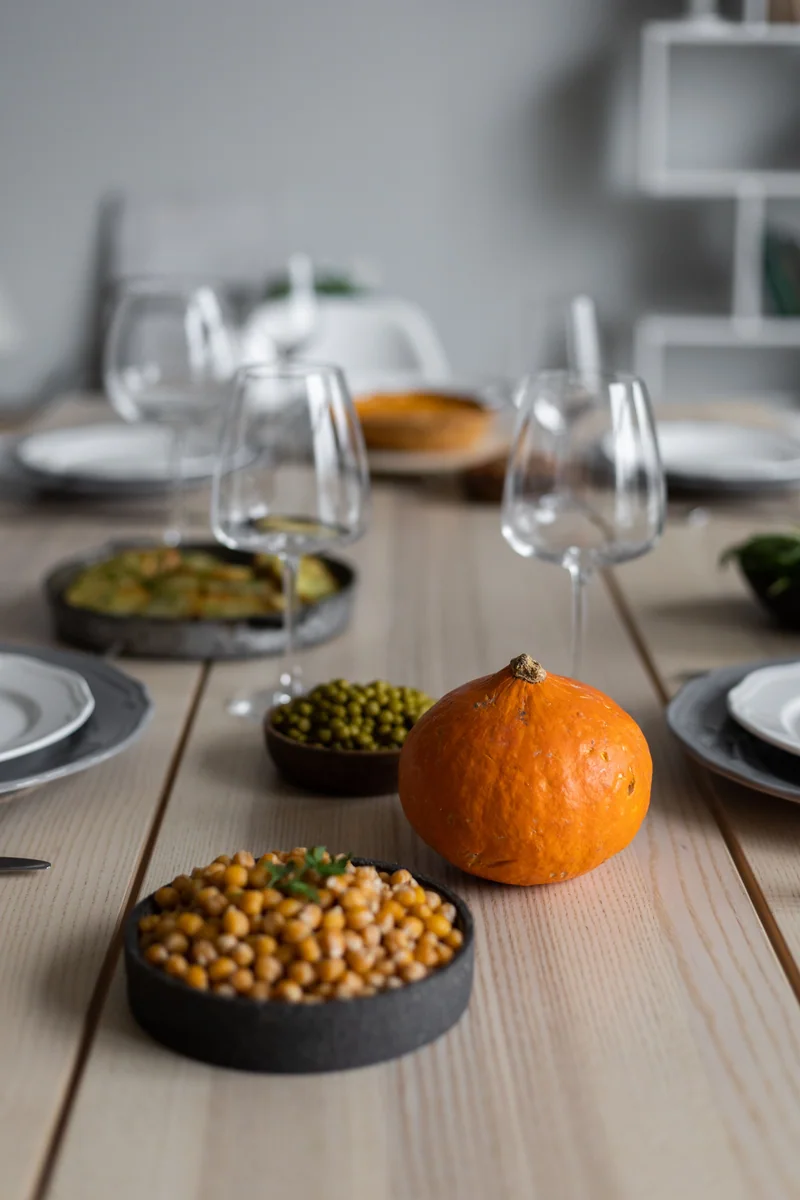
Raw Vegetables, Herbs and Citrus Dressings
When fresh herbs, green flavors and high acidity lead the dish, start by tasting a light wine with bright aromas and high acidity. Strong oak, high alcohol and rough tannins can overwhelm delicate leaves. If the dressing is quite sweet, a completely dry wine may taste sharper, so consider the sauce's sweetness too.
Tomatoes, Vinegar and Fermented Acidity
Tomato sauces and vinegar pickles are themselves acidic. A wine needs enough acidity to avoid seeming flat alongside them. If the food is sweet, consider residual sugar or generous fruit aromas; if it is spicy, also adjust the strength of the alcohol and tannins.
Roasted Mushrooms, Eggplant and Root Vegetables
When browning, charcoal aromas and deep umami dominate, consider wines with medium-to-high aromatic intensity and earthy, herbal or mature notes. Acidity can also provide a vivid contrast. Match the wine's body to the degree of roasting, sauce thickness, oil and salt, rather than simply to the word 'mushroom.'
Beans, Tofu and Tempeh
Mild tofu takes on the character of its seasoning. Lemon-and-herb tofu, tofu glazed with soy sauce or doenjang, and spicy tofu call for different wines. For nutty, browned foods such as tempeh or roasted beans, compare medium-bodied wines with acidity, moderate tannins or yeasty and nutty aromas. The umami and salt in fermented pastes and soy sauce can change a wine's bitterness and astringency.
Nuts, Sesame and Creamy Plant-Based Sauces
For rich, thick sauces such as tahini, cashew cream and coconut milk, acidity or bubbles can provide contrast. Toasted-nut flavors may also connect with oxidative, yeasty or oak-aged aromas. If sweetness or spices dominate the sauce, however, match those elements first.
Fried Food
For oil, salt and a crisp texture, comparing wines with high acidity or bubbles is a practical starting point. Bubbles are not the only factor in reducing a greasy impression: the wine's acidity, sweetness and alcohol also contribute.
Chili and Spices
High alcohol and strong tannins can intensify the heat of spicy food. Include lower-alcohol wines with generous fruit aromas and a little residual sweetness in your comparison. Taste chilled, lower-alcohol wines alongside the food to see how the sensation of heat changes.
Bitter Leaves and Charred Flavors
With pronounced bitterness from radicchio, kale or blackened skins, a wine's bitterness and rough tannins can compound the sensation and become tiring. Try wines with low tannins, ample fruit aromas, and acidity or a little sweetness. Salt, acid or fat can also help balance the food. Bitterness and astringency are different sensations, so do not treat them as a single 'strong flavor.'
Sweet Desserts
Fruit, chocolate, caramel and nut desserts differ in bitterness, acidity and fat as well as sweetness. Sweet food can make wine seem less sweet, more acidic and more bitter. To serve a dry wine, reduce the dessert's sugar or choose a less sweet dessert. Tea and non-alcoholic drinks can also accompany dessert.
How Food Changes the Taste of Wine
Take a sip of wine on its own, then a bite of food, and taste the same wine again. This makes it easier to notice how the food affects acidity, sweetness and astringency. A little more salt or lemon juice can also change the impression of the same pairing.
- Notice how fresh your mouth feels after a sip of wine following a rich sauce.
- If the food's sweetness intensifies the wine's acidity and bitterness, adjust the sweetness of the food or wine.
- If tannins feel rough alongside umami-rich seasonings, pair the dish with a wine that has softer tannins.
Checking Whether a Wine Is Vegan
Grapes are wine's main ingredient, but fining agents may be used during production to improve clarity and stability or adjust astringency, bitterness and color. Animal-derived materials can include gelatin, isinglass made from fish swim bladders, egg white, the milk protein casein or skim milk. Fining agents bind with components in the wine, settle and are then removed. Even so, using animal-derived materials in production may not meet common vegan criteria.
Alternatives to Animal-Derived Fining Agents
Winemakers can allow material to settle naturally without fining agents. They may also use racking—transferring clear wine to another vessel away from the sediment—or filtration. Other fining options include the clay mineral bentonite, the synthetic adsorbent polyvinylpolypyrrolidone (PVPP), pea or potato protein, and fungal chitosan.
Being unfined does not by itself establish a quality grade or vegan certification. Even plant proteins require a separate assessment of their effects on allergens and flavor.
Allergen Labels and Vegan Labels
Allergen labeling and a record of animal-derived processing aids address different questions. Allergen labels may focus on substances that remain detectable in the finished product, while processing aids removed during production can be treated differently from ordinary ingredients. To establish vegan status, review the production information for the specific vintage as well as the label.
Evidence for Vegan Status, in Order of Preference
- Independent vegan certification that covers the relevant vintage or production lot
- A producer's written confirmation identifying the product and vintage
- Current specifications obtained from the producer and retained by the importer or supplier
- A specific production statement confirming that no animal-derived fining agents were used
- A database entry or retailer description with a clear date and identifiable source
Producers can change their fining methods from year to year. An old answer about a brand therefore cannot guarantee every vintage. To describe a wine as vegan in a restaurant, record the date of the supplier's response, the product name, vintage or production lot, and exactly what the confirmation covers.
Sulfites and Vegan Status
Sulfites help control oxidation and microorganisms; they do not determine whether a wine is animal-free. 'Organic,' 'natural,' 'no added ingredients' and 'biodynamic' also refer to different growing, winemaking or certification criteria and do not automatically mean vegan. Vegan status needs separate confirmation through certification or specific production information.
Health and Safety
Alcohol is associated with several diseases and cancer risks, and no risk-free pattern of drinking has been established. Follow medical guidance and the law during pregnancy, when driving, when taking medication or living with a medical condition, and when below the legal drinking age. Professional tasting can include spitting the wine out rather than swallowing it.
Frequently Asked Questions
Is red wine made only from dark-skinned grapes, and white wine only from green grapes?
No. Red wine is usually made by macerating dark grape skins with the juice to extract pigments and tannins. Most dark-skinned grapes have pale flesh, so separating the skins promptly can produce a pale wine from them too. Some varieties with pigmented flesh are exceptions.
Is rosé made only by mixing red and white wine?
No. Common methods include pressing dark-skinned grapes directly or separating the juice after brief skin contact, then fermenting it. Saignée and blending methods also exist, and regional rules differ.
Why can a dry wine taste sweet and fruity?
Sweetness from residual sugar and fruit-like aromas are different things. Volatile fruit aromas can enhance perceived sweetness, while acids, alcohol and other aromas also play a part. A fruit-forward dry wine can therefore seem sweet.
Does every red wine need decanting?
No. Decanting is useful for separating sediment, but the benefits and losses from air contact differ between wines. Taste a glass first and observe how quickly it changes before deciding. Prolonged air exposure can be particularly unhelpful for old, delicate wines.
Does cork taint mean pieces of cork have fallen into the wine?
No. What is commonly called cork taint is a musty, damp odor and muted fruit aroma caused by compounds such as TCA. It is different from cork fragments in a bottle, and similar contamination can occur without contact with cork.
Does sediment mean a wine has spoiled?
Not necessarily. Pigments, tannins and tartrates can settle during aging. If the smell and taste are normal, decanting can separate the sediment. Leakage, unusual cloudiness, or bubbles suggesting renewed fermentation together with unpleasant odors need separate investigation.
Does vegan wine taste different?
Vegan status concerns whether animal-derived materials were used in production; it does not describe a single flavor or aroma. Plant- or mineral-based fining, no fining and different filtration methods can produce different results, while the wine's own composition also matters.
Is a wine with sulfites non-vegan?
No. Sulfites control oxidation and microorganisms and are unrelated to animal-derived fining agents. Confirm vegan status through certification or specific production information from the producer or supplier.
Are all organic wines vegan?
Not without verification. Organic certification primarily addresses growing practices and permitted materials; it is not the same as vegan certification. Check the relevant certification rules and the records of fining agents and processing aids separately.
Does white wine pair better with plant-based food?
Color alone cannot decide the pairing. A full-bodied red with distinct tannins may suit charcoal-grilled mushrooms and a rich fermented-paste sauce. With a spicy tomato sauce, the balance of acidity, residual sugar and alcohol matters more than color. Start with the finished dish's acidity, sweetness, umami, bitterness, fat, heat and aromatic intensity.
Should wine be sweeter than the food?
Sweet food can make wine seem less sweet and more sour or bitter. Checking whether the wine's sweetness matches or exceeds the food's is therefore a useful starting point. Acidity, bitterness, fat, temperature and personal preference also matter, so taste the combination.
Does a strong oak aroma indicate a high-quality wine?
No. New oak aromas and oxygen exchange are tools for shaping a wine. If they do not integrate with the concentration of grape-derived flavors and aromas, acidity and tannins, wood aromas can obscure the fruit and the character of the place.
Can wine age under a screw cap?
Wine continues to change after it is sealed with a screw cap. The closure is one of several factors affecting oxygen exchange and the seal. Temperature, oxygen introduced at bottling and the wine's composition also matter, so cork and screw caps cannot simply be divided into high and low quality.
Is a highly rated wine the best match for every dish?
Not necessarily. Quality judged from tasting a wine alone and harmony with a particular food are different questions. A successful pairing depends on the wine, the food, the drinker, the meal and the culture.
Pairing Wine with Mahina's Food
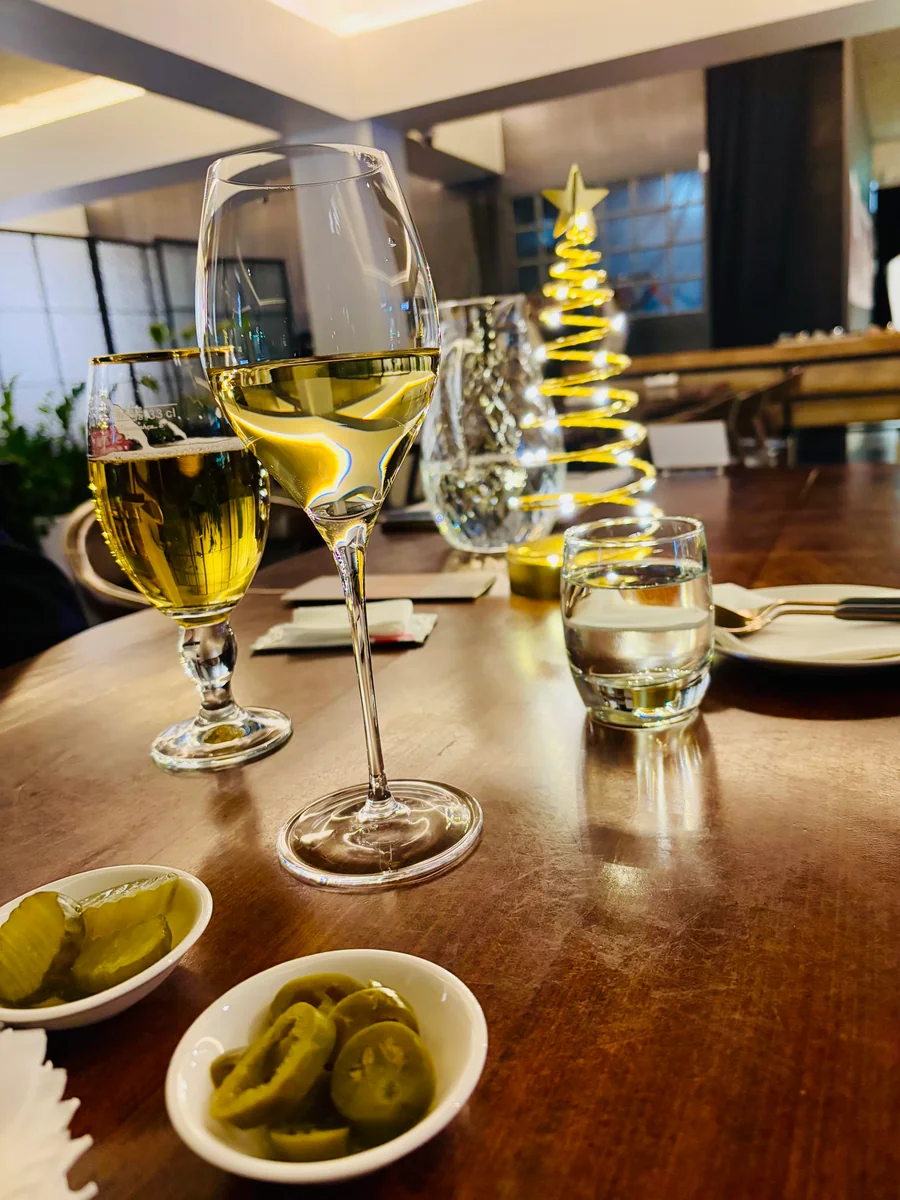
When pairing wine with Mahina's plant-based food, consider the sauce's acidity and sweetness alongside roasted aromas and chili heat. A wine with bright acidity can contrast with a rich sauce, while roasted food can complement a wine's mature aromas.