In this story
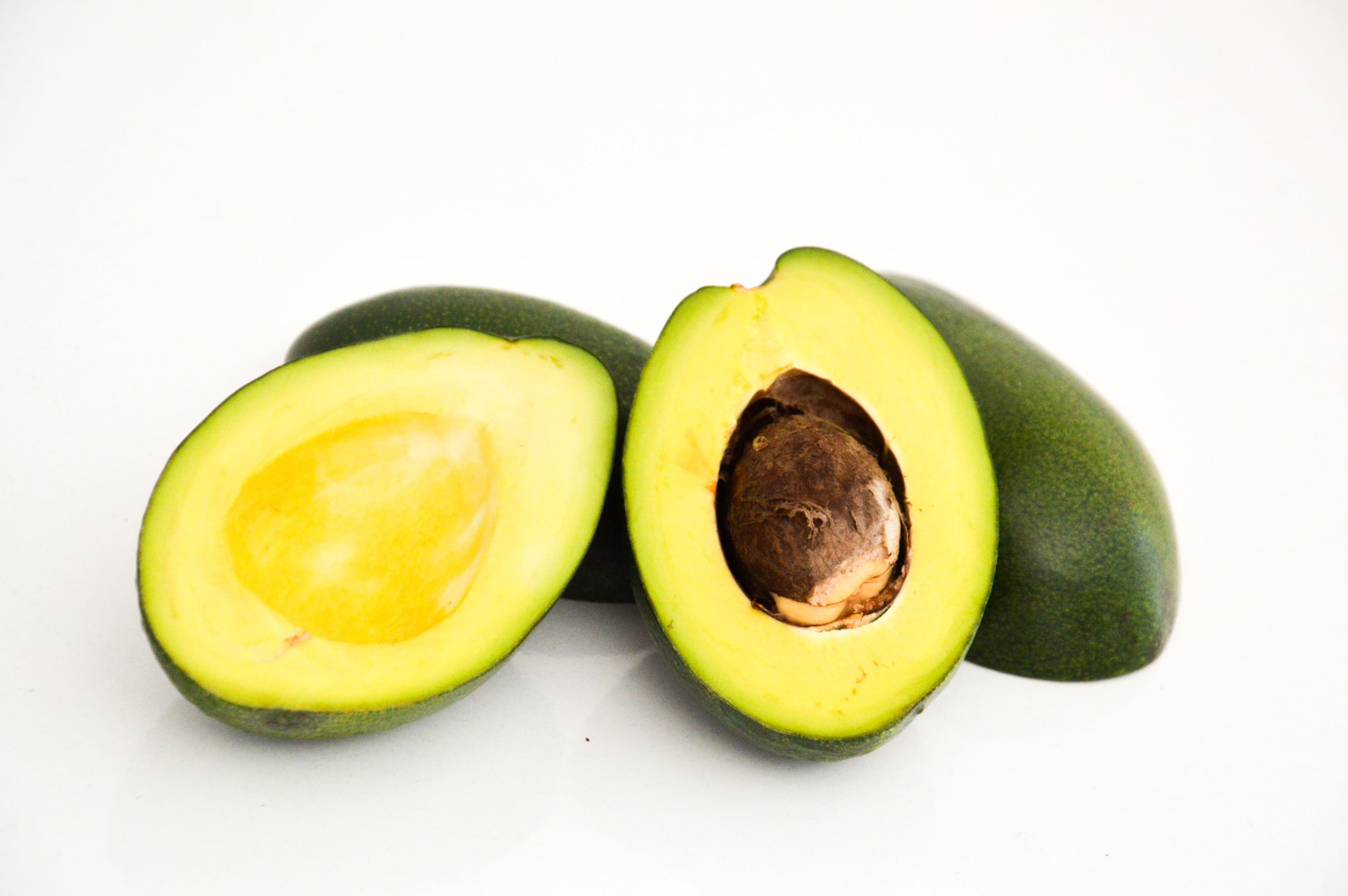
- Avocado is the fruit of a tree in the Lauraceae family
- It does not become tender on the tree
- Respiration and ethylene response increase after harvest
- Tender flesh and a crisp surface coexist in one piece
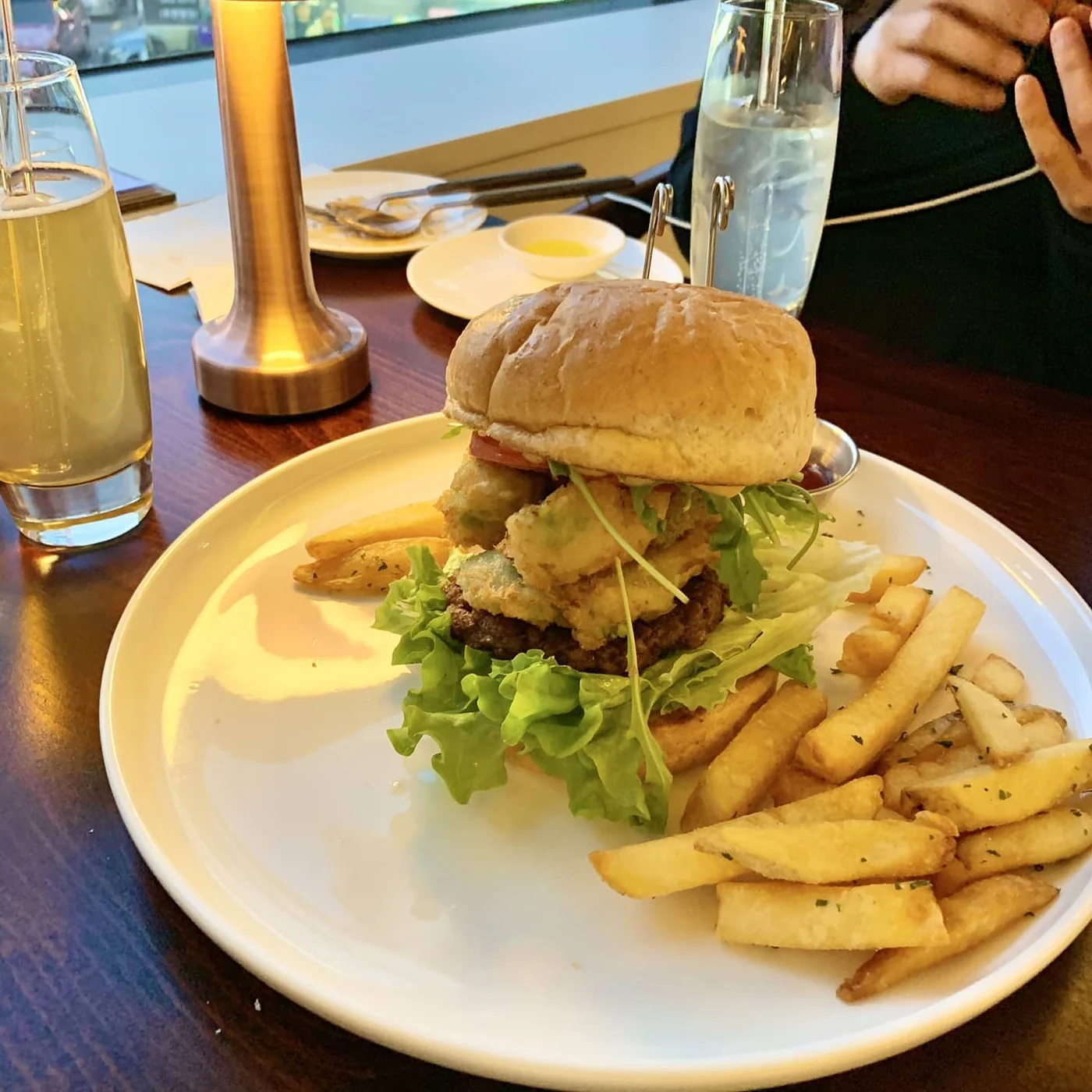
- Patty, arugula and tomato form the burger with it
- Skin colour alone does not determine ripeness
- Questions about avocados
The short answer
Avocado is the fruit of Persea americana and does not become fully tender for eating while still on the tree. After a mature fruit is harvested, changes in ethylene and respiration soften its flesh. In the Fried Avocado Arugula Burger, the flesh is prepared in fried form and placed between a plant-based patty and arugula.
Three essentials of avocado ripening
- Avocado is the fruit of Persea americana in the Lauraceae family.
- It reaches maturity on the tree before harvest, but its tender texture develops during post-harvest ripening.
- The Fried Avocado Arugula Burger brings together a crisp surface, tender flesh and the pepperiness of arugula.
Into the story
Avocado is the fruit of a tree in the Lauraceae family
Avocado has the scientific name Persea americana and belongs to the Lauraceae family. It is the fruit of an evergreen tree that originated in Central America and is now cultivated in many regions.
Its large central seed, thick skin and tender, fat-rich flesh set its structure apart from other fruits. Skin colour and thickness, size and ripening rate nevertheless vary by cultivar.
It does not become tender on the tree
An avocado reaches maturity on the tree, but does not undergo ripening in the ordinary sense before harvest. Only after harvest does the flesh soften into a suitable state for eating.
Time spent hanging on the tree does not by itself make a fruit immediately tender. Harvest maturity and the ripeness at which it is eaten are different stages.
Respiration and ethylene response increase after harvest
Avocado is a climacteric fruit that ripens with increased respiration after harvest. Ethylene accelerates ripening and rapidly reduces the firmness of the flesh.
Pressing by hand cannot reveal the interior perfectly, but fruit that is excessively hard or deeply indented in only one place can make the time of use difficult to judge. Ripening rate also varies with cultivar and temperature.
Tender flesh and a crisp surface coexist in one piece
Ripe avocado flesh can be tender enough to mash, yet it retains the shape of a piece while sufficient resilience remains. In fried form, the inner flesh and outer surface create different textures.
The ripe flesh must retain enough resilience to hold its form for the tender interior and crisp exterior to remain distinct. In the finished burger, attention can move through the patty and leafy greens in sequence.

Patty, arugula and tomato form the burger with it
The Fried Avocado Arugula Burger combines a plant-based patty, house-made sauce and bun, two pieces of fried avocado, arugula, tomato and Ezabel lettuce, and is served with French fries.
The tender avocado interior has a different density from the patty, while arugula's pepperiness and tomato's moisture temper a rich impression. Each layer has a distinct role rather than one ingredient replacing another.
Skin colour alone does not determine ripeness
Depending on cultivar, an avocado's skin may remain green when ripe or darken to different degrees. This is why the rule ‘dark means ripe’ cannot be applied to every avocado.
Mahina Vegan Table focuses on the finished composition of fried avocado rather than a cultivar name. When choosing the burger, look forward to the contrast among the three textures of avocado, arugula and patty.
Questions about avocados
- Do avocados ripen on the tree?
- They mature on the tree, but the ripening process that produces eating tenderness takes place after harvest.
- Does dark skin mean that every avocado is ripe?
- Skin colour after ripening differs by cultivar, so colour alone is not enough to judge it.
- Why does a cut avocado turn brown?
- When the flesh is exposed to air, enzymatic browning involving polyphenol oxidase produces brown pigments.
- Should a firm avocado go straight into the refrigerator?
- Low temperatures slow ripening. A practical approach is to monitor firm fruit first at room temperature, then refrigerate it to slow the process once it reaches a suitable tenderness for eating.
Fried avocado, a plant-based patty and arugula create a contrast among three textures.
View the Fried Avocado Arugula Burger