In this story
- Closely Related to Onions, but Different in Form
- One Bulb Outside, Several Sections Within
- Cutting Releases the Distinctive Aroma of Alliums
- Heat Creates Aromatic Layers Beyond the Raw Ingredient
- Keep Unpeeled Shallots Cool and Dry
- Shallot Among Porcini, Tomato and Fresh Basil
- Common Questions About Shallots
The short answer
Shallots are generally classified as an Allium cepa Aggregatum Group crop. Their tendency to develop several bulbs in a cluster is an important distinction from the common onion, which forms one large bulb. Mahina Vegan Table uses shallots in its Porcini Pasta and Grilled Cauliflower Steak.
Three Clues to Recognising a Shallot
- Shallots are treated as a cultivated group within Allium cepa, closely related to onions.
- Several bulbs develop together from one plant, with colour and shape varying by cultivar.
- Skin colour, bulb shape and aromatic intensity differ from one cultivar to another.
Into the story
Closely Related to Onions, but Different in Form
The onion's scientific name is Allium cepa, a bulb-forming plant in the amaryllis family, Amaryllidaceae. Within this species, shallots are widely treated as the Aggregatum Group, characterised by the formation of multiple bulbs.
Calling a shallot merely a small onion overlooks everything beyond size. Bulbs that grow in clusters, forms that range from elongated to round, and skins in copper, red and grey all contribute to the shallot's diversity.
One Bulb Outside, Several Sections Within
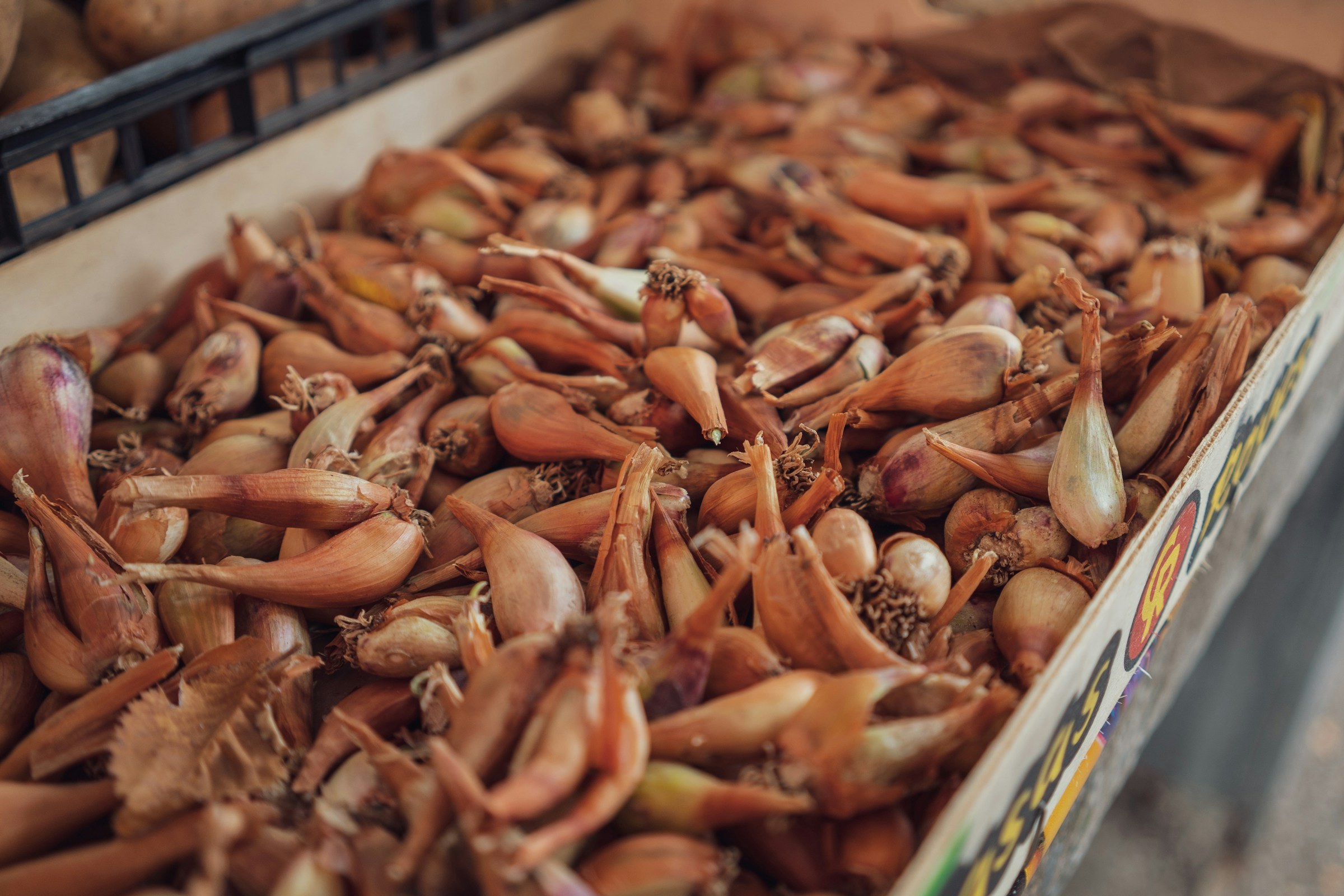
Shallot bulbs generally grow in clusters, and their colour, shape and size vary by cultivar. Some reveal two or more sections, rather like garlic cloves, once their papery skin is removed.
The number and size of bulbs vary with the cultivar and growing conditions. Rather than assuming that every shallot has the same colour or form, it is more accurate to remember their shared characteristic as a cultivated group that produces multiple bulbs.
Cutting Releases the Distinctive Aroma of Alliums
A range of sulphur-containing compounds contributes to the aroma of alliums such as shallots, onions and garlic. The composition of amino acids and organosulphur compounds also differs between cultivar groups.
The sweetness and pungency of a shallot vary with the cultivar and growing conditions. The names onion and shallot alone are not enough to rank one as invariably sharper or sweeter than the other.
Heat Creates Aromatic Layers Beyond the Raw Ingredient
Shallots, onions and garlic have different profiles of volatile compounds before and after heating. Aldehydes, sulphur compounds and nitrogen compounds, among others, occur in complex combinations after cooking.
Heating does not simply make the shallot's aroma disappear; it changes the combination of volatile compounds. This helps explain why the sharp aroma of raw shallot and the softer, fuller aroma of roasted shallot feel so different.
Keep Unpeeled Shallots Cool and Dry
Harvested shallots are best kept in a cool, dry place. Low surface moisture and good airflow around the bulbs favour longer storage.
Prepared shallots and shallots stored in their skins require different conditions. At home, basic care begins with checking that the bulbs are firm, the skins dry and there are no soft or mouldy areas.
Shallot Among Porcini, Tomato and Fresh Basil
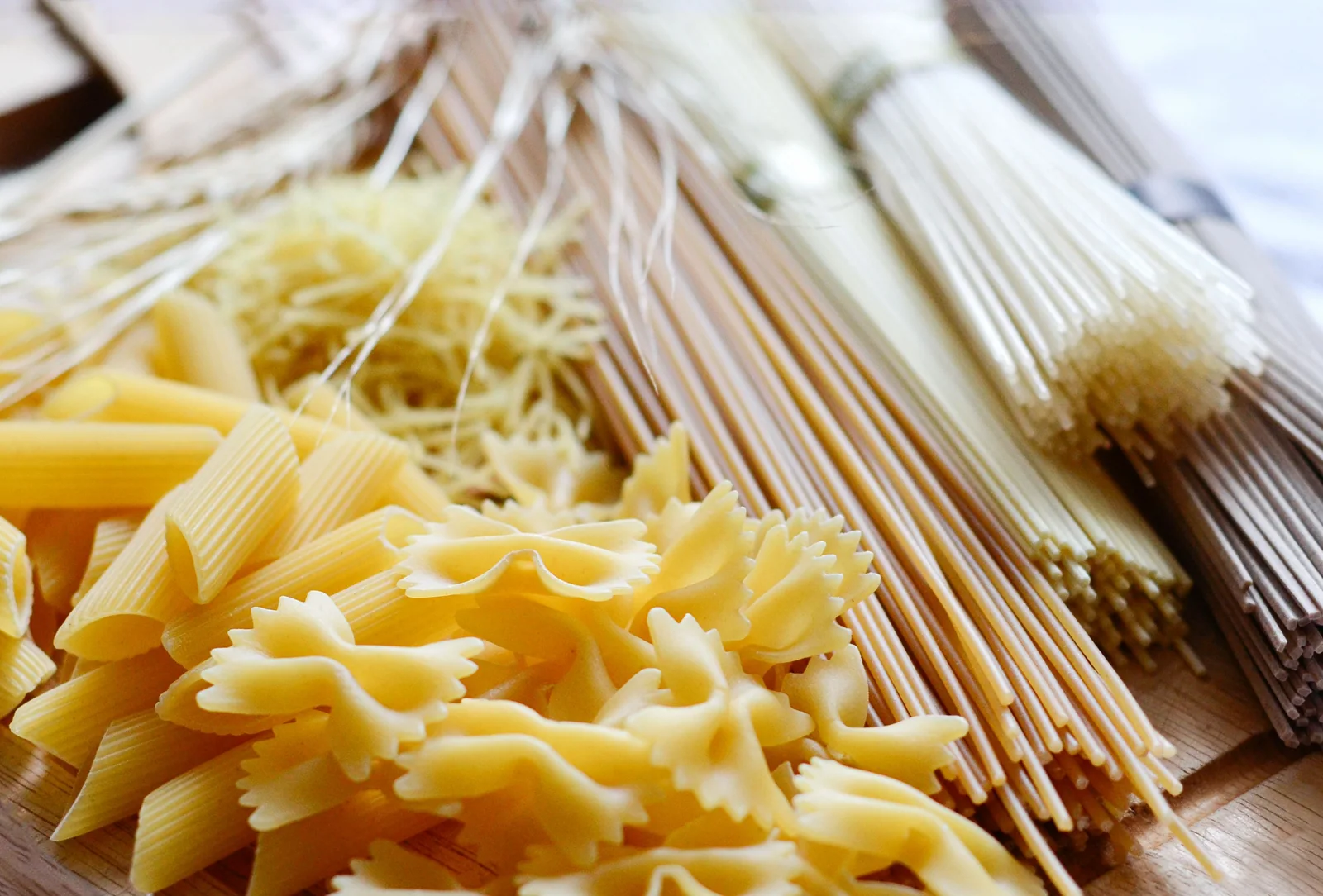
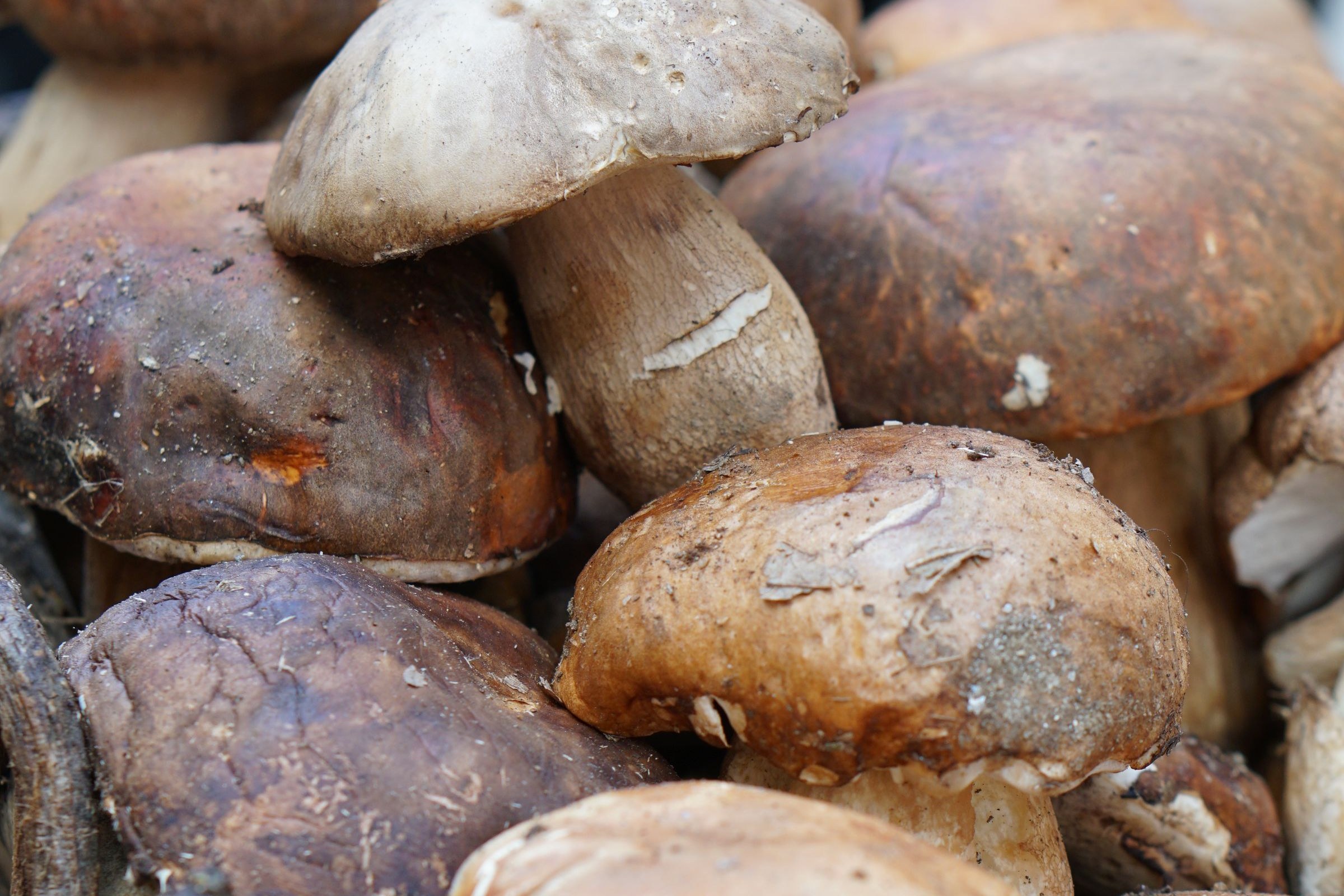
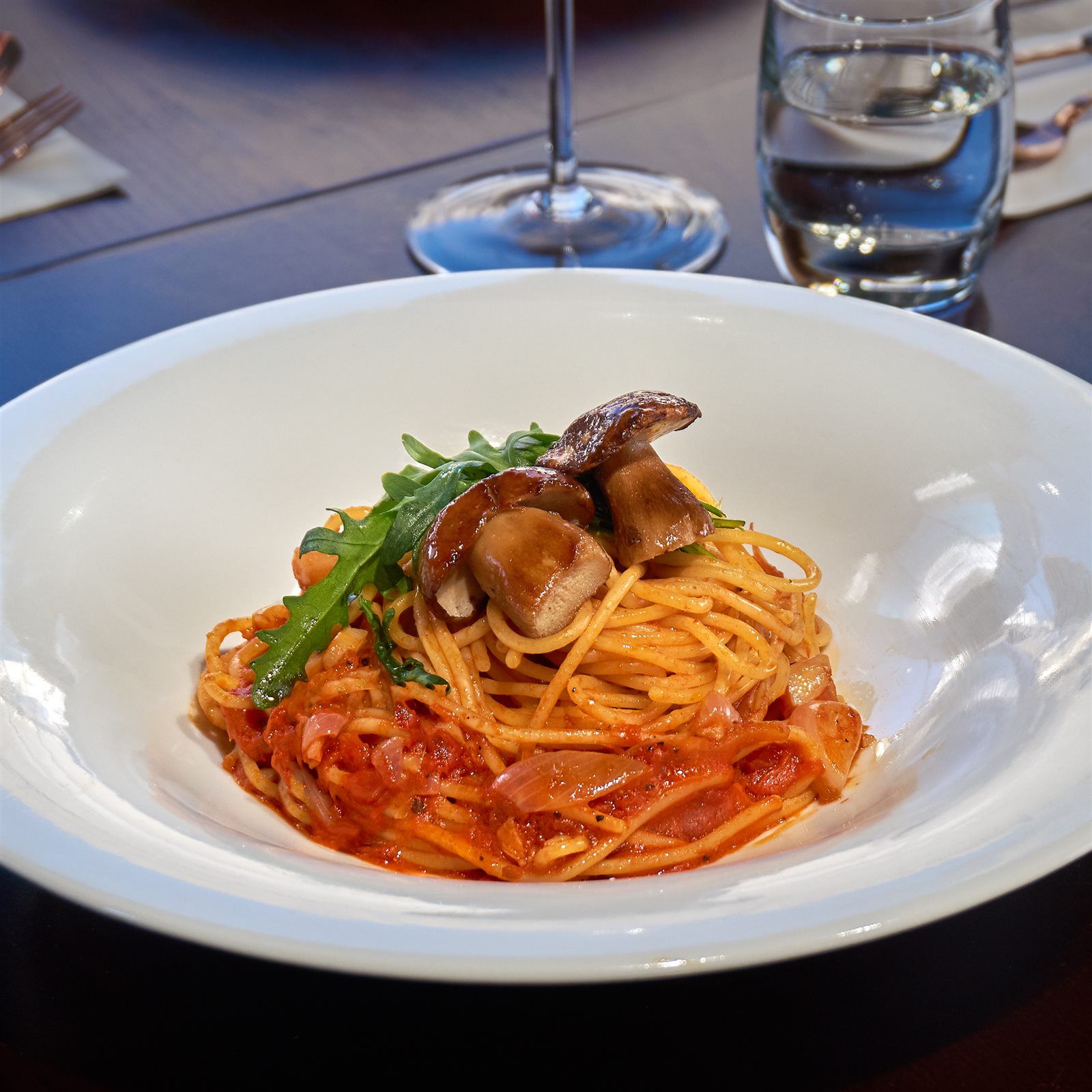
Mahina Vegan Table's Porcini Pasta combines spaghetti, house-made tomato sauce, roasted porcini, shallot, garlic, fresh basil and arugula. Shallot is one of the aromatics that shares the plate with mushroom, tomato and herbs.
In the Porcini Pasta, shallot sits alongside tomato sauce, roasted porcini, garlic, fresh basil and arugula. Understanding its clustered bulb structure and allium aroma, rather than seeing it only as a small onion, brings its role on the plate into clearer focus.
Common Questions About Shallots
- Is a Shallot an Immature Onion?
- No. It is a cultivated crop within Allium cepa, closely related to the common onion, and is treated as the Aggregatum Group, whose multiple bulbs grow in clusters.
- Are All Shallots Small and Elongated?
- No. There are many named cultivars, and their skin colour, bulb shape and size differ.
- Are Shallots Always Milder Than Onions?
- Aroma and perceived pungency vary with the cultivar, growing conditions and whether the shallot is raw or cooked. No single description applies to every shallot.
- What Should I Check When Storing Shallots?
- Check that the skin is dry, the bulb is firm and there are no soft or mouldy areas. Unpeeled shallots are best kept in a cool, dry place with good airflow.
Discover Mahina Vegan Table's Porcini Pasta, with roasted porcini, shallot and fresh basil over house-made tomato sauce.
View the Porcini Pasta