In this story
- Size and shape vary greatly within a single species
- Large round, plum and cherry types can serve different purposes
- Tomato flavour is a balance of sugars, acids and aromas
- Ripeness is not determined by red colour alone
- Excessive cold can slow the development of colour and aroma
- Different roles for fresh tomato, cherry tomato and tomato sauce
- Questions about choosing and storing tomatoes
The short answer
The cultivated tomato is Solanum lycopersicum, a species with great variation in size, shape and colour. Forms include plum and Roma types, cherry and grape types, and large round tomatoes, while flavour arises through the interaction of sugars, organic acids and volatile aroma compounds. Mahina Vegan Table also uses tomatoes in distinct forms: fresh vegetables in burgers, and cherry tomatoes and house-made tomato sauce in pasta.
Three criteria to consider when choosing tomatoes
- Cherry tomato does not describe a separate species, but several cultivars and cultivated forms that produce small fruit.
- Flavour is not a matter of sweetness alone; it is created by the balance of sugars and acids together with many volatile aroma compounds.
- Large slicing, plum and cherry types differ in flesh, moisture and size, which can make them suited to different culinary uses.
Into the story
Size and shape vary greatly within a single species
The cultivated tomato is Solanum lycopersicum. The species contains numerous cultivars differing in size, shape and colour, including round fruit, elongated plum types and small cherry types.
The name cherry tomato is a useful way to describe small-fruited types, but it is not a single cultivar name. Small tomatoes can be yellow, orange or deep purple as well as red, so flavour cannot be determined from size and colour alone.
Large round, plum and cherry types can serve different purposes
Tomatoes can be grouped into plum and Roma, cherry and grape, and traditional large round types, each with different flavours and physical properties. Large beefsteak types suit slicing; dense, relatively low-moisture Roma types suit sauces; and cherry types suit salads and roasting.
These uses are selection criteria, not absolute rules. Moisture, skin thickness, sugars and acids vary even among cherry types, while the texture and flavour of a sauce also change with the cultivar and degree of ripeness within Roma types.
Tomato flavour is a balance of sugars, acids and aromas
Tomato flavour arises through interactions among sugars such as glucose and fructose, organic acids such as citric and malic acid, and volatile compounds derived from amino acids, lipids and carotenoids.
Higher sugar content does not invariably create the fullest flavour. The balance of sweetness and acidity, aromas perceived through the nose, firmness of the flesh and amount of juice all interact. Choosing a cultivar therefore means considering its intended use and the texture you want.
Ripeness is not determined by red colour alone
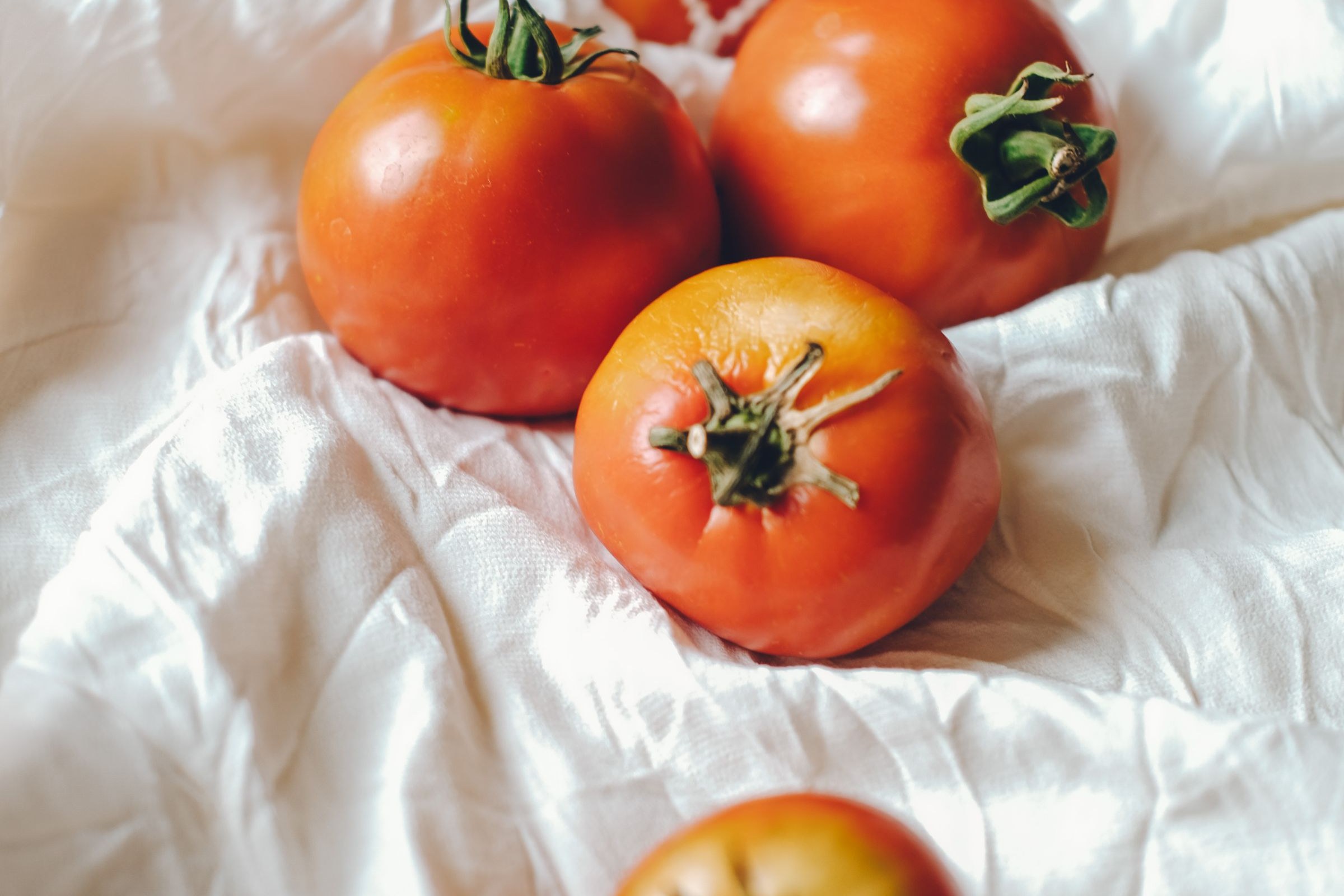
Tomato quality should be assessed through the form appropriate to its type, even colour, freedom from surface damage and firmness. Seed development and the formation of gel inside the fruit also help indicate harvest maturity.
Some cultivars ripen to yellow or orange, and red cultivars differ in how quickly their colour deepens. Colour is an important clue, but it should be considered together with the cultivar's natural colour, firmness and aroma.
Excessive cold can slow the development of colour and aroma
Tomatoes are sensitive to chilling injury, and the appropriate temperature depends on maturity and storage duration. Keeping an underripe tomato too cold for too long can interfere with even colouring and aroma development.
At home, it is practical to distinguish ripe tomatoes ready to eat from those that still need to ripen. Choose firm fruit without damage and store it without pressure; once cut, a tomato should be kept refrigerated and handled separately from whole fruit.
Different roles for fresh tomato, cherry tomato and tomato sauce
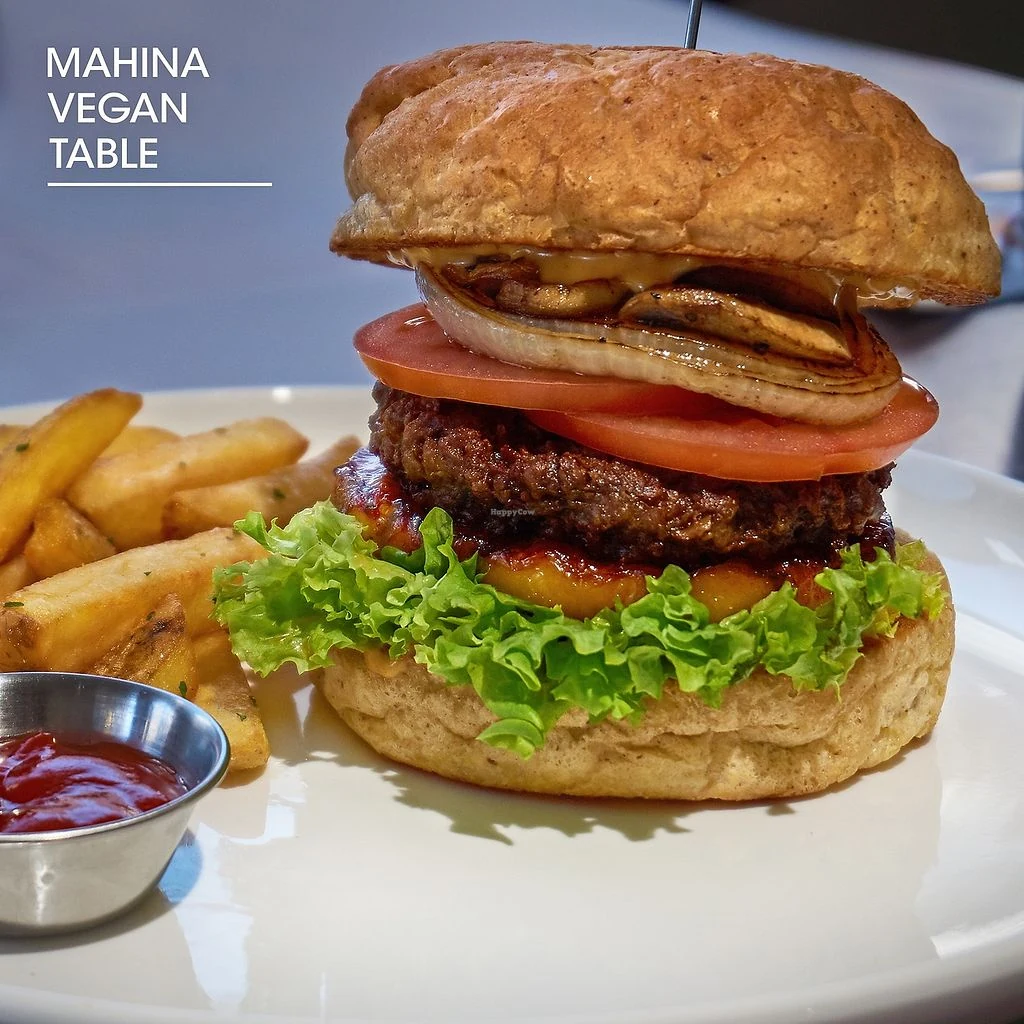
Mahina Vegan Table's Tomato Mushroom Basil Pasta adds button mushrooms, cherry tomatoes, shallot and fresh basil to fusilloni with house-made tomato sauce. The Grilled Pineapple Burger and Fried Avocado Arugula Burger use tomatoes suited to slicing.
The foundation of tomato sauce, cherry tomatoes added to pasta and fresh tomato layered in a burger show how one ingredient changes with size and use.
Questions about choosing and storing tomatoes
- Are cherry tomatoes a different species from large tomatoes?
- Most are small-fruited types within the same species, Solanum lycopersicum. Cherry tomatoes themselves include many cultivars with different colours, shapes and flavours.
- Are red tomatoes always sweeter?
- No. A tomato's natural cultivar colour, sugar-to-acid balance, ripeness and aroma compounds all shape its flavour, so sweetness cannot be determined by colour alone.
- Which tomatoes are well suited to sauce?
- Dense, relatively low-moisture plum and Roma types are frequently chosen. Depending on the acidity and texture desired, however, large round or cherry tomatoes can also be included.
- Should every tomato be kept in the refrigerator?
- It depends on ripeness and storage duration. Keeping an underripe tomato excessively cold for too long can interfere with colour and aroma development, while a cut tomato should be refrigerated, unlike intact fruit.
Discover Mahina Vegan Table's Tomato Mushroom Basil Pasta, combining house-made tomato sauce and cherry tomatoes with button mushrooms and fresh basil.
View Tomato Mushroom Basil Pasta