In this story
- Many types sit beneath the name basil
- Aroma differences can also be described through chemotypes
- Floral and clove-like notes overlap within a single leaf
- Aroma is also held in tiny structures on the leaf surface
- Basil is sensitive to excessively low temperatures
- Fresh basil in the Porcini Pasta
- Common questions about basil
The short answer
Ocimum basilicum is the principal basil species used widely in cooking, yet even within this species are many cultivars and chemotypes with different combinations of aromatic compounds. Variations in the proportions of linalool, eugenol, estragole and methyl cinnamate mean that basil has no single fixed aroma. In the Porcini Pasta, fresh basil adds a fresh herbal note between the tomato sauce and roasted porcini.
Three clues for understanding basil's aroma
- Ocimum basilicum encompasses many cultivars with different aromas, leaf colours and forms.
- The proportions of principal compounds such as linalool, eugenol and estragole change the direction of the aroma.
- Basil is more susceptible to chilling injury than many other fresh herbs.
Into the story
Many types sit beneath the name basil
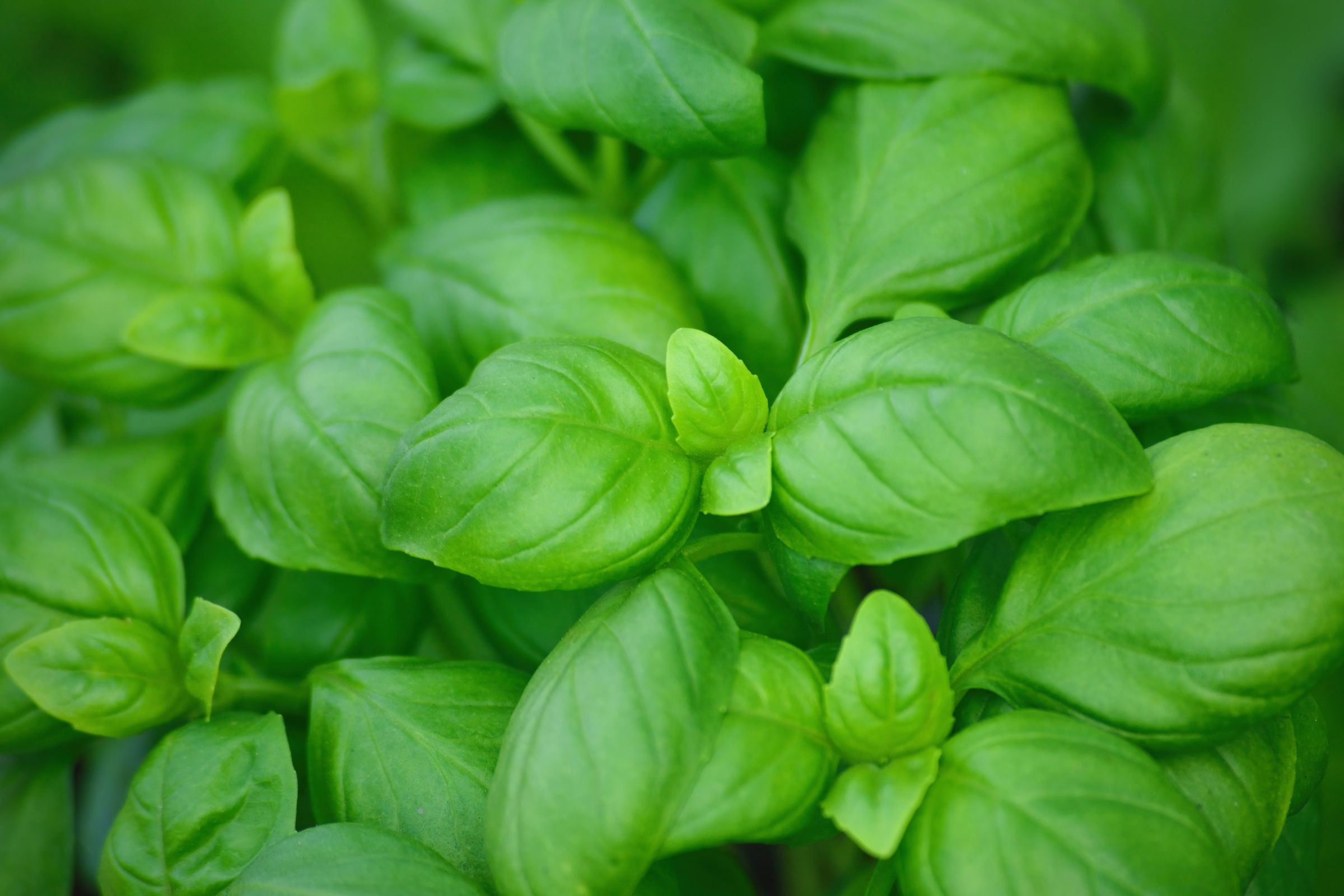
Ocimum basilicum is an aromatic annual herb. Alongside green-leaved forms are cultivars with deep-purple leaves, while cultivated types sold as basil differ in leaf size, surface texture and aroma.
Market names such as sweet basil, Genovese types and lemon-scented types reflect cultivars and hybrid relationships in different ways. Similar names do not guarantee identical aromas from the leaves.
Aroma differences can also be described through chemotypes
Linalool, eugenol, estragole and methyl cinnamate appear in different proportions among basil cultivars. Their principal combinations can be used to distinguish several chemotypes, including linalool, eugenol–linalool and estragole types.
A chemotype indicates which aromatic compounds are prominent within a species. Even plants with the same cultivar name can vary in composition with growing conditions and harvest timing, so several factors together shape the aroma actually perceived.
Floral and clove-like notes overlap within a single leaf
Eugenol and certain sesquiterpenes in basil contribute to clove-like notes. The proportions of linalool, citral and estragole vary by cultivar, changing the overall aromatic impression.
Basil may therefore suggest sweet floral notes, the warmth of cloves or an aroma reminiscent of liquorice, each in a different balance. Several directions sit within the brief phrase ‘basil aroma’.
Aroma is also held in tiny structures on the leaf surface
Essential oils are produced and stored in the glandular trichomes of basil leaves and flowers. When touching or cutting damages the tissue, these volatile compounds disperse into the air and the aroma becomes more apparent.
Basil's large, tender leaves are also readily affected by moisture loss and pressure. Alongside aroma, leaf colour, resilience and signs of damage are clues to the quality of fresh basil.
Basil is sensitive to excessively low temperatures
Basil and shiso are among the fresh herbs susceptible to chilling injury. At excessively low temperatures, basil may develop leaf browning, bronze discolouration along the veins, loss of gloss and diminished aroma quality.
The period for which appearance is maintained is not necessarily identical to the period for which ample aroma remains. Basil is not an herb that simply improves the colder it is kept; temperature and moisture loss must be considered together.
Fresh basil in the Porcini Pasta
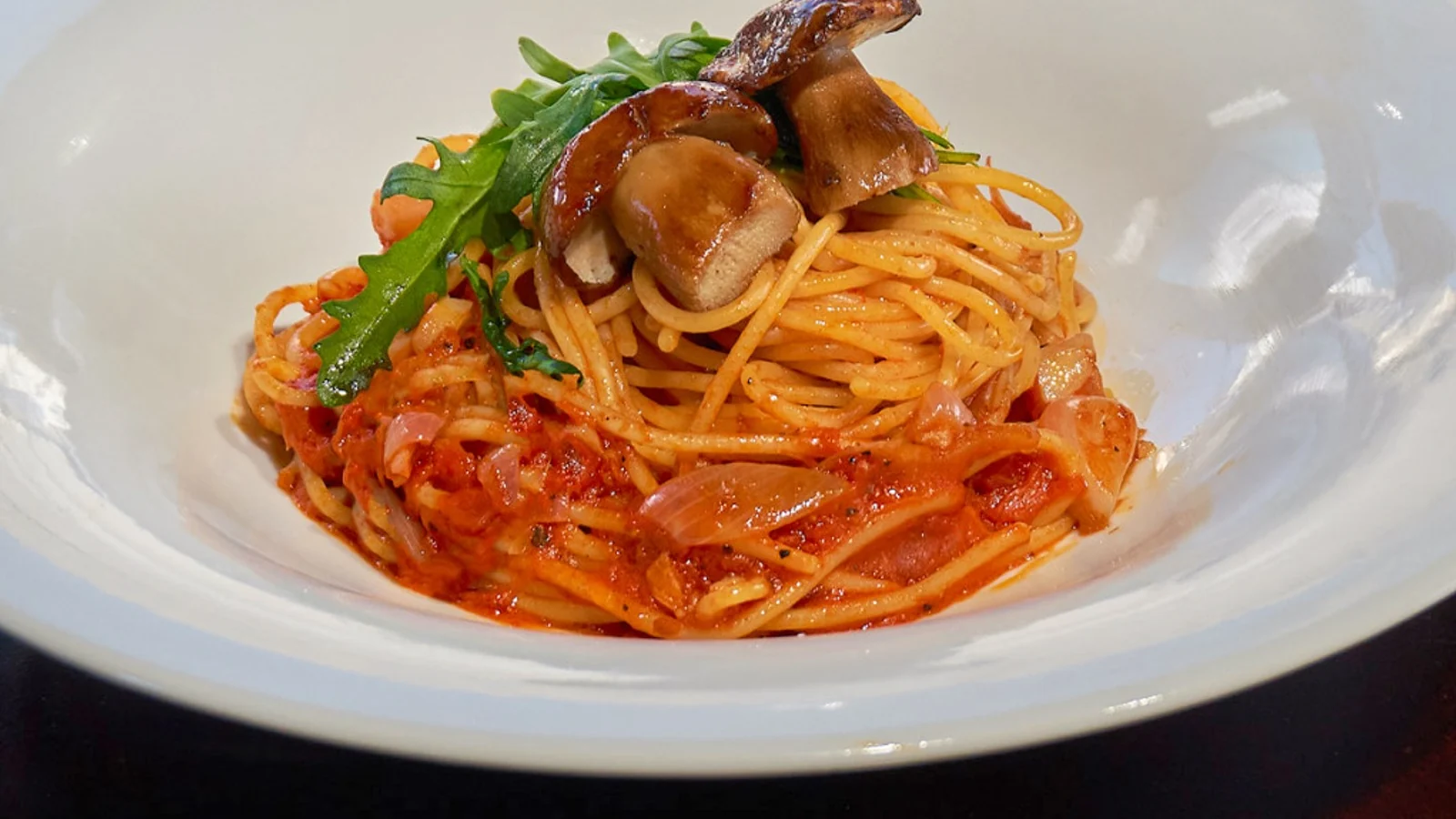
The Porcini Pasta combines spaghetti and house-made tomato sauce with roasted porcini, shallot, garlic, fresh basil and arugula. The basil adds a bright herbal note between the tomato's acidity and the deep aroma of roasted mushrooms.
Fresh basil brings a fresh herbal note between the acidity of tomato sauce and the depth of roasted porcini. The fact that basil's aroma is not fixed in one direction becomes more layered in a bite that also contains porcini and arugula.
Common questions about basil
- Are all basils the same species?
- No. Ocimum basilicum is the principal species used widely in cooking, but the name basil is also applied to related species, hybrids and many cultivars.
- Does chemotype mean the same thing as cultivar?
- No. A cultivar names a cultivated line, while a chemotype is a chemical type distinguished by the compounds prominent in its essential oil.
- Do purple and green basil have the same aroma?
- Leaf colour alone does not determine aroma. The proportions of linalool, eugenol, estragole and other compounds can vary among cultivars.
- Should basil be kept in the coldest part of the refrigerator?
- Basil is susceptible to chilling injury, and excessively low temperatures can cause browning and loss of aroma.
Discover the Porcini Pasta, where roasted porcini, fresh basil and arugula accompany spaghetti in tomato sauce.
View the Porcini Pasta