
Guide to All Mahina Journal Articles

We have grouped stories about Seoul travel, vegan dining, ingredients and art by topic. Read the key points of each article alongside the original.

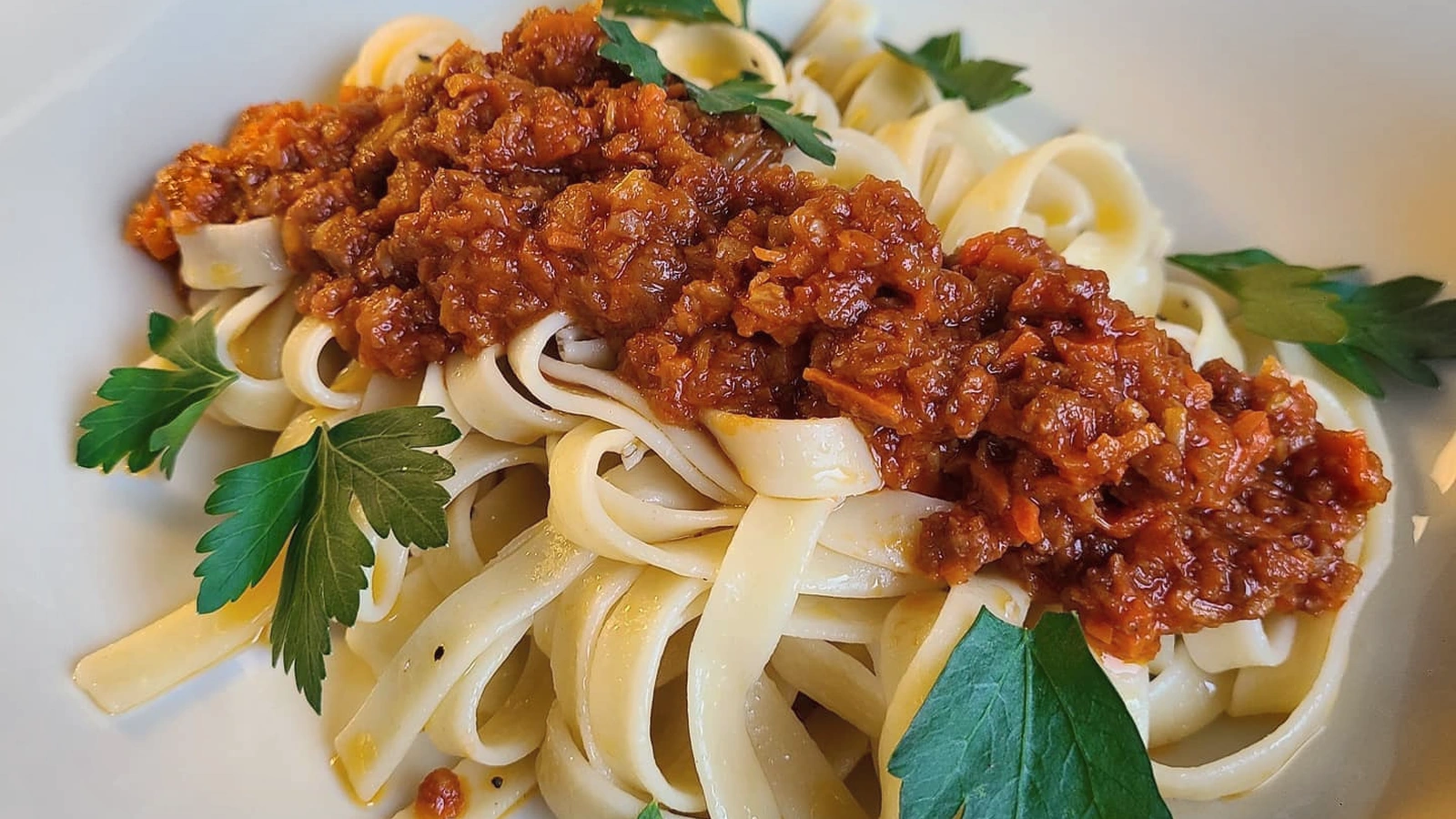
Bolognese Pasta, Mahina Vegan Table

80 articles

Seoul Travel10 articles

Vegan in Seoul: seven things a dish name may not tell you

Even dishes containing vegetables or tofu may use animal-derived ingredients in their broth, seasonings or garnishes. This article explains how to check for meat and fish in broth, fish sauce and salted fermented seafood in kimchi, and fillings in bibimbap and gimbap before ordering.

Mahina Vegan Table applies plant-based standards to every menu item, but allergies and the possibility of cross-contact need to be checked separately. Please specify the exact ingredients you need to avoid, and check the official information for opening hours and reservation availability on the day of your visit.

12 Korean Phrases to Show When Ordering Vegan Food in Seoul

This article brings together twelve phrases to help you explain your vegan dietary requirements in Korean and check the ingredients in broths, seasonings and sauces prepared in advance. Each Korean phrase comes with a romanised pronunciation, its English meaning and a situation in which you can use it, so you can choose and show the expression you need.

If you have allergies, please give the exact ingredient names and your cross-contact requirements separately from checking whether a dish is vegan. The article also introduces phrases for asking what the kitchen can verify and checking your requirements again before confirming your order.

3 Days, 2 Nights in Seoul, with Time for an Unhurried Meal

This itinerary sets aside one day for Seoul's palace district, one for the National Museum of Korea and the Han River, and one for Garosu-gil and the Gangnam area to avoid repeated travel between areas. It separates the places you definitely want to visit from those to see if you have time, and advises reducing optional stops if sightseeing takes longer or the weather changes.

Check palace and museum closure days just before your visit, and leave time for travel and rest before your meal. On the last day, decide when to end your walk with your luggage and airport journey in mind, and plan to reach the 2F level (Korean floor numbering) of the building by your reservation time.

Arrival Day at Incheon Airport: How to Plan the Time to Dinner in Garosu-gil

Your evening plans on the day you arrive at Incheon Airport need to be calculated from the time you actually leave the airport after immigration and baggage collection, rather than from your landing time. Along with estimated train and taxi journey times, this article considers the effort involved in transfers, your companions' fatigue and the time needed to leave your luggage at your accommodation.

It explains how to update your travel plans at the end of each stage and choose a reservation time you can still meet if there are delays. Storage for large luggage and current opening hours need to be checked separately, and it also discusses moving the meal to the following day if your arrival time is uncertain.

Gimpo Airport to Garosu-gil: Choosing a Route by Luggage and Transfers

When travelling from Gimpo Airport to Garosu-gil, it is important to compare luggage size, the number of transfers and walking distances inside stations, rather than relying only on the shortest journey time shown on a map. Check the train route again just before departure, and if you have large luggage, also consider using the designated taxi stand.

After you arrive at Sinsa Station, you still need time to pass through the exit and side streets and reach the 2F level (Korean floor numbering) of the building. This article advises saving the address in Korean and the floor number to check your destination, as well as checking luggage storage conditions at your accommodation and opening hours on the day of your visit.

How to Walk Garosu-gil and Jamwon Hangang Park in One Day

Jamwon Hangang Park's entrances and facilities are spread over a wide area, so it is best to decide on the specific place you want to visit rather than searching only for the park name. Check your routes into and out of the park separately, and adjust the order of your visits to the park and Garosu-gil according to the weather, sunset, events or access restrictions.

This article explains how to decide when to end your walk by subtracting the time needed to reach the park exit, find your way and adjust your clothing and shoes from your meal reservation time. Distinguish straight-line distance from actual walking time, follow signs on site, and leave enough time to turn back in keeping with your group's walking pace.

Can a Day on the Hangang Bus Lead Naturally into Dinner in Garosu-gil?

To combine a Hangang Bus ride with a meal in Garosu-gil, first check whether it is operating that day, whether that particular sailing stops at Apgujeong, any transfers and the time you will disembark. Do not plan your journey around a shuttle mentioned in an older travel review; check the walking, public transport and taxi routes currently available.

Please distinguish the time you get off the boat from the time you arrive at the restaurant, and allow time to leave the pier and travel by land. Prepare alternatives, such as a walk in a Han River park or heading straight to Garosu-gil, in case the service changes, and set your meal reservation time according to the service information you have confirmed.

How to Reach Garosu-gil with Less Confusion on a Rainy Day

This article explains how to check the hourly forecast around Gangnam-gu and transport service information before setting out on a rainy day, then choose the subway or a taxi according to your luggage and the rainfall. Taking a taxi does not guarantee that you can stay completely out of the rain all the way to the building entrance.

Save the walking route from Exit 8 of Sinsa Station and the Korean address in advance, and include a safe drop-off point and the time needed to reach the 2F level (Korean floor numbering) of the building in your plans. When you leave, you can ask staff for help calling a taxi, but neither taxi dispatch nor its arrival time is guaranteed.

How Is Korean Temple Food Different from Modern Plant-based Dining?

Korean temple food has its origins in Buddhist practice and a culture of respect for life, while modern plant-based dining uses plant-based ingredients to create a variety of forms of cuisine. This article considers their cultural purposes and each restaurant's stated ingredient standards separately, rather than ranking the two by taste.

The label 'vegan' does not automatically mean that the five pungent vegetables are excluded, so the ingredients in seasonings and sauces also need to be checked. The article distinguishes Mahina's entirely plant-based menu from its menu category that excludes the five pungent vegetables, and advises providing exact ingredient names and cross-contact requirements separately when religious restrictions or allergies also apply.

Vegan, Vegetarian, Plant-based and Temple Food: Four Terms Used Differently in Seoul

Veganism is a philosophy of life that extends beyond diet, and vegetarianism includes several forms that allow dairy products or eggs. With the term 'plant-based', you also need to check whether it describes a single ingredient or the entire menu.

Temple food has a context of Buddhist practice and restrictions on the five pungent vegetables, so it cannot be treated as meaning the same thing as vegan. Please distinguish Mahina's plant-based standard for its whole menu from its separate menu excluding the five pungent vegetables, and tell us separately about each person's allergies and cross-contact requirements.

Plant-Based Cuisine9 articles

Mahina’s 100% Plant-Based Menu: Ingredients, Flavour and Texture

Mahina Vegan Table applies its plant-based standards to broths, sauces and bread as well as main ingredients. Plant-based patties, vegan cheese and cream, mushrooms and roasted vegetables are combined differently in each dish to create its flavour and texture.

Even if every dish is plant-based, this does not mean that it is safe for people with allergies or that every ingredient can be changed. Before ordering, please tell us which ingredients you need to avoid and your requirements regarding cross-contact, and check the current menu and operating information.

Grilled Pineapple Burger: How Well-grilled Pineapple Supports a Vegan Patty

In the Grilled Pineapple Burger, pineapple does not replace the vegan meat patty; it adds acidity, moisture and the aroma of grilled fruit. Building on the substantial texture of the vegan bun and patty, grilled onions and button mushrooms, tomatoes and leafy greens add different aromas and textures.

This burger is designed to let you taste grilled and fresh ingredients together, rather than highlighting only the fruit's sweetness. This article looks at the role of each ingredient and the balance of the overall flavour when the bun, patty, sauce and pineapple are eaten in one bite.

Roman-style Carbonara without Egg or Dairy: Where Does the Sauce’s Body Come From?

Roman Carbonara Pasta combines spaghetti with a house-made vegan egg yolk oil sauce, vegan bacon and vegan Parmesan powder. It uses no animal-derived eggs or dairy products; a thin, even coating of sauce on the pasta creates its sheen and smooth consistency.

Bacon pieces and particles of cheese powder add to the smooth sauce, giving each bite a different texture, and the surface texture of both the sauce and the pasta changes as they cool. Being plant-based is separate from allergy safety, so please tell us which ingredients you need to avoid and any concerns about cross-contact before ordering.

The Sound of Chanterelles Cooking for Chanterelle Pasta

The sound made when chanterelles cook in hot oil is related to the formation and movement of bubbles as moisture in the mushrooms heats up. Moisture content, thickness, the amount being cooked and temperature all affect the sound, so loudness alone is not used to judge whether the mushrooms are well cooked.

In Chanterelle Lemon Parsley Pasta, the mushrooms, with their curved shapes, add a springy texture that differs from the spaghetti. This article also introduces the combination of a house-made oil sauce with lemon, fresh parsley, garlic and vegan Parmesan powder.

Porcini Pasta: Tasting Grilled Porcini with Tomato Sauce

Porcini Pasta is spaghetti in a house-made tomato sauce, topped with grilled porcini that retain their shape. The springy texture of the broad mushroom pieces contrasts with the softness of the pasta, and the dish is designed to let you taste the tomato's acidity and the mushrooms' flavour together.

Shallots and garlic add aroma to the sauce and mushrooms, while fresh basil and arugula contribute herbal aromas and the texture of fresh leafy greens. This article explains the role of each ingredient when the pasta, mushrooms, sauce and leafy greens are eaten together.

Cauliflower Steak: Tasting the Grilled Surface, Orange and Pickles Together

Cauliflower Steak, made by grilling a large piece of cauliflower intact, places the vegetable's own shape and thickness at the centre of the plate. Its broad grilled surface and moist interior are preserved, allowing you to taste different textures depending on where you cut it.

Mashed potatoes add softness, king oyster mushrooms and button mushrooms add springiness and aroma, and orange and pickles add acidity and moisture. This article explores the differences between combinations of grilled vegetables, potatoes, mushrooms and fruit by tasting the cauliflower with its various accompaniments.

Fried Avocado Rocket Burger: Balancing Crisp Layers and Leafy Greens

The Fried Avocado Arugula Burger places two slices of fried avocado between a vegan meat patty and a house-made vegan bun and is served with fries. The avocado does not replace the patty; its crisp exterior and soft interior add a texture distinct from the patty's springiness.

Arugula, tomato and Ezabel add aroma, moisture and crunch. We explore how crispness, softness and the texture of fresh vegetables come together when the plant-based ingredients, including the bun, patty and house-made sauce, are eaten together.

Vegan Bolognese Pasta: What Ragù and ‘Bolognese’ Mean

Bolognese means "in the style of Bologna," while ragù refers to a sauce served with pasta or rice dishes. We consider separately traditional descriptions of ragù as a meat-based sauce, regional differences in preparation, and the context in which tagliatelle has traditionally been eaten with ragù in Bologna.

Mahina's Bolognese Pasta combines tagliatelle with house-made vegan ragù prepared without animal-derived ingredients and is finished with fresh parsley. We explain how the sauce coats the wide, flat pasta evenly, connecting this feature to the three elements behind the menu name: region, sauce and pasta.

Tenderloin steak with plant-based sauces

Tenderloin Steak features a grilled vegan steak served with gravy and lingonberry sauce made in-house, along with vegan mayonnaise made without eggs. It is served with mashed potatoes, roasted vegetables and two kinds of mushrooms; the steak, sauces and accompaniments are all prepared with plant-based ingredients.

The original text describes a gluten-free ordering option as planned, rather than confirming that it is currently available. Gluten-free and nut-free are different criteria, so if you need to avoid specific ingredients, please check with the restaurant whether the steak, sauces and accompaniments can be ordered to meet those needs.

Ingredients21 articles

Why Does Porcini Have Tiny Pores Rather Than Gills Under Its Cap?

The principal porcini species has a pore surface beneath its cap formed from clusters of slender tubes rather than gills, and exchanges nutrients with tree roots. Porcini is a culinary term covering several edible boletes, so commercially sold porcini do not all belong to the same species.

Several volatile compounds produce its aroma, and their proportions and the resulting impression vary with the cooking method and storage conditions. In Porcini Pasta, we examine how the aroma and texture of roasted mushrooms pair with the acidity of the tomato sauce, fresh basil and arugula.

Is a Shallot Just a Small Onion? Its Clustered Structure and Aroma

Simply describing shallots as small onions is not enough to distinguish them; they are a cultivated group characterized by several bulbs growing in clusters. Skin and shape vary by cultivar, and sweetness and pungency are also affected by growing conditions, so their intensity cannot be determined from the name alone.

Heating changes the combination of volatile compounds rather than simply making the aroma disappear; when storing shallots, please check for dry skins and firm bulbs. In Porcini Pasta, we explore the aroma shallots bring to the combination of tomato sauce, mushrooms, garlic and herbs.

Why Chanterelle Ridges Do Not Separate Like Blades

Chanterelle is a name that covers several mushroom species, and many have blunt ridges continuous with the flesh beneath the cap rather than blade-like gills. We explain their ecology of forming mycorrhizal relationships with tree roots, along with differences in color, aroma and structure between species, while making clear that this information should not be used as guidance for determining whether wild mushrooms are edible.

In Chanterelle Lemon Parsley Pasta, the dense flesh and contours of the roasted mushrooms offer a different bite from the long, thin spaghetti. We examine the mushrooms' shape and springiness amid the aromas of lemon and fresh parsley, while also noting that not every piece of chanterelle has the same texture.

White and Brown Button-Mushroom Caps: Differences Within One Species

White and brown button mushroom caps may reflect differences between cultivated forms within the same species, while a naturally brown cap and browning caused by damage are different phenomena. When assessing the quality of young button mushrooms, consider not only their size but also their rounded caps and how far the veil covering the gills has opened.

Mushrooms with a high moisture content and delicate surfaces can quickly change in color and texture under pressure or at high storage temperatures. Using the button mushrooms served with Mahina's burgers and cauliflower steak as examples, the article distinguishes quality changes during storage from their aroma and texture when served.

Are Large Tomatoes and Cherry Tomatoes Different Only in Size? Cultivars, Uses and Storage

Large round tomatoes, plum tomatoes and cherry tomatoes differ not only in size but also in flesh, moisture content, skin and flavor, and cherry tomato is not the name of a single cultivar. The article explains how to choose tomatoes for eating raw or making sauce by considering sweetness, acidity, aroma and texture together.

When storing tomatoes, consider their ripeness and when you plan to use them, and take care not to keep unripe fruit at excessively low temperatures for too long. The article also introduces examples of using fresh tomatoes, cherry tomatoes and homemade sauces differently in burgers and pasta.

White, Yellow and Red Onions: Differences in Aroma and Storage

Onions are commonly grouped as white, yellow or red, but color alone cannot determine their aroma or storage life. Sweetness and pungency vary with cultivar and growing conditions, and cutting the tissue triggers enzymatic reactions that produce new volatile aroma compounds.

For onions intended for longer storage, the article recommends checking firmness, a dry neck and the outer skin rather than color, and keeping them in a cool, dry, well-ventilated place. In the Grilled Pineapple Burger, grilled onions support the aromas of the patty and button mushrooms and add sweetness between the fruit and tomato.

Basil Has More Than One Aroma: Cultivars, Care and Storage

The proportions of basil's aromatic compounds vary with cultivar, growing environment and harvest timing. Even basil with the same name can have aromas reminiscent of flowers, cloves or licorice, with each coming through to a different degree.

Cutting the leaves releases volatile compounds, but pressure, moisture loss and excessively low temperatures can reduce the quality of both the leaves and their aroma. In Porcini Pasta, the article examines the herbal aroma that fresh basil adds between the acidity of the tomato sauce and the aroma of the roasted mushrooms.

Why Dill Leaves and Seeds Smell Different: Caring for Fresh Dill

Dill leaves and seeds do not simply differ in the intensity of the same aroma; they differ in the composition of their main aromatic compounds. Dill, with its finely divided leaves and umbrella-shaped flower clusters, can be distinguished from similar-looking fennel by considering both shape and aroma.

Fresh dill can lose its aroma before its green color fades, so please check its characteristic aroma as well as wilting and color. The article introduces how the dill, parsley and leafy greens served with the cucumber rolls in the autumn course complement the cucumber's juiciness.

Why Thyme Can Smell Different Under the Same Name: Chemotypes and Care

Even thyme with the same scientific name falls into different chemotypes, chemical types whose aromas differ according to the dominant compounds in their essential oils. By examining thymol, linalool and geraniol types, among others, the article explains why thymol alone cannot account for the aroma of all thyme.

Harvested thyme can lose moisture and aroma during storage, making freshness difficult to judge from color and shape alone. The fresh thyme in the cauliflower steak is described as an ingredient that adds a contrasting herbal aroma to the roasted aromas of cauliflower, mushrooms and garlic.

Why Artichokes Are Eaten Before They Flower: The Structure of Bracts and Receptacle

Globe artichoke is a vegetable eaten for its young flower head before the small flowers bloom, rather than for a fruit. The fleshy bases of the surrounding bracts and the central receptacle are the main edible parts, and the tissue can become tough if the bud grows too large and opens.

The article distinguishes the bracts, the receptacle and the fuzzy portion, and also examines differences in color and shape among cultivars. In the Autumn Special Course, artichoke is served with carrot and beet purée, assorted mushrooms and grilled grapefruit to add different textures.

What Is Ezabel Lettuce? The Role of Leafy Greens in a Burger

Ezabel is a lettuce cultivar used in the Grilled Pineapple Burger, rather than a sauce or spice. Between the vegan patty, grilled mushrooms and onions, its moisture and crisp yet tender leaf texture provide a contrast to the warm, dense ingredients.

Tender lettuce leaves are sensitive to pressure and cutting, and exposure to ethylene can cause brown spots around the veins. Alongside guidance on keeping lettuce cold so that water does not pool and the leaves are not compressed, the article examines the contrasts in temperature and texture that leafy greens contribute to the burger's layers.

Flat-leaf parsley and how to use it in cooking

Flat-leaf parsley, also known as Italian parsley, has a different leaf shape from curly-leaf parsley, and both are used in cooking. The article explains how to wash off the soil, then chop the leaves and stems to add to sauces, or add fresh parsley toward the end of cooking.

Drain washed parsley before refrigerating it; parsley that has been finely chopped and frozen with water can be used when cooking soups or sauces. The article also introduces the combination of fresh parsley with mushrooms, lemon and an oil-based sauce in Chanterelle Lemon Parsley Pasta.

Where Arugula's Peppery Taste Comes From: A Distinct Leaf in a Burger

Glucosinolates and their breakdown products contribute to arugula's peppery, slightly bitter taste. Its intensity varies with growing conditions and stage of growth, so thin leaves or small size alone are not enough to judge the flavor as mild.

In the Fried Avocado Arugula Burger, the leaves' peppery bite contrasts with the avocado's soft interior and crisp surface, as well as the patty and tomato. The article also explains how to remove moisture from the leaves and keep them cold without compressing them at home.

Why Banana Blossom Is an Ingredient: From Floral Structure to Vegan Fish

Banana blossom refers to an inflorescence made up of large bracts and multiple rows of flowers layered together, rather than the sweet fruit. Peeling away the bracts reveals layers of tender tissue, and the article explains how its texture, which separates along the grain, differs from that of the fruit's flesh.

In Fried Vegan Fish Pesto Risotto, fried banana blossom is served with basil pesto risotto, arugula, vegan cheese and other accompaniments. The term vegan fish refers to a dish that uses the inflorescence's layered texture, rather than fish as an ingredient, and the article examines the differences in texture among the fried blossom, rice grains and leafy greens.

Why Cauliflower Looks Like One Mass: Inflorescence and the Structure of a Grilled Cross-section

Cauliflower's white head is a curd, a dense cluster of tissue formed before flowering, and cauliflower is a cultivated form of the same species as cabbage and broccoli. A thick slice retains both the inner stem and the outer tissue, allowing you to taste a firm center and soft edges.

For Grilled Cauliflower Steak, a broad cross-section is placed at the center of the plate and served with mushrooms, mashed potatoes, orange and pickles. The article explains how to select cauliflower by looking at the compactness of the florets, surface dryness, browning and softening rather than size.

Avocados Do Not Ripen on the Tree: The Science of Ripening and Tender Texture

Avocados must mature on the tree and then be harvested before their flesh can ripen to a softness suitable for eating; ethylene and changes in respiration are involved in this process. Maturity for harvesting and ripeness for eating are different, and skin color alone cannot indicate ripeness in every cultivar.

For frying, even soft flesh needs to retain enough firmness to hold the shape of the pieces. Using the Fried Avocado Arugula Burger as an example, the article explains the contrasts in texture among the crisp surface, soft interior, patty and leafy greens.

A Pineapple Is Not One Fruit: Many Flowers, One Multiple Fruit and the Aroma of the Grill

A pineapple is a fruit formed by the fusion of small fruits from many flowers, and this structure can also be seen in the eyes on its skin and its central core. Storage after harvest alone does not sufficiently increase sweetness, so it is important to consider maturity at harvest, aroma and the condition of the flesh together.

Heating changes not only the temperature but also the composition of volatile aroma compounds, creating roasted aromas that differ from those of the raw fruit. The article explains that in the Grilled Pineapple Burger, pineapple adds acidity and moisture between the patty and grilled vegetables, rather than replacing the patty.

Lemon Acidity Is Not Always the Same: How Cultivar, Maturity and Storage Change Flavour

A lemon's sourness varies with cultivar, ripeness, growing conditions and storage conditions, while sugar, aroma and temperature also influence how it tastes. The acidity added by the juice and the aroma from oil glands in the peel play different roles, so the fruit's condition should not be judged by color alone.

The article recommends considering moisture loss and the possibility of chilling injury during storage, and keeping cut lemons sealed and refrigerated so the exposed surface does not dry out. In Chanterelle Lemon Parsley Pasta, it explains the roles of lemon's acidity and aroma alongside roasted mushrooms, an oil-based sauce and fresh parsley.

Is an Asparagus Spear a Leaf or a Stem? A Vegetable Harvested as a Young Shoot

Asparagus is a vegetable whose edible spears are young shoots emerging from an underground crown and roots. As the shoots grow, the aboveground parts photosynthesize and store energy in the crown for the following year, and stem thickness alone makes it difficult to judge tenderness or toughness.

The article offers guidance on checking for closed tips and straight stems, assessing dryness and freshness at the base, and keeping asparagus cold. In Roasted Asparagus Tomato Herb Lemon Pasta, it explores the contrasts among the pasta's springiness, the roasted shoots' crispness and the aromas of tomato and herbs.

The Honeycomb Surface of Morels: Three Clues to Understanding Morel Cream Pasta

Morels are mushrooms in the genus Morchella, which includes multiple species, and their caps have a repeating honeycomb pattern of ridges and recessed pits. Their color and size vary with growth stage and environment, making it difficult to identify a particular species from color in a photograph alone; species also differ in their ecology and cultivation history.

In Morel Cream Pasta, roasted morels and smooth button mushrooms are combined in a house-made vegan cream sauce to contrast their surfaces and textures. The article explains the composition of the dish by focusing on its wide tagliatelle and the distinct structures of the two mushrooms.

Pasta Shapes, Cooking Times and Sauce Pairings

Pasta's thickness, moisture content, surface grooves and holes affect cooking time and the way sauce clings to it. The article compares the ingredients and production processes of dried and fresh pasta, and compares suitable sauces for long strands, ribbons, tubes and spirals alongside their actual shapes.

Cooking times vary by product and thickness, so please taste the center of the pasta and take into account the time needed to finish it in the pan with the sauce. Alongside a look at the pasta and menu items at Mahina, the article advises checking ingredients and allergen cross-contact separately from vegan labeling.

Classical Music18 articles

Jean-Pierre Rampal: Leaving Medical School and Bringing Library Scores to the Stage

Jean-Pierre Rampal studied medicine while learning the flute from his father, then entered the Paris Conservatoire to avoid wartime labour conscription. He later expanded his repertoire by finding old scores in libraries and commissioning new works.

This article explores the roles of his fellow musicians through the premiere of Poulenc's sonata, jazz collaborations with Bolling, and performances of Mozart with Lily Laskine. It also introduces arrangements of Japanese melodies for flute and harp and differences between editions of the recordings.

Elgar and du Pré: The Cellist at the Premiere Who Conducted the 1965 Recording

In Jacqueline du Pré's 1965 recording of Elgar's Cello Concerto, John Barbirolli conducted the London Symphony Orchestra. Barbirolli had been a cellist in the same orchestra at the work's premiere, and the young du Pré recorded with him a work she had learned from her teacher and become familiar with through performances.

The concerto opens with chords on the solo cello, passes through a slow Adagio, and recalls earlier melodies and the opening chords in its final movement. We examine the difference between hearing just one movement and listening to the whole work, alongside the relationships among the performers that connect the premiere and the recording.

Debussy's Estampes: Javanese Percussion, a Spanish Evening and French Children's Songs at the Piano

While in France, Debussy incorporated Javanese gamelan, the Spanish habanera and French children's songs into the three pieces of his piano collection Estampes. We explore how he organized the solo piano's range and repeated musical figures, drawing on the ensemble music he heard at an exposition and music he had written earlier.

Pagodes, La soirée dans Grenade and Jardins sous la pluie differ in their musical materials and how the music unfolds, despite sharing the same instrumentation. After examining the collection's publication and premiere and Falla's memorial piece, we also look at Zoltán Kocsis's performances of the three pieces in Mahina's music list.

Debussy's Hommage à Rameau: A Future for French Music in a Forgotten Predecessor

After writing a review of a Rameau opera he had heard, Debussy composed the piano piece Hommage à Rameau and also took part in editing Rameau's scores. The middle piece in Images, Book 1 draws on the character of the sarabande of earlier times while using Debussy's own harmonies and piano writing.

The article examines the restoration and publication of Rameau's works, the revisions to the new collection, and its performance instructions. Through Michelangeli's performance in Mahina's music list, we explore the relationship between respect for a predecessor and the work of creating new piano music.

Sabine Meyer's Mozart: Recovering the Lost Low Notes

Mozart wrote his Clarinet Concerto for the instrument used by Anton Stadler, which had an extended lower register. The completed autograph full score has not survived, so editors compare autograph fragments, early published editions and contemporary reviews to reconstruct the low notes that were altered in scores for the standard clarinet.

Sabine Meyer's recording uses a basset clarinet capable of playing that range. We examine how the theme returns in the Adagio and the roles of the solo instrument and orchestra, explaining how choices of instrument and edition affect the way we hear the same concerto.

Chopin's Romance: The Warsaw Singers and a Young Pianist's Last Concert at Home

Chopin's Romance is the second movement of his Piano Concerto in E minor, which the composer described in a letter as music combining calm and melancholy. We explore its character through the singing melody, delicate ornamentation and the tone of muted strings.

At the Warsaw premiere, vocal arias were performed between movements of the concerto, and Konstancja Gładkowska also sang on the same stage. We examine the concert before he left his homeland and later records, placing the opening of Argerich's performance in Mahina's list in the context of the original concerto.

Debussy's Clair de lune: The Sorrow Behind the Masks and a Piano Piece Renamed

Verlaine's Clair de lune depicts masked people who are sad even as they sing of love and happiness, and Debussy set this poem to music for voice. The piano piece with the same title is separate from the vocal setting; while preparing it for publication, he changed its original title, Promenade sentimentale, to Clair de lune.

The article examines the poem, Watteau's paintings, the title of Suite bergamasque and its path to publication. We distinguish the piano performance in Mahina's list from Caplet's orchestral arrangement, and explain the background to hearing the same piece on different instruments.

Satie's Gymnopédies: A Cabaret Pianist Returns to School at Thirty-Nine

Satie composed the Gymnopédies while accompanying performers in Montmartre cabarets and promoted the scores himself. Even after publishing works, he returned to school at thirty-nine to study counterpoint, which combines different melodies.

A slow accompaniment in triple time, simple melodies and dissonances that do not resolve immediately create the sound of the Gymnopédies. The furniture music he later conceived was a separate kind of music intended to meet the needs of living spaces, so we distinguish the timing and purposes of the two activities.

Grieg's Peer Gynt: The Boaster's Adventures Behind the Norwegian Classics

Grieg's Peer Gynt is music written for performances of Ibsen's play and revised for different productions. He later grouped some pieces into orchestral suites, rearranging them to suit the musical flow of a concert rather than the order of events in the play.

Morning Mood was originally set in Africa rather than Norway, and Peer travels through the play inventing different roles for himself. In the music for the group of trolls, we examine changes in instrumentation, volume and tempo alongside the satirical intent described by the composer.

A Title Bach Never Wrote: The Musicians Behind Air on the G String

The title of Bach's original movement is Air, while the familiar name Air on the G String comes from an arrangement by the later violinist Wilhelmj. Wilhelmj lowered the key and register, adapting the melody to be played entirely on the violin's lowest string, the G string.

In the original, played by a string ensemble with basso continuo, the parts have different roles from those in the solo arrangement. The article examines Mahler's editing, later versions for other instrumental combinations and Wilhelmj's performing career, helping listeners distinguish the two titles that appear together in Mahina's music list.

Saint-Saëns's The Swan: From a Satirical Menagerie to the Ballet Stage

Saint-Saëns's The Carnival of the Animals is a satirical suite that reworks familiar dance tunes and performance practices, and The Swan is the cello melody within it that he published separately. During his lifetime, the composer published only The Swan and directed that the other movements be published after his death.

The original suite's scoring for cello and two pianos became cello and one piano in the separately published edition. Fokine and Pavlova's The Dying Swan, which uses this melody, is a different work from Tchaikovsky's Swan Lake; we trace how the music reached the ballet stage.

A Sewing-Machine Heiress's Commission and Memories of Mozart: Poulenc's Concerto for Two Pianos

Poulenc proposed changing the music for three pianos envisioned by the Princesse de Polignac into a concerto for two pianos and orchestra. After she accepted the proposal, the composer and his friend Jacques Février performed the solo parts together at the premiere.

In the slow movement, the first piano introduces a Mozart-like melody, and as the second piano enters, the music shifts into Poulenc's own style. We also explore how his study of works by Mozart and Ravel and his experience of hearing Balinese gamelan were reflected in the new concerto.

Chopin's Winter in Mallorca: Letters and Recollections Behind the Raindrop Prelude

Chopin completed his collection of preludes and prepared it for publication in a monastery in Mallorca while coping with illness and difficulties in transporting an instrument. We examine his wait for a piano as recorded in his letters, the delivery of the manuscript, and his work with Bach's scores close at hand.

Sand's recollection of a stormy night and the account of Chopin's objection to imitating the sound of rain are treated as separate accounts. In Prelude No. 15, we explain how even a note repeated on the same piano key changes its name and surrounding harmonies as the musical key changes.

A Concerto in Braille and a Piano They Had to Sell: Rodrigo and Victoria's Aranjuez

Rodrigo and Victoria sold their cherished piano to pay for medical treatment during the period when the Concierto de Aranjuez was being completed. The composer dictated the score he had written in braille to a copyist, including the notes and markings, and corrected it together with Victoria to produce a score the performers could read.

In the Adagio, the English horn introduces the theme, which the guitar takes up and ornaments; after the solo cadenza, the music expands into the orchestra. We trace the concerto's composition and premiere alongside the couple's collaboration and the melodies exchanged between the guitar and orchestra.

A Song of Home Born After the Symphony: Dvořák, Harry Burleigh and the New World

The Largo melody of the New World Symphony was not taken from an old song about home; it was music written by Dvořák that later became Goin' Home when lyrics were added. We examine Harry Burleigh's experience of singing African American spirituals to the composer while he was writing the symphony, and its relationship to melody and rhythm.

Burleigh was more than the student who shared songs with Dvořák: he also worked as a singer, composer and arranger of spirituals. We distinguish Goin' Home, in which Fisher added lyrics to the symphonic melody, from Deep River, Burleigh's arrangement of a traditional spiritual, and explain the different paths by which the two songs were passed on.

Corelli's La Folia: An Iberian Dance Becomes Variations for Violin

Corelli's La Folia turns material from a dance that originated in Portugal into variations for violin and basso continuo. Fast and slow variations alternate, and the accompanist is also given rapid figures at the end, bringing out the roles of both soloist and accompanist.

The same dance continued in Marais's work for viola da gamba and Geminiani's work for string ensemble, with different sounds and instrumentation. Modern reconstructions add foot-stamping and percussion, and we explore how the old theme has changed with the instruments and the performers' gestures.

Chopin's Mazurkas, Op. 33: Polish Dances in Triple Time

The mazurka has its roots in the Polish dances mazur, kujawiak and oberek, which differ in tempo and the way dancers turn. We explore the repetition and improvised ornamentation used by village bands, and how dances were exchanged between celebrations and aristocratic households.

Chopin often created new piano pieces from dance rhythms and melodic elements rather than transcribing folk songs unchanged. Through the debate over the meter of Op. 33 and anecdotes about his pupils' playing, we examine how accents and note lengths alter the impression of triple time.

Rachmaninoff's Eighteenth Variation: Turning Paganini's Melody Upside Down

Rachmaninoff transformed Paganini's violin theme into variations for piano and orchestra, and in Variation 18 he inverted the melody's rising and falling directions. He combines major-key harmonies with a long, singing melody, and the strings take over the phrase first played by the piano.

We trace its composition at Senar in Switzerland, its premiere in the United States, and its later history in ballet and excerpts for different instrumental combinations. Mahina's list includes Paganini's original work and Cécile Ousset's performance of Variation 18, allowing listeners to explore the relationship between the original theme and the transformed melody.

Contemporary Art6 articles

Kim Hongrok’s McDonald’s Series: Wrappers, Light, and Repetition Across Cities

Kim Hongrok's McDonald's series consists of works that add small diamonds to hamburger wrappers collected in several cities. This article offers ways to view the works by comparing their repeated arrangements and the colours and lettering from different cities, and observing how the light changes with your viewing angle.

It also explains the background connecting the Bussot family's experience of migration to the McDonald's series. Because the works are displayed in a dining space, please also observe viewing etiquette: keep your distance from other guests, take photographs without flash, and do not touch the works.

Wrappers Collected in 20 Countries and 30 City Works: Why the Numbers Differ

The 20 countries described by Kim Hongrok refer to the scope of the wrapper collection, while the 30 works with city names in their titles represent the number of completed works. Counting the country names in the work titles without repetition gives 18, so the three numbers refer to different things.

Because wrappers were collected from several cities within a single country, the number of works does not have to match the number of countries. Comparing the city titles, colors, lettering and graphics of the 10 works in the series displayed at Mahina allows you to examine the differences between the collection locations and the works themselves.

Tiny Diamonds, Not Powder: A Surface That Sparkles in Different Directions under the Light

Kim Hongrok explains that Diamond dust, the term used in the works' official medium description, refers to very small natural diamonds with facets and angles, rather than powder. As you shift your gaze and body position, different facets reflect the light, changing the points that sparkle on the wrappers.

Up close, you can examine the small points of reflected light; from a little farther away, you can look at the wrappers' lettering, colors and graphics associated with each city. The artist connects the contrast between wrappers and diamonds to a discussion of capitalism, and the restaurant asks visitors to view the works from a position that does not disturb other guests as they eat.

Why the Title ‘A Clue to the Recovery of Authenticity’ Continues across Different Works

Kim Hongrok's A Clue to the Recovery of Authenticity series takes different people and events as starting points for thought rather than repeating the same materials or forms. The artist describes a "clue" as a starting point for viewers to begin asking questions, and "recovery" as a process of moving closer to the essence.

The raft performance, hamburger-wrapper works and video installation share a title but differ in their participants and historical contexts. We examine the McDonald's series displayed at Mahina separately from other exhibitions, and explore how the wrappers, city names and diamonds carry forward the artist's questions.

How Hamburger Wrappers Collected from Cities Around the World Became an Artist's Material

In Kim Hongrok's series, hamburger wrappers collected through the participation of several people become materials for artworks that document consumption and cities. We distinguish the 20 countries where wrappers were collected from the 30 cities named in the work titles, and explain that the series should not be interpreted as a travel record of the artist alone.

Reflective material is added while retaining the wrappers' logos and lettering, so the points that sparkle change with the viewer's position and the lighting. The article examines how the 2013 series was made and the artist's interpretation, and connects the ten works on permanent display at Mahina with the complete list of works.

What Changes When City-Titled Works Are Seen Together on One Wall

Looking at the whole wall, you first notice the repetition of rectangles and logos, but each work differs in the wrapper's colors, lettering and arrangement of graphics. Examining details up close alongside the city titles allows you to compare differences associated with the collection locations within the same format.

The small points of reflected light on the surface sparkle in different places depending on the lighting and your viewing angle. We suggest alternating between the full arrangement and individual works from your seat, and consulting the official list of works for information about a city that interests you.

Reservations and Visits8 articles

If You Avoid the Five Pungent Vegetables, Nuts or Gluten: What to Check Before Booking

Vegan status, exclusion of the five pungent vegetables, and restrictions on nuts and gluten need to be checked separately. Please review the existing dishes in the dietary categories and, before booking, specify the exact ingredients you need to avoid and whether you also need to avoid cross-contact from shared utensils and similar sources.

Mahina prepares its dishes with set ingredients, so it is best not to book on the assumption that ingredients can be changed. Please check whether the menu you have been told about and the scope of what has been verified meet your requirements, and check again with staff before ordering when you visit.

Can You Visit Mahina Vegan Table Without a Reservation? Walk-ins, Waiting and Window Seating

Mahina Vegan Table welcomes walk-in guests, but does not guarantee seating or waiting times on the day. Even a table that looks empty may be set aside for guests with reservations, so if you need to start your meal at a set time, first check the reservation service for available times.

Window seats are allocated to guests with reservations first, but this is not a promise of a specific table. Standard reservations are made through Naver Booking and CatchTable; even for a walk-in visit, please check the current opening hours and last order time again.

Group reservations and private-room availability

À la carte reservations are available for up to 16 guests, and course reservations for up to 10 guests. The private room may be available depending on the restaurant's circumstances, only for Special Course reservations for 5 to 8 guests; its use is not guaranteed.

The private room is not available for à la carte or lunch course bookings, and the restaurant does not offer private hire. Reservations are accepted only through Naver Booking or CatchTable. Please state dietary restrictions using exact ingredient names, and if members of your party want to choose different dishes, check what is possible within the current menu and the restaurant's preparations for that day.

Lunch and Dinner at Mahina Vegan Table: Times and Menus to Check before Booking

Mahina Vegan Table serves lunch and dinner from Monday to Saturday and is closed on Sundays. When planning your visit, distinguish between lunch service from 12:00 to 16:30, dinner service from 17:00 to 21:00, the transition period between them, and their respective last order times of 15:50 and 20:20.

For courses, à la carte dishes and menus for specific dietary requirements, use the current selection shown on the official menu page just before your visit as your reference. Check the actual times shown in the reservation service and whether your reservation is complete, and if you have dietary restrictions, provide the exact ingredients and the scope of cross-contact you need to avoid in advance.

Parking near Mahina Vegan Table: How to Check Shingu Elementary School and Sinsa Station Public Parking

Before visiting by car, please check both the names and addresses of Shingu Elementary School Public Parking Lot and Sinsa Station Public Parking Lot on a map. Compare the opening hours, fees and parking availability indicators on Seoul Parking Information, but give priority to signs at the facility and instructions from its management, as real-time information may be unavailable or updates may be delayed.

Arriving at the car park is not the same as arriving at the restaurant, so allow time to park and walk to the 2F level (Korean floor numbering) of the building. Save an alternative parking location in advance in case the first car park is full, and consider other means of transport on busy days.

From Exit 8 of Sinsa Station to Mahina Vegan Table: Checking the Address and Map in Order

At Sinsa Station, check for Exit 8 and open the walking route in Naver Map before going above ground. Check both the destination's business name and the address, 75, Nonhyeon-ro 175-gil, and as you walk, check your current location and the next intersection one section at a time.

Follow the signs in place that day for elevators and exit facilities, and allow for the possibility that rain or luggage may slow your walking. Once you reach your destination, check the building number and entrance before going up to the 2F level (Korean floor numbering), and save the address and route in case you lose your connection.

A Mahina Vegan Table Destination Card to Show Your Taxi Driver

This destination card brings together the restaurant's name, its road-name address in Korean and its telephone number on one screen to show your taxi driver. Instead of only explaining how to pronounce the English name, show the sentence "기사님, 이 주소로 가 주세요" together with the address screen, and check it against the destination in your taxi-booking app.

Save the card as an image and as a note you can copy, so you can also use it when requesting a taxi at your hotel. When the vehicle stops at a safe place nearby, include time in your reservation plans to find the building number and entrance after getting out and make your way to the 2F level (Korean floor numbering).

What to include in one message when calling or using our official enquiry form

When calling or using the enquiry form, please state the purpose of your enquiry first, then give your preferred date and time, total party size and the group representative's details. This article also explains how to give a range and a confirmation date if your party size is not yet fixed or guests will arrive at different times.

For allergies, specify the ingredients and cross-contact requirements for each person separately, and provide reply contact details and note any information that has changed since your previous message. An enquiry is separate from a reservation, and actual reservations are accepted only through Naver Booking or CatchTable.

Coffee, Tea and Wine6 articles

Hawaiian Kona Coffee: Flavor and History on Volcanic Slopes

Kona coffee is named for a growing region on the western volcanic slopes of Hawaii Island, while Typica refers to a cultivar; the coffee's character varies with farm location and harvest conditions. The article also introduces the history of how small family farms, Japanese immigrant farming families and community organizations have sustained coffee cultivation and their livelihoods.

Washed, natural and honey processing are distinguished by when the pulp and mucilage are removed in relation to drying, and the article explains how processing and roasting differ in their effects on flavor. It also explains how to read origin labels by distinguishing 100% Kona Coffee, made entirely with Kona-grown coffee, from blends that include beans from other regions.

Pour-Over Coffee: Extraction Principles and Five Recipes for Adjusting Flavor

Pour-over is a filtration brewing method in which freshly poured water passes through a bed of ground coffee and a filter; grind size, water composition and pouring technique change the taste. The article distinguishes concentration, which indicates the strength of the drink, from extraction yield, the proportion of the beans that dissolves during brewing, and explains why averages alone cannot confirm even extraction.

The article examines recipes that involve blooming, managing the water stream, pouring in several stages and adding water after brewing. It offers guidance on changing one variable at a time to suit the beans and equipment, and recording the beverage weight, brewing time and actual taste together to adjust the next cup.

Espresso Machine History and Design: Boilers, Pumps and Extraction

An espresso machine uses a pump, heating components, a group head and valves to regulate the flow and heat of water as it passes through the coffee bed. The article traces how boilers, pumps, levers and separate group heads developed at different times to form the various designs used today.

Taste and performance cannot be judged by a pump's maximum pressure or the number of components alone; the beans, grind and stability of the actual temperature and flow rate also need to be considered. Follow the manual for each model regarding water quality and cleaning, and leave maintenance involving hot water, steam and electrical circuits to a professional technician.

Enjoying Espresso and Exploring Coffee Menus Around the World

Espresso drinks should be compared by the amount of ground coffee used, the amount extracted, added ingredients and cup size, as well as by their names. The meanings of single and double can vary between cafés, and stirring gently and tasting as the temperature falls allows you to observe changes in concentration, aroma and texture.

While exploring ordering terms and recipes across countries, the article explains the pouring order for americanos and long blacks, as well as differences in cup size and foam between lattes and flat whites. When ordering a vegan drink, check not only the milk but also whether added ingredients such as cream, chocolate and ice cream are plant-based.

Tea: History, Types, Production, Origins and Quality

Leaves picked from the tea plant become different types of tea depending on the sequence of harvesting, withering, heating, oxidation and drying. The article explores the history of tea through legends and artifacts and the differences among major producing regions, while distinguishing enzymatic oxidation in black tea from microbial post-fermentation in dark tea.

Please do not judge quality solely by the name of the region, leaf size or the year of storage; consider aroma, taste, brewed leaves, and production and storage records together. The article also advises checking ingredients to determine whether herbal tea contains caffeine, and changing one variable at a time among the water-to-leaf ratio, steeping time and temperature when adjusting flavor.

Wine Types, Flavor and Plant-Based Food Pairings

Wine's flavor reflects the growing environment of the grapes, the timing of harvest, and choices made during fermentation and aging. The article examines wine types classified by contact between skins and juice, bubble formation and methods of fortification, and explains how to distinguish acidity, sweetness, the mouthfeel of tannins and aroma.

Pairings with plant-based food should be compared in practice according to cooking method, sauce acidity, fat and aroma, rather than ingredient names. Organic or natural labeling does not guarantee that a wine is vegan, so the use of animal-derived fining agents must be checked separately in the production records for that specific vintage.

Vegetarian Culture2 articles

Vegan and Vegetarian Population Shares by Country

Surveys of vegetarian populations in countries such as the United States, Germany and India differ in their questions, populations surveyed, timing and methods, making them difficult to compare as rankings based on a single standard. The article also distinguishes self-described diet labels from actual changes in meat consumption, and states the limitation that the latest nationally representative percentage for South Korea has not been confirmed.

The article outlines the different conditions meant by vegan, vegetarian and flexitarian diets, as well as plant-based diets and diets that avoid the five pungent vegetables. When choosing a dish, check the ingredients in sauces and processed foods as well as the diet label, and if you have an allergy, you must also separately communicate your needs regarding cross-contact from cooking utensils and work surfaces.

Avoiding the Five Pungent Vegetables: Meaning, History and Ingredients

Avoiding the five pungent vegetables is a criterion passed down from a Buddhist dietary tradition that avoids green onions, garlic, garlic chives, wild chives and asafoetida; the list and names have varied by region and through translation. Today, onions, shallots and leeks may also be excluded, so you need to check not only garnishes but also the ingredients in broths, sauces and flavored oils.

Avoiding the five pungent vegetables and being vegan are different criteria, and neither label guarantees allergy safety or separate preparation. Even if you choose from Mahina's separate menu that avoids the five pungent vegetables, please communicate the exact ingredients you need to avoid and your cross-contact requirements for shared utensils before ordering.

Visiting Mahina Vegan Table

The address is 2F (Korean floor numbering), 75 Nonhyeon-ro 175-gil, Gangnam-gu, Seoul.

À la carte reservations are available for up to 16 people, and course reservations for up to 10 people. The restaurant is not available for private hire. We accept reservations only through Naver Booking or CatchTable.